On This Page
Description
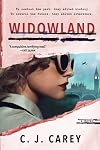
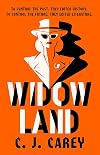
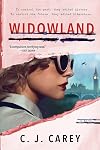
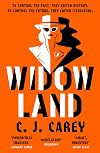
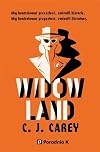
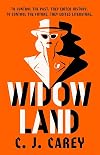
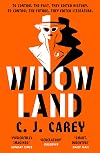
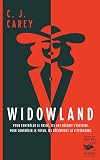
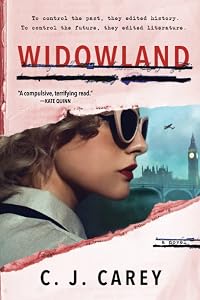
"To control the past, they edited history. To control the future, they edited literature. The year is 1953. Edward VIII and Wallis are preparing for their coronation, and the country is tense with expectation. In honor of the event, Adolf Hitler will be making his first visit to the UK since its surrender to the Germans in 1940. One oppressive change conforming with Nazi ideology is the strict classification of women into hierarchical groups, ranging from the beautiful and privileged Gelis show more (named after Hitler's adored niece) down to the barren Widows, who are treated as inferior domestic help and considered worthless. Rose Ransom, a Geli, remembers life before but knows better than to let it show. She works for the Ministry of Culture, editing classic books to fit in better with the new regime. When graffiti that quotes subversive lines by famous women starts popping up all over the country, Rose finds herself embroiled in the investigation to discover the criminals behind it. Nobody knows the power of words better than she does, and the truth behind them is almost impossible to ignore. Caught up in an assassination plot in which the Widows are the key suspects, she is forced to choose between the language of the law and that of her heart"-- show lessTags
Recommendations

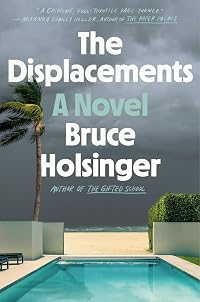
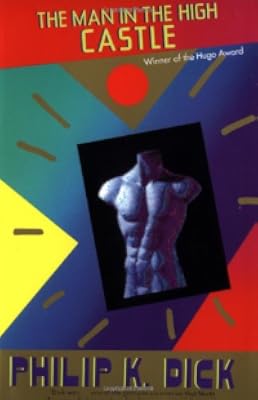
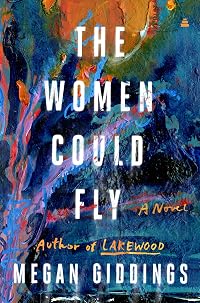
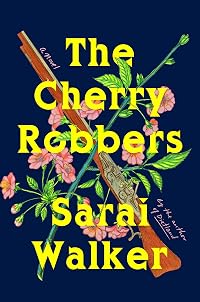






Member Reviews
I was hooked by Widowland. It wasn’t expected. I was reading it on a platform I disdain, having to enlarge every page to read, unable to bookmark my reading place or underline or make notes. I tell you this so you understand that in spite of the inconvenience, I kept returning to read this novel.
C. J. Carey’s imagined alternative history world was so well drawn, down to the detail, I wanted to know more. It is set in 1953 in an England that had capitulated to the Germans to become part of the Alliance–basically, its become a colony where all the best material goods and resources are claimed by the German mainland, and the Brits left living a second class life…or third…or less… Because the lowest of the low, the unmarried, show more widowed, childless women, are clustered in ghettos without any first world resources. A few dresses a year, not enough calories to live on, no electricity or heat, no health care. Is is any wonder that it in Widowland the resistance foments and grows? For among theses outcasts there are women with minds, education, and book learning.
The main character is from the priviledged class of women. Oh, yes, the females were measured and held against ideals to be sorted into their proper classes. Rose is in the top of the tier, based on her perfect beauty. The lower the caste, the worse the options in work, material resources, or mates. And, remember, this is in Britain where they already have the leftovers: plastic shoes instead of leather, fabric made of artificial fibers and cardboard.
The state has decreed that a woman’s place is in the home, serving her man, popping out four children. Rose is well into her twenties, and unfortunately unmarried, having been claimed by an Alliance official as his mistress. He says he loves her. Of course, back on the mainland he has a wife and the required number of children. Rose’s future is iffy. As a mistress, and a childless woman, she can be declassed to a lower caste. If she gets pregnant, her future is even dimmer. But a gal can’t say ‘no’ to the Alliance men.
Rose has a special job. She rewrites literature to confirm to Alliance regulations. The independence of an Elizabeth Bennett or Jane Eyre can’t be tolerated. The books worm their way into her awareness, alter her perception. As literature will do, which is why the books must be excised. Although ignorant of the before life because of the official history’s erasure, she begins to piece together the past.
When Rose is selected to interview Widowland residents in the Alliance’s push to identify the source of seditious graffiti, her awareness is broadened even more.
The plotline intensifies into a page-turning thriller and a coup for Rose.
Dystopian fiction readers and those who love a strong female character evolving into independence will enjoy this one.
I received a free ebook from Sourcebooks Early Reads Program. My review is fair and unbiased. show less
C. J. Carey’s imagined alternative history world was so well drawn, down to the detail, I wanted to know more. It is set in 1953 in an England that had capitulated to the Germans to become part of the Alliance–basically, its become a colony where all the best material goods and resources are claimed by the German mainland, and the Brits left living a second class life…or third…or less… Because the lowest of the low, the unmarried, show more widowed, childless women, are clustered in ghettos without any first world resources. A few dresses a year, not enough calories to live on, no electricity or heat, no health care. Is is any wonder that it in Widowland the resistance foments and grows? For among theses outcasts there are women with minds, education, and book learning.
The main character is from the priviledged class of women. Oh, yes, the females were measured and held against ideals to be sorted into their proper classes. Rose is in the top of the tier, based on her perfect beauty. The lower the caste, the worse the options in work, material resources, or mates. And, remember, this is in Britain where they already have the leftovers: plastic shoes instead of leather, fabric made of artificial fibers and cardboard.
The state has decreed that a woman’s place is in the home, serving her man, popping out four children. Rose is well into her twenties, and unfortunately unmarried, having been claimed by an Alliance official as his mistress. He says he loves her. Of course, back on the mainland he has a wife and the required number of children. Rose’s future is iffy. As a mistress, and a childless woman, she can be declassed to a lower caste. If she gets pregnant, her future is even dimmer. But a gal can’t say ‘no’ to the Alliance men.
Rose has a special job. She rewrites literature to confirm to Alliance regulations. The independence of an Elizabeth Bennett or Jane Eyre can’t be tolerated. The books worm their way into her awareness, alter her perception. As literature will do, which is why the books must be excised. Although ignorant of the before life because of the official history’s erasure, she begins to piece together the past.
When Rose is selected to interview Widowland residents in the Alliance’s push to identify the source of seditious graffiti, her awareness is broadened even more.
The plotline intensifies into a page-turning thriller and a coup for Rose.
Dystopian fiction readers and those who love a strong female character evolving into independence will enjoy this one.
I received a free ebook from Sourcebooks Early Reads Program. My review is fair and unbiased. show less
I got this audiobook through Hoopla as a book club offering to all clients. Although, I'm not a fan of alternate history, this audiobook slowly grabbed my attention and kept me up all night listening! Set in 1953, England has formed an Alliance with Germany instead of fighting against them. However, this alliance means that these best resources go back to the mainland (Germany) while England gets mostly the dregs. The women are put into a caste system with the young, most beautiful Arian type women in the top tier. The older women without husbands are put into a ghettos called Widowlands. The English are losing their literature, their art, everything of any value while they scarcely notice. I did feel a Handmaid Tale vibe in this book show more but this book goes down a slightly different rabbit hole...just as terrible. This is book one so I will see if I can get the next book since this one did end rather abruptly! show less
This was not a book I'd typically read but after hearing the author speak as part of a webinar, I decided to give it a try. In this dystopian history, set after WWII in 1953, England is a protectorate of Nazi Germany and the people are oppressed, manipulated and life is heavily dictated. Women are evaluated based on their physical characteristics such as skull measurements, nose and eye color, family history and mental illness, and then redefined into an elaborate caste system. The seven classifications include: the first class (elite); the mothers (responsible for producing offspring); the professional women (office workers); caring professionals (teachers/nurses); the factory and shop workers; the kitchen/domestic workers; and show more finally, the childless women or widows. Most British citizens live in difficult surroundings (poor clothes and housing) and don’t have transportation. Rather than supporting a national religion, citizens are encouraged to worship The Leader and endorse the Nazi philosophy.
As you would guess, the government has spies everywhere and monitors all communication so most of the population have a restricted view of the truth.
The protagonist, Rose, who is in the elite class, has secured a position within the Ministry of Culture as an “Editor”. But in this current environment, reading is discouraged, and the government has mandated that literature (anything promoting women to think for themselves) be rewritten to reflect the government’s current philosophy. For example, in reviewing the books she’s been assigned, Rose is given these guidelines, “no female protagonist should be overly intelligent, dominant or subversive, no woman should be rewarded for challenging a man, and no narrative should undermine in any way the Protector’s views of the natural relationship between the sexes.” Rose tries to do her job, but it becomes increasing difficult as she finds herself inspired and begins to write (which is a no-no). Further complicating her life is her boss, Martin. Martin is a high-ranking German official who both covets and controls her while maintaining a wife and family at home.
The writing moves at a good pace, the characters are intriguing, and there’s suspense and romance. I found the book especially engaging due to the historical references and implications. You’re left at the ending wondering WHAT’s NEXT? I can’t wait for this author’s next book! show less
As you would guess, the government has spies everywhere and monitors all communication so most of the population have a restricted view of the truth.
The protagonist, Rose, who is in the elite class, has secured a position within the Ministry of Culture as an “Editor”. But in this current environment, reading is discouraged, and the government has mandated that literature (anything promoting women to think for themselves) be rewritten to reflect the government’s current philosophy. For example, in reviewing the books she’s been assigned, Rose is given these guidelines, “no female protagonist should be overly intelligent, dominant or subversive, no woman should be rewarded for challenging a man, and no narrative should undermine in any way the Protector’s views of the natural relationship between the sexes.” Rose tries to do her job, but it becomes increasing difficult as she finds herself inspired and begins to write (which is a no-no). Further complicating her life is her boss, Martin. Martin is a high-ranking German official who both covets and controls her while maintaining a wife and family at home.
The writing moves at a good pace, the characters are intriguing, and there’s suspense and romance. I found the book especially engaging due to the historical references and implications. You’re left at the ending wondering WHAT’s NEXT? I can’t wait for this author’s next book! show less
Initially engaging novel, nicely crafted, with an intriguing premise: Germany wins WWII...BUT the protagonist fails to grow in awareness and ends up being almost a cipher for 'woman needs a man to survive'. Abrupt ending, but there's a sequel, which for me won't attract unless the plotting improves considerably.
How did I miss hearing about this book?!
1984 from a woman's perspective or The Handmaids Tale meets Man in the High Castle.
If only all alliances were as obvious as the slogans presented in this alt-world.
Very fast paced book. I might have preferred a bit more drawn out drama at the end or maybe that’s because I didn’t want the book to end!
1984 from a woman's perspective or The Handmaids Tale meets Man in the High Castle.
If only all alliances were as obvious as the slogans presented in this alt-world.
Very fast paced book. I might have preferred a bit more drawn out drama at the end or maybe that’s because I didn’t want the book to end!
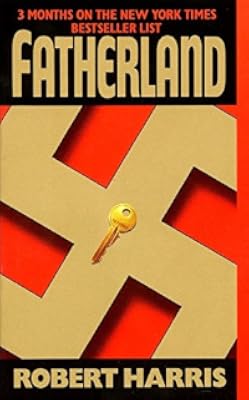
Another novel set in an England that lost the war, a kind of Handmaid's Tale meets Dominion. Women are sorrted into castes and you can only go down, never up. The main protagonist is in the top caste and has all kinds of priveleges denied to those lower down. She is also the lover of one of the top Nazi officers in England.
The Fuhrer still lives but is very old and his planned visit to England has the top Nazis all beside themselves with worry. Why so? well someone has been putting up grafitti. I kid you not.
There are suspicions about the culprits so the the hero of the story is sent undercover to suss out what's going on. And of course she discovers that all is not well in the kingdom. And so on.
I enjoyed it, like I enjoy all the books show more in this genre, more for their subtitles to every scene explaining the changes the Nazis have made to England since the surrender was signed, than for anything else, and of course I read them as a metaphor for today.
It is a good read for all that. show less
The Fuhrer still lives but is very old and his planned visit to England has the top Nazis all beside themselves with worry. Why so? well someone has been putting up grafitti. I kid you not.
There are suspicions about the culprits so the the hero of the story is sent undercover to suss out what's going on. And of course she discovers that all is not well in the kingdom. And so on.
I enjoyed it, like I enjoy all the books show more in this genre, more for their subtitles to every scene explaining the changes the Nazis have made to England since the surrender was signed, than for anything else, and of course I read them as a metaphor for today.
It is a good read for all that. show less
The end redeemed the book, but overall, I wanted to like this a lot more than I actually did. The premise is great, but I didn't connect much with the characters.
Members
- Recently Added By
Lists

Netgalley Reads
468 works; 3 members

Books Read in 2024
4,727 works; 128 members
Author Information
14 Works 1,076 Members
Some Editions
Awards and Honors
Series

Common Knowledge
- Canonical title
- Widowland
- Original title
- Widowland
- Original publication date
- 2021
- Dedication
- For Caradoc King
- Blurbers
- Quinn, Kate; Sullivan, Mark; Prescott, Lara; Bowen, Rhys
- Original language
- English UK
Classifications
Statistics
- Members
- 234
- Popularity
- 139,796
- Reviews
- 10
- Rating
- (3.56)
- Languages
- English, French, Polish
- Media
- Paper, Audiobook, Ebook
- ISBNs
- 15
- ASINs
- 4