Volver a dónde
by Antonio Muñoz Molina
On This Page
Description
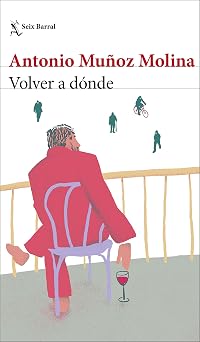
Madrid, junio de 2020. Tras un encierro de tres meses, el narrador asiste desde su balcón al despertar de la ciudad a la llamada nueva normalidad, mientras revive los recuerdos de su infancia en una cultura campesina cuyos últimos supervivientes ahora están muriendo. A la dolorosa constatación de que con él desaparecerá la memoria familiar, se le suma la certeza de que en este nuevo mundo nacido de una crisis global sin precedentes aún prevalecen unas prácticas dañinas que show more podríamos haber dejado atrás.00Volver a dónde es un libro de una belleza sobrecogedora que reflexiona sobre el paso del tiempo, sobre cómo construimos nuestros recuerdos y cómo éstos, a su vez, nos mantienen en pie en momentos en que la realidad queda en suspenso; un testimonio imprescindible para entender un tiempo extraordinario y la responsabilidad que adquirimos con las nuevas generaciones.00Certero observador de la actualidad, Antonio Muñoz Molina ofrece en estas páginas, a modo de una suerte Diario del año de la peste de Daniel Defoe contemporáneo, un lúcido análisis de la España actual a la vez que refleja la transformación irreversible de nuestro país durante el último siglo. show lessTags
Recommendations










Member Reviews
Spain, and the Madrid region in particular, was one of the parts of Europe hit hardest in the early months of the Covid-19 pandemic. There were frequent horror stories in the news of overwhelmed medical and funeral services, old people abandoned to their fate in retirement homes, and all the rest of it. In this modern Journal of the plague year, Antonio Muñoz Molina records his personal view of the crisis — literally, in the form of what he sees from his Madrid balcony each day, and from his authorised excursions to walk the dog and buy food, but also less directly, in his response to the news he hears and in the reflections and memories that the crisis brings out.
At the heart of things, as usual in his books, is his background in a show more family of market-gardeners from Úbeda, and in particular his coming to terms with the idea that now, in his mid-sixties and with most of the older generation gone, he has become the main repository of family memory. He talks about the hard work that his parents and all their contemporaries had to do to survive, and about his conflict with his father about his decision to complete high school and go to university instead of coming to work in the family huerta.
The lockdown brings out mixed feelings — there’s relief that his privileged situation as a writer who works from home anyway keeps him out of the worst of things — all he has to give up is the tedious bit, travel to personal appearances — and a slightly guilty pleasure in the novel (and short-lived) experience of Madrid as a city largely free from cars and noise. There’s anger at the politicians who spend their time wrangling about trivialities instead of tackling the huge problems around them and at the idiots who cling to conspiracy theories or put their self-declared right to party through the night above the need to protect vulnerable people from infection. There’s frustration at being cut off from direct contact with his elderly mother (living with his sister in another city) and his two-year-old granddaughter (a few streets away), but there’s also pleasure in the nightly ritual of applauding health workers from balconies, in his little balcony garden (an attempt to redeem himself as a vegetable grower after all?), in the myriad little details he observes in the changed city, and in the process of writing, either on the computer or with a fountain-pen restored for him by a doctor friend who does that as a hobby.
I don’t know if it all adds up to anything very concrete when you put it all together, but it’s lovely writing that has given me a good deal of pleasure dipping in and out of the book over the course of a few weeks. show less
At the heart of things, as usual in his books, is his background in a show more family of market-gardeners from Úbeda, and in particular his coming to terms with the idea that now, in his mid-sixties and with most of the older generation gone, he has become the main repository of family memory. He talks about the hard work that his parents and all their contemporaries had to do to survive, and about his conflict with his father about his decision to complete high school and go to university instead of coming to work in the family huerta.
The lockdown brings out mixed feelings — there’s relief that his privileged situation as a writer who works from home anyway keeps him out of the worst of things — all he has to give up is the tedious bit, travel to personal appearances — and a slightly guilty pleasure in the novel (and short-lived) experience of Madrid as a city largely free from cars and noise. There’s anger at the politicians who spend their time wrangling about trivialities instead of tackling the huge problems around them and at the idiots who cling to conspiracy theories or put their self-declared right to party through the night above the need to protect vulnerable people from infection. There’s frustration at being cut off from direct contact with his elderly mother (living with his sister in another city) and his two-year-old granddaughter (a few streets away), but there’s also pleasure in the nightly ritual of applauding health workers from balconies, in his little balcony garden (an attempt to redeem himself as a vegetable grower after all?), in the myriad little details he observes in the changed city, and in the process of writing, either on the computer or with a fountain-pen restored for him by a doctor friend who does that as a hobby.
I don’t know if it all adds up to anything very concrete when you put it all together, but it’s lovely writing that has given me a good deal of pleasure dipping in and out of the book over the course of a few weeks. show less
Madrid, junio de 2020. Tras un encierro de tres meses, el narrador asiste desde su balcón al despertar de la ciudad a la llamada nueva normalidad, mientras revive los recuerdos de su infancia en una cultura campesina cuyos últimos supervivientes ahora están muriendo. A la dolorosa constatación de que con él desaparecerá la memoria familiar, se le suma la certeza de que en este nuevo mundo nacido de una crisis global sin precedentes aún prevalecen unas prácticas dañinas que podríamos haber dejado atrás.
Volver a dónde es un libro de una belleza sobrecogedora que reflexiona sobre el paso del tiempo, sobre cómo construimos nuestros recuerdos y cómo éstos, a su vez, nos mantienen en pie en momentos en que la realidad queda en show more suspenso; un testimonio imprescindible para entender un tiempo extraordinario y la responsabilidad que adquirimos con las nuevas generaciones.
Certero observador de la actualidad, Antonio Muñoz Molina ofrece en estas páginas, a modo de una suerte Diario del año de la peste de Daniel Defoe contemporáneo, un lúcido análisis de la España actual a la vez que refleja la transformación irreversible de nuestro país durante el último siglo. show less
Volver a dónde es un libro de una belleza sobrecogedora que reflexiona sobre el paso del tiempo, sobre cómo construimos nuestros recuerdos y cómo éstos, a su vez, nos mantienen en pie en momentos en que la realidad queda en show more suspenso; un testimonio imprescindible para entender un tiempo extraordinario y la responsabilidad que adquirimos con las nuevas generaciones.
Certero observador de la actualidad, Antonio Muñoz Molina ofrece en estas páginas, a modo de una suerte Diario del año de la peste de Daniel Defoe contemporáneo, un lúcido análisis de la España actual a la vez que refleja la transformación irreversible de nuestro país durante el último siglo. show less
Oct 22, 2021Spanish
Libro que nos cuenta lo que la mayoría de nosotros pasamos con la pandemia del covid, a su vez en esos días tan difíciles para todos el autor nos hace un recordatorio de su infancia.
Es curioso que una cosa tan desagradable como es la matanza de un cerdo, te la envuelve con su maestría para hacer como si estuvieras tu allí.
Antonio Muñoz Molina es un escritor que te hace sentir como propio lo que estas leyendo, pero eso está reservado solamente para genios.
Me ha gustado mucho, como todo lo que escribe.
Es curioso que una cosa tan desagradable como es la matanza de un cerdo, te la envuelve con su maestría para hacer como si estuvieras tu allí.
Antonio Muñoz Molina es un escritor que te hace sentir como propio lo que estas leyendo, pero eso está reservado solamente para genios.
Me ha gustado mucho, como todo lo que escribe.
Apr 16, 2026Spanish
Ratings
Members
- Recently Added By
Lists

COVID in literature
96 works; 9 members
Author Information

59+ Works 5,155 Members
Antonio Munoz Molina was director of the Cervantes Institute from 2004 to 2006.
Awards and Honors
Awards
Notable Lists
Common Knowledge
- Original title
- Volver a dónde
- Important places
- Madrid, Spain; Úbeda, Jaén, Andalucia, Spain
- Important events
- COVID-19 pandemic (2020)
Classifications
- Genres
- Fiction and Literature, General Fiction, Biography & Memoir
- DDC/MDS
- 863.64 — Literature & rhetoric Spanish Literature Spanish fiction 20th Century 1945-2000
- LCC
- PQ6663 .U4795 .V65 — Language and Literature French, Italian, Spanish and Portuguese literatures Spanish literature Individual authors, 1961-2000
Statistics
- Members
- 46
- Popularity
- 649,475
- Reviews
- 3
- Rating
- (4.05)
- Languages
- Spanish
- Media
- Paper, Ebook
- ISBNs
- 2
- ASINs
- 1