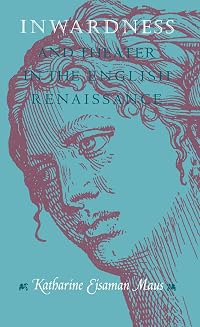
Inwardness and Theater in the English Renaissance
by Katharine Eisaman Maus
23 Members (5.00)
On This Page
Description
Katharine Eisaman Maus explores Renaissance writers' uneasy preoccupation with the inwardness and invisibility of truth. The perceived discrepancy between a person's outward appearance and inward disposition, she argues, deeply influenced the ways English Renaissance dramatists and poets conceived of the theater, imagined dramatic characters, and reflected upon their own creativity. Reading works by Kyd, Marlowe, Shakespeare, Jonson, and Milton in conjuction with sectarian polemics, show more gynecological treatises, and accounts of criminal prosecutions, Maus delineates unexplored connections among religious, legal, sexual, and theatrical ideas of inward truth. She reveals what was at stake--ethically, politically, epistemologically, and theologically--when a writer in early modern England appealed to the difference between external show and interior authenticity. Challenging the recent tendency to see early modern selfhood as defined in wholly public terms, Maus argues that Renaissance dramatists continually payed homage to aspects of inner life they felt could never be manifested onstage. show lessTags
Recommendations



















Member Reviews
Members
- Recently Added By
Author Information

6+ Works 252 Members
Classifications
Statistics
- Members
- 23
- Popularity
- 1,071,708
- Rating
- (5.00)
- Languages
- English
- Media
- Paper
- ISBNs
- 3
- UPCs
- 1