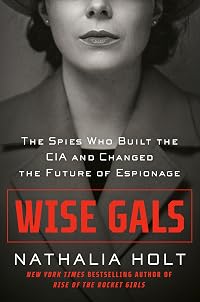
Wise Gals: The Spies Who Built the CIA and Changed the Future of Espionage
by Nathalia Holt
On This Page
Description
From the New York Times bestselling author of Rise of the Rocket Girls comes the never-before-told story of a small cadre of influential female spies in the precarious early days of the CIA—women who helped create the template for cutting-edge espionage (and blazed new paths for equality in the workplace) in the treacherous post-WWII era.In the wake of World War II, four agents were critical in helping build a new organization that we now know as the CIA. Adelaide Hawkins, Mary show more Hutchison, Eloise Page, and Elizabeth Sudmeier, called the “wise gals” by their male colleagues because of their sharp sense of humor and even quicker intelligence, were not the stereotypical femme fatale of spy novels. They were smart, courageous, and groundbreaking agents at the top of their class, instrumental in both developing innovative tools for intelligence gathering—and insisting (in their own unique ways) that they receive the credit and pay their expertise deserved.
Throughout the Cold War era, each woman had a vital role to play on the international stage. Adelaide rose through the ranks, developing new cryptosystems that advanced how spies communicate with each other. Mary worked overseas in Europe and Asia, building partnerships and allegiances that would last decades. Elizabeth would risk her life in the Middle East in order to gain intelligence on deadly Soviet weaponry. Eloise would wield influence on scientific and technical operations worldwide, ultimately exposing global terrorism threats. Through their friendship and shared sense of purpose, they rose to positions of power and were able to make real change in a traditionally “male, pale, and Yale” organization—but not without some tragic losses and real heartache along the way.
Meticulously researched and beautifully told, Holt uses firsthand interviews with past and present officials and declassified government documents to uncover the stories of these four inspirational women. Wise Gals sheds a light on the untold history of the women whose daring foreign intrigues, domestic persistence, and fighting spirit have been and continue to be instrumental to our country’s security. show less
Tags
Recommendations








Member Reviews
Wise Gals: The Spies Who Built the CIA and Changed the Future of Espionage contains a wealth of information, presented in such a way that is fascinating and often surprising. To say that for many, many years the achievements of these women were overlooked, their ideas uncredited and their potential untapped would be an understatement. Although attractive, none of the women in the book are notorious sexy femme fatales, so their names don’t even rate a second thought. Until you read this book. Just a highlight of what they did was amazing: developed new cryptosystems that advanced how spies communicate with each other, built overseas partnerships and allegiances that would last decades, gathered intelligence on deadly Soviet weaponry, show more participated in scientific and technical operations worldwide, exposed global terrorism threats. Although they did attain powerful, influential positions and were able to effect change, it wasn’t easy. They made sacrifices and paid a price for their unconventional choices. One of the original Wise Gals, Jane Burrell, paid with her life.
Strides have definitely been made through the years but women today still face barriers when trying to earn respect and influence in traditionally male fields. Imagine trying to make your mark or convince all the skeptical men that your idea has merit, that you can do the job as well or even better, in the post-WWII era. Women made huge contributions during the war, but when the war was over the women were for the most part expected to go back where they came from – as nurses, teachers, housewives – and give the important jobs back to the men so things could get back to normal. It is a testament to their tenacity, dedication, yes, stubbornness and their amazing intelligence and brilliance that they persevered and had the successes they did. And it’s only through the meticulous research and efforts of authors like Nathalia Holt that we are now able to learn about these monumental achievements and the women behind them.
Wise Gals is excellent reading, so well laid out that it takes the reader smoothly from woman to woman and historical event to historical event making you understand what motivates and frustrates these women, makes clear all the obstacles they faced, and leaves you feeling you know them quite well.
Thanks to NetGalley and G.P. Putnam's Sons for providing a copy of Wise Gals: The Spies Who Built the CIA and Changed the Future of Espionage in exchange for my honest review. I spent my time going back and forth between amazement and awe with what these women accomplished and irritation with what they had to put up with to achieve it, but at no time did I want to stop reading. It’s a fascinating history of the CIA and of those who helped create it. I highly recommend it. All opinions are my own. show less
Strides have definitely been made through the years but women today still face barriers when trying to earn respect and influence in traditionally male fields. Imagine trying to make your mark or convince all the skeptical men that your idea has merit, that you can do the job as well or even better, in the post-WWII era. Women made huge contributions during the war, but when the war was over the women were for the most part expected to go back where they came from – as nurses, teachers, housewives – and give the important jobs back to the men so things could get back to normal. It is a testament to their tenacity, dedication, yes, stubbornness and their amazing intelligence and brilliance that they persevered and had the successes they did. And it’s only through the meticulous research and efforts of authors like Nathalia Holt that we are now able to learn about these monumental achievements and the women behind them.
Wise Gals is excellent reading, so well laid out that it takes the reader smoothly from woman to woman and historical event to historical event making you understand what motivates and frustrates these women, makes clear all the obstacles they faced, and leaves you feeling you know them quite well.
Thanks to NetGalley and G.P. Putnam's Sons for providing a copy of Wise Gals: The Spies Who Built the CIA and Changed the Future of Espionage in exchange for my honest review. I spent my time going back and forth between amazement and awe with what these women accomplished and irritation with what they had to put up with to achieve it, but at no time did I want to stop reading. It’s a fascinating history of the CIA and of those who helped create it. I highly recommend it. All opinions are my own. show less
This book follows the careers of five women who worked for the CIA from its World War II infancy to their retirement (or, in one case, her death). Although these women did not get the recognition they deserved, did not receive equal pay for their work, and received delayed promotions, they paved the way for better working conditions for the women who would follow them.
Rather than espionage, the unifying theme of the book seems to be the women’s campaign for equal pay and recognition. The prologue introduces the women in the context of the 1953 “Petticoat Panel.” The chapter on the “Petticoat Panel” lies at the center of the book, with the preceding chapters looking forward to it and the succeeding chapters looking back at show more it.
Placing the “Petticoat Panel” at the heart of the book forced the author into a chronological narrative. The “Petticoat Panel” was the only project the women worked on together, so the other chapters seem disjointed as they jump between the operations each woman was involved with during the period covered in the chapter. It felt like watching a four-ring circus. It might have flowed better if each woman had been given her own chapter(s), with a concluding analysis of the similarities in their careers and the barriers they faced. show less
Rather than espionage, the unifying theme of the book seems to be the women’s campaign for equal pay and recognition. The prologue introduces the women in the context of the 1953 “Petticoat Panel.” The chapter on the “Petticoat Panel” lies at the center of the book, with the preceding chapters looking forward to it and the succeeding chapters looking back at show more it.
Placing the “Petticoat Panel” at the heart of the book forced the author into a chronological narrative. The “Petticoat Panel” was the only project the women worked on together, so the other chapters seem disjointed as they jump between the operations each woman was involved with during the period covered in the chapter. It felt like watching a four-ring circus. It might have flowed better if each woman had been given her own chapter(s), with a concluding analysis of the similarities in their careers and the barriers they faced. show less
nonfiction, historical-figures, historical-places-events, historical-research, history-and-culture, espionage, CIA, OSS, declassified, cold-war-era, women-in-history, WW2, foreign-espionage, career-agents, double-agent, doctorates, experience, gender-disparity, archival-photos, Lakota, personal-sacrifice, personal-isolation*****
This book is the result of the author digging into recently declassified info from the CIA and from personal records and photos kept by the families of these five and other women agents during and between the wars. These were five of the women who worked to transform the OSS into the CIA and improve the art of spycraft and wanted recognition by contemporaries in their field. It shows the depth of investigation show more and the hard work to assimilate it all into a somewhat cohesive narrative. These women and others are the real deal who fought in their own way to defeat the enemies of their time while also fighting for their right to contribute. Excellent work! Get a copy for your local library as well!
I requested and received a free e-book copy from PENGUIN GROUP Putnam/G.P. Putnam's Sons via NetGalley. Thank you! show less
This book is the result of the author digging into recently declassified info from the CIA and from personal records and photos kept by the families of these five and other women agents during and between the wars. These were five of the women who worked to transform the OSS into the CIA and improve the art of spycraft and wanted recognition by contemporaries in their field. It shows the depth of investigation show more and the hard work to assimilate it all into a somewhat cohesive narrative. These women and others are the real deal who fought in their own way to defeat the enemies of their time while also fighting for their right to contribute. Excellent work! Get a copy for your local library as well!
I requested and received a free e-book copy from PENGUIN GROUP Putnam/G.P. Putnam's Sons via NetGalley. Thank you! show less
DNF at around 41 percent. These women have important stories and I was super excited about the book. But it’s not well written - scattershot, kind of strange in tone, and in general more sizzle than steak. I’d love a more scholarly and better written treatment. Reading this became a chore, and I have been trying to be better about walking away from books like that except in extraordinary circumstances (eg a book with hard lessons that need to be learned despite the unpleasantness - this isn’t one of those books).
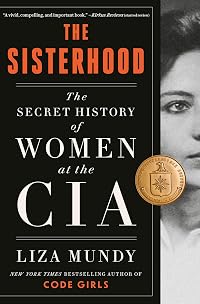
I was lucky enough to hear the author talk about her book back when it came out in September 2022 and finally got to it. After reading The Sisterhood: The Secret History of the Women at the CIA by Liza Mundy, I remembered I had Wise Gals on my shelf. I am so glad I read it. Adelaide, Mary, Eloise, and Elizabeth were called the “wise gals” by their male colleagues in the spy agency. These women took on roles during the Cold War era around the world to help their country. I loved the first hand accounts the author used to tell their stories. There are photographs throughout the book to give the reader perspective on the people, items, and situations mentioned. Even though it is non-fiction, the book read like fiction. You are taken on show more a journey with these amazing women and all they accomplished through their work and love of their jobs. I highly recommend this book! show less
This is the second book I've read on this topic, and I think The Sisterhood by Mundy was a bit more exciting and what you'd expect from a book about spies. I did like that this went up to nearly present day, or at least post 9/11, so we get a better look at how things change or don't over time.
Following five women who worked for the CIA in its early years, the author demonstrates how women failed to achieve equal pay and failed to receive the promotions and other recognitions men might receive. The "Petticoat Panel" on which the women served is the only way these women interacted as they all served on different missions and in different areas. The book felt a bit disjointed because of the author's focus on feminist ideals rather than on the women and their careers.
Members
- Recently Added By
Lists

Feminism
167 works; 4 members

Books Read in 2023
5,547 works; 145 members
Author Information

5 Works 1,638 Members
Nathalia Holt is the author of Cured: The People Who Defeated HIV and a former Fellow at the Ragon Institute of Massachusetts General Hospital, MIT, and Harvard University. Her writing has appeared in the New York Times, the Los Angeles limes, The Atlantic, Slate. Popular Science, and Time. She lives in Boston.
Awards and Honors
Awards
Distinctions
Notable Lists
Classifications
- Genres
- Politics and Government, History, Nonfiction, General Nonfiction, Biography & Memoir
- DDC/MDS
- 327.1273009 — Society, government, & culture Political science International Relations: Spies Foreign policy and specific topics in international relations Espionage and subversion North America United States
- LCC
- JK468 .I6 .H63 — Political Science Political institutions and public administration (United States) Political institutions and public administration United States Government. Public administration
- BISAC
Statistics
- Members
- 218
- Popularity
- 149,816
- Reviews
- 8
- Rating
- (4.02)
- Languages
- English
- Media
- Paper, Audiobook, Ebook
- ISBNs
- 11
- ASINs
- 3