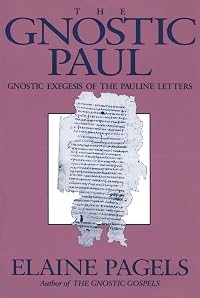
The Gnostic Paul
by Elaine Pagels
On This Page
Description
"In this highly original work, Elaine Pagels demonstrates how evidence from gnostic sources may challenge the assumption that Paul writes his letters to combat "gnostic opponents" and to repudiate their claims to secret wisdom. Drawing upon evidence from the gnostic exegesis of Paul, including several Nag Hammadi texts, the author examines how gnostic exegetes cite and interpret key passages in the letters they consider Pauline 1 & 2 Corinthians, Galatians, Ephesians, Philippians, show more Colossians, and Hebrews. Besides offering new insight into controversies over Paul in the second century, this analysis of gnostic exegesis suggests a new perspective for Pauline study, challenging students and scholars to recognize the presuppositions hermenuetical and theological involved in their own reading of Paul's letters. Elaine H. Pagels is the Harrington Spear Paine Professor of Religion at Princeton University. She is the author of The Gnostic Gospels, which won the National Book Award and the National Book Critics Circle Award, The Johannie Gospel in Gnostic Exegesis, Adam, Eve, and the Serpent, and the best-selling Beyond Belief: The Secret Gospel of Thomas."--Bloomsbury Publishing. show lessTags
Recommendations





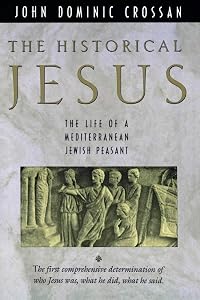
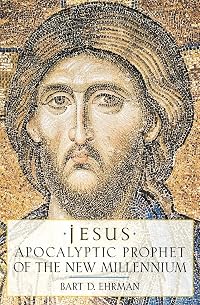
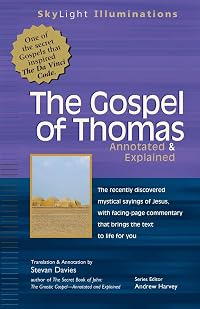
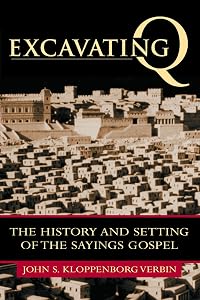
Member Recommendations
Member Reviews
This book is much less about the author's overall views than about a close reading of Paul's Epistles. For a religious scholar, this may be very interesting. For a lay reader, not so much.
THE GNOSTICPAUL:GNOSTIC EXEGESIS OF DE PAULINE LETTERS
In this highly original work, Elaine Pagels demonstrates how evidence from gnostic sources may challenge the assumption that Paul writes his letters to combat "gnostic opponents" and to repudiate their claims to secret wisdom. Drawing upon evidence from the gnostic exegesis of Paul, including several Nag Hammadi texts, the author examines how gnostic exegetes cite and interpret key passages in the letters they consider Pauline -1 & 2 Corinthians, Galatians, Ephesians, Philippians, Colossians, and Hebrews. Besides offering new insight into controversies over Paul in the second century, this analysis of gnostic exegesis suggests a new perspective for Pauline study, challenging students show more and scholars to recognize the presuppositions-hermenuetical and theological-involved in their own reading of Pauls letters. Elaine H. Pagels is the Harrington Spear Paine Professor of Religion at Princeton Uni show less
In this highly original work, Elaine Pagels demonstrates how evidence from gnostic sources may challenge the assumption that Paul writes his letters to combat "gnostic opponents" and to repudiate their claims to secret wisdom. Drawing upon evidence from the gnostic exegesis of Paul, including several Nag Hammadi texts, the author examines how gnostic exegetes cite and interpret key passages in the letters they consider Pauline -1 & 2 Corinthians, Galatians, Ephesians, Philippians, Colossians, and Hebrews. Besides offering new insight into controversies over Paul in the second century, this analysis of gnostic exegesis suggests a new perspective for Pauline study, challenging students show more and scholars to recognize the presuppositions-hermenuetical and theological-involved in their own reading of Pauls letters. Elaine H. Pagels is the Harrington Spear Paine Professor of Religion at Princeton Uni show less
Jan 7, 2018Spanish
Ratings
Members
- Recently Added By
Author Information

32+ Works 15,552 Members
Elaine Pagels is the Harrington Spear Paine Professor of Religion at Princeton University. She is the recipient of a MacArthur Fellowship best known for her studies and writing on the Gnostic Gospels. Pagels graduated from Stanford University receiving a B.A. in 1964 and an M.A. in 1965. She received a Ph.D in religion from Harvard University in show more 1970. She is the author of The Gnostic Gospels (1979), which won the National Book Award (Religion 1980) and the National Book Critics Circle Award (Criticism 1979). Pagels is also the author of Adam, Eve and the Serpent (1988), The Origin of Satan (1995), Beyond Belief: The Secret Gospel of Thomas (2003), Reading Judas: The Gospel of Judas and the Shaping of Christianity (2007), and Revelations: Visions, Prophecy, and Politics in the Book of Revelation (2012). (Bowker Author Biography) show less
Common Knowledge
- Canonical title
- The Gnostic Paul
- Original publication date
- 1975
- Dedication
- To Heinz
- First words
- Rom. 1:1 Paul, slave of Jesus Christ, called apostle, separated for the gospel of God...
- Last words
- (Click to show. Warning: May contain spoilers.)On the other hand, whoever takes account of the total evidence may learn from the debate to approach Pauline exegesis with renewed openess to the texts.
Classifications
Statistics
- Members
- 299
- Popularity
- 107,581
- Reviews
- 2
- Rating
- (3.69)
- Languages
- English
- Media
- Paper, Ebook
- ISBNs
- 4