Shakespeare of London
by Marchette Chute
On This Page
Description
An account of Shakespeare's life and times based on contemporary documents, none dated later than 1635.Tags
Recommendations












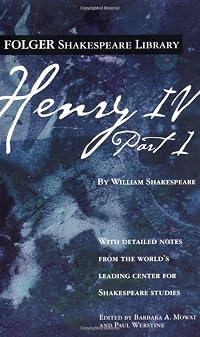
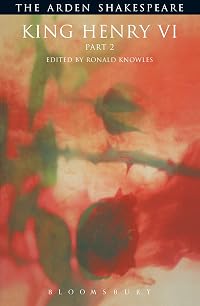

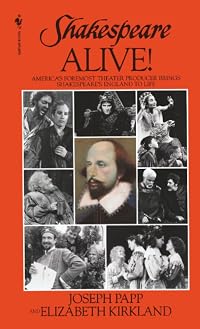
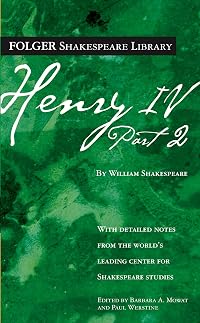




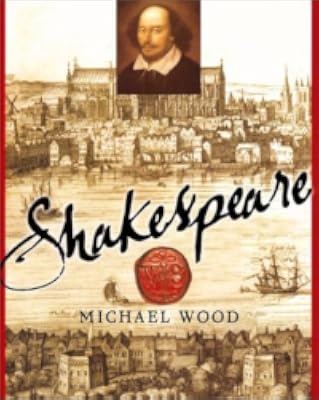

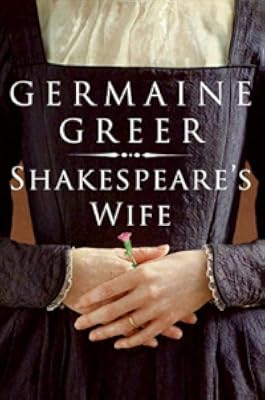
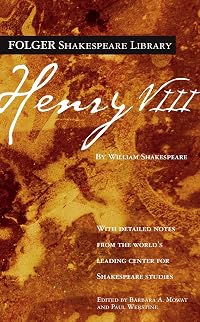
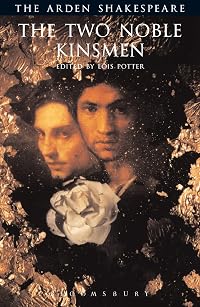
Member Recommendations

Member Reviews
Marchette Chute’s aim in writing this “life and times” of William Shakespeare was to limit herself to what can be determined from contemporary sources. I was pleasantly surprised at what she could tease out of the limited available evidence and weave it into an enjoyable, informative narrative.
Along the way, she also portrays the world of Elizabethan theater. I learned much I didn’t know about how plays were created and staged. While Shakespeare towered above other playwrights—which many of them seemed willing to recognize, even if reluctantly—many of them were also skilled craftsmen.
What then set Shakespeare apart? Chute writes that many plays of the previous generation had been comparatively simple affairs that relied on show more broad humor and spectacle. Their hold on the stage was challenged by a set of university-educated aspiring playwrights, most memorably Christopher Marlowe. The dons at Oxbridge had schooled them in theory, especially concerning the unities they should observe. These principles, as old as Aristotle, had been hardened to dogma. Shakespeare, Chute reports, had little interest in theory.
Chute points to two aspects in which Shakespeare excelled. One was the luxuriant flow of his language, and the other his gift for transcending the types usually portrayed on the stage, replacing them with well-rounded, memorable characters.
Another fact set him apart from rival playwrights: He began as an actor before ever trying his hand at a script and remained one throughout his career. As a result, he knew from ample experience in London theaters, on tour, and in royal palaces what worked in front of an audience. In addition, he was a member of London’s leading troop for most of his career. This meant that as he wrote, he knew the actors who would bring his characters to life. And unlike other playwrights, whose work was done once a theater company accepted the script and paid for it, he remained involved in every step of preparing each production.
His career path set him apart from other playwrights in another way: he became wealthy, not by writing but through his share of the receipts of his acting company (the other full members of the troop profited equally well). Chute details his care in investing his earnings, primarily in real estate in his hometown.
In addition to being an astute businessman, I learned that Shakespeare seems to have been an amiable man, slow to take offense. In this way, too, he cut a different figure from Kit Marlowe, Ben Jonson, and others of the playwright guild.
Chute devotes some space to questions such as the extent of the canon and whether someone else wrote the plays. Suggestions that Shakespeare was a front for a nobleman who chose not to publish under his own name seem rooted in class snobbery. As appreciation for Shakespeare’s excellence rose, for some, it became unthinkable that the grandson of a tenant farmer could have authored them. Nor does the argument from his lack of time at a university carry weight. In Chute’s telling, university men who wrote good plays, such as Marlowe and Jonson, did so despite being hobbled by the theoretical strictures they absorbed there.
As to the vexed question of canon: ironically, here, too, it is Shakespeare’s excellence that opened the door to theories of collaboration and misattribution. He was so good, the argument goes, that he was incapable of writing even one mediocre line. Yet accepting “Henry VI” as his demonstrates that he didn’t arrive fully formed but had to learn as he went. And admitting that “Henry VIII” (written after he retired from the stage) and not “The Tempest” was his last shows that even the deepest springs of genius are not inexhaustible and that he was wise to retire when he did.
Finally, I was interested in Chute’s observation that timing was a part of Shakespeare’s success. He arrived in London at a time when there was an enthusiastic theater-going public and before the Puritan ascendance that silenced the stage for two generations following Shakespeare’s death. This interplay of individual genius and the contingencies of time and place gives pause for thought. show less
Along the way, she also portrays the world of Elizabethan theater. I learned much I didn’t know about how plays were created and staged. While Shakespeare towered above other playwrights—which many of them seemed willing to recognize, even if reluctantly—many of them were also skilled craftsmen.
What then set Shakespeare apart? Chute writes that many plays of the previous generation had been comparatively simple affairs that relied on show more broad humor and spectacle. Their hold on the stage was challenged by a set of university-educated aspiring playwrights, most memorably Christopher Marlowe. The dons at Oxbridge had schooled them in theory, especially concerning the unities they should observe. These principles, as old as Aristotle, had been hardened to dogma. Shakespeare, Chute reports, had little interest in theory.
Chute points to two aspects in which Shakespeare excelled. One was the luxuriant flow of his language, and the other his gift for transcending the types usually portrayed on the stage, replacing them with well-rounded, memorable characters.
Another fact set him apart from rival playwrights: He began as an actor before ever trying his hand at a script and remained one throughout his career. As a result, he knew from ample experience in London theaters, on tour, and in royal palaces what worked in front of an audience. In addition, he was a member of London’s leading troop for most of his career. This meant that as he wrote, he knew the actors who would bring his characters to life. And unlike other playwrights, whose work was done once a theater company accepted the script and paid for it, he remained involved in every step of preparing each production.
His career path set him apart from other playwrights in another way: he became wealthy, not by writing but through his share of the receipts of his acting company (the other full members of the troop profited equally well). Chute details his care in investing his earnings, primarily in real estate in his hometown.
In addition to being an astute businessman, I learned that Shakespeare seems to have been an amiable man, slow to take offense. In this way, too, he cut a different figure from Kit Marlowe, Ben Jonson, and others of the playwright guild.
Chute devotes some space to questions such as the extent of the canon and whether someone else wrote the plays. Suggestions that Shakespeare was a front for a nobleman who chose not to publish under his own name seem rooted in class snobbery. As appreciation for Shakespeare’s excellence rose, for some, it became unthinkable that the grandson of a tenant farmer could have authored them. Nor does the argument from his lack of time at a university carry weight. In Chute’s telling, university men who wrote good plays, such as Marlowe and Jonson, did so despite being hobbled by the theoretical strictures they absorbed there.
As to the vexed question of canon: ironically, here, too, it is Shakespeare’s excellence that opened the door to theories of collaboration and misattribution. He was so good, the argument goes, that he was incapable of writing even one mediocre line. Yet accepting “Henry VI” as his demonstrates that he didn’t arrive fully formed but had to learn as he went. And admitting that “Henry VIII” (written after he retired from the stage) and not “The Tempest” was his last shows that even the deepest springs of genius are not inexhaustible and that he was wise to retire when he did.
Finally, I was interested in Chute’s observation that timing was a part of Shakespeare’s success. He arrived in London at a time when there was an enthusiastic theater-going public and before the Puritan ascendance that silenced the stage for two generations following Shakespeare’s death. This interplay of individual genius and the contingencies of time and place gives pause for thought. show less
I'm not well-read in Shakespeare, but I would like to be after peering into this "life-sized portrait." The biography avoids literary analysis of Shakespeare and instead focuses upon the actor and playwright as a contemporary man. What I appreciated was how humble yet hardworking was this man considered by most to be the greatest writer in the English language. The remarkable research and authority with which the biographer recounts Shakespeare's life makes me tend to reject the now-popular idea that perhaps Shakespeare wasn't the author of classical works attributed to him.
We read in context how Shakespeare combined popular (Plutarchian) Greek heroes and plots with rudimentary (sometimes flawed) knowledge of contemporary history and show more developed delightful entertainment for the masses, resisting the tendency toward academic snobbery and instead crediting the general public with enough intelligence to appreciate a richly detailed story. For that, and also in large part due to the good fortune of living in an enlightened age, Shakespeare was and will forever be rewarded.
Readers like me will appreciate that Shakespeare was--to some degree--a talented hack who displayed a knack for characterization and whose reputation is largely based upon his appeal to the common crowd. The infusion of Shakespearean passages throughout this biographical account is lovely and helps develop an appreciation for the writing craft of old. show less
We read in context how Shakespeare combined popular (Plutarchian) Greek heroes and plots with rudimentary (sometimes flawed) knowledge of contemporary history and show more developed delightful entertainment for the masses, resisting the tendency toward academic snobbery and instead crediting the general public with enough intelligence to appreciate a richly detailed story. For that, and also in large part due to the good fortune of living in an enlightened age, Shakespeare was and will forever be rewarded.
Readers like me will appreciate that Shakespeare was--to some degree--a talented hack who displayed a knack for characterization and whose reputation is largely based upon his appeal to the common crowd. The infusion of Shakespearean passages throughout this biographical account is lovely and helps develop an appreciation for the writing craft of old. show less
I have tried reading books about Shakespeare before, and for whatever reason they always seemed a little dry and I had problems finishing them. This may be the first book I read that was interesting, well written and filled in a lot of the details about life in that time period. I would definitely recommend it to anybody that was interested in learning more about Shakespeare and theaters in the 1600s.
Enjoyable biography of the landmark playwright, which shows how he fitted into the society of London and Warwickshire of his time. The book first came out in 1949, so it may well have been superseded by more recent scholarship. What interested me was the bits and pieces showing legal transactions involving Shakespeare.
This has become a standard among Shakespeare biographes. It is readable and from reviews I have read accurate.
This book is an attempt to bring a very great man
into the light of common day. It is an attempt to show William Shakespeare as his contemporaries saw him.
Among the young men of Warwickshire who felt the pull of Stratford was one named John Shakespeare. John lived in the pleasant little village of Snitterfield, four miles to the north. His father was a tenant farmer and his brother was a tenant farmer, but John had no intention of following in their footsteps.
into the light of common day. It is an attempt to show William Shakespeare as his contemporaries saw him.
Among the young men of Warwickshire who felt the pull of Stratford was one named John Shakespeare. John lived in the pleasant little village of Snitterfield, four miles to the north. His father was a tenant farmer and his brother was a tenant farmer, but John had no intention of following in their footsteps.
Good condition. Minor wear on covers. Minor light staining on back endpapers.
Members
- Recently Added By
Lists

Trinity College Booklist (1951): Class Six, Biography
119 works; 4 members
Author Information

35+ Works 1,925 Members
Awards and Honors
Distinctions
Common Knowledge
- Original title
- Shakespeare of London
- Original publication date
- 1949
- People/Characters
- William Shakespeare
- Important places
- London, England, UK
- Dedication
- To
Everyone who loves him
But especially to
Joy - First words
- There were many towns named Stratford in England, but the one that stood on the banks of the rive Avon had special reason to be proud of its native sons.
- Last words
- (Click to show. Warning: May contain spoilers.)But the cause of truth was not served, and it is fortunate that in the recent years of the twentieth century a more reasonable approach to one of the greatest men in the world is at last beginning to find favor.
- Original language
- English UK
Classifications
- Genres
- Poetry, Biography & Memoir, Nonfiction, Literature Studies and Criticism
- DDC/MDS
- 822.33 — Literature & rhetoric English & Old English literatures British Drama Shakespeare Shakespeare, William 1564–1616
- LCC
- PR2907 .C5 — Language and Literature English English Literature English renaissance (1500-1640)
- BISAC
Statistics
- Members
- 635
- Popularity
- 45,594
- Reviews
- 8
- Rating
- (3.93)
- Languages
- English
- Media
- Paper
- ISBNs
- 8
- ASINs
- 27