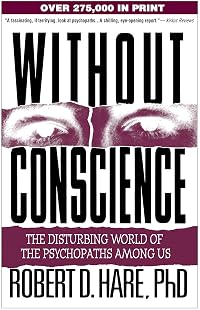
Without Conscience: The Disturbing World of the Psychopaths Among Us
by Robert D. Hare
On This Page
Description
Based on 25 years of research, Dr. Robert D. Hare gives insight into the frightening and fascinating world of the psychopath.Tags
Recommendations

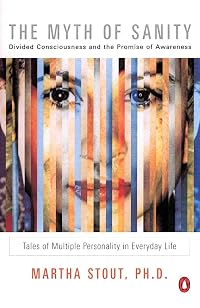
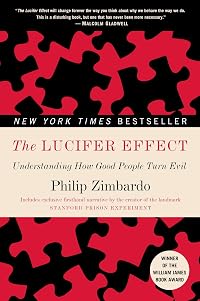
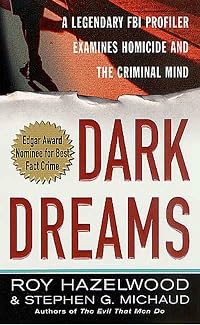
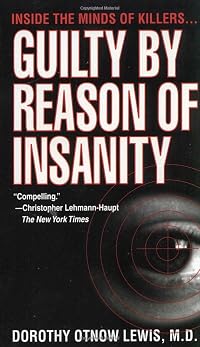


Member Reviews
Forget Lord Voldemort. On the evidence, Robert Hare, the author of Without Conscience, was the first Death Eater.
I say that because, although Hare writes this book to warn about psychopaths, you can't help but feel that, deep down, he likes these people. He's always talking them up, as if they have a magical ability to make you believe anything they say. And then they'll take you for a ride, and you'll be left sadder, poorer, and possibly pregnant-er. Assuming you aren't dead-er.
All of which presents a very frightening picture, and some of it seems to be true. There are people who have little or no desire to help others, and who have little or no executive function to inhibit them from socially destructive behavior. There is evidence show more that these people have abnormal brains.
But are they really a distinct subgroup, incurable (says Hare), marked by brain abnormalities and a common set of traits? And has Robert Hare really created a magical Psychopathy Checklist to find them so that we can lock them up and throw away they key -- or, as Hare has done in his Frankenstein-esque experiments, torture them until he determines if they are really incapable of learning?
It should be noted that the American Psychiatric Association does not think so. Psychopathy is not a diagnosis they admit to their manuals. What they have is Antisocial Personality Disorder -- a description of a group of very unpleasant people, who fit some of the traits described above (lack of respect for others and lack of impulse control). But most of them aren't as bad as Hare's group; they may be larcenous, self-serving, power-seeking, destructive corporate cheaters, but most of them don't commit murder or rape or fraud otherwise engage in major criminal behavior. It has been claimed that all psychopaths have Antisocial Personality Disorder, but not all people with ASD are psychopaths. Perhaps so. But if Hare wants to go beyond what the diagnostic manuals say, he needs more than a checklist and a history of talking to dreadful people. And, on the evidence, he doesn't have that data. Think about this: If he has so much data on psychopathy, why does he keep citing fictional examples such as Hannibal Lecter? And keep citing the same high-profile murderers such as Ted Bundy?
The worst of it is, he has convinced many prison systems to take him seriously, and his checklist is sometimes used to determine whether prisoners get privileges or even parole.
Please don't misunderstand me. There are certainly many terrible people out there. And psychopathy may be a real psychological condition. But this book isn't the proof of it. It's a collection of horror stories. And if you want to know what's most horrible, consider this: Would you want to be locked up in prison for the rest of your life just because you scored high on the Psychopathy Checklist? With no one accepting that you are repentant or can learn? What if the person who administers the test has it in for you? Too scary a thought for me!
Hare's research -- despite his occasional sadism, both toward his experimental subjects and toward his readers -- has an important place. We need to find out about these people. But he has, I think, rushed to judgment. We as readers should not get caught in the same race. show less
I say that because, although Hare writes this book to warn about psychopaths, you can't help but feel that, deep down, he likes these people. He's always talking them up, as if they have a magical ability to make you believe anything they say. And then they'll take you for a ride, and you'll be left sadder, poorer, and possibly pregnant-er. Assuming you aren't dead-er.
All of which presents a very frightening picture, and some of it seems to be true. There are people who have little or no desire to help others, and who have little or no executive function to inhibit them from socially destructive behavior. There is evidence show more that these people have abnormal brains.
But are they really a distinct subgroup, incurable (says Hare), marked by brain abnormalities and a common set of traits? And has Robert Hare really created a magical Psychopathy Checklist to find them so that we can lock them up and throw away they key -- or, as Hare has done in his Frankenstein-esque experiments, torture them until he determines if they are really incapable of learning?
It should be noted that the American Psychiatric Association does not think so. Psychopathy is not a diagnosis they admit to their manuals. What they have is Antisocial Personality Disorder -- a description of a group of very unpleasant people, who fit some of the traits described above (lack of respect for others and lack of impulse control). But most of them aren't as bad as Hare's group; they may be larcenous, self-serving, power-seeking, destructive corporate cheaters, but most of them don't commit murder or rape or fraud otherwise engage in major criminal behavior. It has been claimed that all psychopaths have Antisocial Personality Disorder, but not all people with ASD are psychopaths. Perhaps so. But if Hare wants to go beyond what the diagnostic manuals say, he needs more than a checklist and a history of talking to dreadful people. And, on the evidence, he doesn't have that data. Think about this: If he has so much data on psychopathy, why does he keep citing fictional examples such as Hannibal Lecter? And keep citing the same high-profile murderers such as Ted Bundy?
The worst of it is, he has convinced many prison systems to take him seriously, and his checklist is sometimes used to determine whether prisoners get privileges or even parole.
Please don't misunderstand me. There are certainly many terrible people out there. And psychopathy may be a real psychological condition. But this book isn't the proof of it. It's a collection of horror stories. And if you want to know what's most horrible, consider this: Would you want to be locked up in prison for the rest of your life just because you scored high on the Psychopathy Checklist? With no one accepting that you are repentant or can learn? What if the person who administers the test has it in for you? Too scary a thought for me!
Hare's research -- despite his occasional sadism, both toward his experimental subjects and toward his readers -- has an important place. We need to find out about these people. But he has, I think, rushed to judgment. We as readers should not get caught in the same race. show less
While this book is a little dated, it survives for its ability to relay how psychopathy and the study of it developed over the years, primarily in the hands of this very author. It also survives for Hare's clear and everyday explanation of a personality disorder that is largely misunderstood, and far more prevalent in our society than anyone realizes. Trust me, over Hare's warning, you'll be diagnosing someone in your school or work or family before the last page - and you'll probably be right.
5 bones!!!!!
Highly Recommended
5 bones!!!!!
Highly Recommended
Sociopathy, or Psychopathy interests me because it shakes my still formative notions of a universe that is ultimately fair, and a creation that is essentially one (having only the appearance of being made up of parts). To have no conscience is to be soul-less, isn't it? How can a part of the whole, that we are, be soul-less? What could be gained from this, and what are the implications of being devoid of empathy?
Compré este libro por recomendación del librero, estaba enseñándole a mi hermana el libro de Mindhunters de John Douglas cuando el librero me escuchó se acercó y me mostró este libro, así pues, pensé que se trataba de un libro parecido.
Nada más lejos de eso, mientras que el libro de Douglas es una biografía este se trata de un estudio llevado a cabo por Robert D. Hare que es psicólogo y se ha dedicado a estudiar la enfermedad de la psicopatía.
En este libro nos especifica primero todo un “check list” de ciertas características y comportamientos que debe cubrir una persona para poder considerarlo un psicópata.
Si bien muchos de los asesinos y violadores cubren esta lista y por lo tanto pueden ser considerados como show more psicópatas, también es cierto que no todos los violadores y asesinos son psicópatas y no todos los psicópatas son violadores y asesinos. Sin embargo y de acuerdo a Hare definitivamente cualquier psicópata es una persona de quien hay que tener cuidado, la mayoría de ellos son problemáticos, pero sobre todo su delito más común es el de Defraudadores, son especialmente agradables al trato, tienen un ingenio y una enorme capacidad para convencer a todos de lo que sea que digan y lo dicen de tal modo, que la gente les cree, son en pocas palabras muy carismáticos
También nos refiere a la psicopatía que se refleja desde la infancia y los muchos actos que cometen los niños psicópatas y que muy bien podríamos confundir con otras enfermedades o bien con una mala educación, nada más lejos de la realidad.
Es un libro que me ha resultado, por sobre cualquier otra cosa, muy interesante, está escrito de tal manera que a pesar de tratarse de un estudio de investigación, es muy fácil de comprender y por supuesto que tiene algunos ejemplos de asesinos o delincuentes bastante conocidos.
Definitivo no es lo que me esperaba, pero sin duda ha resultado una lectura amena, fácil, comprensible, educativa y sobre todo entretenida. show less
Nada más lejos de eso, mientras que el libro de Douglas es una biografía este se trata de un estudio llevado a cabo por Robert D. Hare que es psicólogo y se ha dedicado a estudiar la enfermedad de la psicopatía.
En este libro nos especifica primero todo un “check list” de ciertas características y comportamientos que debe cubrir una persona para poder considerarlo un psicópata.
Si bien muchos de los asesinos y violadores cubren esta lista y por lo tanto pueden ser considerados como show more psicópatas, también es cierto que no todos los violadores y asesinos son psicópatas y no todos los psicópatas son violadores y asesinos. Sin embargo y de acuerdo a Hare definitivamente cualquier psicópata es una persona de quien hay que tener cuidado, la mayoría de ellos son problemáticos, pero sobre todo su delito más común es el de Defraudadores, son especialmente agradables al trato, tienen un ingenio y una enorme capacidad para convencer a todos de lo que sea que digan y lo dicen de tal modo, que la gente les cree, son en pocas palabras muy carismáticos
También nos refiere a la psicopatía que se refleja desde la infancia y los muchos actos que cometen los niños psicópatas y que muy bien podríamos confundir con otras enfermedades o bien con una mala educación, nada más lejos de la realidad.
Es un libro que me ha resultado, por sobre cualquier otra cosa, muy interesante, está escrito de tal manera que a pesar de tratarse de un estudio de investigación, es muy fácil de comprender y por supuesto que tiene algunos ejemplos de asesinos o delincuentes bastante conocidos.
Definitivo no es lo que me esperaba, pero sin duda ha resultado una lectura amena, fácil, comprensible, educativa y sobre todo entretenida. show less
First part was interesting and an easy read but it did make me feel a little weird that fictional characters were used alongside actual people as examples of psychopaths. Around the halfway point, I started to feel like it was an infomercial for the author's checklist and my attention wandered. The last chapter - how to avoid them - was more like "they have dead eyes" and "here's what you should do when you are inevitably taken in by one". The first half would easily get another star. But the book lost momentum and fizzled for me.
Essential reading if you want to understand moral insanity and it's variants.
I have come to understand "psychopath", "sociopath", and "moral insanity" as nuanced terms for the same basic phenomenon: habitual lack of remorse for having harmed someone else.
So much stems from this simple phenomenon, and it is so alien to the way we feel. It has an enormous impact on our society. Nearly everyone has met someone with this characteristic and everyone has felt the effects of their actions.
Dr. Hare tells us in vivid detail about psychopaths in this book, which will perhaps be his most enduring work.
This book brought me closer to understanding how Dr. Hare and his research team developed the PCL-R test. I got some understanding of how his show more work has impacted the direction of the DSM ASPD diagnosis.
If you have someone in your life who seems reckless, manipulative, chronically deceptive, always "on their game", read this book. But don't tell them you are reading it! show less
I have come to understand "psychopath", "sociopath", and "moral insanity" as nuanced terms for the same basic phenomenon: habitual lack of remorse for having harmed someone else.
So much stems from this simple phenomenon, and it is so alien to the way we feel. It has an enormous impact on our society. Nearly everyone has met someone with this characteristic and everyone has felt the effects of their actions.
Dr. Hare tells us in vivid detail about psychopaths in this book, which will perhaps be his most enduring work.
This book brought me closer to understanding how Dr. Hare and his research team developed the PCL-R test. I got some understanding of how his show more work has impacted the direction of the DSM ASPD diagnosis.
If you have someone in your life who seems reckless, manipulative, chronically deceptive, always "on their game", read this book. But don't tell them you are reading it! show less
Was going to give it two stars because:
- It's sensationalist (serves me right for reading a book on this topic, I guess).
- It focuses almost entirely on convicted criminal psychopaths, when the vast majority are never convicted of any crime.
- It is anecdote after anecdote with almost no enlightening statistics information about studies or evidence
- He asserts things without offering proof, and sometimes the things are objectively wrong (e.g. saying that people are getting more violent)
- He says a few things that make me think he really admires psychopaths and wishes he wasn't weighed down by conscience
So that is all two stars... And then he said this:
Some criminals learn to do crime. They are raised in families or social show more environments in which criminal behaviour [...] is the accepted norm. [...] Dramatic examples of these sub-cultures of criminals include [...] the brands of Gypsies common in some parts of Europe.
You can't just make a sweeping statement about a race like that! NO STARS FOR YOU. show less
- It's sensationalist (serves me right for reading a book on this topic, I guess).
- It focuses almost entirely on convicted criminal psychopaths, when the vast majority are never convicted of any crime.
- It is anecdote after anecdote with almost no enlightening statistics information about studies or evidence
- He asserts things without offering proof, and sometimes the things are objectively wrong (e.g. saying that people are getting more violent)
- He says a few things that make me think he really admires psychopaths and wishes he wasn't weighed down by conscience
So that is all two stars... And then he said this:
Some criminals learn to do crime. They are raised in families or social show more environments in which criminal behaviour [...] is the accepted norm. [...] Dramatic examples of these sub-cultures of criminals include [...] the brands of Gypsies common in some parts of Europe.
You can't just make a sweeping statement about a race like that! NO STARS FOR YOU. show less
Members
- Recently Added By
Lists

Non-Fiction Worth Reading
1,025 works; 264 members

Psicología - Clásicos
165 works; 2 members

Recovery from Psychopath
134 works; 1 member
Author Information

9 Works 1,696 Members
Common Knowledge
- Canonical title*
- La psicopatia: valutazione diagnostica e ricerca empirica
- Original title
- Without Conscience: The Disturbing World of the Psychopaths Among Us
- Original publication date
- 1993
- Dedication
- To the memory of my parents, Yvonne and Henry, my sister, Charmaine, and my daughter, Cheryl
- First words
- Author's Note
Psychopathy is a personality disorder defined by a distinctive cluster of behaviors and inferred personality traits, most of which society views as pejorative. - Last words
- (Click to show. Warning: May contain spoilers.)It is imperative that we continue the search for clues.
- Blurbers
- Aynesworth, Hugh; Wambaugh, Joseph; Monahan, John; Forth, Adelle
*Some information comes from Common Knowledge in other languages. Click "Edit" for more information.
Classifications
- Genres
- Nonfiction, General Nonfiction
- DDC/MDS
- 616.8582 — Applied science & technology Medicine & health Diseases, Allergies, Skin Conditions Nervous Disorders: Autism, Anorexia, OCD Miscellaneous Personality, sexual, gender-identity, impulse-control, factitious, developmental, learning disorders; violent behavior; mental retardation Antisocial personality disorders, family violence and abuse
- LCC
- RC555 .H365 — Medicine Internal medicine Internal medicine Neurosciences. Biological psychiatry. Neuropsychiatry Psychiatry Psychopathology Personality disorders. Behavior problems
- BISAC
Statistics
- Members
- 1,093
- Popularity
- 23,464
- Reviews
- 27
- Rating
- (3.77)
- Languages
- 11 — Dutch, English, Finnish, German, Hungarian, Italian, Japanese, Polish, Portuguese, Spanish, Swedish
- Media
- Paper, Audiobook, Ebook
- ISBNs
- 33
- ASINs
- 6