On This Page
Description
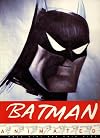
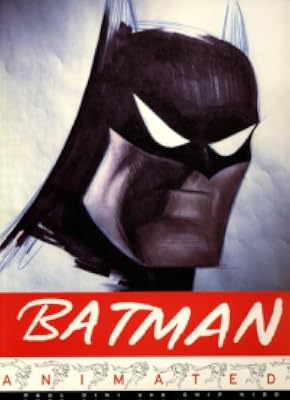
From Emmy Award-winning-producer Paul Dini and acclaimed designer Chip Kidd comes Batman Animated, the behind-the-scenes story of the hit show that revolutionized television animation and brought a stunning new look to the legendary Caped Crusader. Since its premiere in September 1992, Batman: The Animated Series has been acclaimed by enthusiastic viewers and longtime fans of the Batman character as the defining image of the Dark Knight onscreen. Now readers are offered an inside look into show more the creation of the series. Granted unprecedented access to the archives of the Warner Bros. Animation Studio, Chip Kidd has combined breathtaking photographs by Award-winning photographer Geoff Spear and fashioned an imaginative layout of never-before-published preproduction and finished artwork that echoes the boldness of producer-designer Bruce Timm's powerful TV show. Paul Dini's text offers entertaining and informative commentary on the series history, development, and continuing production. It includes glimpses into the making of the Batman animated features Mask of the Phantasm and SubZero, and a sneak peek into the future projects. Featuring a detailed episode guide, comments from the series creators and voice actors, and an introduction by Bruce Timm, Batman Animated is a must-have for Batman fans young and old. show lessTags
Recommendations


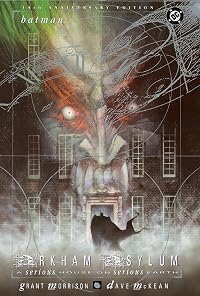
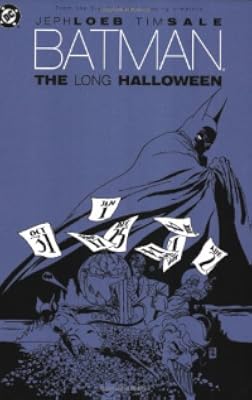
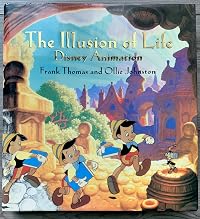
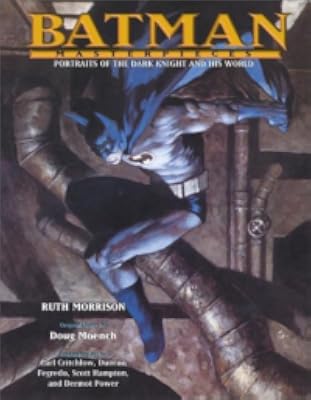
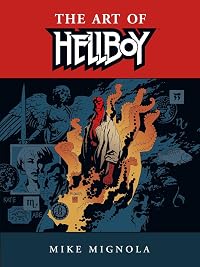
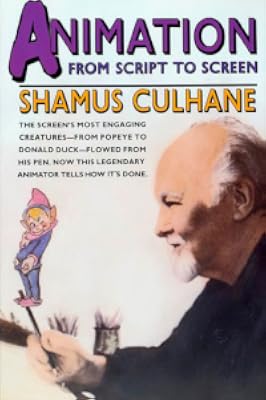









Member Recommendations
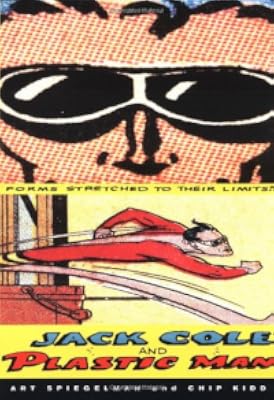
lampbane Chip Kidd has designed two great books that really delve into the subject matter with reverence and style.
Member Reviews
Paul Dini and Chip Kidd’s Batman: Animated examines the history of Batman: The Animated Series from pre-production through its transition to The New Batman Adventures on Kids’ WB!, including production artwork, interviews with the producers, animators, and stars, as well as items used in the show’s marketing such as toys and games.
Discussing censorship, Dini writes, “Some of Batman’s greatest conflicts have not been with the Joker or the Riddler, but against a much more excruciating adversary: the censor. Broadcast Standards and Practices (BS&P), ever vigilant to shield America’s youth from objectionable program content, closely oversees every script, storyboard, and rough cut, ordering the omission of action and dialogue show more they feel is too intense for the kiddies… In all fairness, the BS&P restrictions on Batman, both at Fox and at the Kids’ WB!, have been much more lenient than at any other network. One of the unsung heroes of the series was Avery Coburn, Fox’s BS&P liaison. We were getting into new territory with this show, and Avery understood exactly what we were going for. She changed the rules for daytime animated series, which were long due for an overhaul” (pg. 34). Dini and Kidd include examples of notes the production staff received from BS&P, including forbidden words like “scumbag,” the worry that Batman saying “Oh my god” would offend religious households (even if it made sense in context), the removal of any mention of excrement, no characters striking each other in the head/face, and concern over the portrayal of mental illness (pg. 34).
Turning to the introduction of Robin, Dini writes, “The Fox Network, on the assumption that kids won’t watch a kid’s show unless kids are in it, soon began insisting that Robin be prominently featured in every episode. When Fox changed the title from Batman: The Animated Series to The Adventures of Batman & Robin, they laid down the law – no story premise was to be considered unless it was either a Robin story or one in which the Boy Wonder played a key role. Out were underworld character studies like ‘It’s Never Too Late’; in where traditional Batman and Robin escapades like ‘The Lion and the Unicorn.’ A potentially intriguing Catwoman/Black Canary team-up was interrupted in midpitch to the network by their demand, ‘Where’s Robin?’ When the writers asked if they could omit Robin from just this one episode, Fox obliged by omitting the entire story” (pg. 53). In terms of changes when the series shifted to the WB network and retooled characters as part of The New Batman Adventures, Dini writes, “The producers had always preferred the idea of a younger Robin, and as the WB! had fewer problems than Fox with putting a youngster in jeopardy, we decided to bring in young Tim Drake from the current Batman comics as our new Robin” (pg. 124).
Of most interest to fans are the character studies, displaying the evolution of character designs, and the production artwork, including storyboards and background images. For each of these, Dini explains the process that accompanied the design from idea to final, filmed image, including the unique coloring process that gave the animated Batman’s Gotham its dark and heavy feel. Both Batman fans and film scholars will find this a useful volume for study. show less
Discussing censorship, Dini writes, “Some of Batman’s greatest conflicts have not been with the Joker or the Riddler, but against a much more excruciating adversary: the censor. Broadcast Standards and Practices (BS&P), ever vigilant to shield America’s youth from objectionable program content, closely oversees every script, storyboard, and rough cut, ordering the omission of action and dialogue show more they feel is too intense for the kiddies… In all fairness, the BS&P restrictions on Batman, both at Fox and at the Kids’ WB!, have been much more lenient than at any other network. One of the unsung heroes of the series was Avery Coburn, Fox’s BS&P liaison. We were getting into new territory with this show, and Avery understood exactly what we were going for. She changed the rules for daytime animated series, which were long due for an overhaul” (pg. 34). Dini and Kidd include examples of notes the production staff received from BS&P, including forbidden words like “scumbag,” the worry that Batman saying “Oh my god” would offend religious households (even if it made sense in context), the removal of any mention of excrement, no characters striking each other in the head/face, and concern over the portrayal of mental illness (pg. 34).
Turning to the introduction of Robin, Dini writes, “The Fox Network, on the assumption that kids won’t watch a kid’s show unless kids are in it, soon began insisting that Robin be prominently featured in every episode. When Fox changed the title from Batman: The Animated Series to The Adventures of Batman & Robin, they laid down the law – no story premise was to be considered unless it was either a Robin story or one in which the Boy Wonder played a key role. Out were underworld character studies like ‘It’s Never Too Late’; in where traditional Batman and Robin escapades like ‘The Lion and the Unicorn.’ A potentially intriguing Catwoman/Black Canary team-up was interrupted in midpitch to the network by their demand, ‘Where’s Robin?’ When the writers asked if they could omit Robin from just this one episode, Fox obliged by omitting the entire story” (pg. 53). In terms of changes when the series shifted to the WB network and retooled characters as part of The New Batman Adventures, Dini writes, “The producers had always preferred the idea of a younger Robin, and as the WB! had fewer problems than Fox with putting a youngster in jeopardy, we decided to bring in young Tim Drake from the current Batman comics as our new Robin” (pg. 124).
Of most interest to fans are the character studies, displaying the evolution of character designs, and the production artwork, including storyboards and background images. For each of these, Dini explains the process that accompanied the design from idea to final, filmed image, including the unique coloring process that gave the animated Batman’s Gotham its dark and heavy feel. Both Batman fans and film scholars will find this a useful volume for study. show less
A great look at one of the greatest cartoons of all-time, and possibly one of the best shows of all-time. I'm not kidding. A really informative, colorful, and behind the scenes book of one of the greatest entries into the Batman history.
Ratings
Members
- Recently Added By
Author Information


Chip Kidd has designed book jackets for Alfred A. Knopf for over a decade. His work has been featured in "Vanity Fair", "Print", "Entertainment Weekly", "The New Republic", "Time", "The New York Times", "Graphis", "New York", and "ID" magazine. He lives in New York City. (Publisher Provided) Chip Kidd was born in 1964. He is an author, editor and show more graphic designer. He has become known for his book covers. He is the associate art director at Knopf, an imprint of Random House. He first joined the Knopf design team in 1986, when he was hired as a junior assistant. Turning out jacket designs at an average of 75 a year. Kidd also supervises graphic novels at Pantheon, and in 2003 he collaborated with Art Spiegelman on a biography of cartoonist Jack Cole, Jack Cole and Plastic Man: Forms Stretched to Their Limits. His design for Michael Crichton's Jurassic Park novel was carried over into marketing for the film adaptation. Oliver Sacks and other authors have contract clauses stating that Kidd design their books. Publishers Weekly described his book jackets as "creepy, striking, sly, smart, unpredictable covers that make readers appreciate books as objects of art as well as literature." USA Today also called him "the closest thing to a rock star" in graphic design today, while author James Ellroy has called him the world's greatest book-jacket designer. Kidd is as a fan of comic book media, particularly Batman, and has written and designed book covers for several DC Comics publications, including The Complete History of Batman, Superman, and Wonder Woman, The Golden Age of DC Comics: 365 Days, and Jack Cole and Plastic Man. He also designed Mythology: The DC Comics Art of Alex Ross and wrote an exclusive Batman/Superman story illustrated by Ross for the book. In 2014 his title, Go: A Kidd's Guide to Graphic Design, made The New York Times Best Seller List. (Bowker Author Biography) show less
Awards and Honors
Awards
Series

Common Knowledge
- People/Characters
- Batman (Bruce Wayne); Robin (Dick Grayson | Nightwing); Batgirl (Barbara Gordon); Bruce Wayne/Batman
- Important places
- Gotham City, New Jersey, USA
- Related movies
- Batman (1992 | IMDb); The New Batman Adventures (1997 | IMDb); Batman Beyond (1999 | IMDb)
Classifications
- Genres
- Nonfiction, Graphic Novels & Comics
- DDC/MDS
- 791.4572 — Arts & recreation Recreation, sports, and performing arts Public performances Motion pictures, radio, television, podcasting Television Programs; television plays Single programs
- LCC
- PN1992.77 .B343 .D56 — Language and Literature Literature (General) Literature (General) Drama Broadcasting Television broadcasts
- BISAC
Statistics
- Members
- 239
- Popularity
- 136,129
- Reviews
- 2
- Rating
- (4.53)
- Languages
- English, French, Spanish
- Media
- Paper
- ISBNs
- 6