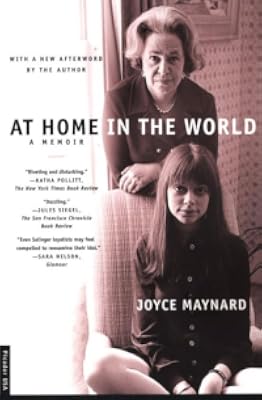
At Home in the World: A Memoir
by Joyce Maynard
On This Page
Description
"New York Times" bestselling author of "Labor Day"With a New Preface When it was first published in 1998, "At Home in the World "set off a furor in the literary world and beyond. Joyce Maynard's memoir broke a silence concerning her relationship--at age eighteen--with J.D. Salinger, the famously reclusive author of "The Catcher in the Rye, " then age fifty-three, who had read a story she wrote for "The New York Times" in her freshman year of college and sent her a letter that changed her show more life. Reviewers called her book "shameless" and "powerful" and its author was simultaneously reviled and cheered. With what some have viewed as shocking honesty, Maynard explores her coming of age in an alcoholic family, her mother's dream to mold her into a writer, her self-imposed exile from the world of her peers when she left Yale to live with Salinger, and her struggle to reclaim her sense of self in the crushing aftermath of his dismissal of her not long after her nineteenth birthday. A quarter of a century later--having become a writer, survived the end of her marriage and the deaths of her parents, and with an eighteen-year-old daughter of her own--Maynard pays a visit to the man who broke her heart. The story she tells--of the girl she was and the woman she became--is at once devastating, inspiring, and triumphant. show lessTags
Recommendations














Member Recommendations
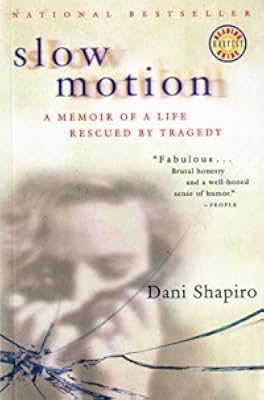
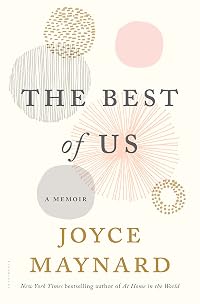
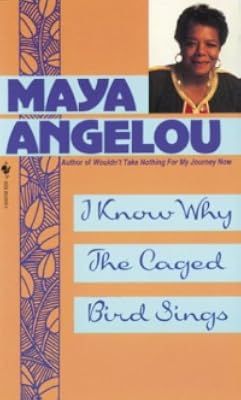
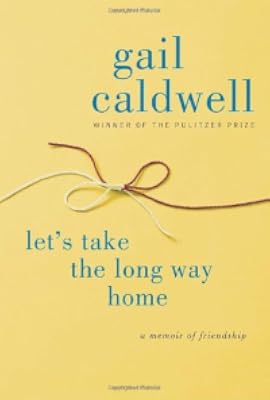
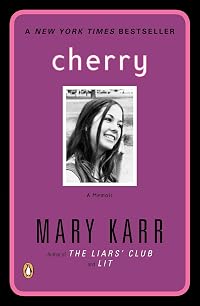
ramblingivy Another memoir of a young woman who fell into a powerful, educative, and perhaps damaging, relationship with an older, flawed, man.
Member Reviews
You could argue that there are two ways look at "At Home in the World." An explicitly political view might have it that Joyce Maynard was, in her youth, the logical result of a restrictive, pointedly per-feminist society. Her father was a frustrated painter and an alcoholic, her mother a Harvard/Radcliffe PhD reduced to housewife status more or less by university fiat and subsequently driven insane by boredom, the obvious waste of her own considerable gifts, and sexual frustration. Both were extremely talented and, in their way, terrible intellectual snobs who expected a great deal from their obviously talented kids. Their family was troubled but isolated, and you can argue that Joyce -- intellectually precocious, sexually timid, and show more enormously lonely, was headed for trouble from day one. It might be sour grapes, but the author presents a pretty good case that any book she would have written about J.D. Salinger would have gotten her in trouble with the publishing industry: there seem to be a lot of people in that industry whose memories of reading "Nine Stories" for the first time left a bigger impression than anything she could do. It's a good thing that I saw the photo of her that accompanied the famous piece she wrote for the Times after I'd read the book rather than before: circa 1971, the author, who suffered from a serious eating disorder, must have had trouble passing for a sixteen-year-old high school student, never mind a freshman at Yale. It's difficult to argue that Jerry Salinger -- who was in his fifties at the time -- just didn't know better.
A less explicitly political take would have it that the events described in "At Home in the World" is just what you can expect from people that crowd multiple, barely considered, life-changing decisions into their late adolescence. The author is published in the Times, moves out to go to college, moves in with Jerry Salinger, and then buys her own place all within a couple of years. She didn't seem prepared for any of it, and she must have felt exhausted afterwards. As other reviewers have mentioned, her more careful, less impulsive sister seems to have had a slightly easier path through life. At times, you feel like yelling "That isn't any way to grow up!" at the author as a young woman, and while you can't, of course, and anyway, she certainly knows that now. I'm only glad that one husband, three houses, a few books, two movies, and innumerable magazine articles later, she seems to be in a better place.
What's left to comment on other than the reason that this one jumped off the shelves in its day: Holden Caulfield himself, Jerry Salinger? In a tale that doesn't lack for talented but unbalanced people, he might come off worst of all, his youthful talent having long ago been reduced to bitterness, silence, and polymorphous crankery. Maynard, who spent just a year with him, never quite gets to the bottom of Salinger, but one senses there may not be too much there by that time anyway: the attentions he paid to a young, smart, female writer just seem to highlight the considerable distance that existed between his even-by-then classic novels and whatever he turned into in his later years. The revelatory sense of self-discovery and youth that so many readers find in Salinger's work must have curdled quickly and definitively, so different is the guarded and cynical middle-aged man that Maynard lived with in the Cornish woods from his own literary inventions. You could almost feel bad for him, if he wasn't a creep in so many other ways. Honestly, it's sometimes difficult to say whether it's Maynard's body or the very fact of her youth and literary promise that interested him more, but neither possibility speaks very well of him. Interestingly enough, Maynard tells us that she hadn't bothered reading Salinger when she began corresponding with him, but, for his readers, the old adage still holds: you shouldn't always meet your heroes. show less
A less explicitly political take would have it that the events described in "At Home in the World" is just what you can expect from people that crowd multiple, barely considered, life-changing decisions into their late adolescence. The author is published in the Times, moves out to go to college, moves in with Jerry Salinger, and then buys her own place all within a couple of years. She didn't seem prepared for any of it, and she must have felt exhausted afterwards. As other reviewers have mentioned, her more careful, less impulsive sister seems to have had a slightly easier path through life. At times, you feel like yelling "That isn't any way to grow up!" at the author as a young woman, and while you can't, of course, and anyway, she certainly knows that now. I'm only glad that one husband, three houses, a few books, two movies, and innumerable magazine articles later, she seems to be in a better place.
What's left to comment on other than the reason that this one jumped off the shelves in its day: Holden Caulfield himself, Jerry Salinger? In a tale that doesn't lack for talented but unbalanced people, he might come off worst of all, his youthful talent having long ago been reduced to bitterness, silence, and polymorphous crankery. Maynard, who spent just a year with him, never quite gets to the bottom of Salinger, but one senses there may not be too much there by that time anyway: the attentions he paid to a young, smart, female writer just seem to highlight the considerable distance that existed between his even-by-then classic novels and whatever he turned into in his later years. The revelatory sense of self-discovery and youth that so many readers find in Salinger's work must have curdled quickly and definitively, so different is the guarded and cynical middle-aged man that Maynard lived with in the Cornish woods from his own literary inventions. You could almost feel bad for him, if he wasn't a creep in so many other ways. Honestly, it's sometimes difficult to say whether it's Maynard's body or the very fact of her youth and literary promise that interested him more, but neither possibility speaks very well of him. Interestingly enough, Maynard tells us that she hadn't bothered reading Salinger when she began corresponding with him, but, for his readers, the old adage still holds: you shouldn't always meet your heroes. show less
This memoir is the story of author Joyce Maynard's life, focusing mostly on her romantic relationship with J.D. Salinger (yes, the one who wrote Catcher in the Rye). The book covers in great detail, leaving out NOTHING, the bizarre romance between Maynard, a 19-year old Yale freshman, and Salinger, a 53-year old recluse. By the end of this book, I felt that I had spent hours reading a very long issue of a grocery tabloid. There are personal details about both authors' lives that might be juicy gossip, but are not at all interesting or inspiring. By the end of this book, I did not like either author. What I found interesting was my own reaction. I have on my 'to read' list books by both authors - Maynard's book, The Usual Rules (a 4.05 show more goodreads rating!) and Salinger's Franny and Zooey. After reading this memoir, I was toying with the idea of getting rid of both books, after all, too many books, not enough time. But, just because I don't agree with how a person lives their life or their values, doesn't mean that they aren't a great writer. We have this perverse fascination with authors, actors, politicians, etc. in the spotlight. We want to know everything about them, when what happens in their personal lives is not necessarily a reflection of their work.
On a positive note, this book was our October bookclub read. Although I disliked the book, the discussion was great and lasted many hours. The book raises many issues - dating someone who is 35 years older, making the same mistakes as our parents, why do authors write, etc. - very interesting topics! show less
On a positive note, this book was our October bookclub read. Although I disliked the book, the discussion was great and lasted many hours. The book raises many issues - dating someone who is 35 years older, making the same mistakes as our parents, why do authors write, etc. - very interesting topics! show less
I have to give this memoir 4 stars because I could hardly put it down once I started it. The fact that the author's life was a train wreck, and that I felt like a voyeur reading it at times, takes nothing away from her ability to achieve what she wanted -- to write a brutally honest book about the impact J. D. Salinger had on her life.
At Home in the World is a brutally honest memoir by Joyce Maynard. She describes her early life with highly accomplished parents; her father was an alcoholic and her mother a housewife. Both wanted to do more with their lives but were regulated to less than fufilling roles. Her older sister, Rona, was a bit distant and cold but was able to get on with her life.
Then, at 18 while as a Freshman at Yale, Maynard wrote an article for the New York Times Magazine regarding her generation that caught the attention of reclusive writer, J.D. Salinger. After nearly a year, Salinger cruelly pushes her aside leaving Maynard sort of spiraling. Eventually, she is able to get married and have children and get her literary career on track.
I know many of show more the complaints here on Goodreads was that Maynard spent too much time on her relationship with Salinger even though it was for such a duration of her life. Granted, that is true but it was such a pivotal and influential relationship that it trickled into her life thereafter.
Maynard became a bit obsessive and she showed that obsession. Almost everything in her life came back to that relationship with Salinger. I felt bad for her. She is able to get out of its grip but it took a lot of time and a lot of confidence and determination to do so. I liked that Maynard showed the good and bad parts of her personality. I liked that balance. She admitted to her selective storytelling; it was not a lie but not the whole truth.
I felt bad that her marriage ended but she did have three children whom seem to be very mature and understanding. I had seen the documentary Salinger and read the book of the same name and while, I still feel bad for Salinger himself, he did seem exploitative of Maynard and the other girls he began corresponding with. Salinger knew who he was and what power he had. show less
Then, at 18 while as a Freshman at Yale, Maynard wrote an article for the New York Times Magazine regarding her generation that caught the attention of reclusive writer, J.D. Salinger. After nearly a year, Salinger cruelly pushes her aside leaving Maynard sort of spiraling. Eventually, she is able to get married and have children and get her literary career on track.
I know many of show more the complaints here on Goodreads was that Maynard spent too much time on her relationship with Salinger even though it was for such a duration of her life. Granted, that is true but it was such a pivotal and influential relationship that it trickled into her life thereafter.
Maynard became a bit obsessive and she showed that obsession. Almost everything in her life came back to that relationship with Salinger. I felt bad for her. She is able to get out of its grip but it took a lot of time and a lot of confidence and determination to do so. I liked that Maynard showed the good and bad parts of her personality. I liked that balance. She admitted to her selective storytelling; it was not a lie but not the whole truth.
I felt bad that her marriage ended but she did have three children whom seem to be very mature and understanding. I had seen the documentary Salinger and read the book of the same name and while, I still feel bad for Salinger himself, he did seem exploitative of Maynard and the other girls he began corresponding with. Salinger knew who he was and what power he had. show less
At Home in the World is Joyce Maynard's memoir - a memoir written in her 40s. The driving force of this memoir seems to be to expose her brief affair with JD Salinger in 1972 when she was just 18. This might seem like a strange and obscure thing to focus on for a memoir. When I look back at my various relationships till my first solid one at 26, I do not feel the need to write a memoir. This memoir appears to have been written simply because it was JD Salinger, and not some other guy.
I experienced very ambivalent feelings about this book. I enjoyed reading it, but I was frequently annoyed by the author for her claims at exposing herself, yet leaving me with a very strong feeling that she was being, at times, insincere and, at other show more times, melodramatic. I felt as if she did not relate things as they really are but, rather, as she hopes they will be seen, such as removing context from statements made by herself or her children and framing them in a dramatic straightforwardness that gave the speaker the appearance of wisdom, insight or some other kind of special quality. There was a lot of this but very little evidence to suggest its actual fact.
This is a pleasant book to read, but I do not think she is a great writer. I feel like I have gotten to know a soft shell rather than a great portion of the mind of a person. Apparently revealing comments on such things as her bulimia feel artificial next to her statement that this was "her problem with food". When she was young, she seemed to have an obsession with her appearance that required her to include her photograph with her articles and on the cover of her books. Later in life she had a boob job. There is obviously a very troubled vanity here that doesn't understand its root.
But, for all that, I find her quite likeable. I feel as if she wants to be an honest writer but does not know how to do it. She often says (and you can even hear her say this on her website) that she has always acted to please other people, as especially illustrated in her troubling relationship with Salinger.
For a year after she wrote a career "landmark" article in the NYT, she corresponded with Salinger, who may have been more attracted to her youthful and intelligent face in her publicity photos. He lauded her as a great writer, and wrote to her obsessively. Within a short time she was equally obsessed, partly because of the flattery he lavished on her over her writing. They met and started having an affair that lasted a year. It was marred early on by small episodes, on his part, of irritability with her domestic habits - small things, like leaving a mess in the kitchen. Over time, he started criticising her choices in subject matter in her writing and her approach to her career. He wanted someone who thought just like him, and she wasn't it. It's not her fault, and it is unfair to criticise her at all for this choice of direction at 18.
The rest of the book covers her subsequent life, marriage, children, moving, writing, the deaths of her parents, and achievements of her family members, up until the day she decides to visit Salinger again, in prelude to the publication of this book. The visit is a nasty one, showing what a mean man he is, and probably giving some kind of good-riddance ending to her lifelong preoccupation with that memorable year in her life.
For all its faults, this book is a special insight into the person of Salinger and the life of a decent and troubled writer, Maynard. If you don't own a copy, just view this interview with her (provided in a link through her site) which gives a good summary of the contents of her book. show less
I experienced very ambivalent feelings about this book. I enjoyed reading it, but I was frequently annoyed by the author for her claims at exposing herself, yet leaving me with a very strong feeling that she was being, at times, insincere and, at other show more times, melodramatic. I felt as if she did not relate things as they really are but, rather, as she hopes they will be seen, such as removing context from statements made by herself or her children and framing them in a dramatic straightforwardness that gave the speaker the appearance of wisdom, insight or some other kind of special quality. There was a lot of this but very little evidence to suggest its actual fact.
This is a pleasant book to read, but I do not think she is a great writer. I feel like I have gotten to know a soft shell rather than a great portion of the mind of a person. Apparently revealing comments on such things as her bulimia feel artificial next to her statement that this was "her problem with food". When she was young, she seemed to have an obsession with her appearance that required her to include her photograph with her articles and on the cover of her books. Later in life she had a boob job. There is obviously a very troubled vanity here that doesn't understand its root.
But, for all that, I find her quite likeable. I feel as if she wants to be an honest writer but does not know how to do it. She often says (and you can even hear her say this on her website) that she has always acted to please other people, as especially illustrated in her troubling relationship with Salinger.
For a year after she wrote a career "landmark" article in the NYT, she corresponded with Salinger, who may have been more attracted to her youthful and intelligent face in her publicity photos. He lauded her as a great writer, and wrote to her obsessively. Within a short time she was equally obsessed, partly because of the flattery he lavished on her over her writing. They met and started having an affair that lasted a year. It was marred early on by small episodes, on his part, of irritability with her domestic habits - small things, like leaving a mess in the kitchen. Over time, he started criticising her choices in subject matter in her writing and her approach to her career. He wanted someone who thought just like him, and she wasn't it. It's not her fault, and it is unfair to criticise her at all for this choice of direction at 18.
The rest of the book covers her subsequent life, marriage, children, moving, writing, the deaths of her parents, and achievements of her family members, up until the day she decides to visit Salinger again, in prelude to the publication of this book. The visit is a nasty one, showing what a mean man he is, and probably giving some kind of good-riddance ending to her lifelong preoccupation with that memorable year in her life.
For all its faults, this book is a special insight into the person of Salinger and the life of a decent and troubled writer, Maynard. If you don't own a copy, just view this interview with her (provided in a link through her site) which gives a good summary of the contents of her book. show less
In my top five reads of 2007! I remember this book causing controversy when it was released 10 years ago. The true story of how J.D. Salinger encourages 18-year-old Maynard to move in with him, and a year later he tells her to "pack her things," without explanation. I really enjoyed this story. This isn't so much the story of her relationship with Salinger, but her life before, and how her life changed after the relationship ended. Heartwrenching and beautiful. A great read.
Story of brodcaster and journalist Joyce Maynard's relationship with legendary writer JD Salinger, who was 35 years older. I , ihaven't read anything else about Salinger, so can't vouch for the balance of the account. But it seems to be an honest, believeable, in-depth account considering that the author was a teenager at the time. It's beautifully written and most illuminating of such relationships.
Members
- Recently Added By
Lists

Bibliography for How to be a Heroine
148 works; 12 members

Macmillan Publishers
129 works; 3 members
Author Information

32+ Works 5,128 Members
Joyce Maynard was born on November 5, 1953. She first came to national attention in 1973 with the publication of her New York Times cover story An Eighteen-Year-Old Looks Back on Life, which she wrote while a freshman at Yale University. Since then, she has been a reporter and columnist for The New York Times, a syndicated newspaper columnist, and show more a regular contributor to NPR. Her writing have also been published in numerous magazines including O, The Oprah Magazine; Newsweek; The New York Times Magazine; Forbes; Salon; San Francisco Magazine; and USA Weekly. She has written both fiction and nonfiction works including The Usual Rules, The Cloud Chamber, Internal Combustion, After Her, and her memoirs Looking Back and At Home in the World. Maynard's memoirs include details about her relationship with J. D. Salinger when she was 18 years old and attending Yale University. To Die For was adapted into a movie starring Nicole Kidman, Matt Dillon and Joaquin Phoenix and Labor Day was adapted into a movie starring Kate Winslet and Josh Brolin. (Bowker Author Biography) show less
Some Editions
Common Knowledge
- Original publication date
- 1998
- People/Characters
- J. D. Salinger; Margaret Salinger; Matthew Salinger; Claire Douglas; Joyce Maynard
- Important places
- Durham, New Hampshire, USA; Cornish, New Hampshire, USA; New York, New York, USA
Classifications
Statistics
- Members
- 455
- Popularity
- 66,883
- Reviews
- 12
- Rating
- (3.59)
- Languages
- 6 — Dutch, English, French, German, Portuguese, Spanish
- Media
- Paper, Audiobook, Ebook
- ISBNs
- 23
- ASINs
- 4