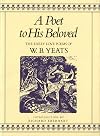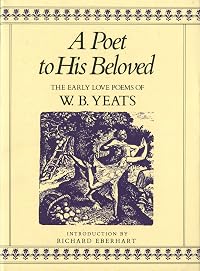
A Poet to His Beloved: The Early Love Poems of William Butler Yeats
by William Butler Yeats 
On This Page
Description
A collection of forty-one early love poems by William Butler Yeates.Tags
Recommendations












Member Recommendations
Member Reviews
Back to the Nobel Prize winners and my quest to better appreciate poetry with this little volume of poems written prior to1910. At 23 he fell in love with an Irish nationalist, Maud Gonne. She refused to marry him but still became the object of these poems. Here's one for you:
O Do Not Love Too Long
Sweetheart, do not love too long:
I loved long and long,
And grew to be out of fashion
Like an old song.
All through the years of our youth
Neither could have known
Their own thought from the other's
We were so much at one.
But O, in a minute she changed--
O do not love too long,
Or you will grow out of fashion
Like an old song.
O Do Not Love Too Long
Sweetheart, do not love too long:
I loved long and long,
And grew to be out of fashion
Like an old song.
All through the years of our youth
Neither could have known
Their own thought from the other's
We were so much at one.
But O, in a minute she changed--
O do not love too long,
Or you will grow out of fashion
Like an old song.
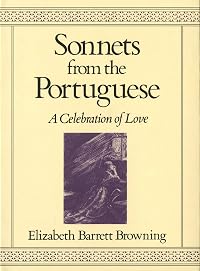
This little book from St. Martin’s Press has a wonderful form factor and is from the series that included Browning’s “Sonnets from the Portuguese”. “A Poet to His Beloved” contains 41 selections from Yeats that concentrate on his early years and love poetry.
As Yeats had his share of heartbreak with love and rejection from Maud Gonne, a full spectrum is represented:
- The magical place that is true love in “The Indian to His Love”
- Adulation in “He Gives His Beloved Certain Rhymes” and “The Cap and Bells”
- The perceived uniqueness of a powerful love in “The Ragged Wood”, with its last line “No one has ever loved but you and I.”
- Impatience leading to ruin in “Down by the Sulley Gardens”
- The love that show more slipped away as illusory in “The Song of Wandering Aengus”
- Wanting another chance in “The Lover Tells of the Rose in His Heart”
- The acceptance of love lost in “Ephemera” and “Into the Twilight”
- Forgetting one’s troubles, brooding, and loneliness in “Who Goes With Fergus?”
- Never being able to forget in “The Lover Mourns for the Loss of Love”
- A plea to remembering fondly the one that loved you best in “When You Are Old”, and a promise to always find her beautiful despite aging in “The Lover Pleads with His Friend for Old Friends”.
This poetry is apparently thought to be less refined by critics, but for my part, the words rang true, brought emotion to the surface, and reminded me of the commonality of feelings in lovers from time immemorial – all signs of great art.
Favorites (other than “When You Are Old”, which I extracted elsewhere):
Who Goes With Fergus?
Who will go drive with Fergus now,
And pierce the deep wood’s woven shade,
And dance upon the level shore?
Young man, lift up your russet brow,
And lift your tender eyelids, maid,
And brood on hopes and fear no more.
And no more turn aside and brood
Upon love’s bitter mystery;
For Fergus rules the brazen cars,
And rules the shadows of the wood,
And the white breast of the dim sea
And all the dishevelled wandering stars.
He Wishes for the Cloths of Heaven
Had I the heavens’ embroidered cloths,
Enwrought with golden and silver light,
The blue and the dim and the dark cloths
Of night and light and the half-light,
I would spread the cloths under your feet:
But I, being poor, have only my dreams;
I have spread my dreams under your feet;
Tread softly because you tread on my dreams. show less
As Yeats had his share of heartbreak with love and rejection from Maud Gonne, a full spectrum is represented:
- The magical place that is true love in “The Indian to His Love”
- Adulation in “He Gives His Beloved Certain Rhymes” and “The Cap and Bells”
- The perceived uniqueness of a powerful love in “The Ragged Wood”, with its last line “No one has ever loved but you and I.”
- Impatience leading to ruin in “Down by the Sulley Gardens”
- The love that show more slipped away as illusory in “The Song of Wandering Aengus”
- Wanting another chance in “The Lover Tells of the Rose in His Heart”
- The acceptance of love lost in “Ephemera” and “Into the Twilight”
- Forgetting one’s troubles, brooding, and loneliness in “Who Goes With Fergus?”
- Never being able to forget in “The Lover Mourns for the Loss of Love”
- A plea to remembering fondly the one that loved you best in “When You Are Old”, and a promise to always find her beautiful despite aging in “The Lover Pleads with His Friend for Old Friends”.
This poetry is apparently thought to be less refined by critics, but for my part, the words rang true, brought emotion to the surface, and reminded me of the commonality of feelings in lovers from time immemorial – all signs of great art.
Favorites (other than “When You Are Old”, which I extracted elsewhere):
Who Goes With Fergus?
Who will go drive with Fergus now,
And pierce the deep wood’s woven shade,
And dance upon the level shore?
Young man, lift up your russet brow,
And lift your tender eyelids, maid,
And brood on hopes and fear no more.
And no more turn aside and brood
Upon love’s bitter mystery;
For Fergus rules the brazen cars,
And rules the shadows of the wood,
And the white breast of the dim sea
And all the dishevelled wandering stars.
He Wishes for the Cloths of Heaven
Had I the heavens’ embroidered cloths,
Enwrought with golden and silver light,
The blue and the dim and the dark cloths
Of night and light and the half-light,
I would spread the cloths under your feet:
But I, being poor, have only my dreams;
I have spread my dreams under your feet;
Tread softly because you tread on my dreams. show less
I purchased this slim little hardcover volume as a romantic gift on St. Valentine's day. Its attractive Victorian styled jacket, and artificially yellowed pages, along with the eye-catching, if poorly reproduced, artwork scattered throughout, seemed just the thing to set my love's literary heart on fire. I should, perhaps, have read the very brief introduction prior to purchase.
Yeats seems to have had a rather severe case of youthful angst, being rejected by Maud Gonne, a local beauty, it would seem. The poetry, pretty much all 41 poems, while beautiful, lyrical and emotionally-charged, is that of a young man of unrequited passions. If you are looking for the bittersweet emotions of love, the sorrows of love never gained, the pleading show more heart that doesn't know if love is heaven or hell and the poet who wishes his lover dead or in his arms, you have the right book at hand. While this is a fine example of romantic poetry, if you're looking to cheer up your own lover, you may want to steer clear of this book and get flowers or chocolate instead.
That said, it's a very pretty little book and if you're feeling unlucky at love, this may resonate with the inner turmoil roiling in your soul. show less
Yeats seems to have had a rather severe case of youthful angst, being rejected by Maud Gonne, a local beauty, it would seem. The poetry, pretty much all 41 poems, while beautiful, lyrical and emotionally-charged, is that of a young man of unrequited passions. If you are looking for the bittersweet emotions of love, the sorrows of love never gained, the pleading show more heart that doesn't know if love is heaven or hell and the poet who wishes his lover dead or in his arms, you have the right book at hand. While this is a fine example of romantic poetry, if you're looking to cheer up your own lover, you may want to steer clear of this book and get flowers or chocolate instead.
That said, it's a very pretty little book and if you're feeling unlucky at love, this may resonate with the inner turmoil roiling in your soul. show less
A lovely edition. Would make a wonderful gift for a lover (even though my mom gave it to me).
Collection of love poetry with introduction by Richard Eberhart
must read again to write a review.
Ratings
Members
- Recently Added By
Author Information

829+ Works 25,307 Members
William Butler Yeats was born in Dublin, Ireland on June 13, 1865. He was a driving force behind the Irish Literary Revival and, along with Lady Gregory, Edward Martyn, and others, founded the Abbey Theatre, where he served as its chief playwright until the movement was joined by John Synge. Yeats' plays included The Countess Cathleen, The Land of show more Heart's Desire, Cathleen ni Houlihan, The King's Threshold, and Deirdre. Although a convinced patriot, Yeats deplored the hatred and the bigotry of the Nationalist movement, and his poetry is full of moving protests against it. He was appointed to the Irish Senate in 1922. He was awarded the Nobel Prize in Literature in 1923 for what the Nobel Committee described as "inspired poetry, which in a highly artistic form gives expression to the spirit of a whole nation." He is one of the few writers who completed their greatest works after being awarded the Nobel Prize. His poetry collections include The Wild Swans at Coole, Michael Robartes and the Dancer, The Tower, The Winding Stair and Other Poems, and Last Poems and Plays. He died on January 28, 1939 at the age of 73. (Bowker Author Biography) show less
William Butler Yeats has a Legacy Library. Legacy libraries are the personal libraries of famous readers, entered by LibraryThing members from the Legacy Libraries group.
All Editions
Classifications
Statistics
- Members
- 236
- Popularity
- 137,410
- Reviews
- 6
- Rating
- (4.22)
- Languages
- English
- Media
- Paper
- ISBNs
- 1
- ASINs
- 2