On This Page
Description
It's 1814, and Napoleon is hard-pressed to defend France from a combination of Russia, Prussia, Austria, and Britain. Nor is he the only one in a quandary. Matthew Hervey, a young British cornet, is in a rather unusual situation. As far as he knows, it's highly irregular to be arrested on a battlefield after a successful action. Still, it's hardly the first time politics has interrupted war, and as Hervey's career progresses, he increasingly balances both, sometimes more successfully than show more others! show lessTags
Recommendations
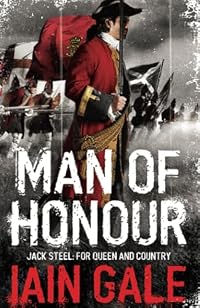
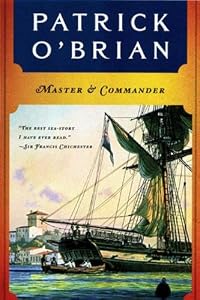
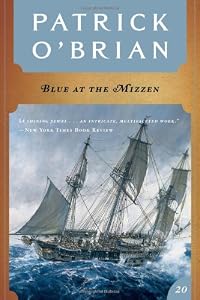
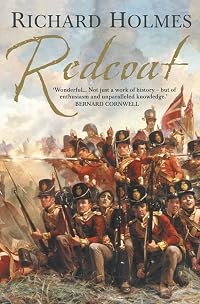
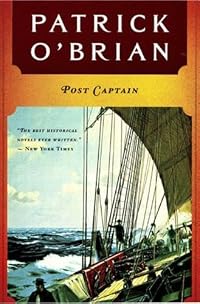
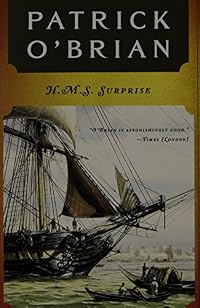
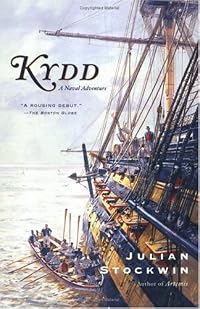
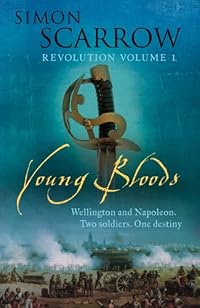
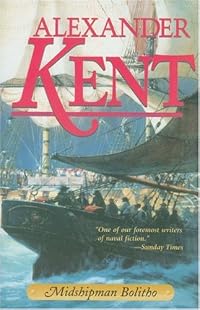
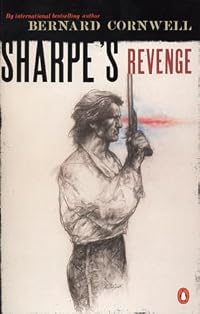
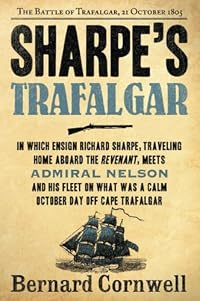
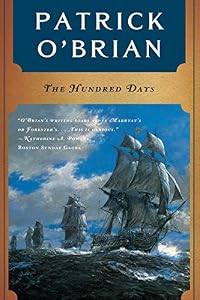
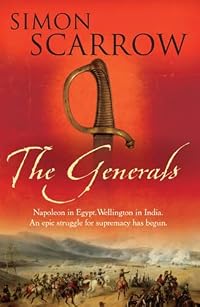
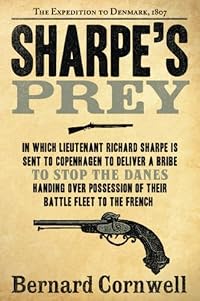
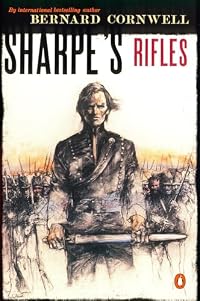
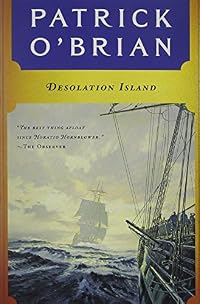
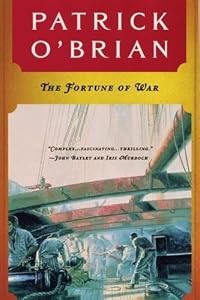
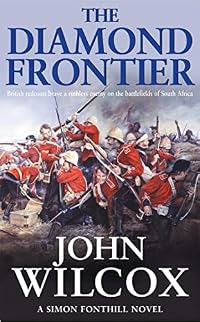
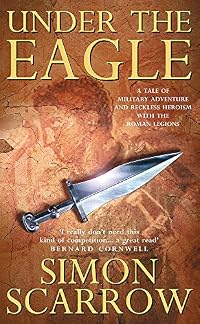
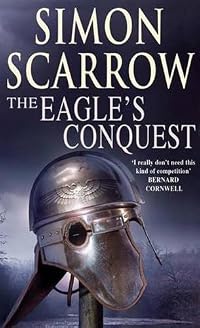
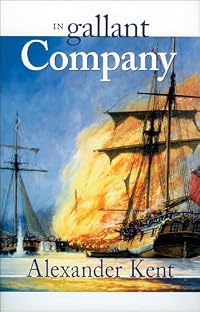
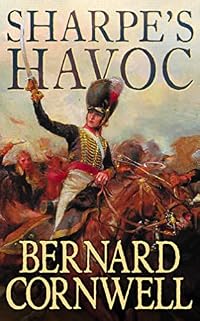
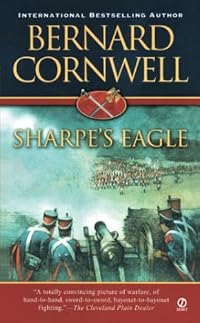
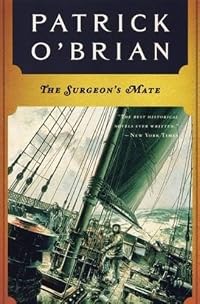
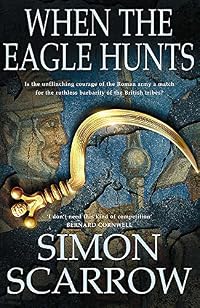
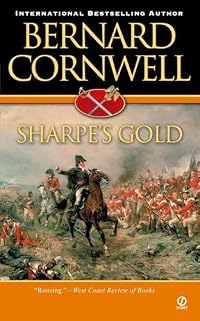
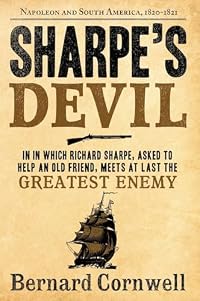
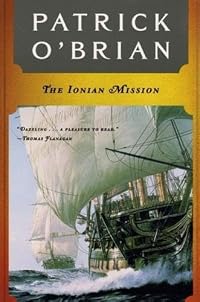
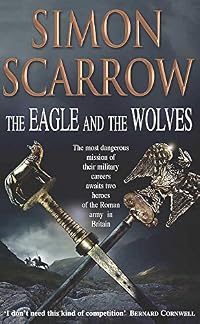
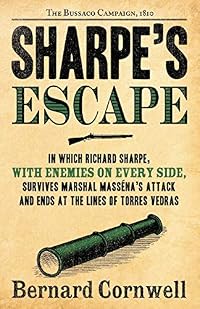
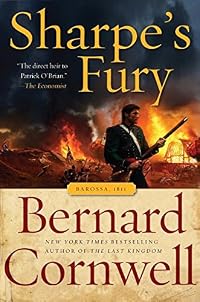
Member Recommendations
octothorp A key relationship in 'A Close Run Thing' by Allan Mallinson turns upon a shared reading of Austen's 'Pride and Prejudice.'
Member Reviews
Allan Mallinson is definitely a gifted writer and a kindred spirit to Patrick O’Brian. Whereas his ability to bring to the fore the machinations of British society and the subtle nuances of horsemanship are exhaustive, there is an aloofness in his recounting of the battle Waterloo that is disconcerting. While I enjoyed Mr. Mallinson’s “A Close Run Thing,” I didn’t feel as much empathy for his characters as I have in other military and historical fiction. Nonetheless, as with Mr. O’Brian, I am willing to try another one of his novels to see how his characters and writing style develops.
https://nwhyte.livejournal.com/3296662.html
One of the 28th is a standalone novel, whereas A Close Run Thing, published in in 1999, is the first in a series of thirteen (so far) chronicling the adventures of Matthew Hervey, the latest of which came out last year. I would be astonished if Mallinson had not read Henty before starting to write. There are some clear similarities between the books - both the protagonists are from middle-class family backgrounds (Hervey's father is a vicar, so is Ralph's prospective father-in-law), struggling to rise in the officer caste of the army; both protagonists fall in love and get married at the end of the book (sorry for spoilers); both novels feature questions of inheritance; and in both, the show more protagonist and his comrades are sent to Ireland - indeed, both to Cork - to keep order during the interval between Napoleon's exile to Elba and the Hundred Days.
But the take of the two books on Ireland is very different. By superior intellect and judgement, Ralph Conway of the 28th manages to capture a Galway ruffian and liberate the locals from the tyranny of untaxed liquor distillation, er, well. Hervey on the other hand gets into trouble for defending the local peasants against eviction, having got himself sensitised to the Irish situation by reading Maria Edgeworth. I don't find either scenario particularly believable, but I do find it interesting that both authors felt they needed to invoke Ireland in some detail to set the scene for the later phases.
A Close Run Thing is more consciously a Bildungsroman (in fairness, Henty's characters are so two-dimensional that it is unfair to expect character development from them). Hervey is constantly getting into trouble, mainly for doing the right thing and therefore annoying the wrong superior officers, and a lot of the book involves those disentanglements as well as developing his relationship with his girlfriend. (There's also a surprising amount of theology.) Mallinson here is following in the footsteps of Cornwell/Sharpe and O'Brien/Maturin.
When it comes to the actual Battle of Waterloo, both have pretty detailed accounts of the fighting, drawn from the usual sources. Mallinson goes into it in more depth, but wears it a bit better because he has been giving us military detail all through the book (especially about horses). He also puts Hervey, who conveniently speaks German, into a crucial role in liaison between the Prussians and Wellington. Henty's detailed account of the battle is a jarring deviation from the tight-third of most of the book, especially since Ralph himself is more at the worm's eye than bird's eye point of view, rather like Stendhal's protagonist in The Charterhouse of Parma.
Hervey gets through unscathed, though dearly beloved comrades are killed in front of him. show less
One of the 28th is a standalone novel, whereas A Close Run Thing, published in in 1999, is the first in a series of thirteen (so far) chronicling the adventures of Matthew Hervey, the latest of which came out last year. I would be astonished if Mallinson had not read Henty before starting to write. There are some clear similarities between the books - both the protagonists are from middle-class family backgrounds (Hervey's father is a vicar, so is Ralph's prospective father-in-law), struggling to rise in the officer caste of the army; both protagonists fall in love and get married at the end of the book (sorry for spoilers); both novels feature questions of inheritance; and in both, the show more protagonist and his comrades are sent to Ireland - indeed, both to Cork - to keep order during the interval between Napoleon's exile to Elba and the Hundred Days.
But the take of the two books on Ireland is very different. By superior intellect and judgement, Ralph Conway of the 28th manages to capture a Galway ruffian and liberate the locals from the tyranny of untaxed liquor distillation, er, well. Hervey on the other hand gets into trouble for defending the local peasants against eviction, having got himself sensitised to the Irish situation by reading Maria Edgeworth. I don't find either scenario particularly believable, but I do find it interesting that both authors felt they needed to invoke Ireland in some detail to set the scene for the later phases.
A Close Run Thing is more consciously a Bildungsroman (in fairness, Henty's characters are so two-dimensional that it is unfair to expect character development from them). Hervey is constantly getting into trouble, mainly for doing the right thing and therefore annoying the wrong superior officers, and a lot of the book involves those disentanglements as well as developing his relationship with his girlfriend. (There's also a surprising amount of theology.) Mallinson here is following in the footsteps of Cornwell/Sharpe and O'Brien/Maturin.
When it comes to the actual Battle of Waterloo, both have pretty detailed accounts of the fighting, drawn from the usual sources. Mallinson goes into it in more depth, but wears it a bit better because he has been giving us military detail all through the book (especially about horses). He also puts Hervey, who conveniently speaks German, into a crucial role in liaison between the Prussians and Wellington. Henty's detailed account of the battle is a jarring deviation from the tight-third of most of the book, especially since Ralph himself is more at the worm's eye than bird's eye point of view, rather like Stendhal's protagonist in The Charterhouse of Parma.
Hervey gets through unscathed, though dearly beloved comrades are killed in front of him. show less
This Peninsula War historical is billed as 'Introducing Matthew Hervey of the Light Dragoons' and was recommended to me as a horseman's Sharpe. Unfortunately, the best I can say for it is that it's well researched, and it has helped me clarify some of the things I like about Patrick O'Brian's writing.
It is very well researched though - credit where it's due.
Rather than focussing on a single battle or other action, this book covers the period from April 1814 to the aftermath of the Battle of Waterloo, as we follow Matthew - an impoverished junior officer - from Spain, to England, Ireland, France, back to England, and finally back to France.
The tone is flat, the language uninspiring, and the tell-don't-show action moves along at such a show more clip there's hardly time to get to know, let alone care about, anyone but Matthew Hervey, and even he never quite feels fully rounded.
I don't regret the time spent reading it, but I don't care enough to hunt down the rest of the series, so this is one for the BookMooch pile, I'm afraid. show less
It is very well researched though - credit where it's due.
Rather than focussing on a single battle or other action, this book covers the period from April 1814 to the aftermath of the Battle of Waterloo, as we follow Matthew - an impoverished junior officer - from Spain, to England, Ireland, France, back to England, and finally back to France.
The tone is flat, the language uninspiring, and the tell-don't-show action moves along at such a show more clip there's hardly time to get to know, let alone care about, anyone but Matthew Hervey, and even he never quite feels fully rounded.
I don't regret the time spent reading it, but I don't care enough to hunt down the rest of the series, so this is one for the BookMooch pile, I'm afraid. show less
This book was highly recommended to me by various military historians, as in 'you HAVE TO read the Alan Mallinson books'. So I gave it a crack.
Obviously military historical fiction is not for me. Firstly, it suffers from some of the problems that plague a lot of genre fiction - the characters are very one-dimensional. The lead character is of course good, extremely moral, extremely intelligent (speaks French and German as well as English, and of course gets to use it to good effect), the best rider, the best swordsman, and always in the right place at the right time.
Then there is the way the writer feels the need to shoe-horn his research into the narrative. When you have characters asking 'So, I haven't seen that type of show more bridle/sword/thingame before' ' Well, funny you should ask, let me tell you all about it for a few paragraphs' it gets grating very quickly. We know you are a clever man and diligent researcher Brigadier Mallinson, you don't have to wear your research quite so heavily.
All that said, this is not necessarily a bad book. I am sure that it appeals to those who enjoy the genre of military historical fiction. It just doesn't appeal to this reader. show less
Obviously military historical fiction is not for me. Firstly, it suffers from some of the problems that plague a lot of genre fiction - the characters are very one-dimensional. The lead character is of course good, extremely moral, extremely intelligent (speaks French and German as well as English, and of course gets to use it to good effect), the best rider, the best swordsman, and always in the right place at the right time.
Then there is the way the writer feels the need to shoe-horn his research into the narrative. When you have characters asking 'So, I haven't seen that type of show more bridle/sword/thingame before' ' Well, funny you should ask, let me tell you all about it for a few paragraphs' it gets grating very quickly. We know you are a clever man and diligent researcher Brigadier Mallinson, you don't have to wear your research quite so heavily.
All that said, this is not necessarily a bad book. I am sure that it appeals to those who enjoy the genre of military historical fiction. It just doesn't appeal to this reader. show less
My first Mallinson book and the title coming from Wellington's phrase. Mallinson here depicts Waterloo from the viewpoint of the Cavalry Officer. I prefer the Infrantry myself being accustomed to Sharpe. However, I do see this as readable. There is padding to get through before you reach Waterloo.
Though a competent officer serving with the Sixth Dragoons for 6 years having never gotten promotion suddenly in the course of the end of the main campaign against Napoleon and the resumption during the last battles of the 100 days seems far fetched, Matthew Hervey is a worthy addition to those we look at to explain what happens in this era. We have a few tales that look closely at the British Cavalry, and perhaps signaling out this hero to not only get noticed by Wellington but to do a service far above his rank, and his training seems also out of place.
Surely with the many cavalry charges that day of June 18th, any young officer would have been able to distinguish themselves in the normal course of combat without taking upon show more themselves one of the few things that were necessary to decisive victory.
And then finding issues that most officers would not have involved themselves in during the year of peace also makes it hard to think of Mallinson's Hervey as anything but a magnet for issues that he should have been more of an observer to, than involved in. To also find a the son of a vicar so well received by Thynne on one hand, and Cavendish on the other should signify a long life as a Whig, which perhaps most persons of our time would think of themselves if thrust back to the early 1800s. But would someone so far on the outskirts of the Ton really interact with the highest amongst the Ton?
Mallinson has jumps of logic so that he can write in the name of a few historical figures that most Cornets and Lieutenants would never meet. That detracts from what could be a better story. Further, making the first novel of this series at the end of years of action to give the last third the telling of Waterloo, when perhaps there should have been a half dozen books leading up to it is the true test. Thus only 3.5 instead of a higher rating, We should have known more of Hervey before the telling here. show less
Surely with the many cavalry charges that day of June 18th, any young officer would have been able to distinguish themselves in the normal course of combat without taking upon show more themselves one of the few things that were necessary to decisive victory.
And then finding issues that most officers would not have involved themselves in during the year of peace also makes it hard to think of Mallinson's Hervey as anything but a magnet for issues that he should have been more of an observer to, than involved in. To also find a the son of a vicar so well received by Thynne on one hand, and Cavendish on the other should signify a long life as a Whig, which perhaps most persons of our time would think of themselves if thrust back to the early 1800s. But would someone so far on the outskirts of the Ton really interact with the highest amongst the Ton?
Mallinson has jumps of logic so that he can write in the name of a few historical figures that most Cornets and Lieutenants would never meet. That detracts from what could be a better story. Further, making the first novel of this series at the end of years of action to give the last third the telling of Waterloo, when perhaps there should have been a half dozen books leading up to it is the true test. Thus only 3.5 instead of a higher rating, We should have known more of Hervey before the telling here. show less
Members
- Recently Added By
Lists

SWORDS GUNS BATTLES
30 works; 3 members
Author Information

23 Works 1,858 Members
Allan Mallinson is a brigadier general in the British army and is currently military attache in Rome. (Bowker Author Biography)
Series

Work Relationships
Common Knowledge
- Canonical title
- A Close Run Thing
- Original publication date
- 1999
- People/Characters
- Arthur Wellesley, 1st Duke of Wellington; Napoleon Bonaparte; Matthew Hervey
- Important places
- Waterloo, Walloon Brabant, Belgium
- Important events
- Napoleonic Wars
Classifications
Statistics
- Members
- 314
- Popularity
- 101,028
- Reviews
- 7
- Rating
- (3.29)
- Languages
- English, Spanish
- Media
- Paper, Audiobook, Ebook
- ISBNs
- 16
- ASINs
- 6