On This Page
Description
Set in post-civil war Spain, a young girl flees the home of her cruel step-father into an underground fantasy world where she encounters a strange creature and a terrifying battle between good and evil.Tags
Recommendations


Member Reviews
A novelization... normally, I would shy away from a book like this, but somehow I didn't realize that's what it was until I had started reading it, and by then I was enjoying it so much, I didn't care! I love the film, and this book was very true to the plot of the movie, while also adding backstory that wasn't in the movie, but that adds to the richness of the story itself. This is the perfect kind of story for me: whimsical, fairy tale-like, but with just enough horror to remind you that it's not a children's story.
3.5 out of 5, rounded up to 4
ARC provided by HarperCollins, via Edelweiss
Novelizations of movies can really be a hit or miss affair. The best ones take the events that happen within a film and expand upon them in ways only a novel can do - bringing readers into the thoughts of the characters within a film and showing those same events from a different angle or with extra bits that the film might not have had time to show. Unfortunately, most film novelizations don't do that - they to just be fairly strict prose conversions of the script. So, it's with that mindset that I approached this "novelization" of Guillermo del Toro's award-winning Pan's Labyrinth - I hesitate to call this book a novelization because Pan's Labyrinth came out show more thirteen years ago and most novelizations come out around the same time as the film they're novelizing. With that context, it might be best to consider this book a retelling of the story featuring in the film - a screen-to-page adaptation, if you will, by a talented author - Cornelia Funke. As is always the case with any adaptation, does the story still work when transferred to this new medium? In the case of Pan's Labyrinth: The Labyrinth of the Faun, the answer is yes and no.
Pan's Labyrinth is an R-rated film. Sure, it's a fairy tale, but it's a fairy tale aimed squarely at adults. It's filled with violence and horrific imagery and all manners of things one might not want children and young teens to be exposed to. So, naturally, you'd think any novelization/adaptation of Pan's Labyrinth would be aimed at adults. This doesn't appear to be the case with this book. Amazon classifies this book as a YA-novel, and that sounds about right. The prose is more simplistic than one might find in your normal, run of the mill Adult Fiction novel, but some of the words used in the book are more complex than you'd find in anything simpler than a YA-novel. So, in terms of writing, this is definitely a YA-novel. This opens up a question though - why write an adaptation of a film that was originally targeted towards adults and target it toward a younger demographic?
Pan's Labyrinth: The Labyrinth of the Faun walks this weird tight-rope between being true to the film and softening some of the edges. Nothing in the film is outright censored, but some of the more adult elements aren't really elaborated upon. There is violence in this book, and sometimes it's pretty brutal violence, but it's rarely given the kind of description that would match the horror that came with seeing it on the screen. To me, that feels a bit like a cop-out. I don't like it when stories have their rougher edges sanded down and it makes me want to wonder what the point in adapting this story is if you're gonna have to tweak elements of it to fit a new audience. To be fair to this book, though, not that much is changed in the vast scheme of things. The novel follows the film's plot pretty closely; certain elements are toned down a bit but nothing is really wholly missing. And, the horrific imagery and violence aren't really important to the story, per se, but it does feel just a bit ingenuous to tone them down, especially as the story does involve a literal civil war. Then again, that scene featuring the amputation of a rebel's leg is still in this book, so maybe things weren't really all that toned down. It's just a bit of a discordant mashup of tones for me. It's not book-killing or anything, but it's certainly one of the biggest things I noticed.
While I might question the point in this book existing given my previously mentioned points, it's not that the book is remotely bad. It's very well-written and well-paced and does nearly everything you'd want a novelization/adaptation of a film to do. Readers are taken into the heads of a number of different characters. Certain scenes are expanded upon or told from a new point of view. Funke utilizes the strengths of a prose novel to tell certain parts of the story in a way that a film couldn't really do. And, best of all, there are some interludes scattered throughout that expand upon the Underground Kingdom and elaborate upon how a number of the characters in the "real-world" storyline tie into the events of the "Underground Kingdom" storyline. Those interludes were probably my favorite part as, by nature, they could really feel like a surreal fairy tale and offered something genuinely new to this story that I'm very familiar with.
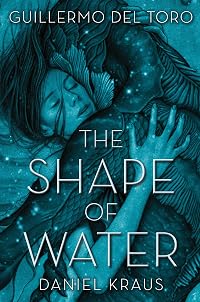
At the end of the day, Pan's Labyrinth: The Labyrinth of the Faun is an enjoyable read. As you read it, you may get confused at just who the book is for - is it for fans of the book? Is it for new readers? If so, is it for teenage readers? Adult readers? Does it even matter? Honestly, probably not. As is, it's nothing particularly special, but it's well-made. It expands upon the film in a number of ways - chiefly in those interludes that feature totally new material not seen in the film. Readers are taken into the minds of various characters, although the insight provided is never really as much as one would like - these insights pale in comparison to another novel adaptation of one of del Toro's films, The Shape of Water (written by Daniel Kraus) - though, I still enjoyed these insights quite a bit. I enjoyed this novel a fair amount; it's a quick read and it's fun to revisit this story from a new point of view. I wouldn't call it essential reading, but if you were ever curious about the film but found yourself frightened by some of the more severe imagery, this is a good way to experience the story. I'd still probably recommend watching the film a bit more than I'd recommend reading this book, but this is a pretty solid adaptation of it. show less
ARC provided by HarperCollins, via Edelweiss
Novelizations of movies can really be a hit or miss affair. The best ones take the events that happen within a film and expand upon them in ways only a novel can do - bringing readers into the thoughts of the characters within a film and showing those same events from a different angle or with extra bits that the film might not have had time to show. Unfortunately, most film novelizations don't do that - they to just be fairly strict prose conversions of the script. So, it's with that mindset that I approached this "novelization" of Guillermo del Toro's award-winning Pan's Labyrinth - I hesitate to call this book a novelization because Pan's Labyrinth came out show more thirteen years ago and most novelizations come out around the same time as the film they're novelizing. With that context, it might be best to consider this book a retelling of the story featuring in the film - a screen-to-page adaptation, if you will, by a talented author - Cornelia Funke. As is always the case with any adaptation, does the story still work when transferred to this new medium? In the case of Pan's Labyrinth: The Labyrinth of the Faun, the answer is yes and no.
Pan's Labyrinth is an R-rated film. Sure, it's a fairy tale, but it's a fairy tale aimed squarely at adults. It's filled with violence and horrific imagery and all manners of things one might not want children and young teens to be exposed to. So, naturally, you'd think any novelization/adaptation of Pan's Labyrinth would be aimed at adults. This doesn't appear to be the case with this book. Amazon classifies this book as a YA-novel, and that sounds about right. The prose is more simplistic than one might find in your normal, run of the mill Adult Fiction novel, but some of the words used in the book are more complex than you'd find in anything simpler than a YA-novel. So, in terms of writing, this is definitely a YA-novel. This opens up a question though - why write an adaptation of a film that was originally targeted towards adults and target it toward a younger demographic?
Pan's Labyrinth: The Labyrinth of the Faun walks this weird tight-rope between being true to the film and softening some of the edges. Nothing in the film is outright censored, but some of the more adult elements aren't really elaborated upon. There is violence in this book, and sometimes it's pretty brutal violence, but it's rarely given the kind of description that would match the horror that came with seeing it on the screen. To me, that feels a bit like a cop-out. I don't like it when stories have their rougher edges sanded down and it makes me want to wonder what the point in adapting this story is if you're gonna have to tweak elements of it to fit a new audience. To be fair to this book, though, not that much is changed in the vast scheme of things. The novel follows the film's plot pretty closely; certain elements are toned down a bit but nothing is really wholly missing. And, the horrific imagery and violence aren't really important to the story, per se, but it does feel just a bit ingenuous to tone them down, especially as the story does involve a literal civil war. Then again, that scene featuring the amputation of a rebel's leg is still in this book, so maybe things weren't really all that toned down. It's just a bit of a discordant mashup of tones for me. It's not book-killing or anything, but it's certainly one of the biggest things I noticed.
While I might question the point in this book existing given my previously mentioned points, it's not that the book is remotely bad. It's very well-written and well-paced and does nearly everything you'd want a novelization/adaptation of a film to do. Readers are taken into the heads of a number of different characters. Certain scenes are expanded upon or told from a new point of view. Funke utilizes the strengths of a prose novel to tell certain parts of the story in a way that a film couldn't really do. And, best of all, there are some interludes scattered throughout that expand upon the Underground Kingdom and elaborate upon how a number of the characters in the "real-world" storyline tie into the events of the "Underground Kingdom" storyline. Those interludes were probably my favorite part as, by nature, they could really feel like a surreal fairy tale and offered something genuinely new to this story that I'm very familiar with.
At the end of the day, Pan's Labyrinth: The Labyrinth of the Faun is an enjoyable read. As you read it, you may get confused at just who the book is for - is it for fans of the book? Is it for new readers? If so, is it for teenage readers? Adult readers? Does it even matter? Honestly, probably not. As is, it's nothing particularly special, but it's well-made. It expands upon the film in a number of ways - chiefly in those interludes that feature totally new material not seen in the film. Readers are taken into the minds of various characters, although the insight provided is never really as much as one would like - these insights pale in comparison to another novel adaptation of one of del Toro's films, The Shape of Water (written by Daniel Kraus) - though, I still enjoyed these insights quite a bit. I enjoyed this novel a fair amount; it's a quick read and it's fun to revisit this story from a new point of view. I wouldn't call it essential reading, but if you were ever curious about the film but found yourself frightened by some of the more severe imagery, this is a good way to experience the story. I'd still probably recommend watching the film a bit more than I'd recommend reading this book, but this is a pretty solid adaptation of it. show less
Li muitos livros que, após a publicação, foram transformados em filmes ou séries. Lendo eles antes ou depois de ver a obra audiovisual, é curioso perceber o quão raro é ver o espírito, a alma da história se manter intacta nas duas mídias. Especialmente porque o que é criado na literatura raramente funciona com imagens.
O Labirinto do Fauno foi criado como filme, como uma obra que se comunica com imagens, sons e diversos outros aspectos que a literatura não possui. Se transformar palavras em algo visual é um desafio enorme, fazer o inverso é quase impossível. Quase porque Del Toro e Funke conseguiram fazer com esse livro de forma brilhante.
A poesia, a crueldade, a beleza, a dor, o fantástico, o pedestre: tudo está aqui. show more Mas não como mera transposição de texto. Há um lirismo que só a literatura permite. Há a narração por diferentes pontos de vista que, através da linguagem escrita, consegue transmitir toda a personalidade do narrador sem nem precisar especificar sob qual ótica estamos acompanhando a história. Há contos que tornam ainda mais mágica e agridoce toda a experiência de acompanhar a jornada de Ofélia e companhia. É tão espetacular que é difícil acreditar que o filme não foi adaptado dele.
Há livros que eu gosto tanto que quero, não, que preciso devorar de maneira voraz no mínimo de tempo possível. No entanto, ha livros que amo tanto que preciso passar mais tempo na leitura, que necessito alongar o máximo possível a companhia daqueles personagens, a minha estadia naquele mundo. O Labirinto do Fauno se tornou um deles logo nas primeiras páginas e só foi confirmando essa posição com o passar do tempo. Se há duvidas que existe magia nas palavras, esse livro é a maior prova de que ela existe, sim, e em grande quantidade.
PS: A edição de capa dura da Intrínseca é um sonho. As ilustrações, a diagramação, até mesmo a diferença de fonte da narrativa da história para a dos contos... ai, olha *chef kiss* show less
O Labirinto do Fauno foi criado como filme, como uma obra que se comunica com imagens, sons e diversos outros aspectos que a literatura não possui. Se transformar palavras em algo visual é um desafio enorme, fazer o inverso é quase impossível. Quase porque Del Toro e Funke conseguiram fazer com esse livro de forma brilhante.
A poesia, a crueldade, a beleza, a dor, o fantástico, o pedestre: tudo está aqui. show more Mas não como mera transposição de texto. Há um lirismo que só a literatura permite. Há a narração por diferentes pontos de vista que, através da linguagem escrita, consegue transmitir toda a personalidade do narrador sem nem precisar especificar sob qual ótica estamos acompanhando a história. Há contos que tornam ainda mais mágica e agridoce toda a experiência de acompanhar a jornada de Ofélia e companhia. É tão espetacular que é difícil acreditar que o filme não foi adaptado dele.
Há livros que eu gosto tanto que quero, não, que preciso devorar de maneira voraz no mínimo de tempo possível. No entanto, ha livros que amo tanto que preciso passar mais tempo na leitura, que necessito alongar o máximo possível a companhia daqueles personagens, a minha estadia naquele mundo. O Labirinto do Fauno se tornou um deles logo nas primeiras páginas e só foi confirmando essa posição com o passar do tempo. Se há duvidas que existe magia nas palavras, esse livro é a maior prova de que ela existe, sim, e em grande quantidade.
PS: A edição de capa dura da Intrínseca é um sonho. As ilustrações, a diagramação, até mesmo a diferença de fonte da narrativa da história para a dos contos... ai, olha *chef kiss* show less
Guillermo del Toro and Cornelia Funke make a dark fantasy dream team in the literary remake of del Toro’s acclaimed Spanish film Pan’s Labyrinth. Set in Spain during World War II, this magnificently spun story weaves through the life of 13-year-old Ofelia, a girl whose only solace from the awful realities of life and war is her collection of fairytales. The reader is thrown into two worlds, Ofelia’s and the Underground Kingdom, an ancient and magical realm that yearns for the return of their lost princess. As the two worlds mix and collide beautifully with the descriptive language of Funke and the magical storytelling of del Toro, it’s easy to find yourself lost in that wonderful way a good book can make you. Don’t be fooled show more by the fairytale illustrations, this is a very dark piece of work and deals with the heaviest of life’s experiences: death and war. However, like most fairytales, this story will balance the dark with light, and the reader will end the story with a deeper understanding of what the true cost of light is during such dark times. show less
Confirmed: the Pale Man is still the spookiest thing in the world.
This was just beautiful. Binged it in a day. I haven't seen the movie for yeaaars, so while this does follow the film pretty dang closely, it made me be happily reminded of shots and scenes that I've got buried in my memory, rather than feeling too repetitive.
That said, there's also plenty of fairy tales and backstory of the Labyrinth, Ofelia, the Faun, so on, packed in there, both as interesting new content and contributing to this story feeling wholly enchanting and dark.
This was just beautiful. Binged it in a day. I haven't seen the movie for yeaaars, so while this does follow the film pretty dang closely, it made me be happily reminded of shots and scenes that I've got buried in my memory, rather than feeling too repetitive.
That said, there's also plenty of fairy tales and backstory of the Labyrinth, Ofelia, the Faun, so on, packed in there, both as interesting new content and contributing to this story feeling wholly enchanting and dark.
We're all familiar with book to movie adaptations (and each have our favourites) however we rarely see the reverse, the movie to book adaptation. Yet that's what we have here.
The 2006 film Pan's Labyrinth was written and directed by Guillermo del Toro and won 3 Academy Awards. Now he's teamed up with bestselling author and illustrator Cornelia Funke (Inkheart trilogy) to produce this dark fantasy novel Pan's Labyrinth - The Labyrinth of the Faun.
Set in 1940s Spain, Ofelia and her pregnant mother are forced to move in with her new husband Vidal, an evil man serving as a Captain in the Spanish Army. Vidal and his soldiers are charged with capturing the rebels in the forest intent on disrupting and undermining the Francoist show more dictatorship.
Ofelia is unhappy in her new surroundings and clings to her books for solace. She is obsessed with fairytales and the story takes off when she sees a real fairy in the forest and is given a set of tasks to do as part of a quest.
This is a dark fairytale for adults that is overflowing with fable, folklore and fairytale, including the following familiar tropes: the evil stepfather, the lost princess, a magical book, an enchanted forest, a quest, magical animals, a maze, good versus evil and more.
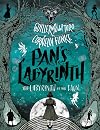
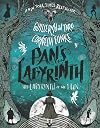
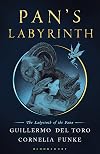
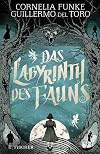
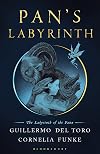
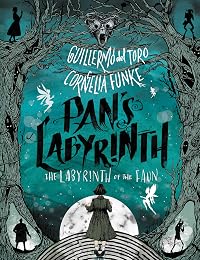
I immediately fell in love with Ofelia and really felt for her plight. My reading experience was further enhanced by the haunting illustrations that brought the magical realism of the story to life. And don't you just love that cover?
There is real violence here, although viewers of the movie and readers of the original Grimms' Fairy Tales won't be surprised. Despite this, Ofelia's bravery and heart shine through and the side stories of witches and curses were well placed and added further layers to the story.
I haven't seen the movie, but after enjoying the novel so much it's definitely going on my list.
Pan's Labyrinth - The Labyrinth of the Faun by Guillermo del Toro and Cornelia Funke is a spellbinding read and highly recommended!
* Copy courtesy of Bloomsbury * show less
The 2006 film Pan's Labyrinth was written and directed by Guillermo del Toro and won 3 Academy Awards. Now he's teamed up with bestselling author and illustrator Cornelia Funke (Inkheart trilogy) to produce this dark fantasy novel Pan's Labyrinth - The Labyrinth of the Faun.
Set in 1940s Spain, Ofelia and her pregnant mother are forced to move in with her new husband Vidal, an evil man serving as a Captain in the Spanish Army. Vidal and his soldiers are charged with capturing the rebels in the forest intent on disrupting and undermining the Francoist show more dictatorship.
Ofelia is unhappy in her new surroundings and clings to her books for solace. She is obsessed with fairytales and the story takes off when she sees a real fairy in the forest and is given a set of tasks to do as part of a quest.
This is a dark fairytale for adults that is overflowing with fable, folklore and fairytale, including the following familiar tropes: the evil stepfather, the lost princess, a magical book, an enchanted forest, a quest, magical animals, a maze, good versus evil and more.
I immediately fell in love with Ofelia and really felt for her plight. My reading experience was further enhanced by the haunting illustrations that brought the magical realism of the story to life. And don't you just love that cover?
There is real violence here, although viewers of the movie and readers of the original Grimms' Fairy Tales won't be surprised. Despite this, Ofelia's bravery and heart shine through and the side stories of witches and curses were well placed and added further layers to the story.
I haven't seen the movie, but after enjoying the novel so much it's definitely going on my list.
Pan's Labyrinth - The Labyrinth of the Faun by Guillermo del Toro and Cornelia Funke is a spellbinding read and highly recommended!
* Copy courtesy of Bloomsbury * show less
My friend got me a beautifully illustrated version of this book and it has been a delight to fall into this story again. I'm sure a ton of us have seen the original movie.
This book is very much that story.
How does it compare? Well.
Is it as freaking DARK as the original fairy tale? Yes. Scarily so. The sense of oppression, desperation, magic, and YA horror is evident from the beginning and culminates in a true tragedy by the end.
Although some people might see the light and happiness in this, I suppose, I barely see any light at all. It is disturbing and relentlessly evil.
Of course, that could just be the fascism. *shiver*
This book is very much that story.
How does it compare? Well.
Is it as freaking DARK as the original fairy tale? Yes. Scarily so. The sense of oppression, desperation, magic, and YA horror is evident from the beginning and culminates in a true tragedy by the end.
Although some people might see the light and happiness in this, I suppose, I barely see any light at all. It is disturbing and relentlessly evil.
Of course, that could just be the fascism. *shiver*
Members
- Recently Added By
Lists

Translingualism
191 works; 4 members

Books Read in 2022
5,166 works; 112 members

TBR of Books I Don't Own
132 works; 1 member
Author Information

86+ Works 20,078 Members
Guillermo del Toro was born October 9, 1964 in Guadalajara Jalisco, Mexico. He is a Mexican director, producer, screen- writer and designer. He studied at the Instituto de Ciencias , University of Guadalajara. He was first exposed to film making when he was 8 years old and studied special effects and make-up with SFX artist Dick Smith. He spent 8 show more years as a special effects make-up designer and formed his own company, Necropia. He also founded the Guadalajara Film festival. Later he formed his own production company, The Tequila Gang. Guillermo del Toro has directed a variety of films from action hero comic book adaptations like Hellboy and Blade II to historical fantasy films. He has stated in interviews that he has a sort of fetish for insects, monsters, and dark places and is in love with monsters. On June 2, 2009 he released his first novel, The Strain, which he co-authored with Chuck Hogan. It is intended to be the first book in a vampire trilogy. in September 2010 he released his book, Fall, which made The New York Times Bestseller list. He made Publisher's Weekly Bestseller List in 2011 with his title The Night Eternal, Book III of the Strain Trilogy. He and Daniel Kraus are the authors of , The Shape of Water (2018). It was made into a feature film and won four Academy Awards, a Golden Globe, and was awarded the Golden Lion for Best Film at the74th Annual Venice International Film Festival. (Bowker Author Biography) show less

191+ Works 73,912 Members
Author Cornelia Maria Funke was born in Dorsten, Germany on December 10, 1958. After graduating from the University of Hamburg, she worked as a social worker for three years. After completing a course in book illustration at the Hamburg State College of Design, she worked as a children's book illustrator and designed board games. Her desire to show more draw magical worlds and her disappointment over the way some stories were written inspired her to write her own children's books. Her book, The Thief Lord, won the Mildred L. Batchelder Award for the best translated children's book of the year and the Book Sense Book of the Year Award. She has also received the Book Sense Children's Literature Award for Inkheart and Inkspell. Funke has written numerous books including Dragon Rider, When Santa Fell to Earth, Igraine The Brave, Reckless, Saving Mississippi, Inkheart, Inkspell, Inkdeath, Igraine the Brave, and The Princess Knight. Inkheart was adapted into a film. Cornelia Funke was voted into the Time magazine's list of the 100 most influential people of 2005. (Bowker Author Biography) show less
Some Editions
Awards and Honors
Awards
Distinctions
Series

Work Relationships
Is an expanded version of
Common Knowledge
- Canonical title
- Pan's Labyrinth: The Labyrinth of the Faun
- Original publication date
- 2019-07-02
- People/Characters
- Ofelia; Faun
- Important places
- Spain
- Important events
- Spanish Civil War
- Dedication
- For Alfonso Fuentes and his men, who saved my house, my trees, my donkeys, my memories, and my notebooks from the Woolsey Fire --C.F.
For K, the solution to all the riddles, the way out of the Labyrinth --G.D.T. - First words
- It is said that long, long ago, there lived a princess in an underground realm, where neither lies nor pain exist, who dreamt of the human world.
- Last words
- (Click to show. Warning: May contain spoilers.)It's always just a few who know where to look and how to listen, that is true. But for the best stories, a few are just enough.
- Blurbers
- Chokshi, Roshani; Grant, Michael
- Disambiguation notice
- This is the novel. Do not combine with the film.
Classifications
Statistics
- Members
- 937
- Popularity
- 28,333
- Reviews
- 25
- Rating
- (4.10)
- Languages
- 7 — Catalan, Dutch, English, French, German, Portuguese, Spanish
- Media
- Paper, Audiobook, Ebook
- ISBNs
- 23
- ASINs
- 7