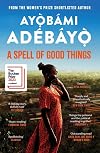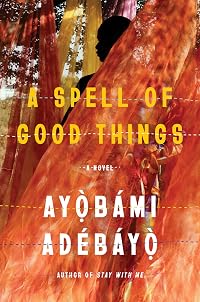
A Spell of Good Things
by Ayọ̀bámi Adébáyọ̀
On This Page
Description
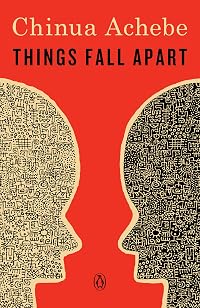
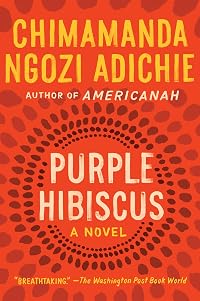
GMA BUZZ PICK â?¢ A dazzling story of modern Nigeria and two families caught in the riptides of wealth, power, romantic obsession, and political corruption from the celebrated author of Stay with Me, "in the lineage of great works by Chinua Achebe and Chimamanda Ngozi Adichie" (The New York Times).Eniola is tall for his age, a boy who looks like a man. Because his father has lost his job, Eniola spends his days running errands for the local tailor, collecting newspapers, begging when he show more must, dreaming of a big future.
Wuraola is a golden girl, the perfect child of a wealthy family. Now an exhausted young doctor in her first year of practice, she is beloved by Kunle, the volatile son of an ascendant politician.
When a local politician takes an interest in Eniola and sudden violence shatters a family party, Wuraola's and Eniolaâ??s lives become intertwined. In her breathtaking second novel, AyọÌ?bámi AdébáyọÌ? shines her light on Nigeria, on the gaping divide between the haves and the have-nots, and the shared humanity show less
Tags
Recommendations





Member Reviews
I finished A Spell of Good Things, which really impressed me. Set in a province in Nigeria, it focusses on two families, one well-to-do, the other struggling just to find food for a family of four. One of the two main characters, Eniola, is the teenaged son of the poor family. His father has lost his job as a teacher because of imposed job cuts—the family now has no income. The other main character is Wuraola, a young doctor on her first exhausting hospital service. Her demanding boyfriend, Kunle, only makes her busy life more impossible. Kunle’s family is close friends with Wuraola’s, and his father is planning a run for governor of the province. And then there is his opponent, a ruthless, Mafia sort of politician, who would show more prefer to run unopposed. This novel really develops into a page turner that leads to a shocking conclusion. Political corruption and violence, an underfunded education system whose methods of discipline reminded me of Dickens, abuse of women—all of these issues are present in the world of the novel. Its characters are believably developed; I was able to sympathize with many of them. And its plot kept me reading well past midnight the day I finished it.
I liked this book very much, and I’ve now added Adebayo’s earlier novel Stay with Me to my TBR. I’ve not read any other books on the Booker long list, but I wouldn’t be surprised if…. show less
I liked this book very much, and I’ve now added Adebayo’s earlier novel Stay with Me to my TBR. I’ve not read any other books on the Booker long list, but I wouldn’t be surprised if…. show less
'Alles wat had kunnen zijn’ is de tweede roman van Ayọ̀bámi Adébáyọ̀ en het eerste ‘Boek van de maand’ bij Hebban, wat grote verwachtingen schept. Het stond op de longlist van de Booker Prize 2023 en werd uit het Engels vertaald door Elvira Veenings. Nigeria en bij uitbreiding het hele Afrikaanse continent is voor mij onbekend terrein. Met open vizier treed ik dit avontuur tegemoet.
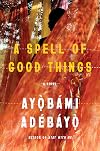
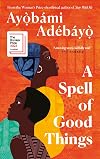
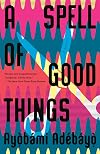
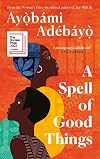
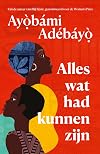
De cover valt op met zijn felle kleuren en twee gestileerde personen die heel dicht bij elkaar komen, maar elkaar niet lijken te zien of niet willen zien: symbolen voor rijk en arm in Nigeria, waartussen een immense kloof gaapt die door het corrupte systeem uitgediept wordt. Als Adébáyọ van haar vaste route door Ifè afwijkt en de beelden show more uit de sloppenwijk op haar netvlies gebrand blijven, wordt haar roman geboren. Ze is geschokt en probeert zich in te leven in een voor haar onbekende kant van Nigeria. Hoe breek je uit die vicieuze cirkel?
De opbouw maakt zo’n cirkelbeweging met een proloog en epiloog, waarin de gedachten van Caro over de verkiezingen aan bod komen. Dezelfde persoon na verloop van tijd op dezelfde plaats. Alles lijkt hetzelfde en toch is niets nog hetzelfde na alles wat er is gebeurd. In vier grote delen, voorzien van een geheimzinnige titel en een bijhorend citaat en onderverdeeld in korte hoofdstukken, leren we de rijke arts in opleiding Wúràọlá en haar familie en de arme student Eniolá en zijn familie kennen.
Wat is verantwoordelijk voor die gapende kloof tussen arm en rijk in Nigeria? Adébáyọ beschrijft niet alleen hoe het corrupte systeem dit in de hand werkt, maar tekent eveneens minutieus, hoe de Nigerianen in hun eeuwenoude tradities vastgeroest zitten. ‘Alles wat had kunnen zijn’ vertrekt uit deze hoofdthema’s, maar kijkt verder.
Via Yéyé glijdt je terug in de tijd en krijg je inzicht in het belang van het huwelijk, zelfs al is haar dochter Wúràọlá bijna als arts afgestudeerd. Aan de andere kant zie je Eniolá hopen op een kwalitatieve opleiding, wat in Nigeria helemaal geen evidentie is. Zeker niet als zijn vader door een hervorming zijn job en al zijn energie verliest. Iyá Eniolá (Eniolá’s moeder) blijft niet bij de pakken zitten en vecht als een leeuwin, maar kan de bedelstaf niet afwenden. Zowel de sterkte als de mishandeling van de vrouw, depressiviteit, onderwijs als hoop op een betere toekomst zijn secundaire thema’s. De zus van Wúràọlá én die van Eniolá rebelleren tegen wat van hen verwacht wordt, maar het is uiteindelijk Eniolá die dé dominosteen doet omvallen, nadat het verhaal rustig alle andere dominosteentjes had klaargezet.
Het leven in Nigeria bekijk je vanuit verschillende perspectieven. Op die manier krijg je een gedetailleerd beeld en kan je je een levenswijze proberen voor te stellen die heel erg van de onze afwijkt. Toch zijn er ook universele zaken zoals het huiselijk geweld. Alles is in eenvoudige bewoordingen weergegeven en enkel de onvertaalde stukken uit het Yoruba doen de wenkbrauwen fronsen. Nochtans zijn die exotische namen zo poëtisch zoals Wúràọlá ‘gouden overvloed’ betekent. Geen ingewikkelde stijlfiguren, maar wel enkele mooie beelden:
‘De tijd was meedogenloos, hij stopte niet, zelfs niet om mensen de kans te geven zichzelf van de vloer te schrapen als ze verbrijzeld waren.’
‘Pas achteraf was hij (Eniolá) in staat om te bedenken dat die aanwezigheid niets anders kon zijn dan zijn eigen angst die, groter geworden dan zijn lichaam kon bevatten, naar buiten golfde om hem als een tweede schaduw te achtervolgen in het gras.’
Adébáyọ beschrijft de schrijnende wantoestanden zonder een oordeel te vellen of een oplossing aan te bieden en laat het einde open. Wat als er in een olieproducerend land zelfs voor een ziekenhuis niet genoeg elektriciteit is? Corruptie en tradities zitten zodanig in het leven van de Nigerianen verweven, zoals de afbeelding van de politiekers in de ankara-stof die ze als aalmoes tijdens hun campagne uitdelen, dat het kluwen moeilijk te ontwarren is. Vele personages wachten te lang om stappen te ondernemen en willen dan plots met te grote stappen vooruit. Ga nooit af op een fata morgana, maar blijf ook niet werkloos toezien. Ze houdt haar landgenoten een spiegel voor. Wie durft er in deze spiegel te kijken? show less
De cover valt op met zijn felle kleuren en twee gestileerde personen die heel dicht bij elkaar komen, maar elkaar niet lijken te zien of niet willen zien: symbolen voor rijk en arm in Nigeria, waartussen een immense kloof gaapt die door het corrupte systeem uitgediept wordt. Als Adébáyọ van haar vaste route door Ifè afwijkt en de beelden show more uit de sloppenwijk op haar netvlies gebrand blijven, wordt haar roman geboren. Ze is geschokt en probeert zich in te leven in een voor haar onbekende kant van Nigeria. Hoe breek je uit die vicieuze cirkel?
De opbouw maakt zo’n cirkelbeweging met een proloog en epiloog, waarin de gedachten van Caro over de verkiezingen aan bod komen. Dezelfde persoon na verloop van tijd op dezelfde plaats. Alles lijkt hetzelfde en toch is niets nog hetzelfde na alles wat er is gebeurd. In vier grote delen, voorzien van een geheimzinnige titel en een bijhorend citaat en onderverdeeld in korte hoofdstukken, leren we de rijke arts in opleiding Wúràọlá en haar familie en de arme student Eniolá en zijn familie kennen.
Wat is verantwoordelijk voor die gapende kloof tussen arm en rijk in Nigeria? Adébáyọ beschrijft niet alleen hoe het corrupte systeem dit in de hand werkt, maar tekent eveneens minutieus, hoe de Nigerianen in hun eeuwenoude tradities vastgeroest zitten. ‘Alles wat had kunnen zijn’ vertrekt uit deze hoofdthema’s, maar kijkt verder.
Via Yéyé glijdt je terug in de tijd en krijg je inzicht in het belang van het huwelijk, zelfs al is haar dochter Wúràọlá bijna als arts afgestudeerd. Aan de andere kant zie je Eniolá hopen op een kwalitatieve opleiding, wat in Nigeria helemaal geen evidentie is. Zeker niet als zijn vader door een hervorming zijn job en al zijn energie verliest. Iyá Eniolá (Eniolá’s moeder) blijft niet bij de pakken zitten en vecht als een leeuwin, maar kan de bedelstaf niet afwenden. Zowel de sterkte als de mishandeling van de vrouw, depressiviteit, onderwijs als hoop op een betere toekomst zijn secundaire thema’s. De zus van Wúràọlá én die van Eniolá rebelleren tegen wat van hen verwacht wordt, maar het is uiteindelijk Eniolá die dé dominosteen doet omvallen, nadat het verhaal rustig alle andere dominosteentjes had klaargezet.
Het leven in Nigeria bekijk je vanuit verschillende perspectieven. Op die manier krijg je een gedetailleerd beeld en kan je je een levenswijze proberen voor te stellen die heel erg van de onze afwijkt. Toch zijn er ook universele zaken zoals het huiselijk geweld. Alles is in eenvoudige bewoordingen weergegeven en enkel de onvertaalde stukken uit het Yoruba doen de wenkbrauwen fronsen. Nochtans zijn die exotische namen zo poëtisch zoals Wúràọlá ‘gouden overvloed’ betekent. Geen ingewikkelde stijlfiguren, maar wel enkele mooie beelden:
‘De tijd was meedogenloos, hij stopte niet, zelfs niet om mensen de kans te geven zichzelf van de vloer te schrapen als ze verbrijzeld waren.’
‘Pas achteraf was hij (Eniolá) in staat om te bedenken dat die aanwezigheid niets anders kon zijn dan zijn eigen angst die, groter geworden dan zijn lichaam kon bevatten, naar buiten golfde om hem als een tweede schaduw te achtervolgen in het gras.’
Adébáyọ beschrijft de schrijnende wantoestanden zonder een oordeel te vellen of een oplossing aan te bieden en laat het einde open. Wat als er in een olieproducerend land zelfs voor een ziekenhuis niet genoeg elektriciteit is? Corruptie en tradities zitten zodanig in het leven van de Nigerianen verweven, zoals de afbeelding van de politiekers in de ankara-stof die ze als aalmoes tijdens hun campagne uitdelen, dat het kluwen moeilijk te ontwarren is. Vele personages wachten te lang om stappen te ondernemen en willen dan plots met te grote stappen vooruit. Ga nooit af op een fata morgana, maar blijf ook niet werkloos toezien. Ze houdt haar landgenoten een spiegel voor. Wie durft er in deze spiegel te kijken? show less
Eniola is keen teen-aged student in contemporary Nigeria, attending a private school. When his father is let go from his job as high school teacher , Eniola's family goes from poor to impoverished. His father grows depressed and is unable to even rise from his bed. Eniola's mother eventually forces both him and his sister to beg for money and food on the streets. Since his family is unable to pay his school fees, Eniloa is caned and beaten at school. Over time, Eniloa feels he has found a solution to their poverty, but falls in with a bad crowd. Meanwhile, 28 year old Wuraola is from a very wealthy family. She works as a resident doctor at the local hospital. She has a boyfriend, Kunle, who her family pressures her to marry. show more Unfortunately their relationship has problems that Wuraola cannot admit to herself.
Eventually both Eniola and Wuraola's lives intersect in a violent way.
A fascinating look at class, family expectations, abuse and political corruption, this was a very worthwhile read. My one complaint is that the action in the story did not really begin until about 60 % through the novel.
Recommended. show less
Eventually both Eniola and Wuraola's lives intersect in a violent way.
A fascinating look at class, family expectations, abuse and political corruption, this was a very worthwhile read. My one complaint is that the action in the story did not really begin until about 60 % through the novel.
Recommended. show less
47. A Spell of Good things by Ayọ̀bámi Adébáyọ̀
readers: Ore Apampa & Babajide Oyekunle
OPD: 2023
format: 12:40 audible audiobook (352 pages in hardcover)
acquired: August 19 listened: Aug 19 – Sep 1
rating: 4
genre/style: Contemporary Fiction theme: Booker 2023
locations: contemporary Nigeria
about the author: A Nigerian author who was born in Lagos, in 1988, and grew up in Ile-Ife, living in the University Staff Quarters of Obafemi Awolowo University.
My second from the Booker longlist was another good one, although very different.
This opens slow. We're in a Nigerian city that is not Legos, but is also apparently never named. We meet characters from two different economic classes: Wúràọlá, a young doctor starting her show more professional career, exhausted, and unmarried in her late twenties, although in a relationship. And Ẹniọlá, the teenage son of an out of work high school history teacher. Ẹniọlá's wants a college education, but his family is starving, and can't afford his school fees. He occasionally works at a tailor shop, but doesn't have the money needed to become an apprentice. Wúràọlá's mother has her dresses made at this tailor shop, making a thin connection between two.
This quilt of Nigerian life crawls along with problems and subtleties, and for 2 hours of audio time I was kind of bored, but it suddenly comes alive. Nothing dramatic happens, except when some stuff did happen, I became invested in Ẹniọlá's school problems, and Wúràọlá's relationship and family problems. It escalates more, becoming a satisfying novel.
One of the awkward lessons of this book for me was a different understanding of the title, from my original take, as optimistic, to something much more bitter (one meaning of a spell is "a state or period of enchantment", which, by definition, comes to an end) .
This one is recommended to those with a little patience, because it eventually rewards, but also with maybe some optimism in their reserves. Also, note that I thought the audio readers were a little difficult to understand.
2023
https://www.librarything.com/topic/351556#8222418 show less
readers: Ore Apampa & Babajide Oyekunle
OPD: 2023
format: 12:40 audible audiobook (352 pages in hardcover)
acquired: August 19 listened: Aug 19 – Sep 1
rating: 4
genre/style: Contemporary Fiction theme: Booker 2023
locations: contemporary Nigeria
about the author: A Nigerian author who was born in Lagos, in 1988, and grew up in Ile-Ife, living in the University Staff Quarters of Obafemi Awolowo University.
My second from the Booker longlist was another good one, although very different.
This opens slow. We're in a Nigerian city that is not Legos, but is also apparently never named. We meet characters from two different economic classes: Wúràọlá, a young doctor starting her show more professional career, exhausted, and unmarried in her late twenties, although in a relationship. And Ẹniọlá, the teenage son of an out of work high school history teacher. Ẹniọlá's wants a college education, but his family is starving, and can't afford his school fees. He occasionally works at a tailor shop, but doesn't have the money needed to become an apprentice. Wúràọlá's mother has her dresses made at this tailor shop, making a thin connection between two.
This quilt of Nigerian life crawls along with problems and subtleties, and for 2 hours of audio time I was kind of bored, but it suddenly comes alive. Nothing dramatic happens, except when some stuff did happen, I became invested in Ẹniọlá's school problems, and Wúràọlá's relationship and family problems. It escalates more, becoming a satisfying novel.
One of the awkward lessons of this book for me was a different understanding of the title, from my original take, as optimistic, to something much more bitter
This one is recommended to those with a little patience, because it eventually rewards, but also with maybe some optimism in their reserves. Also, note that I thought the audio readers were a little difficult to understand.
2023
https://www.librarything.com/topic/351556#8222418 show less
This is a story of modern Nigeria with its wide economic disparity and political upheaval. It is a world where who your parents are is more important to your success than your abilities; an environment where children whose parents can’t afford to pay their private school costs are beaten. Wuraola’s parents are wealthy; she is a doctor doing a medical residency, about to be engaged to the son of another wealthy man with political aspirations. Eniola’s family is dirt poor ever since his father lost his teaching position when history jobs were eliminated. They barely have anything to eat, owe back rent and back tuition. Wuraola and Eniola’s world collide tragically when Eniola tries to help his family by working for a local show more politician. This same politician is running against Wuraola’s intended’s father.
I wasn’t sure about this book when I chose it, but I really liked it. It is heartbreaking, but so well written with fully developed characterizations that it quickly won me over. There are many important concepts here, presented with poignancy and a bit of humor. I did feel that the ending was somewhat rushed; I wish there would have been more of an explanatory denouement. It takes a while to get into the book, but don’t give up; it is a very worthwhile read.
Thanks to #netgalley and #knopf for the ARC. show less
I wasn’t sure about this book when I chose it, but I really liked it. It is heartbreaking, but so well written with fully developed characterizations that it quickly won me over. There are many important concepts here, presented with poignancy and a bit of humor. I did feel that the ending was somewhat rushed; I wish there would have been more of an explanatory denouement. It takes a while to get into the book, but don’t give up; it is a very worthwhile read.
Thanks to #netgalley and #knopf for the ARC. show less
This is set in an unidentifed city in modern Nigeria.
Eniola is the eldest child in a family thrust into poverty when his educated father, a history teacher, was the subject of an educational purge when the ruling regime declared that history was a non-essential subject and removed from schools’ curricula. Now his father is too depressed to move from his bed; and his mother is struggling. Eniola, who had dreamed of a good school and a secondary education and his sister cannot pay their school fees even at the minimal public school they attend. Kids whose fees are in arrears are humiliated and beaten. The family chooses to pay Eniola’s sisters’ fees as she seems to have more promise. Eniola is apprenticed to a tailor, but he cannot show more afford the apprenticeship fees for that, either.
On the other side of the economic divide, lives Wuraola, a doctor to be from a well connected family. She is engaged to a man whose future also looks bright.
As the author says, ““real wealth was intergenerational, and the way Nigeria was set up, your parentage would often matter more than your qualifications. “ 148
But the wheel of fate turns, when Eniola is convinced by his friends to do a few favors for a boss man in exchange for food and money for his family. It seems a heaven-sent opportunity.
Wuraola’s fate also changes – her fiancé begins beating her. In addition, her father is asked to run for political office against a corrupt politician.
Both families’ fates are affected by the boss man and his corrosive political power.
The phrase “A spell of good things” can be a string of lucky events, but can also be ironically bitter about what the future holds after the good events vanish into thin air.
It’s an intriguing look at current Nigeria, and peopled with characters I really cared about. show less
Eniola is the eldest child in a family thrust into poverty when his educated father, a history teacher, was the subject of an educational purge when the ruling regime declared that history was a non-essential subject and removed from schools’ curricula. Now his father is too depressed to move from his bed; and his mother is struggling. Eniola, who had dreamed of a good school and a secondary education and his sister cannot pay their school fees even at the minimal public school they attend. Kids whose fees are in arrears are humiliated and beaten. The family chooses to pay Eniola’s sisters’ fees as she seems to have more promise. Eniola is apprenticed to a tailor, but he cannot show more afford the apprenticeship fees for that, either.
On the other side of the economic divide, lives Wuraola, a doctor to be from a well connected family. She is engaged to a man whose future also looks bright.
As the author says, ““real wealth was intergenerational, and the way Nigeria was set up, your parentage would often matter more than your qualifications. “ 148
But the wheel of fate turns, when Eniola is convinced by his friends to do a few favors for a boss man in exchange for food and money for his family. It seems a heaven-sent opportunity.
Wuraola’s fate also changes – her fiancé begins beating her. In addition, her father is asked to run for political office against a corrupt politician.
Both families’ fates are affected by the boss man and his corrosive political power.
The phrase “A spell of good things” can be a string of lucky events, but can also be ironically bitter about what the future holds after the good events vanish into thin air.
It’s an intriguing look at current Nigeria, and peopled with characters I really cared about. show less
Longlisted for the Booker Prize 2023
This is a book that is easy to admire but more difficult to enjoy, in part because the story is relentlessly bleak. Its two strands and main protagonists only meet in rather contrived circumstances and never really interact, but both are necessary to tell the story of two families, one of them broken and the other apparently thriving due to their ties with Nigeria's corrupt elites. The whole thing is set in a provincial town that most have no prospect of escaping, and Adébáyọ̀'s portrait of Nigeria is not a flattering one. For all that this is a well crafted story that sheds light on a number of important issues, and I would not be at all surprised if it makes the Booker shortlist.
This is a book that is easy to admire but more difficult to enjoy, in part because the story is relentlessly bleak. Its two strands and main protagonists only meet in rather contrived circumstances and never really interact, but both are necessary to tell the story of two families, one of them broken and the other apparently thriving due to their ties with Nigeria's corrupt elites. The whole thing is set in a provincial town that most have no prospect of escaping, and Adébáyọ̀'s portrait of Nigeria is not a flattering one. For all that this is a well crafted story that sheds light on a number of important issues, and I would not be at all surprised if it makes the Booker shortlist.
Members
- Recently Added By
Published Reviews
ThingScore 75
As with her lauded debut Stay With Me, in Ayòbámi Adébáyò’s second novel domestic strife and the political tensions of modern Nigeria bristle against each other...The title of this novel indicates inconsistency: goodness comes in short-lived bursts. Perhaps this is telling about its overall character. As the protagonists’ stories are ineluctably drawn together, the compassion show more Adébáyò feels for her two protagonists is deep and her social consciousness commendable. Other elements are more hit and miss.... show less
added by vancouverdeb
Set in contemporary Nigeria, Ayòbámi Adébáyò’s second novel, “A Spell of Good Things,” is a pointed warning about the dangers of choosing to look away from the deep economic fissures that run through a community...Adébáyò established her storytelling prowess in her 2017 debut, “Stay With Me,” a gripping tale of a marriage undone by a series of secrets and betrayals. In this show more compelling follow-up, Adébáyò’s hand is just as deft, but her canvas is more expansive......Where a raw, dynamic storytelling energized Adébáyò’s prose in “Stay With Me,” here the graceful, stately quality of the sentences evokes restraint, avoiding sentimentality... show less
added by vancouverdeb
Lists

Books Read in 2023
5,638 works; 147 members

Booker Prize Longlist 2023
13 works; 1 member

WBS - Book Club
71 works; 1 member
Author Information

3+ Works 1,820 Members
Some Editions
Awards and Honors
Awards
Distinctions
Notable Lists
Common Knowledge
- Canonical title
- A Spell of Good Things
- Original title
- A spell of good things
- Original publication date
- 2023
- Important places
- Nigeria
- Epigraph
- Kinsman When an elephant walks over a hard-rock outcrop, we do not see his footprints. When a buffalo walks over a hard-rock, we do not see his footprints.
- Kinsman and Foreman by T.M. Aluko - Dedication
- For JolaaJesu. Darling sister, thank you your great gift of friendship.
- Publisher's editor*
- Signatuur
- Blurbers
- Barker, Pat; Busby, Margaret; Unigwe, Chika; Atta, Sefi; Habila, Helon
*Some information comes from Common Knowledge in other languages. Click "Edit" for more information.
Classifications
Statistics
- Members
- 281
- Popularity
- 115,797
- Reviews
- 13
- Rating
- (3.78)
- Languages
- 6 — Dutch, English, Finnish, French, Portuguese, Spanish
- Media
- Paper, Audiobook, Ebook
- ISBNs
- 17
- ASINs
- 4