On This Page
Description
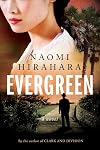
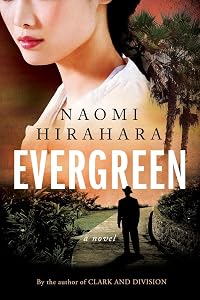
"Los Angeles, 1946: It's been two years since Aki Ito and her family were released from Manzanar detention center and resettled in Chicago with other Japanese Americans. Now the Itos have finally been allowed to return home to California--but nothing is as they left it. The entire Japanese American community is starting from scratch, with thousands of people living in dismal refugee camps while they struggle to find new houses and jobs in over-crowded Los Angeles. Aki is working as a nurse's show more aide at the Japanese Hospital in Boyle Heights when an elderly Issei man is admitted with suspicious injuries. When she seeks out his son, she is shocked to recognize her husband's best friend, Babe Watanabe. Could Babe be guilty of elder abuse? Only a few days later, Little Tokyo is rocked by a murder at the low-income hotel where the Watanabes have been staying. When the cops start sniffing around Aki's home, she begins to worry that the violence tearing through her community might threaten her family. What secrets have the Watanabes been hiding, and can Aki protect her husband from getting tangled up in their mess?"-- show lessTags
Recommendations








Member Reviews
Naomi Hirahara's Evergreen is billed as mystery (and yes, there's a mystery at its heart), but in reality it's a complex and beautiful exploration of life within a vilified minority community and the struggle to be perceived as "ordinary" and to be granted the rights of full citizenship.
The central character, Aki, and her family were held in the Manzanar internment center for Japanese Americans/enemy aliens during World War II. The internment ended two years ago. The family subsequently lived in Chicago (where Aki's older sister died) and has now returned to Los Angeles where they lived before the war.
Not exactly where they lived before—their former home is now occupied by others, but they have found a place for themselves in a show more different neighborhood. Thousands of Japanese Americans who haven't found housing are living in resettlement centers while trying to rebuild their prewar lives. Some of these resettlement centers offer safety and a relatively comfortable existence. Others are far worse than the internment camps were, with inadequate housing and a lack of basic necessities like running water and proper bathrooms. In addition, the end to the war has not brought an end to the popular view of Japanese Americans as the enemy
Aki now works as a nurse's aid in a Boyle Heights hospital that primarily serves Japanese Americans. Almost everyone around her—doctors, nurses, and patients alike—is recovering from the internment. Aki married in Chicago before she, her husband, and her parents made the move west. Being a newlywed in a home shared with parents is awkward, but also a relative privilege. Aki's husband has begun working as a reporter for a community newspaper. His coworkers are polished journalists with well-informed, complex views on current politics, both local and national, which Aki finds intimidating.
When Aki helps care for a patient who clearly has suffered repeated beatings, but who minimizes his injuries, she begins to worry about his safety. It turns out that this patient is the father of Babe, her husband's best friend from the army. Babe is the one who dropped the camera, leaving Aki and her husband with no wedding pictures. He's a small-time gangster and womanizer. In other words, Babe is not someone upon whom Aki is likely to look kindly. Worrying that Babe may be responsible for her patient's injuries, Aki begins investigating. Then, she learns that Babe is wanted by the police.
The narrative built around the question of Babe's probable responsibility for his father's injuries provides the main impetus for the plot's action, but more than the specifics of that case, what makes this novel resonant and powerful are the many portraits of individuals in this rebuilding community. There's a doctor who has put off retirement to continue providing care for his community; an orphaned friend from Manzanar who is considering a religious career; the younger brother this friend is raising and hoping to gain custody of; friends from Chicago who are becoming wealthy leaders in Los Angeles while drifting apart; a lawyer trying to help Japanese American business people regain ownership of businesses that they lost during the internment period; the African Americans who worked in the defense industry and moved into what was once a Japanese American neighborhood.
Hirahara provides readers with a rich mix of perspectives, so that readers understand not just Aki's journey, but the journeys of those around her as well. The novel is remarkably gentle given the material it covers, gentle in that it focuses on day-to-day life, where *being* is the focus as much as is *doing.* Aki comes to see her own world more complexly, gradually becoming politically active and beginning to question her assumptions about others.
Hirahara offers character-driven writing that's panoramic in scope and built around a mystery that becomes a quest for justice. Whether you're looking for a mystery set in an interesting context or a fictional exploration of internment and its cultural and financial impacts, you'll be delighted with Evergreen. I hope I'll be able to spend a great deal more time with Hirahara's Aki in the future.
I received a free electronic review copy of this title from the publisher via Edelweiss; the opinions are my own. show less
The central character, Aki, and her family were held in the Manzanar internment center for Japanese Americans/enemy aliens during World War II. The internment ended two years ago. The family subsequently lived in Chicago (where Aki's older sister died) and has now returned to Los Angeles where they lived before the war.
Not exactly where they lived before—their former home is now occupied by others, but they have found a place for themselves in a show more different neighborhood. Thousands of Japanese Americans who haven't found housing are living in resettlement centers while trying to rebuild their prewar lives. Some of these resettlement centers offer safety and a relatively comfortable existence. Others are far worse than the internment camps were, with inadequate housing and a lack of basic necessities like running water and proper bathrooms. In addition, the end to the war has not brought an end to the popular view of Japanese Americans as the enemy
Aki now works as a nurse's aid in a Boyle Heights hospital that primarily serves Japanese Americans. Almost everyone around her—doctors, nurses, and patients alike—is recovering from the internment. Aki married in Chicago before she, her husband, and her parents made the move west. Being a newlywed in a home shared with parents is awkward, but also a relative privilege. Aki's husband has begun working as a reporter for a community newspaper. His coworkers are polished journalists with well-informed, complex views on current politics, both local and national, which Aki finds intimidating.
When Aki helps care for a patient who clearly has suffered repeated beatings, but who minimizes his injuries, she begins to worry about his safety. It turns out that this patient is the father of Babe, her husband's best friend from the army. Babe is the one who dropped the camera, leaving Aki and her husband with no wedding pictures. He's a small-time gangster and womanizer. In other words, Babe is not someone upon whom Aki is likely to look kindly. Worrying that Babe may be responsible for her patient's injuries, Aki begins investigating. Then, she learns that Babe is wanted by the police.
The narrative built around the question of Babe's probable responsibility for his father's injuries provides the main impetus for the plot's action, but more than the specifics of that case, what makes this novel resonant and powerful are the many portraits of individuals in this rebuilding community. There's a doctor who has put off retirement to continue providing care for his community; an orphaned friend from Manzanar who is considering a religious career; the younger brother this friend is raising and hoping to gain custody of; friends from Chicago who are becoming wealthy leaders in Los Angeles while drifting apart; a lawyer trying to help Japanese American business people regain ownership of businesses that they lost during the internment period; the African Americans who worked in the defense industry and moved into what was once a Japanese American neighborhood.
Hirahara provides readers with a rich mix of perspectives, so that readers understand not just Aki's journey, but the journeys of those around her as well. The novel is remarkably gentle given the material it covers, gentle in that it focuses on day-to-day life, where *being* is the focus as much as is *doing.* Aki comes to see her own world more complexly, gradually becoming politically active and beginning to question her assumptions about others.
Hirahara offers character-driven writing that's panoramic in scope and built around a mystery that becomes a quest for justice. Whether you're looking for a mystery set in an interesting context or a fictional exploration of internment and its cultural and financial impacts, you'll be delighted with Evergreen. I hope I'll be able to spend a great deal more time with Hirahara's Aki in the future.
I received a free electronic review copy of this title from the publisher via Edelweiss; the opinions are my own. show less
A young married woman and her parents return to Los Angeles with her new husband. It's been years since they were sent to the Manzanar internment camp and they hope to rebuild the lives they enjoyed before the Second World War. But before the war, Japanese Americans were not allowed to own property and their homes and businesses are now occupied by others. Aki is a nursing assistant at the Japanese hospital where she is shocked to discover that the elderly man admitted to the hospital with serious wounds is the father of her husband's good friend. She never liked Babe, but could he really have battered his own father? As she looks for answers, she stumbles into a larger series of crimes, while also learning about the conditions of many show more of the returning Japanese-Americans are living in.
This is a mystery novel where the mystery is far less important than the time and place. Hirahara is great at explaining the history of how Japanese-Americans have been treated before, during and after WWII. I knew some of the basics, but Hirahara brings out so many small details of what life was like on a daily basis. The mystery was overly complicated and didn't hold up, but the reason to read this novel is for the way it brings a little-known piece of American history to life. show less
This is a mystery novel where the mystery is far less important than the time and place. Hirahara is great at explaining the history of how Japanese-Americans have been treated before, during and after WWII. I knew some of the basics, but Hirahara brings out so many small details of what life was like on a daily basis. The mystery was overly complicated and didn't hold up, but the reason to read this novel is for the way it brings a little-known piece of American history to life. show less
In a followup to the wonderful CLARK AND DIVISION, Hirahara builds a mystery around the situation the characters find themselves in after World War II has ended and the Japanese-Americans who had been herded into internment camps were turned loose in a world where the discrimination they had faced still existed and the homes, businesses, and lives that had been torn from them were not restored. This is a less familiar part of the Japanese-American experience than the camps for most Americans, so learning about it through this thoroughly-researched historical fiction is eye-opening.
Returning from Chicago to Los Angeles has been tough for Aki and her family. Though she has been finally reunited with her husband after his wartime show more experiences in Europe, marriage is proving to be surprisingly challenging, with her husband suffering from nightmares most nights, and her father is bent on recovering his business in the flower market even though the prospects are dim. Struggling to find a place to live, they finally are able to take the place of a Jewish man who is moving out, giving them a modest foothold in a mixed neighborhood near the Japanese community hospital where Aki works, and her husband finds a job at a newspaper, satisfying work for him though the pay is low.
When an elderly man is admitted to Aki's hospital, she notices he is badly bruised, and she finds out he's the father of Babe Watanabe, her husband's friend and the best man at their wedding. She never warmed to Babe, and now it seems he has brutally abused his father. Then, as plots do, it thickens, and shady characters show up to Aki's door looking for Babe. Aki has to figure out what is going on, and in the process we get a tour of the neighborhoods that went through abrupt demographic changes during and after the war, including a vivid depiction of Bronzeville (when Blacks from the South temporarily occupied the neighborhood once home to Japanese Americans) and the Winona trailer camp, a notoriously grim temporary housing camp for people who lost everything, were incarcerated, and have been thrust back into life with little that could be called a home.
The afterword provides an encyclopedic tour of resources that informed Hirahara's fictional world, a seminar's worth of knowledge. The beauty of the book is that all of it is conveyed through the story without the author ever resorting to infodumps or the kind of stilted dialogue that is only there to provide historical context. It's very well done. I look forward the next installment in the series, knowing I will learn a lot while swept up in a story. show less
Returning from Chicago to Los Angeles has been tough for Aki and her family. Though she has been finally reunited with her husband after his wartime show more experiences in Europe, marriage is proving to be surprisingly challenging, with her husband suffering from nightmares most nights, and her father is bent on recovering his business in the flower market even though the prospects are dim. Struggling to find a place to live, they finally are able to take the place of a Jewish man who is moving out, giving them a modest foothold in a mixed neighborhood near the Japanese community hospital where Aki works, and her husband finds a job at a newspaper, satisfying work for him though the pay is low.
When an elderly man is admitted to Aki's hospital, she notices he is badly bruised, and she finds out he's the father of Babe Watanabe, her husband's friend and the best man at their wedding. She never warmed to Babe, and now it seems he has brutally abused his father. Then, as plots do, it thickens, and shady characters show up to Aki's door looking for Babe. Aki has to figure out what is going on, and in the process we get a tour of the neighborhoods that went through abrupt demographic changes during and after the war, including a vivid depiction of Bronzeville (when Blacks from the South temporarily occupied the neighborhood once home to Japanese Americans) and the Winona trailer camp, a notoriously grim temporary housing camp for people who lost everything, were incarcerated, and have been thrust back into life with little that could be called a home.
The afterword provides an encyclopedic tour of resources that informed Hirahara's fictional world, a seminar's worth of knowledge. The beauty of the book is that all of it is conveyed through the story without the author ever resorting to infodumps or the kind of stilted dialogue that is only there to provide historical context. It's very well done. I look forward the next installment in the series, knowing I will learn a lot while swept up in a story. show less
Aki Ito and her family are returning to Los Angeles in 1946 after being resettled to Chicago, where her sister Rose was killed. Newly married, her husband left for war. Now, she works as a nurse's aid, and is shocked to find that an injured man's son is her husband's best friend, Babe Watanabe. She wonders if he is abusing his dad. Later, a murder happens, and Aki decides to hire a PI to investigate Babe. Meanwhile, her marriage is suffering.
This is a continuation of the Clark & Division story, and the heartbreak of the Japanese American family is still felt throughout this novel.
The story is both crime novel and a look at the struggles of a Japanese American family in the US after WWII, facing racism and financial issues due to the show more way they were treated because of Japan's involvement in the war. show less
This is a continuation of the Clark & Division story, and the heartbreak of the Japanese American family is still felt throughout this novel.
The story is both crime novel and a look at the struggles of a Japanese American family in the US after WWII, facing racism and financial issues due to the show more way they were treated because of Japan's involvement in the war. show less
The second installment of the Edgar award winning Japantown mystery series by Naomi Hirahara showcases not so much mystery, but the beautiful, fractured, and resilience of a Californian Japanese community. The second World War has just ended and people are finally making their way back to their homes after being detained in Japanese Internment camps. Aki, her recently returned veteran husband, and her parents rent a new home in their old community. When she stumbles across Babe, the best man at her wedding, and his father at the hospital she works at, Aki has questions. Did Babe beat his father? How did he get so many broken bones and bruises? Babe seems evasive and unwilling to talk and when his father is later found dead in his Little show more Tokyo apartment, Babe is nowhere to be found. Aki is determined to find out what happened before their connections with Babe drag them along in the scandal. Excellently narrated by Allison Hiroto, whose charm and wit shines through. This fantastic historical mystery is a must read, Aki Ito will win over readers with her sweet demeanor and quick wit. show less
Ratings
Members
- Recently Added By
Author Information

29+ Works 1,820 Members
Awards and Honors
Series

Common Knowledge
- Canonical title
- Evergreen
Classifications
Statistics
- Members
- 102
- Popularity
- 315,955
- Reviews
- 5
- Rating
- (3.67)
- Languages
- English
- Media
- Paper, Audiobook, Ebook
- ISBNs
- 7
- ASINs
- 2