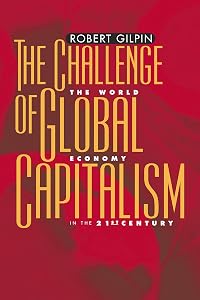
The Challenge of Global Capitalism: The World Economy in the 21st Century
by Robert Gilpin
On This Page
Description
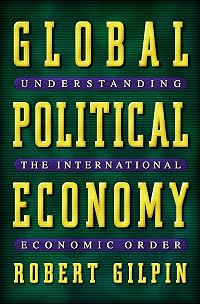
Many individuals proclaim that global capitalism is here to stay. Unfettered markets, they argue, now drive the world, and all countries must adjust, no matter how painful this may be for some. Robert Gilpin, author of the widely acclaimed Political Economy of International Relations (Princeton, 1987), urges us, however, not to take an open and integrated global economy for granted. Rather, we must consider the political circumstances that have enabled global markets to function and the show more probability that these conditions will continue. Gilpin's new book amounts to a magisterial inquiry into all major aspects of the contemporary world political economy. Beginning with the 1989 end of the Cold War and the subsequent collapse of communism, it focuses on globalization and rapid technological change and covers a broad sweep of economic developments and political cultures. Gilpin demonstrates the fragility of a global and integrated economy and recommends what can be done to strengthen it. The international community has another chance to solidify the global market economy that collapsed with the outbreak of World War I. Yet, writes Gilpin, the full implications of this historic development for international affairs are not yet clear. Will socialist economies make a successful transition to market-type economies? What role will a dynamic China play in the world economy? Will the United States continue to exercise leadership or gravitate toward self-centered policies? Gilpin explores such questions along with problems in the areas of trade liberalization, multinational corporations, and destabilizing financial flows. He also investigates the struggles of less developed countries and the spread of economic regionalism, particularly in Europe, North America, and Pacific Asia, which directly threatens an open world economy. The author maintains that global capitalism and economic globalization have rested and must continue to rest on a secure political foundation. However, this foundation has eroded since the end of the Soviet threat. To ensure survival of the global economy, Gilpin concludes, the United States and other major powers must recommit themselves to working together to rebuild its weakened political foundations. show lessTags
Recommendations




Member Reviews
Members
- Recently Added By
Author Information

13 Works 569 Members
Robert Gilpin is the Eisenhower Professor of Public and International Affairs Emeritus at Princeton University.
Awards and Honors
Awards
Classifications
Statistics
- Members
- 67
- Popularity
- 467,635
- Rating
- (3.38)
- Languages
- English, Italian, Portuguese
- Media
- Paper, Ebook
- ISBNs
- 5