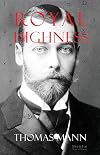
Royal Highness
by Thomas Mann 
On This Page
Description
For his Royal Highness Klaus Heinrich, prince of a small German duchy, life means servitude to traditional ducal functions—until he meets the independent-spirited and liberal-minded American Miss Spoelmann. During the course of his unorthodox and quixotically tender wooing, Heinrich is forced to reach into unknown depths of his personality and discover the real meaning of the word 'duty'.Peopled with a range of characters from aristocrat to artisan, Royal Highness provides a microcosmic show more view of Europe before the Great War. Mann's charming fable of a decaying, stratified society rejuvenated by modern forces illustrates what he regarded as a universal truth: that ripeness and death are necessary conditions for rebirth.
. show less
Tags
Recommendations
























Member Recommendations

Member Reviews
While RH is a story about a prince and his princess, it is completely absurd to call this novel a "fairy tale." RH is, at most, a modern telling of a chivalric romance, more along the lines of Zola and Lawrence than anything by the brother's Grimm. The work of an obviously young Mann, RH shows much of the style and depth of his later works. Beautiful and brilliant, Royal Highness rings with literary excellence.
À época do lançamento de Sua Alteza Real (1909), Thomas Mann já era um escritor respeitado pelos seus muitos contos, novelas e pelo seu estrondoso romance de estreia, Os Buddenbrooks (1901). Suas obras vendiam bastante e desde muito cedo o anúncio de um novo livro ou qualquer outra produção que estava realizando causava grande expectativa. Crítica completa: https://www.planocritico.com/critica-sua-alteza-real-de-thomas-mann/
Tedious
Die Erzählung "Königliche Hoheit" von Thomas Mann kannte ich bisher nur als ziemlich lustigen deutschen Spielfilm aus den fünfziger Jahren des vorigen Jahrhunderts. Der Roman, der als Vorlage für den Film diente, ist besser, viel besser. Es handelt sich um ein für Thomas Manns Verhältnisse erstaunlich heitere Geschichte, in der das Schicksal des fiktiven Kleinstaates Grimmburg erzählt wird. Grimmburg ist zum Zeitpunkt der Handlung total verarmt, leistet sich aber aus Tradition trotzdem den Unterhalt einer repräsentativen Monarchie. An der Spitze des Fürstenhauses steht Großherzog Albrecht II, der die repräsentativen Pflichten aus gesundheitlichen Gründen seinem jüngeren Bruder, dem Prinzen Klaus Heinrich, übertragen hat. show more Kindheit und Jugend des Prinzen werden ausführlich erzählt, um darzustellen, dass es sich um einen sympathischen, wenn auch sehr weltfremden jungen Mann handelt, was bei seiner behüteten und abgeschirmten Erziehung nicht verwundert.
Als Retter des verarmten Staatswesens tritt schließlich der märchenhaft reiche Milliardär Samuel Spoelmann aus Amerika auf. Zusammen mit seiner reizenden, wenn auch etwas schnippischen Tochter Imma siedelt er sich in Grimmburg an, da er seines Lebens in den USA überdrüssig ist. Natürlich bahnt sich bald eine zarte Liebesgeschichte zwischen Klaus Heinrich und Imma an, und ihr Vater, der Milliardär, erklärt sich schließlich dazu bereit, die Finanzen von Grimmburg mittels seines Vermögens zu sanieren.
Thomas Manns große Erzählkunst ist, wie immer, ein Genuss; er beeindruckt durch die Eleganz seiner Sprache und die Genauigkeit seiner Charakterzeichnungen. In vorliegendem Buch braucht man etwas Geduld, da Thomas Mann es sich nicht nehmen lässt, die ganze zerfallende Pracht und den überflüssigen Pomp des großherzoglichen Hauswesens aufs genaueste zu beschreiben, was zu einigen Längen führt. Andererseits ist Thomas Manns Talent, mit Worten geradezu ein Gemälde zu erschaffen, äußerst bewundernswert.
Obwohl die Motivation des Samuel Spoelmann, einen Großteil seines Vermögens in einen maroden Kleinstaat zu investieren, ein wenig unverständlich bleibt - diese Auflösung ist einfach zu schön, um wahr zu sein - ist die ganze Geschichte doch so sympathisch und so gut ausgedacht, dass der Leser sie ohne weiteres akzeptiert. Obwohl "Königliche Hoheit" natürlich aus heutiger Sicht etwas altmodisch anmutet, handelt es sich trotzdem um eine sehr unterhaltsame und lesenswerte Lektüre. show less
Als Retter des verarmten Staatswesens tritt schließlich der märchenhaft reiche Milliardär Samuel Spoelmann aus Amerika auf. Zusammen mit seiner reizenden, wenn auch etwas schnippischen Tochter Imma siedelt er sich in Grimmburg an, da er seines Lebens in den USA überdrüssig ist. Natürlich bahnt sich bald eine zarte Liebesgeschichte zwischen Klaus Heinrich und Imma an, und ihr Vater, der Milliardär, erklärt sich schließlich dazu bereit, die Finanzen von Grimmburg mittels seines Vermögens zu sanieren.
Thomas Manns große Erzählkunst ist, wie immer, ein Genuss; er beeindruckt durch die Eleganz seiner Sprache und die Genauigkeit seiner Charakterzeichnungen. In vorliegendem Buch braucht man etwas Geduld, da Thomas Mann es sich nicht nehmen lässt, die ganze zerfallende Pracht und den überflüssigen Pomp des großherzoglichen Hauswesens aufs genaueste zu beschreiben, was zu einigen Längen führt. Andererseits ist Thomas Manns Talent, mit Worten geradezu ein Gemälde zu erschaffen, äußerst bewundernswert.
Obwohl die Motivation des Samuel Spoelmann, einen Großteil seines Vermögens in einen maroden Kleinstaat zu investieren, ein wenig unverständlich bleibt - diese Auflösung ist einfach zu schön, um wahr zu sein - ist die ganze Geschichte doch so sympathisch und so gut ausgedacht, dass der Leser sie ohne weiteres akzeptiert. Obwohl "Königliche Hoheit" natürlich aus heutiger Sicht etwas altmodisch anmutet, handelt es sich trotzdem um eine sehr unterhaltsame und lesenswerte Lektüre. show less
Aug 29, 2011German
1
Moderní pohádka-podobenství o zoufale zadlužené a tak celkově prokleté monarchii, která je skrze nesobeckou a hlubokou lásku zachráněna.
Podle doslovu „produkt krizových let“, kdy Mann tápavě hledal, jak se srovnat s novou situací umění, jeho vztahem ke společnosti, úlohou v ní atp. (atmosféra fin de siecle); souhrnně, nosnou uměleckou koncepci, která by jej posunula dál. Myslím ale, že těžkopádnost, vynucenost a křečovitost jsou na příběhu příliš znát - má-li snad hodnotu pro literární historiky jako vývojový stupeň, pak asi moc ne pro dnešního čtenáře. Autor je v textu nerozpoznatelný - ve srovnání s Kouzelným vrchem, ale třeba i Buddenbrookovým je to významně horší show more práce, nic charakteristického (snad náznakem téma krize reprezentace), jednotlivé epizody spolu nepříliš souvisí ani se nedoplňují, stejně tak občasné fórky. Celkově je to rozbité, respektive nedodělané.
I hochštapler Felix, ačkoli má některé vlastnosti s Královskou výsostí společné, je lepší, je to aspoň zábavné. Královskou výsost jsem dočetla jenom kvůli autorovu jménu. show less
Podle doslovu „produkt krizových let“, kdy Mann tápavě hledal, jak se srovnat s novou situací umění, jeho vztahem ke společnosti, úlohou v ní atp. (atmosféra fin de siecle); souhrnně, nosnou uměleckou koncepci, která by jej posunula dál. Myslím ale, že těžkopádnost, vynucenost a křečovitost jsou na příběhu příliš znát - má-li snad hodnotu pro literární historiky jako vývojový stupeň, pak asi moc ne pro dnešního čtenáře. Autor je v textu nerozpoznatelný - ve srovnání s Kouzelným vrchem, ale třeba i Buddenbrookovým je to významně horší show more práce, nic charakteristického (snad náznakem téma krize reprezentace), jednotlivé epizody spolu nepříliš souvisí ani se nedoplňují, stejně tak občasné fórky. Celkově je to rozbité, respektive nedodělané.
I hochštapler Felix, ačkoli má některé vlastnosti s Královskou výsostí společné, je lepší, je to aspoň zábavné. Královskou výsost jsem dočetla jenom kvůli autorovu jménu. show less
Klaus, figlio della coppia regnante, dimostra curiosità per le esperienze della cosiddetta vita comune e cerca di instaurare rapporti che vadano oltrel'etichetta di corte. Il principe non sfuggirebbe al suo destino se nonarrivasse in paese la figlia di un miliardario americano, della quale siinnamora e che sposa.
Questo romanzo, apparso nel 1909, è una sorta di "condensato" dell'arte narrativa di Mann: vi si possono infatti trovare tutti i temi e i motivi che, partendo da I Buddenbrook, attraverso le variate modulazioni di La montagna incantata e del Doktor Faustus, giungono sino al Felix Krull. Dietro lo schermo della favola vivace e gustosa dell'operetta fin-de-siecle spumeggiante e allegra, ispirata alle vicende che si verificano in show more un ipotetico Granducato retrivo e "dignitoso" del vecchio Impero di Germania all'arrivo improvviso di un miliardario americano, borghese e "modernista", e della sua bella e disinvolta figliola, l'autore riesamina e analizza il problema della decadenza, del contegno, della vita simbolica sulla base del motto castigat ridendo mores. La caratteristica "ironia" manniana lumeggia tutta la narrazione, senza tuttavia mai sfociare nella satira. show less
Questo romanzo, apparso nel 1909, è una sorta di "condensato" dell'arte narrativa di Mann: vi si possono infatti trovare tutti i temi e i motivi che, partendo da I Buddenbrook, attraverso le variate modulazioni di La montagna incantata e del Doktor Faustus, giungono sino al Felix Krull. Dietro lo schermo della favola vivace e gustosa dell'operetta fin-de-siecle spumeggiante e allegra, ispirata alle vicende che si verificano in show more un ipotetico Granducato retrivo e "dignitoso" del vecchio Impero di Germania all'arrivo improvviso di un miliardario americano, borghese e "modernista", e della sua bella e disinvolta figliola, l'autore riesamina e analizza il problema della decadenza, del contegno, della vita simbolica sulla base del motto castigat ridendo mores. La caratteristica "ironia" manniana lumeggia tutta la narrazione, senza tuttavia mai sfociare nella satira. show less
Mar 15, 2012 (Edited)Italian
L-1
Oct 16, 2020Catalan
Members
- Recently Added By
Published Reviews
ThingScore 75
"L'Altesse royale ("Königliche Hoheit" en allemand) est un roman de Thomas Mann, publié pour la première fois en 1909. L'histoire est une exploration satirique de la vie et de l'état d'esprit d'un monarque européen au début du XXe siècle.
Le roman suit les expériences du jeune prince Klaus Heinrich, héritier de la petite principauté allemande de Grimmburg. Malgré son statut royal, le show more prince lutte contre un sentiment d'isolement et un manque de liberté personnelle. Il est parfaitement conscient de son rôle cérémoniel et des attentes placées en lui par ses sujets et la royauté voisine.
En naviguant dans les méandres de la vie de cour, le prince se retrouve mêlé à des intrigues politiques et amoureuses. Le récit se caractérise par le style ironique et satirique de Mann, qui propose un examen critique des conventions et des rituels associés à la monarchie.
"L'altesse royale" est une exploration sociale et psychologique des charges et des limites imposées par la royauté, qui utilise l'humour et l'esprit pour commenter la nature du pouvoir, l'identité et le conflit entre les désirs personnels et le devoir public. Les premières œuvres de Thomas Mann préparent le terrain pour les thèmes plus complexes et philosophiques qu'il explorera dans ses romans ultérieurs. show less
Le roman suit les expériences du jeune prince Klaus Heinrich, héritier de la petite principauté allemande de Grimmburg. Malgré son statut royal, le show more prince lutte contre un sentiment d'isolement et un manque de liberté personnelle. Il est parfaitement conscient de son rôle cérémoniel et des attentes placées en lui par ses sujets et la royauté voisine.
En naviguant dans les méandres de la vie de cour, le prince se retrouve mêlé à des intrigues politiques et amoureuses. Le récit se caractérise par le style ironique et satirique de Mann, qui propose un examen critique des conventions et des rituels associés à la monarchie.
"L'altesse royale" est une exploration sociale et psychologique des charges et des limites imposées par la royauté, qui utilise l'humour et l'esprit pour commenter la nature du pouvoir, l'identité et le conflit entre les désirs personnels et le devoir public. Les premières œuvres de Thomas Mann préparent le terrain pour les thèmes plus complexes et philosophiques qu'il explorera dans ses romans ultérieurs. show less
added by Peter_MacTroy
Lists

German Literature
518 works; 55 members

Troublesome bodies
110 works; 7 members

Fictional European countries
58 works; 2 members
Author Information

946+ Works 51,369 Members
Thomas Mann was born into a well-to-do upper class family in Lubeck, Germany. His mother was a talented musician and his father a successful merchant. From this background, Mann derived one of his dominant themes, the clash of views between the artist and the merchant. Mann's novel, Buddenbrooks (1901), traces the declining fortunes of a merchant show more family much like his own as it gradually loses interest in business but gains an increasing artistic awareness. Mann was only 26 years old when this novel made him one of Germany's leading writers. Mann went on to write The Magic Mountain (1924), in which he studies the isolated world of the tuberculosis sanitarium. The novel was based on his wife's confinement in such an institution. Doctor Faustus (1947), his masterpiece, describes the life of a composer who sells his soul to the devil as a price for musical genius. Mann is also well known for Death in Venice (1912) and Mario the Magician (1930), both of which portray the tensions and disturbances in the lives of artists. His last unfinished work is The Confessions of Felix Krull, Confidence Man (1954), a brilliantly ironic story about a nineteenth-century swindler. An avowed anti-Nazi, Mann left Germany and lived in the United States during World War II. He returned to Switzerland after the war and became a celebrated literary figure in both East and West Germany. In 1929 he was awarded the Nobel Prize for literature. (Bowker Author Biography) show less
Thomas Mann has a Legacy Library. Legacy libraries are the personal libraries of famous readers, entered by LibraryThing members from the Legacy Libraries group.
Some Editions
Series
Belongs to Publisher Series
Work Relationships
Common Knowledge
- Canonical title*
- Koninklijke hoogheid
- Original title
- Königliche Hoheit
- Original publication date
- 1909
- People/Characters
- Klaus Heinrich; Imma Spoelmann; Samuel Spoelmann; Gräfin Löwenjoul; Dr. Watercloose; Dr. Raoul Überbein (show all 8); Ditlinde; Dr. Sammet
- Important places
- Grimmburg
- Related movies
- Königliche Hoheit (1953 | IMDb)
- First words*
- Het speelt zich af in de Albrechtstraat, de bekende verkeersader der residentie, die de verbinding vormt tussen het Albrechtplein met het oude slot en de kazerne der Garde Fuseliers - op een middag in de week, in het een of a... (show all)ndere jaargetijde, onverschillig welk.
- Last words*
- (Click to show. Warning: May contain spoilers.)En staat hij, die de liefde kent, nog wel zover van het werkelijke leven af? Voortaan zullen die twee woorden in ons devies staan:
"hoogheid en liefde - een streng geluk". - Original language*
- Duits
*Some information comes from Common Knowledge in other languages. Click "Edit" for more information.
Classifications
- Genres
- General Fiction, Fiction and Literature
- DDC/MDS
- 833.912 — Literature & rhetoric German & related literatures German fiction 1900- 1900-1990 1900-1945
- LCC
- PT2625 .A44 .K62 — Language and Literature German, Dutch and Scandinavian literatures German literature Individual authors or works 1860/70-1960
- BISAC
Statistics
- Members
- 675
- Popularity
- 42,536
- Reviews
- 7
- Rating
- (3.47)
- Languages
- 17 — Czech, Danish, Dutch, English, Finnish, French, German, Greek, Hungarian, Italian, Polish, Portuguese (Portugal), Romanian, Serbian, Spanish, Swedish, Turkish
- Media
- Paper, Audiobook, Ebook
- ISBNs
- 80
- ASINs
- 36