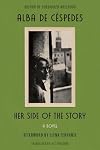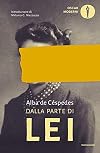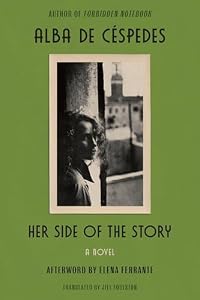
Her Side of the Story
by Alba De Céspedes
On This Page
Description
“A courageous novel, beautifully imagined and written.”—Elena Lappin, The Washington Post
"De Cespedes' work has lost none of its subversive force”
—The New York Times Book Review
* "De Céspedes’s melancholy testament to a hidden life feels timeless and vital."
—Publishers Weekly (Starred Review)
From the author of Forbidden Notebook, Alba de Céspedes, a richly told novel she called “the story of a great love and of a crime.”
As she looks back on her life, Alessandra show more Corteggiani recalls her youth during the rise of fascism in Italy, the resistance, and the fall of Mussolini, the lives of the women in her family and her working-class neighborhood, rigorously committed to telling “her side of the story.”
Alessandra witnesses her mother, an aspiring concert pianist, suffer from the inability to escape her oppressive marriage. Later, she is sent away to live with her father's relatives in the country, in the hope she’ll finally learn to submit herself to the patriarchal system and authority. But at the farm, Alessandra grows increasingly rebellious, conscious of the unjust treatment of generations of hardworking women in her family. When she refuses the marriage proposal from a neighboring farmer, she is sent back to Rome to tend to her ailing father.
In Rome, Alessandra meets Francesco, a charismatic anti-fascist professor, who ostensibly admires and supports her sense of independence and justice. But she soon comes to recognize that even as she respects Francesco and is keen to participate in his struggle to reclaim their country from fascism, this respect is unrequited, and that her own beloved husband is ensnared by patriarchal conventions when it comes to their relationship.
In these pages, De Céspedes delivers a breathtakingly accurate and timeless portrayal of the complexity of the female condition against the dramatic backdrop of WWII and the partisan uprising in Italy. Literature. Fiction. show less
Tags
Recommendations
























Member Reviews
After reading The Forbidden Notebook by Alba de Cespedes, I was interested in reading her again. Her Side of the Story is the story of a woman’s obsessive dream of ideal romantic love derailed by her beloved’s commitment to fighting fascism in Mussolini’s Italy.
Alessandra adored her mother, a beautiful, dreamy woman disappointed in love. She was a pianist hoping for a career when she fell in love. Marriage reduced her to giving piano lessons to untalented children, her distant husband expecting her to be a traditional housewife. In the first half of the story, Sandra tells of her childhood and her mother’s attachment to a man who is her soul mate, and her mother’s tragic end.
Sandra never forged a relationship with her distant show more father. After her mother’s death, she goes to the country to live with her grandmother and aunt. Although she has suitors, Sandra resists relationships until she finds true love. After turning down a suitable marriage offer, she returns to the city where she falls for an older, intelligent professor. Caught up in the throes of first love and discovery of the beloved, Sandra believes that Francesco is the man she has been waiting for, sure that their romance will never alter.
But, her beloved is an anti-fascist involved in the resistance. His essential work comes first, leaving his wife alone, expecting Sandra to be satisfied with a cursory kiss on the check.
Sandra is discontent. She tries to spur Francesco to reenact their courtship. Instead, his risks land him him in prison. Sandra becomes involved in the resistance, and fends off her husband’s friend who professes his love for her. When Francesco returns from prison, he becomes important in the government, his attention still focused on the outer life and big issues.
Sandra’s obsession becomes a form of insanity, leading her to a shocking act. The entire book is her story of what lead her to this end.
The novel was published in 1949 and describes the limited choices available to Italian women, especially in marriage. Although a long novel, a book club would find much to discuss. I could see Francesco, like Rick in Casablanca, believing that the personal life of individuals is not important in a world that is falling apart. Francesco is a hero, a man who sacrifices the personal for the greater good. But all Sandra has is his love, and she is unwilling or unable to grow past her girlish fantasy.
Thanks to the publisher for a free book. show less
Alessandra adored her mother, a beautiful, dreamy woman disappointed in love. She was a pianist hoping for a career when she fell in love. Marriage reduced her to giving piano lessons to untalented children, her distant husband expecting her to be a traditional housewife. In the first half of the story, Sandra tells of her childhood and her mother’s attachment to a man who is her soul mate, and her mother’s tragic end.
Sandra never forged a relationship with her distant show more father. After her mother’s death, she goes to the country to live with her grandmother and aunt. Although she has suitors, Sandra resists relationships until she finds true love. After turning down a suitable marriage offer, she returns to the city where she falls for an older, intelligent professor. Caught up in the throes of first love and discovery of the beloved, Sandra believes that Francesco is the man she has been waiting for, sure that their romance will never alter.
But, her beloved is an anti-fascist involved in the resistance. His essential work comes first, leaving his wife alone, expecting Sandra to be satisfied with a cursory kiss on the check.
Sandra is discontent. She tries to spur Francesco to reenact their courtship. Instead, his risks land him him in prison. Sandra becomes involved in the resistance, and fends off her husband’s friend who professes his love for her. When Francesco returns from prison, he becomes important in the government, his attention still focused on the outer life and big issues.
Sandra’s obsession becomes a form of insanity, leading her to a shocking act. The entire book is her story of what lead her to this end.
The novel was published in 1949 and describes the limited choices available to Italian women, especially in marriage. Although a long novel, a book club would find much to discuss. I could see Francesco, like Rick in Casablanca, believing that the personal life of individuals is not important in a world that is falling apart. Francesco is a hero, a man who sacrifices the personal for the greater good. But all Sandra has is his love, and she is unwilling or unable to grow past her girlish fantasy.
Thanks to the publisher for a free book. show less
BIg and thick and often disquieting, the ending totally took me by surprise.
Un romanzo potente... nel senso che, leggendo, sembra davvero di essere nella Roma della seconda guerra mondiale.
Dalla parte di Medea
“Alessandra bisognerà dire ch’è di quei temperamenti che agghiacciano ed ammazzano l’amore a forza d’amore, per creduto eccesso d’amore. Dall’amore tanto ella si aspetta, tanto ella giuoca su quell’unica carta da non poter trarne alla fine che un’amara delusione.” (Emilio Cecchi, 23 ottobre 1949, L’Europeo).
Da qualche tempo sono ossessionato dalla figura di Medea. La vedo ovunque ci sia un femminile che si rivolta, che reagisce violentemente a un mondo maschile ottuso e autoreferenziale. Leggendo la storia narrata da De Cespedes, alla luce delle riflessioni su Medea, non concordo con le considerazioni di Emilio Cecchi; egli mostra di fermarsi alla superficie, ai fatti raccontati, senza fare lo show more sforzo di guardare attraverso gli occhi della protagonista, senza cercare di appropriarsi del sentimento che lei prova. Cecchi si erge a giudice e valuta, ma non avendo sentito le emozioni e i sentimenti rimane nell’oscurità abbacinata dalla accecante luce di una ragione che si rivela solo pregiudizio.
C’è un passaggio splendido in cui Alessandra - la protagonista - rivela al marito Francesco i suoi tradimenti, i tradimenti che lei compie quotidianamente con il Francesco innamorato di lei, quello che lei ha conosciuto all’inizio della loro storia, quell’uomo che dava un significato all’esistenza di lei, che la vedeva nell’intimo e le dava una ragione di esistere, che ne comprendeva e ammirava l’agire, il pensiero, il punto di vista, che non era mai stanco di ascoltarla e di interrogarla. Con chi la tradisce invece lui quotidianamente? Chi da significato alla vita di lui? Chi dona a lui una ragion di esistere che non ricerca più in lei? Penso che abbia ragione chi suggerisce che si dovrebbe scrivere un Dalla parte di lui ma non per far emergere “le ragioni” ma per mostrare la meschinità che si nasconde anche nei “grandi”, in coloro che si nutrono della disponibilità di chi hanno accanto per sostenere le loro ambizioni più o meno mascherate da alte ragioni anche di interesse collettivo (“lo faranno deputato”, “lo faranno sottosegretario”).
Settant’anni dopo, in un articolo pubblicato su cronacheletterarie.com il 19 maggio 2022 Susanna Rossi, rifacendosi ad alcune riflessioni della stessa protagonista del libro e condividendo una lettura frequente anche altrove scrive: “A essere messo sotto accusa da Alba De Céspedes in Dalla parte di lei non è lo specifico caso in cui la donna si ritrova prigioniera dell’uomo sbagliato, ma un intero sistema sociale che trasforma di fatto gli uomini in carcerieri – indipendentemente dal fatto che siano buoni o cattivi – e le donne in carcerate.” (Susanna Rossi, 19 maggio 2022 https://www.cronacheletterarie.com/2022/05/19/dalla-parte-di-lei-di-alba-de-cesp...). Trovo che anche questa lettura, pur cercando di far proprio un punto di vista del libro, si fermi poco distante dalla superficie. Nell’auspicata libertà per le donne, infatti, non viene ricercata la liberazione del femminile - che è parte fondamentale di ognuno, indipendentemente dal sesso cui appartiene - ma solo la parità tra uomo e donna, una parità che continua a reggersi su valori essenzialmente maschilisti. show less
“Alessandra bisognerà dire ch’è di quei temperamenti che agghiacciano ed ammazzano l’amore a forza d’amore, per creduto eccesso d’amore. Dall’amore tanto ella si aspetta, tanto ella giuoca su quell’unica carta da non poter trarne alla fine che un’amara delusione.” (Emilio Cecchi, 23 ottobre 1949, L’Europeo).
Da qualche tempo sono ossessionato dalla figura di Medea. La vedo ovunque ci sia un femminile che si rivolta, che reagisce violentemente a un mondo maschile ottuso e autoreferenziale. Leggendo la storia narrata da De Cespedes, alla luce delle riflessioni su Medea, non concordo con le considerazioni di Emilio Cecchi; egli mostra di fermarsi alla superficie, ai fatti raccontati, senza fare lo show more sforzo di guardare attraverso gli occhi della protagonista, senza cercare di appropriarsi del sentimento che lei prova. Cecchi si erge a giudice e valuta, ma non avendo sentito le emozioni e i sentimenti rimane nell’oscurità abbacinata dalla accecante luce di una ragione che si rivela solo pregiudizio.
C’è un passaggio splendido in cui Alessandra - la protagonista - rivela al marito Francesco i suoi tradimenti, i tradimenti che lei compie quotidianamente con il Francesco innamorato di lei, quello che lei ha conosciuto all’inizio della loro storia, quell’uomo che dava un significato all’esistenza di lei, che la vedeva nell’intimo e le dava una ragione di esistere, che ne comprendeva e ammirava l’agire, il pensiero, il punto di vista, che non era mai stanco di ascoltarla e di interrogarla. Con chi la tradisce invece lui quotidianamente? Chi da significato alla vita di lui? Chi dona a lui una ragion di esistere che non ricerca più in lei? Penso che abbia ragione chi suggerisce che si dovrebbe scrivere un Dalla parte di lui ma non per far emergere “le ragioni” ma per mostrare la meschinità che si nasconde anche nei “grandi”, in coloro che si nutrono della disponibilità di chi hanno accanto per sostenere le loro ambizioni più o meno mascherate da alte ragioni anche di interesse collettivo (“lo faranno deputato”, “lo faranno sottosegretario”).
Settant’anni dopo, in un articolo pubblicato su cronacheletterarie.com il 19 maggio 2022 Susanna Rossi, rifacendosi ad alcune riflessioni della stessa protagonista del libro e condividendo una lettura frequente anche altrove scrive: “A essere messo sotto accusa da Alba De Céspedes in Dalla parte di lei non è lo specifico caso in cui la donna si ritrova prigioniera dell’uomo sbagliato, ma un intero sistema sociale che trasforma di fatto gli uomini in carcerieri – indipendentemente dal fatto che siano buoni o cattivi – e le donne in carcerate.” (Susanna Rossi, 19 maggio 2022 https://www.cronacheletterarie.com/2022/05/19/dalla-parte-di-lei-di-alba-de-cesp...). Trovo che anche questa lettura, pur cercando di far proprio un punto di vista del libro, si fermi poco distante dalla superficie. Nell’auspicata libertà per le donne, infatti, non viene ricercata la liberazione del femminile - che è parte fondamentale di ognuno, indipendentemente dal sesso cui appartiene - ma solo la parità tra uomo e donna, una parità che continua a reggersi su valori essenzialmente maschilisti. show less
Sep 8, 2022Italian
Con una madre que se suicida por amor, Alessandra se niega a repetir ese destino pero será enviada por su padre a la casa de unos parientes en un remoto pueblo de Abruzzo con la esperanza de que haga suyo el “deber de sumisión”. Ella, en cambio, se vuelve cada vez más consciente de la cuestión femenina y está decidida a obtener para las mujeres el mismo respeto que reciben los hombres. El hecho crucial de su vida es enamorarse de Francesco, un carismático profesor antifascista con quien se casará; su amor está, sin embargo, destinado a un final trágico.
Con el dramático contexto de la guerra de fondo, Alba de Céspedes compone una novela asombrosa por la variedad de situaciones, la precisión de los retratos, la riqueza de show more tonos. Un sofisticado juego de espejos del que emerge la conciencia de una mujer que, en un mundo cada vez más dominado por los hombres, consigue transformar la resignación en rebeldía. show less
Con el dramático contexto de la guerra de fondo, Alba de Céspedes compone una novela asombrosa por la variedad de situaciones, la precisión de los retratos, la riqueza de show more tonos. Un sofisticado juego de espejos del que emerge la conciencia de una mujer que, en un mundo cada vez más dominado por los hombres, consigue transformar la resignación en rebeldía. show less
Jan 4, 2024Spanish
Members
- Recently Added By
Lists

le donne raccontano
116 works; 1 member

The LonesomeReader Book Club
36 works; 1 member
Author Information

29+ Works 877 Members
Some Editions
Awards and Honors
Notable Lists
Common Knowledge
- Canonical title
- Her Side of the Story
- Original title
- Dalla parte di lei; Dalle parte di lei
- Original publication date
- 1949
- Original language
- Italian
Classifications
- Genres
- Fiction and Literature, General Fiction, Historical Fiction, Romance
- DDC/MDS
- 853.914 — Literature & rhetoric Italian, Romanian & related literatures Italian fiction 1900- 20th Century 1945-1999
- LCC
- PQ4809 .E75 .D313 — Language and Literature French, Italian, Spanish and Portuguese literatures Italian literature Individual authors, 1900-1960
- BISAC
Statistics
- Members
- 139
- Popularity
- 234,581
- Reviews
- 8
- Rating
- (3.94)
- Languages
- 5 — English, French, German, Italian, Spanish
- Media
- Paper, Audiobook, Ebook
- ISBNs
- 16
- ASINs
- 7