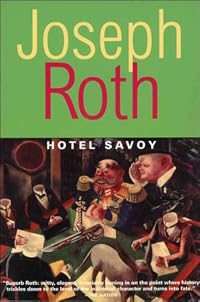
Hotel Savoy
by Joseph Roth
On This Page
Description
A forceful parable of Europe between wars.Tags
Recommendations



























Member Reviews
In the confused aftermath of the First World War, Gabriel, making his way home to Vienna from a Russian PoW camp, arrives in a town on the borders of the former Russian and Austro-Hungarian empires (presumably in Galicia), where he lands at a grand hotel he remembers from before the war. The Hotel Savoy still reflects the glory of imperial days, but when you look more closely, the grand rooms downstairs are occupied by conmen and war-profiteers, and the dingier ones on the upper floors by refugees and strays. Those who can’t manage to pay their bills have mortgaged their luggage to Ignatz, the lift-man, or are reduced to dancing naked on the stage of the cellar bar for the entertainment of local businessmen. In the distance there is show more talk of the arrival of the Revolution, but the bourgeois are putting their trust in the rumoured return of Bloomfield, a local man who has emigrated and made a fortune in the USA.
A kind of miniature pendant to The magic mountain, a fascinating little novel about a partial, precarious survival of pre-war K&K society in a liminal region of Europe. show less
A kind of miniature pendant to The magic mountain, a fascinating little novel about a partial, precarious survival of pre-war K&K society in a liminal region of Europe. show less
In this early (1924) Roth novella, the narrator, who has been released from a Russian WWI POW camp, has found his way back to the very eastern edges of the former Austro-Hungarian empire and takes a room on the next-to-the-top floor of the Hotel Savoy (the higher the floor, the poorer the hotel guests). Over the course of his stay, he meets a huge variety of of strange, sometimes surreal characters, including the long-awaited Bloomfield, a local man who has achieved wealth in America and who, it is hoped, will solve everyone's problems. With unending streams of released prisoners, striking workers, would-be revolutionaries, debauched industrialists, an aging and mysterious lift-boy, and charlatans of all stripes, the Hotel Savoy and its show more fate are a prescient allegory of post-war Europe. show less
To me, the paintings of Otto Dix most powerfully show the broken people who came back from the front of World War I, particularly paintings such as "Prager Strasse" (1920).
In a similar way, Hotel Savoy is a novel about a collection of "broken people," bankrupt, scattered but come together in a "louche" hotel, all hoping and looking out for a fabled, rich American. A story of poverty and despair.
In a similar way, Hotel Savoy is a novel about a collection of "broken people," bankrupt, scattered but come together in a "louche" hotel, all hoping and looking out for a fabled, rich American. A story of poverty and despair.
.... an American returnee who will solve all the financial troubles of a whole host of shadowy characters trapped in the Hotel Savoy.
The Hotel itself seems to function as a mixture between a spider's web and a somnifer! It is a trap for those returning from the First World War, for the poor and for the once rich.
There is a missing Greek owner, an old lift boy who holds the trunks of poor guests as security against payment, and a factory owner who is less concerned with the ongoing strike in his factory than trying to make money through speculation on the currency market.
Throughout the short novel there is an awful sense of an imploding world - of a suspended collapse just waiting for a trigger to release it. The characters seem to wish show more it and at the same time dread the event.
The trigger is provided in the end by one of those silly, unimportant events which are of no significance in themselves.
There is something truly tragic and at the same time terrifying in this story of a Hotel peopled as it is by the flotsam of a disintegrated world. show less
The Hotel itself seems to function as a mixture between a spider's web and a somnifer! It is a trap for those returning from the First World War, for the poor and for the once rich.
There is a missing Greek owner, an old lift boy who holds the trunks of poor guests as security against payment, and a factory owner who is less concerned with the ongoing strike in his factory than trying to make money through speculation on the currency market.
Throughout the short novel there is an awful sense of an imploding world - of a suspended collapse just waiting for a trigger to release it. The characters seem to wish show more it and at the same time dread the event.
The trigger is provided in the end by one of those silly, unimportant events which are of no significance in themselves.
There is something truly tragic and at the same time terrifying in this story of a Hotel peopled as it is by the flotsam of a disintegrated world. show less
The low rating is for the translation not for the original text. Was this translated by an AI? (No name is given for the translator, and also no ISBN.) If so then the I stands for illiteracy. This is very cheap on Amazon - but resist temptation as it is utterly unreadable.
De eerste wereldoorlog is voorbij en ook de laatste krijgsgevangenen worden losgelaten en gaan vanuit Rusland op weg naar huis; zo ook Gabriel Dan, de hoofdpersoon in deze roman.
Onderweg naar het zuiden zal hij, door gebrek aan middelen, blijven hangen in Hotel Savoy, een hotel waarvan de hoogste verdiepingen bewoond worden door een allegaartje van menselijke eenvoud en armoe.
Tal van personages passeren in dit verhaal de revue, en zullen op een of andere manier voor Gabriel werken als referentie van een leven dat hij tegen iedere prijs zou willen ontvluchten. De keuzes zijn echter beperkt !
Met een kernachtige, maar milde toonzetting worden de mensen beschreven die het hotel bevolken. En of ze nu rijk of arm zijn, de toekomst is voor show more iedereen omfloerst met onzekerheid. De revoluties kondigen zich aan en de politieke agitatie is in volle gang. Zekerheid en rust lijkt -en blijkt- niet meer voorhanden te zijn. Verschillen tussen rijk en (straat)arm worden nog in stand gehouden, maar het verzet groeit.
Gaandeweg zullen de observaties van Gabriel gaan passen in de noodlotsgedachte die velen met zich meedragen.
En Roth zal zijn “credo” door hem laten uitspreken: “Het gaat slecht met hen, met de mensen; hun verdriet staat kolossaal, als een grote muur voor hen. Ze zitten ingesponnen in stofgrijze zorgen en spartelen als gevangen vliegen. De een heeft gebrek aan brood, de ander eet het in tranen. De een wil verzadigd zijn, de ander vrij. Iemand beweegt zijn armen en gelooft dat het vleugels zijn en dat hij zich het volgende ogenblik, volgende maand, volgend jaar boven de laagvlakte van zijn wereld zal verheffen. Het ging slecht met hen, met de mensen. Ze bewerkstelligden zelf hun lot en geloofden dat het van God kwam. Ze zaten in tradities gevangen, hun hart hing aan duizend draden en hun handen sponnen die draden zelf. Op alle wegen van hun leven stonden de verbodsborden van hun God, hun politie, hun koningen, hun stand. Hier mochten ze niet verder gaan, daar niet blijven. En nadat ze zo enkele tientallen jaren hadden gesparteld en gedoold en gewanhoopt, stierven ze in hun bed en lieten hun misère na aan hun kroost.”
Hét thema van deze korte, maar prachtige roman. show less
Onderweg naar het zuiden zal hij, door gebrek aan middelen, blijven hangen in Hotel Savoy, een hotel waarvan de hoogste verdiepingen bewoond worden door een allegaartje van menselijke eenvoud en armoe.
Tal van personages passeren in dit verhaal de revue, en zullen op een of andere manier voor Gabriel werken als referentie van een leven dat hij tegen iedere prijs zou willen ontvluchten. De keuzes zijn echter beperkt !
Met een kernachtige, maar milde toonzetting worden de mensen beschreven die het hotel bevolken. En of ze nu rijk of arm zijn, de toekomst is voor show more iedereen omfloerst met onzekerheid. De revoluties kondigen zich aan en de politieke agitatie is in volle gang. Zekerheid en rust lijkt -en blijkt- niet meer voorhanden te zijn. Verschillen tussen rijk en (straat)arm worden nog in stand gehouden, maar het verzet groeit.
Gaandeweg zullen de observaties van Gabriel gaan passen in de noodlotsgedachte die velen met zich meedragen.
En Roth zal zijn “credo” door hem laten uitspreken: “Het gaat slecht met hen, met de mensen; hun verdriet staat kolossaal, als een grote muur voor hen. Ze zitten ingesponnen in stofgrijze zorgen en spartelen als gevangen vliegen. De een heeft gebrek aan brood, de ander eet het in tranen. De een wil verzadigd zijn, de ander vrij. Iemand beweegt zijn armen en gelooft dat het vleugels zijn en dat hij zich het volgende ogenblik, volgende maand, volgend jaar boven de laagvlakte van zijn wereld zal verheffen. Het ging slecht met hen, met de mensen. Ze bewerkstelligden zelf hun lot en geloofden dat het van God kwam. Ze zaten in tradities gevangen, hun hart hing aan duizend draden en hun handen sponnen die draden zelf. Op alle wegen van hun leven stonden de verbodsborden van hun God, hun politie, hun koningen, hun stand. Hier mochten ze niet verder gaan, daar niet blijven. En nadat ze zo enkele tientallen jaren hadden gesparteld en gedoold en gewanhoopt, stierven ze in hun bed en lieten hun misère na aan hun kroost.”
Hét thema van deze korte, maar prachtige roman. show less
Nov 15, 2013Dutch
1
Members
- Recently Added By
Lists

German Literature
514 works; 55 members

Books Read in 2023
5,547 works; 145 members

My list of 100 books to read next
100 works; 4 members
Author Information

226+ Works 13,158 Members
Author and journalist Joseph Roth was born on September 2, 1894. During World War I, he served in the Austro-Hungarian army from 1916 to 1918. Afterwards, he worked as a journalist in Vienna and in Berlin. His best-known works are The Radetzky March and Job. He died in Paris on May 27, 1939 and is buried in Thiais Cemetery. (Bowker Author show more Biography) Joseph Roth is the author of such classics as The Radetzky March and The Emperor's Tomb. He died in Paris in 1939. (Publisher Provided) show less
Some Editions
Series
Belongs to Publisher Series
Work Relationships
Common Knowledge
- Canonical title*
- Hotel Savoy
- Original title
- Hotel Savoy
- Original publication date
- 1924
- People/Characters*
- Gabriel Dan; Phöbus; Alexander; Stasia; Santschin; Bloomfield (show all 8); Zwonimir; Ignatz
- Important places*
- Lodz, Polen
- Important events*
- Eerste Wereldoorlog
- Related movies
- Stationschef Fallmerayer (1975 | IMDb)
- First words
- I arrive at the Hotel Savoy at ten o'clock in the morning. I am determined to rest for a couple of days or a week My relations live in this town - my parents were Russian Jews. I mean to raise enough money to continue my jour... (show all)ney westwards. -Chapter I
- Last words
- (Click to show. Warning: May contain spoilers.)I think to myself: America; that is what Zwonimir would have said,just America.
- Original language*
- Duits
- Canonical DDC/MDS
- 833.912
- Canonical LCC
- PT2635.O84 H613
*Some information comes from Common Knowledge in other languages. Click "Edit" for more information.
Classifications
- Genres
- General Fiction, Fiction and Literature
- DDC/MDS
- 833.912 — Literature & rhetoric German & related literatures German fiction 1900- 1900-1990 1900-1945
- LCC
- PT2635 .O84 .H613 — Language and Literature German, Dutch and Scandinavian literatures German literature Individual authors or works 1860/70-1960
- BISAC
Statistics
- Members
- 482
- Popularity
- 62,652
- Reviews
- 15
- Rating
- (3.78)
- Languages
- 15 — Catalan, Czech, Dutch, English, Estonian, French, German, Greek, Italian, Polish, Portuguese (Portugal), Russian, Spanish, Swedish, Turkish
- Media
- Paper, Ebook
- ISBNs
- 48
- ASINs
- 13