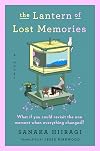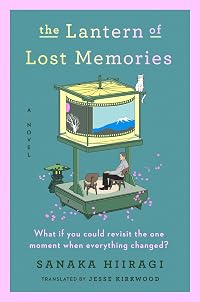
The Lantern of Lost Memories
by Sanaka Hiiragi
On This Page
Description
From acclaimed Japanese author Sanaka Hiigari comes a heartwarming, life-affirming novel about a magical photo studio, where people go after they die to view key moments from their life—and relive one precious memory before they pass into the afterlife.The hands and pendulum of the old wooden clock on the wall were motionless. Hirasaka cocked his head to listen, but the silence inside the photo studio was almost deafening. His leather shoes sank softly into the aging red carpet as he show more strode over to the arrangement of flowers on the counter and carefully adjusted the angle of the petals...
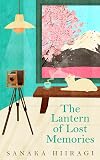
This is the story of the peculiar and magical photo studio owned by Mr. Hirasaka, a collector of antique cameras. In the dimly lit interior, a paper background is pulled down in front of a wall, and in front of it stands a single, luxurious chair with an armrest on one side. On a stand is a large bellows camera. On the left is the main studio; photos can also be taken in the courtyard.
Beyond its straightforward interior, however, is a secret. The studio is, in fact, the door to the afterlife, the place between life and death where those who have departed have a chance—one last time—to see their entire life flash before their eyes via Mr. Hirasaka's "spinning lantern of memories."
We meet Hatsue, a ninety-two year old woman who worked as a nursery teacher, the rowdy Waniguchi, a yakuza overseer in his life who is also capable of great compassion, and finally Mitsuru, a young girl who has died tragically young at the hands of abusive parents.
Sorting through the many photos of their lives, Mr. Hirasaka also offers guests a second gift: a chance to travel back in time to take a photo of one particular moment in their lives that they wish to cherish in a special way.
Full of charm and whimsy, The Lantern of Lost Memories will sweep you away to a world of nostalgia, laughter, and love.
. show less
Tags
Recommendations






























Member Reviews
‘’Forgetting everything I’ve ever known. My consciousness slowly vanishing.’’
Photos. A silence which contains the loudest of sounds.
Photos cannot capture sound. It’s strange, though, if we come to think about it. We take a photograph of a celebration, a trip, a ceremony. We see laughing faces frozen in time. Yet, the moment we see the capture, we can bring the sound of laughter or the songs, even the smells to mind. A photo is a strange thing, indeed. Long ago, people believed a photo could capture your soul. Spells are supposedly carried out using photos, after all…
And memory is the first thing that betrays us…
‘’What did he mean when he said he’d been ‘waiting’ for me?’’
A guide that has no memories of his show more own is waiting in a photography studio in the mountains. Mr Hirasaka, a simple young man, is waiting for those who have departed for the eternal journey. The spirits are asked to choose one photo for each year of their lives and they can return to a specific day of their life and photograph it again. These are the memories that will create a beautiful panorama as the lantern starts spinning, and their life will pass before their eyes like a film they have directed and starred in.
3 spirits. 3 lives. 3 photographs.
‘’It was during the gloaming, apparently, that all sorts of spirits came out to play.’’
The Old Lady and the Bus: An elderly lady narrates the time when she struggled to create a proper nursery school for her young pupils. When you are a teacher, this story hits differently, I must say. The joy and daily fight of being an educator is depicted to perfection.
‘’You were broken.’ said the Mouse, looking right at him. ‘And I couldn’t fix you.’
Dear Lord, this quote…
The Hero and the Mouse: A man who used to be a member of the Yakuza shows Hirasaka a period when he took two very different but equally vulnerable young boys under his wings. I cried reading the last page of this chapter…
‘’Burn it.
Burn it all.
Burn this stupid place to the ground.’’
Mitsuru and the Last Photo: I don’t know how anyone can read this chapter and feel their heart breaking.. We learn the answer to an important question that permeates the novel and verify (bitterly and repeatedly) that humans are the only beings capable of hurting their own children. Proceed with extreme caution with this chapter…
The overall tone of the book is one of the most profound I’ve ever encountered in contemporary Japanese Literature. This is anything but ‘light’. ‘Healing’, yes. ‘Light’? Far from it. The questions it poses are almost too ‘oppressive’ to contemplate. What happens after we are gone? The uncertainty of the unknown and the need for closure. Is looking back on your life closure? The joys, the sorrows, the regrets. The last ones must hurt the most. Do we forget our lives when we die? Start in a new place from scratch? It might be a pleasant thought, actually. How empty it may feel for the spirits that can see us but we can’t see them. But it is even worse to be invisible while you are alive…
From post-war Japan to the underbelly of the country, the writing has a feeling of quiet, a serenity and an underlying aura of dignity, result of a beautiful translation that didn't smother the cadence. Does it matter whether we are remembered? Does it make any difference?
In the end, no matter how hard you fought, how many you have loved, how many you have wronged, the destination is the same. And so is Hope…
Personally, I don’t care whether I am remembered or not when I die, but I’d hate to live a life full of regrets and constant what - ifs…
‘’If the man in her dream had taught her one thing above all else, it was hope. The ability to keep bouncing back. To keep raising her voice against the madness of the world.’’
My reviews can also be found on https://theopinionatedreaderblog.wordpress.com/ show less
Photos. A silence which contains the loudest of sounds.
Photos cannot capture sound. It’s strange, though, if we come to think about it. We take a photograph of a celebration, a trip, a ceremony. We see laughing faces frozen in time. Yet, the moment we see the capture, we can bring the sound of laughter or the songs, even the smells to mind. A photo is a strange thing, indeed. Long ago, people believed a photo could capture your soul. Spells are supposedly carried out using photos, after all…
And memory is the first thing that betrays us…
‘’What did he mean when he said he’d been ‘waiting’ for me?’’
A guide that has no memories of his show more own is waiting in a photography studio in the mountains. Mr Hirasaka, a simple young man, is waiting for those who have departed for the eternal journey. The spirits are asked to choose one photo for each year of their lives and they can return to a specific day of their life and photograph it again. These are the memories that will create a beautiful panorama as the lantern starts spinning, and their life will pass before their eyes like a film they have directed and starred in.
3 spirits. 3 lives. 3 photographs.
‘’It was during the gloaming, apparently, that all sorts of spirits came out to play.’’
The Old Lady and the Bus: An elderly lady narrates the time when she struggled to create a proper nursery school for her young pupils. When you are a teacher, this story hits differently, I must say. The joy and daily fight of being an educator is depicted to perfection.
‘’You were broken.’ said the Mouse, looking right at him. ‘And I couldn’t fix you.’
Dear Lord, this quote…
The Hero and the Mouse: A man who used to be a member of the Yakuza shows Hirasaka a period when he took two very different but equally vulnerable young boys under his wings. I cried reading the last page of this chapter…
‘’Burn it.
Burn it all.
Burn this stupid place to the ground.’’
Mitsuru and the Last Photo: I don’t know how anyone can read this chapter and feel their heart breaking.. We learn the answer to an important question that permeates the novel and verify (bitterly and repeatedly) that humans are the only beings capable of hurting their own children. Proceed with extreme caution with this chapter…
The overall tone of the book is one of the most profound I’ve ever encountered in contemporary Japanese Literature. This is anything but ‘light’. ‘Healing’, yes. ‘Light’? Far from it. The questions it poses are almost too ‘oppressive’ to contemplate. What happens after we are gone? The uncertainty of the unknown and the need for closure. Is looking back on your life closure? The joys, the sorrows, the regrets. The last ones must hurt the most. Do we forget our lives when we die? Start in a new place from scratch? It might be a pleasant thought, actually. How empty it may feel for the spirits that can see us but we can’t see them. But it is even worse to be invisible while you are alive…
From post-war Japan to the underbelly of the country, the writing has a feeling of quiet, a serenity and an underlying aura of dignity, result of a beautiful translation that didn't smother the cadence. Does it matter whether we are remembered? Does it make any difference?
In the end, no matter how hard you fought, how many you have loved, how many you have wronged, the destination is the same. And so is Hope…
Personally, I don’t care whether I am remembered or not when I die, but I’d hate to live a life full of regrets and constant what - ifs…
‘’If the man in her dream had taught her one thing above all else, it was hope. The ability to keep bouncing back. To keep raising her voice against the madness of the world.’’
My reviews can also be found on https://theopinionatedreaderblog.wordpress.com/ show less
This gorgeous story gives us a glimpse into the lives of three people, each who arrive after their deaths at a photo studio run by Hirasaka. They are able to select one photo from each year of their lives to add to the lantern that will essentially be their "life flashing before their eyes". We get to know Hatsue, a 92-year-old nursery school teacher, Waniguchi, a yakuza enforcer who befriends the odd repair man named Mouse, and Mitsuru, a young abused girl. This Japanese novel is gentle in its storytelling and I didn't need answers to how all of this afterlife limbo worked in order to appreciate the core message. The ending was so satisfying it made my heart hurt and I know I'll be thinking about these characters for a long time.
The Lantern of Lost Memories adds to the growing number of cosy Japanese novels translated into English, taking a different perspective on death and life. It’s short but sweet.
Like many others in this genre, the story is divided into sections that focus on a particular character and their life. The recurring character who has the ability to help the person is more of a secondary character. This would be familiar to readers of the Before the Coffee Gets Cold or Kamogawa Food Detectives series. In this story, that character is Hirasaka. He’s not alive and he’s not quite dead but his photo studio is for those in the same state to pick a number of photographs (one for each year of their life) to be added to a lantern which will show more display these as the characters move on to the afterlife. But sometimes these photographs have been looked at again and again as a cherished memory and they’ve faded. The person has the opportunity to return to that one special day of their life and take the photo again, using any camera of their choice. (Hirasaka has quite the collection).
There are three characters that Hirasaka meets in the novel. Hatsue is an old woman who chooses to go back to a day when she is a nursery school teacher after World War II. Waniguchi was a member of the yakuza who met an early death, but his choice of day is surprisingly touching as he goes back to the staff of the repair shop that was a front for other activities. The last story is about a young girl, Mitsuru, who doesn’t know where to visit. Hirasaka takes her on a fun day out, one that will change both their paths. I found the last story the most poignant, and also the most inspiring. Waniguchi’s compassion was also moving. Hatsue’s story was less affecting for me, perhaps because it was a lot longer (or seemed it) and less direct.
The idea for the story is touching, making the story a comforting read as the characters show the effects they had on the lives of others. Jesse Kirkwood once again does a great job with the translation (he’s also done the Kamogawa Food Detectives and A Perfect Day to Be Alone). Nothing feels awkward and the story flows seamlessly, capturing all the emotion as well as familiarising readers with Japanese aspects of life.
http://samstillreading.wordpress.com show less
Like many others in this genre, the story is divided into sections that focus on a particular character and their life. The recurring character who has the ability to help the person is more of a secondary character. This would be familiar to readers of the Before the Coffee Gets Cold or Kamogawa Food Detectives series. In this story, that character is Hirasaka. He’s not alive and he’s not quite dead but his photo studio is for those in the same state to pick a number of photographs (one for each year of their life) to be added to a lantern which will show more display these as the characters move on to the afterlife. But sometimes these photographs have been looked at again and again as a cherished memory and they’ve faded. The person has the opportunity to return to that one special day of their life and take the photo again, using any camera of their choice. (Hirasaka has quite the collection).
There are three characters that Hirasaka meets in the novel. Hatsue is an old woman who chooses to go back to a day when she is a nursery school teacher after World War II. Waniguchi was a member of the yakuza who met an early death, but his choice of day is surprisingly touching as he goes back to the staff of the repair shop that was a front for other activities. The last story is about a young girl, Mitsuru, who doesn’t know where to visit. Hirasaka takes her on a fun day out, one that will change both their paths. I found the last story the most poignant, and also the most inspiring. Waniguchi’s compassion was also moving. Hatsue’s story was less affecting for me, perhaps because it was a lot longer (or seemed it) and less direct.
The idea for the story is touching, making the story a comforting read as the characters show the effects they had on the lives of others. Jesse Kirkwood once again does a great job with the translation (he’s also done the Kamogawa Food Detectives and A Perfect Day to Be Alone). Nothing feels awkward and the story flows seamlessly, capturing all the emotion as well as familiarising readers with Japanese aspects of life.
http://samstillreading.wordpress.com show less
This is a charming and emotional novel that made me appreciate how fleeting and beautiful life’s moments really are. Set in a magical photo studio, those who have recently passed away are granted the chance to relive one treasured memory before moving on.
The characters in this book—whether it's a 92-year-old nursery teacher, a former yakuza member, or a young girl who tragically died too soon—all bring their own emotional baggage and backstories. Each one gives you a peek into different sides of life, regret, and the memories that shaped them.
But even though the book is about death, it actually feels more like a celebration of life's little moments. It manages to be touching and reflective without getting too heavy or depressing show more (except maybe the young girl's story, which broke my heart).
What I learned from this book:
First, cherish the little moments in life that we often overlook. These seemingly insignificant memories often end up defining who we are. And second, accept both the joys and losses in life and find peace in letting go when the time comes.
If you’re into magical realism or Japanese literature, you’ll enjoy this book. It has a calming yet thought-provoking vibe that fans of "Before the Coffee Gets Cold" by Toshikazu Kawaguchi will appreciate, especially if you love stories that are heartwarming but also make you reflect on life. show less
The characters in this book—whether it's a 92-year-old nursery teacher, a former yakuza member, or a young girl who tragically died too soon—all bring their own emotional baggage and backstories. Each one gives you a peek into different sides of life, regret, and the memories that shaped them.
But even though the book is about death, it actually feels more like a celebration of life's little moments. It manages to be touching and reflective without getting too heavy or depressing show more (except maybe the young girl's story, which broke my heart).
What I learned from this book:
First, cherish the little moments in life that we often overlook. These seemingly insignificant memories often end up defining who we are. And second, accept both the joys and losses in life and find peace in letting go when the time comes.
If you’re into magical realism or Japanese literature, you’ll enjoy this book. It has a calming yet thought-provoking vibe that fans of "Before the Coffee Gets Cold" by Toshikazu Kawaguchi will appreciate, especially if you love stories that are heartwarming but also make you reflect on life. show less
The Lantern of Lost Memories is, at the same time, a cohesive novel, and a collection of three short stories that seem only loosely connected until the end, when the connection becomes much clearer.
Each story begins with a delivery. The deliveryman, Yama, brings a box to Mr. Hirasaki and they have a cheerful exchange, as they always do. Yama comments on the size of the box, and makes a prediction about Mr. Hirasaki's next visitor based on the size and heft of the box. Each box contains photographs - precisely one photograph for every day of the life of the next to visit Mr. Hirasaki's photo studio.
The photo studio is a waystation between life and the afterlife. The recently deceased must sift through their individual boxes of photos and show more choose one for each year of their life. The photos will then be placed on a spinning lantern to give them a last chance to relive their favorite memories. Additionally, each person has the opportunity to go back to one day in their life to retake a photograph of a special memory.
Mr. Hirasaka is on hand for every stage of the journey from death to afterlife, but doesn’t know why he’s stuck in the liminal space of the photo studio. Unlike his guests, he has no memories of his life or his death, and only a single photograph of himself to go by. As the last story wraps up, and the threads begin to tie together, we get hints of why this is so, but no clear picture (pun intended) emerges. Perhaps a sequel is in the works in which Mr. Hirasaka will help more people make the transition from life to death and will also learn more about himself.
Overall, a thoughtful and reflective addition to the healing fiction genre. show less
Each story begins with a delivery. The deliveryman, Yama, brings a box to Mr. Hirasaki and they have a cheerful exchange, as they always do. Yama comments on the size of the box, and makes a prediction about Mr. Hirasaki's next visitor based on the size and heft of the box. Each box contains photographs - precisely one photograph for every day of the life of the next to visit Mr. Hirasaki's photo studio.
The photo studio is a waystation between life and the afterlife. The recently deceased must sift through their individual boxes of photos and show more choose one for each year of their life. The photos will then be placed on a spinning lantern to give them a last chance to relive their favorite memories. Additionally, each person has the opportunity to go back to one day in their life to retake a photograph of a special memory.
Mr. Hirasaka is on hand for every stage of the journey from death to afterlife, but doesn’t know why he’s stuck in the liminal space of the photo studio. Unlike his guests, he has no memories of his life or his death, and only a single photograph of himself to go by. As the last story wraps up, and the threads begin to tie together, we get hints of why this is so, but no clear picture (pun intended) emerges. Perhaps a sequel is in the works in which Mr. Hirasaka will help more people make the transition from life to death and will also learn more about himself.
Overall, a thoughtful and reflective addition to the healing fiction genre. show less
Hirasaka regenta un estudio de fotografía en la frontera entre el mundo de los vivos y el de los muertos. Cuando sus clientes acuden a su negocio, él les da la bienvenida con una taza de té, les comunica que han fallecido y los prepara para despedirse. Antes de que abandonen ese lugar de paso, les entrega una pila de fotos de su vida para que elijan una por año. Además, tienen la oportunidad de revisitar el pasado y capturar un instante importante para ellos. Hecho esto, Hirasaka coloca las imágenes en un proyector y su invitado puede ver pasar su vida ante sus ojos. Tres personas llegan al establecimiento para embarcarse en su último viaje: Hatsue, una anciana exprofesora; Waniguchi, un miembro de la yakuza, y Mitsuru, una niña show more que sufrió un trágico destino. Sin embargo, mientras lleva a cabo su trabajo, Hirasaka se ve asediado por una pregunta que es incapaz de responder… ¿Dónde están sus propios recuerdos? show less
Another Japanese novel that defies description.
The Western novel with its story arc and hero’s journey has become so cliched and ubiquitous to now resemble the literary equivalent of reggae music, indistinguishable and boring.
The Lantern Of Lost Memories just starts, no pre-amble, just straight in. A feature of other such Japanese books is that characters just appear with no back story, this one is different in the main character’s back story is that he has no backstory.
The experience of reading this book is nothing short of enchanting, like a poetic interlude in our quotidian lives.
It really brought home to me just how prosaic most books are, whatever this book does, it certainly talked to a part of me that I’d forgotten show more existed since the last Japanese book I read.
I am so grateful to have encountered this book. show less
The Western novel with its story arc and hero’s journey has become so cliched and ubiquitous to now resemble the literary equivalent of reggae music, indistinguishable and boring.
The Lantern Of Lost Memories just starts, no pre-amble, just straight in. A feature of other such Japanese books is that characters just appear with no back story, this one is different in the main character’s back story is that he has no backstory.
The experience of reading this book is nothing short of enchanting, like a poetic interlude in our quotidian lives.
It really brought home to me just how prosaic most books are, whatever this book does, it certainly talked to a part of me that I’d forgotten show more existed since the last Japanese book I read.
I am so grateful to have encountered this book. show less
Members
- Recently Added By
Lists

Books Read in 2024
4,727 works; 128 members

Fiction: Asia
85 works; 2 members
Author Information
6 Works 325 Members
Some Editions
Awards and Honors
Distinctions
Common Knowledge
- Original publication date
- 2024
- Original language
- Japanese
Classifications
- Genres
- General Fiction, Fiction and Literature, Fantasy
- DDC/MDS
- 895.63 — Literature & rhetoric Literatures of other languages Literatures of East and Southeast Asia Japanese Japanese fiction
- LCC
- PL879.3 .I3 .J513 — Language and Literature Languages and literatures of Eastern Asia, Africa, Oceania Languages of Eastern Asia, Africa, Oceania Japanese language and literature Japanese literature
- BISAC
Statistics
- Members
- 322
- Popularity
- 101,230
- Reviews
- 13
- Rating
- (4.00)
- Languages
- 8 — Catalan, English, French, German, Italian, Polish, Portuguese, Spanish
- Media
- Paper, Audiobook, Ebook
- ISBNs
- 22
- ASINs
- 6