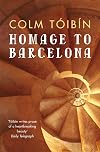
Homage to Barcelona
by Colm Tóibín
On This Page
Description
Written with deep knowledge and affection, Homage to Barcelona is a sensuous and beguiling portrait of a great Mediterranean city.This book celebrates one of Europe's greatest cities - a cosmopolitan hub of vibrant architecture, art, culture and nightlife. It moves from the story of the city's founding and its huge expansion in the nineteenth century to the lives of Gaudí, Miró, Picasso, Casals and Dalí. It also explores the history of Catalan nationalism, the tragedy of the Civil War, show more the Franco years and the transition from dictatorship to democracy which Colm Tóibín witnessed in the 1970s. Written with deep knowledge and affection, Homage to Barcelona is a sensuous and beguiling portrait of a unique Mediterranean port and an adopted home. 'Tóibín has the narrative poise of Brian Moore and the patient eye for domestic detail of John McGahern, but he is very much his own man' Observer 'Having lived in Barcelona off and on since the 70s, Toibin knows all the fascinations of its sensuous Mediterranean history and lifestyle and "the most precious jewels in the city's treasury of bars" . . . Tóibín is the perfect guide' Chicago Tribune show lessTags
Recommendations












Member Reviews
The Irish author Colm Tóibín wrote this extended love letter to his second home during his second extended stay there in 1988, 10 years after he first left. He first arrived there in 1975, as a 20 year old recent college graduate, two months before the death of General Francisco Franco. Tóibín begins the book by providing a first hand account of those heady and uncertain days following Franco's death, when no one knew what freedoms would be permitted, or whether democracy would truly take hold in the country after nearly 40 years of civil war and fascist rule. A rich description of the Gothic Quarter (Barri Gòtic), the center of the old city, follows, along with a brief history of the city, Catalonia as a whole, and its unique show more language, cuisine and relationship with Spain. Separate chapters are dedicated to the lives and influences of Antonio Gaudí, the Modernist architect whose unorthodox creations are featured throughout the city, including the still uncompleted Sagrada Família and the Casa Batlló, Pablo Picasso and Joan Miró.
Tóibín also describes the major political and factions that dominated the city in the years preceding and during the Spanish Civil War, particularly the wealthy landowners and industrialists, who refused to provide their employees with a decent standard of living and occasionally beat and killed those who dared complain; the trade unions that arose in response to the inhumane treatment of the workers; the Anarchists, whose violent opposition to the Church and the wealthy elite led to the deaths of hundreds of priests; the Communists; and the Republican government, which ultimately fell to the rebels led by Franco and his colleagues during the Civil War.
In later chapters he explores smaller towns in Catalonia, including the medieval city of Girona, known for its Passion Play about the last days of Jesus Christ and the macabre and dangerous Dance of Death that only residents can attend; the Costa Brava, which has become a favored destination for tourists but still holds pockets of isolated beauty; and Llavorsí, a mountainous village that has also experienced a not completely welcome transformation due to the influence of non-Catalonians.
Throughout the book Tóibín compares his impressions of Catalonia during his first stay from 1975-1978 with his subsequent ones in 1988. The book closes with the preparations underway in the city for the 1992 Summer Olympic Games, which seem to be disjointed, disruptive and a vague threat to that unique region.
Homage to Barcelona was a superb and beautifully written introduction to a city which I plan to visit for the first time later this year. At just over 200 pages it would serve well as a portable cultural guide to Barcelona and Catalonia, although it is now a bit dated nearly 25 years after its initial release. My only disappointment was that Tóibín only dedicated a couple of paragraphs to the region's leading authors and those non-Catalonians who have written about the city. show less
Tóibín also describes the major political and factions that dominated the city in the years preceding and during the Spanish Civil War, particularly the wealthy landowners and industrialists, who refused to provide their employees with a decent standard of living and occasionally beat and killed those who dared complain; the trade unions that arose in response to the inhumane treatment of the workers; the Anarchists, whose violent opposition to the Church and the wealthy elite led to the deaths of hundreds of priests; the Communists; and the Republican government, which ultimately fell to the rebels led by Franco and his colleagues during the Civil War.
In later chapters he explores smaller towns in Catalonia, including the medieval city of Girona, known for its Passion Play about the last days of Jesus Christ and the macabre and dangerous Dance of Death that only residents can attend; the Costa Brava, which has become a favored destination for tourists but still holds pockets of isolated beauty; and Llavorsí, a mountainous village that has also experienced a not completely welcome transformation due to the influence of non-Catalonians.
Throughout the book Tóibín compares his impressions of Catalonia during his first stay from 1975-1978 with his subsequent ones in 1988. The book closes with the preparations underway in the city for the 1992 Summer Olympic Games, which seem to be disjointed, disruptive and a vague threat to that unique region.
Homage to Barcelona was a superb and beautifully written introduction to a city which I plan to visit for the first time later this year. At just over 200 pages it would serve well as a portable cultural guide to Barcelona and Catalonia, although it is now a bit dated nearly 25 years after its initial release. My only disappointment was that Tóibín only dedicated a couple of paragraphs to the region's leading authors and those non-Catalonians who have written about the city. show less
Of all the books about Barcelona I have read, this was the most atmospheric and personal one. Nice reading, but I learned least factual information about Barcelona from it.
I would recommend Barcelona- the Great Enchantress for a similar style of a personal narrative, more info and a better story.
I would recommend Barcelona- the Great Enchantress for a similar style of a personal narrative, more info and a better story.
This is a well book on Barcelona, Spain, written just befor the Bacelona Olympics. Tobin gives a very personal look at the city and its history. He has chapters on some of the great artists from Catalonia, including Gaudi, Miro, Picasso, and Lorca. He also discusses the sufferings of the city under Franco and during the Civil War. A little dated at this point, but a good read.
1
Nov 30, 2025Spanish
A book on Barcelona, Spain, written just befor the Bacelona Olympics. Tobin gives a very, very personal look at the city and its history. He has chapters on some of the great artists from Catalonia, including Gaudi, Miro, Picasso, and Lorca. He also discusses the sufferings of the city under Franco and during the Civil War. A little dated at this point, but a good read. ( )
vota | señalavpfluke | Sep 20, 2014 |
The Irish author Colm Tóibín wrote this extended love letter to his second home during his second extended stay there in 1988, 10 years after he first left. He first arrived there in 1975, as a 20 year old recent college graduate, two months before the death of General Francisco Franco. Tóibín begins the book by providing a show more first hand account of those heady and uncertain days following Franco's death, when no one knew what freedoms would be permitted, or whether democracy would truly take hold in the country after nearly 40 years of civil war and fascist rule. A rich description of the Gothic Quarter (Barri Gòtic), the center of the old city, follows, along with a brief history of the city, Catalonia as a whole, and its unique language, cuisine and relationship with Spain. Separate chapters are dedicated to the lives and influences of Antonio Gaudí, the Modernist architect whose unorthodox creations are featured throughout the city, including the still uncompleted Sagrada Família and the Casa Batlló, Pablo Picasso and Joan Miró.
Tóibín also describes the major political and factions that dominated the city in the years preceding and during the Spanish Civil War, particularly the wealthy landowners and industrialists, who refused to provide their employees with a decent standard of living and occasionally beat and killed those who dared complain; the trade unions that arose in response to the inhumane treatment of the workers; the Anarchists, whose violent opposition to the Church and the wealthy elite led to the deaths of hundreds of priests; the Communists; and the Republican government, which ultimately fell to the rebels led by Franco and his colleagues during the Civil War.
In later chapters he explores smaller towns in Catalonia, including the medieval city of Girona, known for its Passion Play about the last days of Jesus Christ and the macabre and dangerous Dance of Death that only residents can attend; the Costa Brava, which has become a favored destination for tourists but still holds pockets of isolated beauty; and Llavorsí, a mountainous village that has also experienced a not completely welcome transformation due to the influence of non-Catalonians.
Throughout the book Tóibín compares his impressions of Catalonia during his first stay from 1975-1978 with his subsequent ones in 1988. The book closes with the preparations underway in the city for the 1992 Summer Olympic Games, which seem to be disjointed, disruptive and a vague threat to that unique region.
Homage to Barcelona was a superb and beautifully written introduction to a city which I plan to visit for the first time later this year. At just over 200 pages it would serve well as a portable cultural guide to Barcelona and Catalonia, although it is now a bit dated nearly 25 years after its initial release. My only disappointment was that Tóibín only dedicated a couple of paragraphs to the region's leading authors and those non-Catalonians who have written about the city. ( )
7 vota | señalakidzdoc | Jan 9, 2014 | I Totally agree with you, But after 1998 Barcelona has change a lot show less
vota | señalavpfluke | Sep 20, 2014 |
The Irish author Colm Tóibín wrote this extended love letter to his second home during his second extended stay there in 1988, 10 years after he first left. He first arrived there in 1975, as a 20 year old recent college graduate, two months before the death of General Francisco Franco. Tóibín begins the book by providing a show more first hand account of those heady and uncertain days following Franco's death, when no one knew what freedoms would be permitted, or whether democracy would truly take hold in the country after nearly 40 years of civil war and fascist rule. A rich description of the Gothic Quarter (Barri Gòtic), the center of the old city, follows, along with a brief history of the city, Catalonia as a whole, and its unique language, cuisine and relationship with Spain. Separate chapters are dedicated to the lives and influences of Antonio Gaudí, the Modernist architect whose unorthodox creations are featured throughout the city, including the still uncompleted Sagrada Família and the Casa Batlló, Pablo Picasso and Joan Miró.
Tóibín also describes the major political and factions that dominated the city in the years preceding and during the Spanish Civil War, particularly the wealthy landowners and industrialists, who refused to provide their employees with a decent standard of living and occasionally beat and killed those who dared complain; the trade unions that arose in response to the inhumane treatment of the workers; the Anarchists, whose violent opposition to the Church and the wealthy elite led to the deaths of hundreds of priests; the Communists; and the Republican government, which ultimately fell to the rebels led by Franco and his colleagues during the Civil War.
In later chapters he explores smaller towns in Catalonia, including the medieval city of Girona, known for its Passion Play about the last days of Jesus Christ and the macabre and dangerous Dance of Death that only residents can attend; the Costa Brava, which has become a favored destination for tourists but still holds pockets of isolated beauty; and Llavorsí, a mountainous village that has also experienced a not completely welcome transformation due to the influence of non-Catalonians.
Throughout the book Tóibín compares his impressions of Catalonia during his first stay from 1975-1978 with his subsequent ones in 1988. The book closes with the preparations underway in the city for the 1992 Summer Olympic Games, which seem to be disjointed, disruptive and a vague threat to that unique region.
Homage to Barcelona was a superb and beautifully written introduction to a city which I plan to visit for the first time later this year. At just over 200 pages it would serve well as a portable cultural guide to Barcelona and Catalonia, although it is now a bit dated nearly 25 years after its initial release. My only disappointment was that Tóibín only dedicated a couple of paragraphs to the region's leading authors and those non-Catalonians who have written about the city. ( )
7 vota | señalakidzdoc | Jan 9, 2014 | I Totally agree with you, But after 1998 Barcelona has change a lot show less
Aug 22, 2015Spanish
Members
- Recently Added By
Author Information

88+ Works 25,448 Members
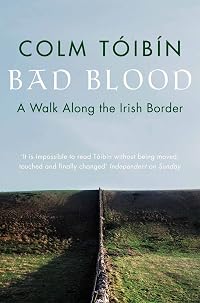
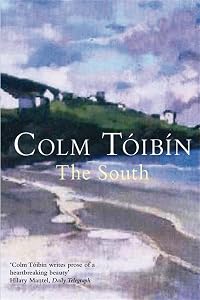
Colm Tóibín was born in Enniscorthy, Ireland in 1955. He studied history and English at University College Dublin, earning his B.A. in 1975. After graduating he moved to Barcelona for three years and taught at the Dublin School of English. In 1978 he returned to Dublin and began working on an M.A. in Modern English and American Literature. He show more wrote for In Dublin, Hibernia, and The Sunday Tribune. He became the Features Editor of In Dublin in 1981, and then a year later accepted the position of Editor for the Irish current affairs magazine Magill. His first book, Walking Along the Border, was published in 1987 and his first novel, The South, was published in 1990. He wrote for The Sunday Independent as a drama or television critic and political commentator. He writes regularly for The London Review of Books. He has written several other novels including The Story of the Night, The Blackwater Lightship, Brooklyn, The Testament of Mary, and Nora Webster. The Heather Blazing received the 1993 Encore Award and The Master received the 2006 International IMPAC Dublin Literary Award, the Stonewall Book Award, and the Lambda Literary Award. In 2015 he made The New Zealand High Profile Titles List with All The Light We Cannot See. He was short listed for the 2015 Folio Prize for his title Nora Webster. (Bowker Author Biography) show less
Some Editions
Series
Belongs to Publisher Series
Columna Textos (49)
Common Knowledge
- Canonical title
- Homage to Barcelona
- Important places
- Barcelona, Catalonia, Spain
- First words
- I remember the strange humidity during that first September in the city.
Classifications
- Genres
- Travel, Nonfiction, General Nonfiction, Biography & Memoir
- DDC/MDS
- 946.72 — History & geography History of Europe Spain & Portugal Catalonia; Balearic isles; Valencia; Murcia; Andorra Barcelona
- LCC
- DP402 .B265 .T65 — History of Europe, Asia, Africa and Oceania Spain – Portugal History of Spain Local history and description Other cities, towns, etc., A-Z
- BISAC
Statistics
- Members
- 296
- Popularity
- 108,642
- Reviews
- 7
- Rating
- (3.64)
- Languages
- Catalan, English, Portuguese, Spanish
- Media
- Paper, Ebook
- ISBNs
- 11
- ASINs
- 2