On This Page
Description
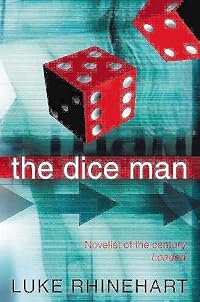
The cult classic that can still change your life…Let the dice decide! This is the philosophy that changes the life of bored psychiatrist Luke Rhinehart-and in some ways changes the world as well. Because once you hand over your life to the dice, anything can happen. Entertaining, humorous, scary, shocking, subversive, The Dice Man is one of the cult bestsellers of our time.|Luke Rhinehart has written four other acclaimed novels: Matari, Long Voyage Back, Adventures of Wim and The Search show more for the Dice Man, sequel to the bestselling The Dice Man. show lessTags
Recommendations



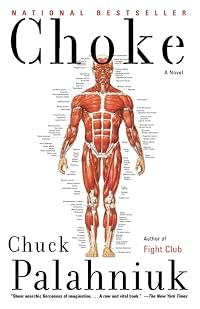
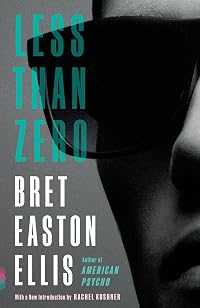
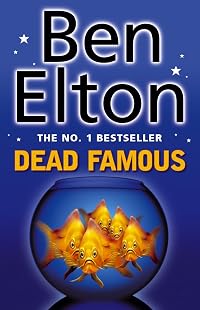
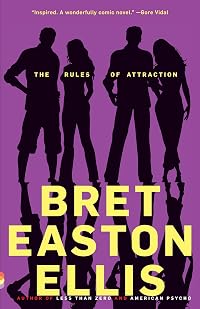
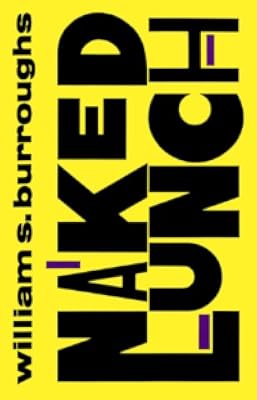
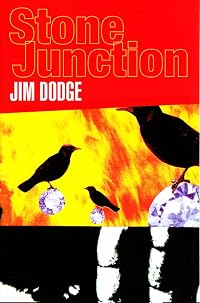
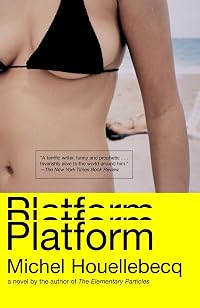

Member Recommendations
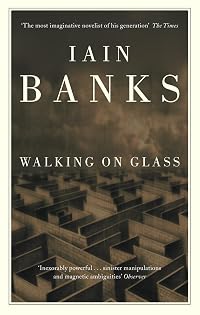
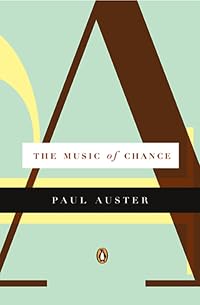
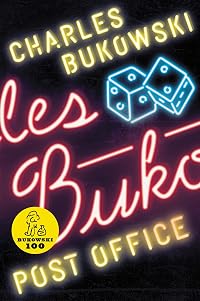
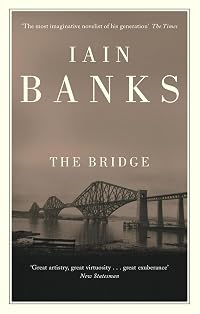
LadyHazy Another story about a central character who puts restrictions on his decision making, thus changing the outcome of their life.

Member Reviews
The claim that "this book will change your life" is one I have heard many times before, and it often fails to do so. In this case however it did.
The book spends its first few chapter building up your sense of the established order, only for it to be rapidly torn down in the following ones. As you follow Luke on the roller coaster ride that is the life of the die you see him slowly destroy everything we hold dear to us, yet you also see him have moments of questioning what he is doing. It is this aspect that makes him come to life.
You will find yourself both repulsed and attracted at the thought of The Dice Man.
After reading this book, I thought well it hasn't changed my life, but I was wrong. I found myself paying more attention to my show more desires and all the little voices. I found myself questionning what I had previously taken for granted. I may not have gone to such an extreme as Luke, but I have certainly discovered more about myself, my stereotypes, and ultimately society.
This book HAS changed my life... and I don't regret it. show less
The book spends its first few chapter building up your sense of the established order, only for it to be rapidly torn down in the following ones. As you follow Luke on the roller coaster ride that is the life of the die you see him slowly destroy everything we hold dear to us, yet you also see him have moments of questioning what he is doing. It is this aspect that makes him come to life.
You will find yourself both repulsed and attracted at the thought of The Dice Man.
After reading this book, I thought well it hasn't changed my life, but I was wrong. I found myself paying more attention to my show more desires and all the little voices. I found myself questionning what I had previously taken for granted. I may not have gone to such an extreme as Luke, but I have certainly discovered more about myself, my stereotypes, and ultimately society.
This book HAS changed my life... and I don't regret it. show less
The fantastic premise and story is overshadowed entirely by the raunch and ugliness in this 1971 novel. I've read CATCH-22 and CUCKOO'S NEST which bear some similarity, but the level of misogyny here was disgusting, and I can overlook a lot. I quit halfway through - but changed my mind and decided to see what would happen.
Psychiatrist Luke Rhinehart is bored with his life, so one night he decides to roll some dice to tell him whether to rape Arlene, family friend, colleague's wife, and upstairs neighbor. The dice say to do it. So he "rapes" her (she wants it).
Exhilarated, he starts applying dice throws to other decisions in his life. Things go crazy quick. He feels he has stumbled upon a deep psychological discovery:
"It was the goddam show more sense of having a self. What if - at the time it seemed like an original thought - what if the development of a sense of self is normal and natural, but is neither inevitable nor desirable? What if it represents a psychological appendix: a useless, anachronistic pain in the side?" Soon he has given up control of his entire life to the dice.
After he's done this for some period of time, the thought of going back to pre-dice life frightens him. "I thought of writing that from then on all dice decisions would be recommendations and not commands. In effect, I would be changing the role of dice from commander-in-chief to advisory council. The threat of having 'free will' again paralyzed me; I never wrote the option."
His wife at first has no idea what's going on, only sees him going crazy; feels she's going crazy herself seeing him swing from loving to distant seemingly on random whim (actually on random dice throws). One day the dice tell him to leave her and the children forever. It's the hardest thing they have ever told him to do (worse than rape and murder) but he does it.
Another woman he takes up with demands, "How am I supposed to enjoy being with you if I feel you can go 'poof' at any minute from some random fall of a die?" "Everything may evaporate at any instant," he retorts. "Everything! You, me, the most rocklike personality since Calvin Coolidge: death, destruction, despair may strike. To live your life assuming otherwise is insanity."
I kept reading for the insights like this. And I went back to it after I quit because it really was a gripping story. At once point, when the dice tell him to murder someone he knows, he makes a list of 36 people and asks the dice to tell him who. His wife and kids are on the list. (Why does he put these horrible things on the lists in the first place!?!) I found myself actually covering the end of the chapter with my fingers so that I couldn't accidentally see the name of the victim in advance. That's a gripping story.
Another book it reminded me of, and maybe was trying to emulate, was LOLITA, in its first-person unapologetic wacko humor in the midst of disgusting subject matter - but in no way shape or form does it ever approach the literary quality of that classic.
Full disclosure, I am someone who has used random number generators to decide things like what to eat. NOT whom to murder, though. show less
Psychiatrist Luke Rhinehart is bored with his life, so one night he decides to roll some dice to tell him whether to rape Arlene, family friend, colleague's wife, and upstairs neighbor. The dice say to do it. So he "rapes" her (she wants it).
Exhilarated, he starts applying dice throws to other decisions in his life. Things go crazy quick. He feels he has stumbled upon a deep psychological discovery:
"It was the goddam show more sense of having a self. What if - at the time it seemed like an original thought - what if the development of a sense of self is normal and natural, but is neither inevitable nor desirable? What if it represents a psychological appendix: a useless, anachronistic pain in the side?" Soon he has given up control of his entire life to the dice.
After he's done this for some period of time, the thought of going back to pre-dice life frightens him. "I thought of writing that from then on all dice decisions would be recommendations and not commands. In effect, I would be changing the role of dice from commander-in-chief to advisory council. The threat of having 'free will' again paralyzed me; I never wrote the option."
His wife at first has no idea what's going on, only sees him going crazy; feels she's going crazy herself seeing him swing from loving to distant seemingly on random whim (actually on random dice throws). One day the dice tell him to leave her and the children forever. It's the hardest thing they have ever told him to do (worse than rape and murder) but he does it.
Another woman he takes up with demands, "How am I supposed to enjoy being with you if I feel you can go 'poof' at any minute from some random fall of a die?" "Everything may evaporate at any instant," he retorts. "Everything! You, me, the most rocklike personality since Calvin Coolidge: death, destruction, despair may strike. To live your life assuming otherwise is insanity."
I kept reading for the insights like this. And I went back to it after I quit because it really was a gripping story. At once point, when the dice tell him to murder someone he knows, he makes a list of 36 people and asks the dice to tell him who. His wife and kids are on the list. (Why does he put these horrible things on the lists in the first place!?!) I found myself actually covering the end of the chapter with my fingers so that I couldn't accidentally see the name of the victim in advance. That's a gripping story.
Another book it reminded me of, and maybe was trying to emulate, was LOLITA, in its first-person unapologetic wacko humor in the midst of disgusting subject matter - but in no way shape or form does it ever approach the literary quality of that classic.
Full disclosure, I am someone who has used random number generators to decide things like what to eat. NOT whom to murder, though. show less
Like nothing else you or I have ever read. This story of a psychologist who decides to guide his life using the results of a die toss is alternately hysterical, horrifying, and pornographic--but never less than engrossing. And through it all, despite the randomness of it all, it somehow remains quite serious in its depiction of the failure of "normal" practices to consistently cure anyone of their phobias and other mental issues. The transformation of the narrator (a pseudonym also used by author George Cockroft for his later novels) is like watching a car wreck--but is it really a transformation if it is all dictated by the die (or in the case of really complex decisions, the dice?) He even attracts followers from the most unlikely show more places. The book is full of memorable scenes, such as Rhinehart's hearing before the Psychiatrist's Association of New York, which is a high point, as are some of the letters he receives from fans, and the way his colleague, Dr. Jake Ecstein, behaves, despite being the victim of Rhinehart's initial dice-dictated outrage. But there's no way to really describe the joys of reading this book without giving too much away. Just try it. If you're not hooked in the first few pages, maybe you're just not a diceperson. show less
"It's the way a man chooses to limit himself that determines his character. A man without habits, consistency, redundancy-and hence boredom-is not human. He's insane."
I first heard mention of The Dice Man in a walking magazine of all things, of using a dice to decide which direction you should take (within limits) when you got to a path junction, so when I spotted it only a couple of weeks later I couldn't resist picking it up. Imagine living your life at the whim of a roll of a dice, every decision you make left to chance.
Luke Rhinehart, a Manhattan psychiatrist,finds himself stuck in a rut. He has a successful practice, a loving wife and two kids but feels his life is empty. Even worse, he sees no possibility of it improving. One show more night, he decides to roll a die to determine whether he should go and rape the wife of one of his friends and neighbour. The die tells him to do it and so he proceeds to the neighbours apartment where the woman quickly consents. From that point forward, Rhinehart gradually turns all of his decisions over to the dice and as he throws off his own restraints, so he also begins to preach the virtues of “dice living” to the general public, causing many people to abandon their lives to the whims of the dice.
There is certainly a sardonic humour here as it questions the norms of civilised society and what constitutes madness but it is more bludgeoning than subtle:
“This is a great land of freedom but it isn’t made for people who insist on insisting on their own ideas”
“Tell me the manner in which a patient commits suicide and I’ll tell you how he can be cured".
It also touches on some pretty thorny topics like religion, homosexuality, child molestation and murder amongst others, however, far too much of the book seems to simply centre on the author's sexual fantasies. I certainly would not regard myself as a prude but after a while these simply became repetitive, like something that you would find in "Playboy" or a similar publication.
Set in 1969 and written in the early 1970's towards the end of 'free love' and the height of the Cold War when world annihilation seemed a real possibility this is a book that sets out to shock. Whilst some of the humour could certainly be described as edgy (some of the character names are certainly amusing)and I found myself wanting to turn the pages to find out what happened next I also felt that it rather ran out of steam, as if the author had run out of ways to shock the reader, meaning that some of the jokes fell flat. As such this book although it still has the power to shock and offend it also feels of it's time.
This is certainly what can best be described as a Marmite book, some will certainly love it, some will hate it but everybody will find something distasteful about it. However, it also asks the reader a question. Will breaking the patterns of our lives lead to fuller ones?
“From children to men we cage ourselves in patterns to avoid facing new problems and possible failure; after a while men become bored because there are no new problems. Such is life under the fear of failure” show less
I first heard mention of The Dice Man in a walking magazine of all things, of using a dice to decide which direction you should take (within limits) when you got to a path junction, so when I spotted it only a couple of weeks later I couldn't resist picking it up. Imagine living your life at the whim of a roll of a dice, every decision you make left to chance.
Luke Rhinehart, a Manhattan psychiatrist,finds himself stuck in a rut. He has a successful practice, a loving wife and two kids but feels his life is empty. Even worse, he sees no possibility of it improving. One show more night, he decides to roll a die to determine whether he should go and rape the wife of one of his friends and neighbour. The die tells him to do it and so he proceeds to the neighbours apartment where the woman quickly consents. From that point forward, Rhinehart gradually turns all of his decisions over to the dice and as he throws off his own restraints, so he also begins to preach the virtues of “dice living” to the general public, causing many people to abandon their lives to the whims of the dice.
There is certainly a sardonic humour here as it questions the norms of civilised society and what constitutes madness but it is more bludgeoning than subtle:
“This is a great land of freedom but it isn’t made for people who insist on insisting on their own ideas”
“Tell me the manner in which a patient commits suicide and I’ll tell you how he can be cured".
It also touches on some pretty thorny topics like religion, homosexuality, child molestation and murder amongst others, however, far too much of the book seems to simply centre on the author's sexual fantasies. I certainly would not regard myself as a prude but after a while these simply became repetitive, like something that you would find in "Playboy" or a similar publication.
Set in 1969 and written in the early 1970's towards the end of 'free love' and the height of the Cold War when world annihilation seemed a real possibility this is a book that sets out to shock. Whilst some of the humour could certainly be described as edgy (some of the character names are certainly amusing)and I found myself wanting to turn the pages to find out what happened next I also felt that it rather ran out of steam, as if the author had run out of ways to shock the reader, meaning that some of the jokes fell flat. As such this book although it still has the power to shock and offend it also feels of it's time.
This is certainly what can best be described as a Marmite book, some will certainly love it, some will hate it but everybody will find something distasteful about it. However, it also asks the reader a question. Will breaking the patterns of our lives lead to fuller ones?
“From children to men we cage ourselves in patterns to avoid facing new problems and possible failure; after a while men become bored because there are no new problems. Such is life under the fear of failure” show less
Wow. How do I begin describing this book?
Perhaps I should note why I even asked for this as a Christmas gift. I had heard about it via a song by one of my favorite bands, Talk Talk. A book that would inspire a song…and a song by Mark Hollis, no less. "The dice decide my fate," it says. Interesting. And that's the basic idea here: a practicing psychiatrist who has pretty much the ideal life by most of our standards is bored, apparently, and one day by inspiration decides…well, he decides he will make no more decisions. At least without consulting the dice. First, it's whether he will go downstairs and "rape" his best friend and partner's wife…
(Jim notes: Rhinehart calls it "rape", but the act appears to be consensual. More or less. show more Don't blame me, I'm only reporting this stuff.)
…and as time goes by, it develops into more of a therapy for himself, and then for patients. And then, a way of life. And then, a religion, based only totally random existence. It's kinda seductive in a bizarre way: you make no more decisions, the die makes them all. Want to know what you're going to do tomorrow? Sit down, write out a list of possibilities—throw in something outrageous for variety's sake, say, "I will go out and murder someone"—and then throw the dice. Whatever comes up, do it! And you MUST do it…otherwise the whole idea of the totally random life fails.
Obviously, this is not a book for everybody. It is potentially offensive on so many levels I can barely list them…it's profane, it's borderline pornographic, and it's almost completely wonderful. It goes on perhaps a bit too long for what it's about, and some of the sex scenes are WAY over the top. Your mileage, as they say, may vary. The point of view changes frequently during the story as well, and at times it seems pretty schizophrenic. But dammit, it fits within the context of the notion of randomness. But otherwise I can't fault it much. The scene describing where Luke manages to break out 38 mental patients—some of them quite violent—on the pretext of taking them to see "Hair" is a riot, but pales when compared to a (needlessly) graphic depiction of a "therapy" session arranged with a female patient. Research, you know. Some research! And Rhinehart's identity changes at least three times during this little vignette…
I can imagine there are probably some folks who took this thing as a cue for changing their own lives; in fact, the book itself reads, "Few books can change your life. This one can." Well, maybe, but not in any way I'd care to explore seriously. Or, as Mark Hollis said, "A good book, not a lifestyle I'd recommend." Still, it was deeply fascinating, almost disturbingly so.
"Create the options. Shake the dice. All else is nonsense."
Enjoy. Or not. show less
Perhaps I should note why I even asked for this as a Christmas gift. I had heard about it via a song by one of my favorite bands, Talk Talk. A book that would inspire a song…and a song by Mark Hollis, no less. "The dice decide my fate," it says. Interesting. And that's the basic idea here: a practicing psychiatrist who has pretty much the ideal life by most of our standards is bored, apparently, and one day by inspiration decides…well, he decides he will make no more decisions. At least without consulting the dice. First, it's whether he will go downstairs and "rape" his best friend and partner's wife…
(Jim notes: Rhinehart calls it "rape", but the act appears to be consensual. More or less. show more Don't blame me, I'm only reporting this stuff.)
…and as time goes by, it develops into more of a therapy for himself, and then for patients. And then, a way of life. And then, a religion, based only totally random existence. It's kinda seductive in a bizarre way: you make no more decisions, the die makes them all. Want to know what you're going to do tomorrow? Sit down, write out a list of possibilities—throw in something outrageous for variety's sake, say, "I will go out and murder someone"—and then throw the dice. Whatever comes up, do it! And you MUST do it…otherwise the whole idea of the totally random life fails.
Obviously, this is not a book for everybody. It is potentially offensive on so many levels I can barely list them…it's profane, it's borderline pornographic, and it's almost completely wonderful. It goes on perhaps a bit too long for what it's about, and some of the sex scenes are WAY over the top. Your mileage, as they say, may vary. The point of view changes frequently during the story as well, and at times it seems pretty schizophrenic. But dammit, it fits within the context of the notion of randomness. But otherwise I can't fault it much. The scene describing where Luke manages to break out 38 mental patients—some of them quite violent—on the pretext of taking them to see "Hair" is a riot, but pales when compared to a (needlessly) graphic depiction of a "therapy" session arranged with a female patient. Research, you know. Some research! And Rhinehart's identity changes at least three times during this little vignette…
I can imagine there are probably some folks who took this thing as a cue for changing their own lives; in fact, the book itself reads, "Few books can change your life. This one can." Well, maybe, but not in any way I'd care to explore seriously. Or, as Mark Hollis said, "A good book, not a lifestyle I'd recommend." Still, it was deeply fascinating, almost disturbingly so.
"Create the options. Shake the dice. All else is nonsense."
Enjoy. Or not. show less
Jag hare läst mycket men tärningspelaren är nog den mest sjuka och skruvade bok och samtidigt är den smart och får en ifrågasätta våra normer och krav som samhället ställer på varje individ utan att vi läger märke till det.
Den är inte jätte lättläst men eftersom den innehåller så mycket komiska inslag så blir boken aldrig seg eller svår.
Jag anser inte att den är pornografisk utan all de erotiska inslag är mer ett måste för att visa människans sexuella hämningar och en människa utan några hämningar.
Den är inte jätte lättläst men eftersom den innehåller så mycket komiska inslag så blir boken aldrig seg eller svår.
Jag anser inte att den är pornografisk utan all de erotiska inslag är mer ett måste för att visa människans sexuella hämningar och en människa utan några hämningar.
'This book will change your life' asserted the cover when I picked up a well-used copy in 1974. It was right. Rhinehart's abdication of responsibility to the roll of the die encouraged me to take a broader look at the available options when I had to make decisions in my own life. The immorality of taking an overtly amoral stance is intriguing: Rhinehart chooses always to include an 'undesirable' option but then shrugs off any culpability for his crimes if the dice 'told' him to do them. Ultimately, I learned that we cannot escape responsibility for our actions whatever we may say.
Members
- Recently Added By
Lists

Favourite Books
1,819 works; 316 members
Ten Books That Have Stayed With Me
160 works; 30 members

Literature which inspired Pop songs
85 works; 9 members

A Novel Cure
742 works; 23 members
Author Information

23 Works 3,208 Members
Luke Rhinehart is the international bestselling author of five novels: He is also the author of seven screenplays, several based on his own novels
Some Editions
Awards and Honors
Notable Lists
Series

Belongs to Publisher Series
Common Knowledge
- Canonical title
- The Dice Man
- Original title
- Dice Man
- Original publication date
- 1971
- People/Characters
- Lucius 'Luke' Rhinehart; Dr. Jacob 'Jake' Ecstein; Dr. Timothy Mann; Lillian 'Lil' Rhinehart; Lawrence 'Larry' Rhinehart; Evie Rhinehart (show all 10); Frank Osterflood; Linda Reichman; Eric Cannon; Arturo Toscanini Jones
- Dedication
- to A.
J.
M.
without any of whom,
no Book. - First words
- I am a large man, with big butcher's hands, great oak thighs, rock-jawed head, and massive, thick-lens glasses.
Preface
In the beginning was Chance, and Chance was with God and Chance was God. - Quotations*
- 1. I hated myself and the world because I had failed to face an accept the limitations of my self and of life. In literature this refusal is called romanticsim; in psychology neurosis. The assumption is that a limited and bor... (show all)ed self is the unavoidable, all embracing norm.
2. Love, one of society's many socially accepted forms of madness.
3. Success and failure mean simply the satisfaction and frustration of desire.
Angående tanken om att människan måste lära sig trivas med att växla mellan olika roller.
Vi vuxna vill att barn ska handla efter konsvekventa mönster.
Till exempel,
"Vår lille Johnny basjar alltid på morgone... (show all)n efter frukosten."
"Billy älskar att läsa hela tiden."
"Är inte Joan gullig, hon låter alltid andra vinna hela tiden."
Johnny hade inte alltid lust att skita efter frukosten men visste att hans mamma gillade det. Billy längtade efter att gå ut och plaska i vattenpölarna med de andra pojkarna, men... Joan ville bita av sin brors penis varenda gång han vann men...
Men om man belönade barn för växlande beteendemönster, för inkonsekvens.
Hur skulle det gå?
"Min Johnny är underbar. Förra året fick han nästan bara bra betyg, men i år nästan bara dåliga. Vi är så stolta."
"Våga inte borsta tänderna ikväll igen, det börjar bli en vana."
"Larry att du inte skäms. Du har inte bråkat med en enda småunge i kvarteret på hela sommaren." "Jag har ingen lust, mamma." "Du kunde åtminstonde försöka. "
Lärare skulle säga,
"Dina teckningar har en tendens att likna det du ritar av, unge man. Du tycks inte kunna släppa loss."
"Den här uppsatsen är alldeles för logisk och väl uppbyggd. Om du tänker bli författare måste du lära dig att frångå ämnet och inte hålla dig till saken hela tiden."
Livet är faktiskt inte konsekvent.
"Ibland blir jag arg när du spiller, men ibland struntar jag i det."
"Ibland tycker jag om när du är uppstudsig, men ibland skulle jag kunna slå in skallen på dig när du är det." - Last words*
- (Click to show. Warning: May contain spoilers.)'A new option.'
- Blurbers
- Burgess, Anthony; Wilson, Colin; Eysenck, H. J.
*Some information comes from Common Knowledge in other languages. Click "Edit" for more information.
Classifications
Statistics
- Members
- 2,563
- Popularity
- 7,443
- Reviews
- 56
- Rating
- (3.50)
- Languages
- 14 — Czech, Danish, English, Finnish, French, German, Greek, Hungarian, Italian, Norwegian (Bokmål), Polish, Spanish, Swedish, Turkish
- Media
- Paper, Ebook
- ISBNs
- 57
- UPCs
- 2
- ASINs
- 18