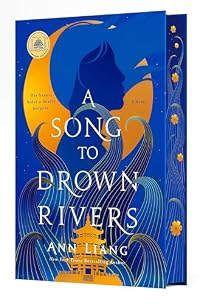
A Song to Drown Rivers
by Ann Liang
On This Page
Description
A Good Morning America Book Club Pick-
An October 2024 LibraryReads Pick
"Exquisite and devastating. It won't fail to move you." —Shelley Parker-Chan, #1 bestselling author of She Who Became the Sun
Inspired by the legend of Xishi, one of the famous Four Beauties of Ancient China, A Song to Drown Rivers is an epic novel steeped in myth about womanhood, war, sacrifice, and love against all odds as the fate of two kingdoms hangs in a delicate balance.
Her
Xishi's beauty is seen as a blessing to the villagers of Yue—convinced that the best fate for a girl is to marry well and support her family. When Xishi draws the attention of the famous young military advisor, Fanli, he presents her with a rare opportunity: to use her beauty as a weapon. One that could topple the rival neighboring kingdom of Wu, improve the lives of her people, and avenge her sister's murder. All she has to do is infiltrate the enemy palace as a spy, seduce their immoral king, and weaken them from within.
Trained by Fanli in everything from classical instruments to concealing emotion, Xishi hones her beauty into the perfect blade. But she knows Fanli can see through every deception she masters, the attraction between them burning away any falsehoods.
Once inside the enemy palace, Xishi finds herself under the hungry gaze of the king's advisors while the king himself shows her great affection. Despite his gentleness, a brutality lurks and Xishi knows she can never let her guard down. But the higher Xishi climbs in the Wu court, the farther she and Fanli have to fall—and if she is unmasked as a traitor, she will bring both kingdoms down.
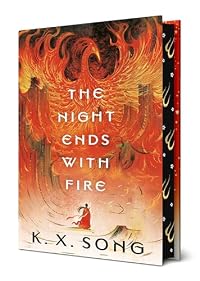
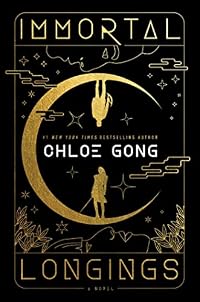
"Stunning and heart-rending." —Chloe Gong, #1 bestselling author of Immortal Longings . show less
Tags
Recommendations
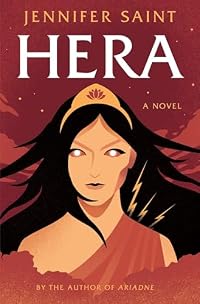
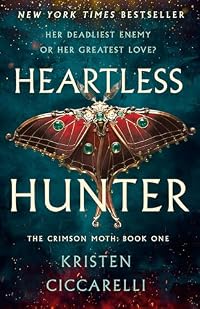
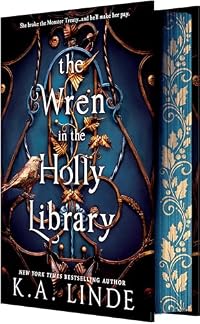
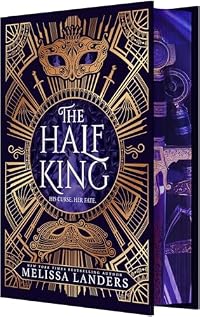






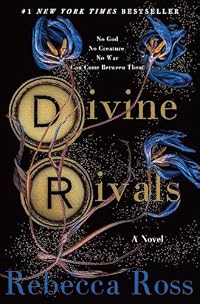
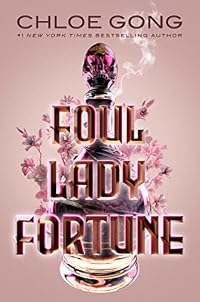
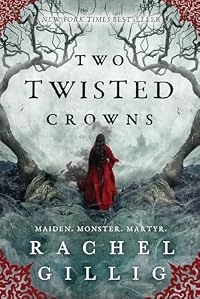
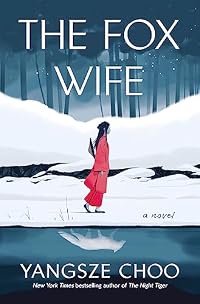
Member Reviews
A SONG TO DROWN RIVERS is a gorgeous piece of historical fiction befitting the beauty and elegance of its main character. Told in an almost poetic manner, it follows the story of Xishi, one of China's famed Four Beauties, as she moves from tiny village to imperial palace and from shy maiden to favorite concubine. It is a revenge story as much as a love, historical, or coming-of-age story, and its ending will haunt you long after you finish reading.
While A SONG TO DROWN RIVERS does not contain much character development, any such growth in Fanli or Fuchai is unnecessary to the story because, simply put, it isn't their story. A SONG TO DROWN RIVERS is Xishi's story. In it, Ms. Liang focuses on how Xishi's actions impact her thoughts and show more feelings rather than what she does for her people.
When we first meet Xishi, she is a simple girl from a poor family in a poor village still recovering from the previous war between the Kingdoms of Yue and Wu and grieving her little sister's death at the hands of Wu warriors. To her, her beauty is an imposition, a cruelty of fate that causes her more hardship than pleasure, forcing her to hide from the world to avoid extra unwanted attention.
By the time the book closes, Xishi is more than that simple village girl. She has come to accept her beauty and wield it like a weapon Fanli wants her to be. More importantly, she understands and recognizes that the real ills of the world are not found in one person or kingdom. Moreover, she recognizes the mind-f*ckery that is her role in Fanli's plan, and, like everything in life, our impressions and beliefs about ourselves and others are a matter of perception of reality as we see it.
Her character development is a subtle growth, as Xishi spends much of the novel alone with her thoughts and dreams. A SONG TO DROWN RIVERS is not an action novel. While there are some scenes during which fighting occurs, there are no epic battle sequences to entertain the reader. Instead, readers must sit with Xishi as she contemplates her fate and her growing awareness that monsters as humans rarely exist.
One of the adaptations Ms. Liang makes with A SONG TO DROWN RIVERS is her timeline compression of Xishi's story. While the Internet tells me that Xishi's training with Fanli took three years and her time with Fuchai in the Wu kingdom lasted twenty years, Ms. Liang's version sees Xishi's entire story cut down to no more than three years. This time compression does make a few things more difficult to accept, namely her love for Fanli, and her. accomplishments in the Wu kingdom. Her love for Fanli feels like insta-love, which is always difficult to stomach. Meanwhile, her time at Fuchai's side feels brief, which lessens her sacrifice. Given that we see almost none of her machinations and maneuverings within the imperial palace, it is easy for readers to scoff at her purpose and her achievements as part of the Yue revenge plot.
Despite the odd flow of time, I finished A SONG TO DROWN RIVERS blown away by its beauty and tragic ending. I like that Fuchai is not a complex character, no matter how odd Xishi finds it. I love that Fanli hides his feelings away from himself and the world. It makes any emotional outburst of his much more powerful. I appreciate Xishi coming to realize that not only is revenge seldom the answer, but also that sometimes the monster isn't the enemy you think it is. The last scene with Fuchai is as poetic as it is bleak, and Xishi's fate left me unable to sleep as I contemplated its place within the story. A SONG TO DROWN RIVERS is not a complex story, and its simplicity is what makes it so powerful show less
While A SONG TO DROWN RIVERS does not contain much character development, any such growth in Fanli or Fuchai is unnecessary to the story because, simply put, it isn't their story. A SONG TO DROWN RIVERS is Xishi's story. In it, Ms. Liang focuses on how Xishi's actions impact her thoughts and show more feelings rather than what she does for her people.
When we first meet Xishi, she is a simple girl from a poor family in a poor village still recovering from the previous war between the Kingdoms of Yue and Wu and grieving her little sister's death at the hands of Wu warriors. To her, her beauty is an imposition, a cruelty of fate that causes her more hardship than pleasure, forcing her to hide from the world to avoid extra unwanted attention.
By the time the book closes, Xishi is more than that simple village girl. She has come to accept her beauty and wield it like a weapon Fanli wants her to be. More importantly, she understands and recognizes that the real ills of the world are not found in one person or kingdom. Moreover, she recognizes the mind-f*ckery that is her role in Fanli's plan, and, like everything in life, our impressions and beliefs about ourselves and others are a matter of perception of reality as we see it.
Her character development is a subtle growth, as Xishi spends much of the novel alone with her thoughts and dreams. A SONG TO DROWN RIVERS is not an action novel. While there are some scenes during which fighting occurs, there are no epic battle sequences to entertain the reader. Instead, readers must sit with Xishi as she contemplates her fate and her growing awareness that monsters as humans rarely exist.
One of the adaptations Ms. Liang makes with A SONG TO DROWN RIVERS is her timeline compression of Xishi's story. While the Internet tells me that Xishi's training with Fanli took three years and her time with Fuchai in the Wu kingdom lasted twenty years, Ms. Liang's version sees Xishi's entire story cut down to no more than three years. This time compression does make a few things more difficult to accept, namely her love for Fanli, and her. accomplishments in the Wu kingdom. Her love for Fanli feels like insta-love, which is always difficult to stomach. Meanwhile, her time at Fuchai's side feels brief, which lessens her sacrifice. Given that we see almost none of her machinations and maneuverings within the imperial palace, it is easy for readers to scoff at her purpose and her achievements as part of the Yue revenge plot.
Despite the odd flow of time, I finished A SONG TO DROWN RIVERS blown away by its beauty and tragic ending. I like that Fuchai is not a complex character, no matter how odd Xishi finds it. I love that Fanli hides his feelings away from himself and the world. It makes any emotional outburst of his much more powerful. I appreciate Xishi coming to realize that not only is revenge seldom the answer, but also that sometimes the monster isn't the enemy you think it is. The last scene with Fuchai is as poetic as it is bleak, and Xishi's fate left me unable to sleep as I contemplated its place within the story. A SONG TO DROWN RIVERS is not a complex story, and its simplicity is what makes it so powerful show less
A Song to Drown Rivers is a captivating retelling of the legend of Xishi, one of Ancient China's famed Four Beauties, reimagined with modern emotional depth and narrative clarity. Blending historical inspiration with espionage, romance, and political intrigue, Ann Liang breathes new life into a well-known tale, offering readers a heroine who is both sharp and vulnerable.
The story follows Xishi, whose beauty becomes her most powerful weapon as she is recruited to infiltrate the Wu court and help bring about its downfall. Her journey—from village girl to consort to spy—is emotionally charged and richly detailed, highlighting the heavy burden of being both a symbol and a pawn.
Liang's portrayal of the bond between Xishi and Fanli show more simmers with intensity, though their romance develops a little too quickly to feel fully earned. While their chemistry is strong, the immediacy of their connection might leave some readers wishing for more gradual development. Similarly, the complexity of Xishi's role as a consort—especially to a ruler who shows her care—feels underexplored. The idea that she could remain emotionally detached over two years, despite the ruler’s increasing affection, stretches believability at times, especially in light of his tragic ending.
Still, the novel’s greatest strength lies in its emotional stakes and moral ambiguity. The final act, where betrayal looms and tragedy strikes, delivers a predictable but poignant twist. Fanli’s attempt to preserve Xishi’s legacy—ensuring she is remembered as a hero rather than a traitor—is both heartbreaking and uplifting.
Overall, A Song to Drown Rivers is a moving story of sacrifice, power, and agency. While some aspects of the romance and emotional realism falter slightly, Liang’s lyrical prose and strong thematic focus make this a memorable and worthwhile read for fans of historical fiction and feminist retellings. show less
The story follows Xishi, whose beauty becomes her most powerful weapon as she is recruited to infiltrate the Wu court and help bring about its downfall. Her journey—from village girl to consort to spy—is emotionally charged and richly detailed, highlighting the heavy burden of being both a symbol and a pawn.
Liang's portrayal of the bond between Xishi and Fanli show more simmers with intensity, though their romance develops a little too quickly to feel fully earned. While their chemistry is strong, the immediacy of their connection might leave some readers wishing for more gradual development. Similarly, the complexity of Xishi's role as a consort—especially to a ruler who shows her care—feels underexplored. The idea that she could remain emotionally detached over two years, despite the ruler’s increasing affection, stretches believability at times, especially in light of his tragic ending.
Still, the novel’s greatest strength lies in its emotional stakes and moral ambiguity. The final act, where betrayal looms and tragedy strikes, delivers a predictable but poignant twist. Fanli’s attempt to preserve Xishi’s legacy—ensuring she is remembered as a hero rather than a traitor—is both heartbreaking and uplifting.
Overall, A Song to Drown Rivers is a moving story of sacrifice, power, and agency. While some aspects of the romance and emotional realism falter slightly, Liang’s lyrical prose and strong thematic focus make this a memorable and worthwhile read for fans of historical fiction and feminist retellings. show less
This is a captivating historical fantasy inspired by the legend of Xishi. The story follows Xishi, whose beauty becomes a weapon to infiltrate the enemy court and avenge her sister’s death. Trained by the brilliant strategist Fanli, Xishi faces the dangerous task of seducing the King of Wu while grappling with her growing feelings for Fanli. Liang’s writing is beautifully evocative, weaving together love, sacrifice, and loyalty themes. The characters are complex, and the twists keep you on edge, especially as Xishi’s mission becomes increasingly dangerous. This book is a powerful, emotional journey, blending political intrigue and heartbreak, perfect for those who love myth-inspired historical fiction.
So… my first official read of 2026 and this book had me in tears by the end.
This story really shows how much destruction comes with war and the people who crave power.
There were so many layers to this story. The love between Xishi and Fanli was beautifully written. At the same time, I didn’t expect to feel so conflicted about Fuchai. He was spoiled and misguided, but also lonely, and you could see him change once Xishi entered his life. He truly loved her, and that made everything hurt SO MUCH!
Still, I understood Xishi. Her loyalty to her people and her need for redemption but also her want to be home and missing the life she truly wanted.
The writing was beautiful, and I keep thinking about this story and the ‘what if’s’. I show more would absolutely recommend show less
This story really shows how much destruction comes with war and the people who crave power.
There were so many layers to this story. The love between Xishi and Fanli was beautifully written. At the same time, I didn’t expect to feel so conflicted about Fuchai. He was spoiled and misguided, but also lonely, and you could see him change once Xishi entered his life. He truly loved her, and that made everything hurt SO MUCH!
Still, I understood Xishi. Her loyalty to her people and her need for redemption but also her want to be home and missing the life she truly wanted.
The writing was beautiful, and I keep thinking about this story and the ‘what if’s’. I show more would absolutely recommend show less
Shoutout to NetGalley for hooking me up with an early peek at this one. It's a gem—a hero's journey set in ancient China that had me hooked from the get-go. The vibe was new and original for me, and I enjoyed the mix of intrigue and romance. Our main character, Xishi, goes through some serious development, navigating love and doing what's right (even if that definition changes a bit along the way, as these things tend to). Romance, patriotism, and socialism take center stage, and the balance is excellent – no one theme steals the spotlight. Liang's descriptions are a feast for the imagination. I could practically taste, touch, and smell the settings. Emotions ran high, and though I wished a few things had gone down differently, it's show more still a beautiful story that's going on my recommendation list for the rest of the year. Give it a go if you're into ancient heroics with a side of romance. show less
A Song to Drown Rivers is a historical fantasy based on the story of Xi Shi, one of China’s legendary Four Beauties. It follows the events of the legend very closely, with a few exceptions.
Xishi is so stunning that she comes to the attention of the King of Yue and his advisor, Fanli. They decide to train her as a spy and send her on a revenge mission to the neighboring King of Wu, using her to topple his regime. Posing as a concubine, she is meant to distract the enemy king and open the way for her people to invade.
It’s a beautiful story with skillful writing. I love a woman using her intelligence and turning men’s weakness, and incomprehension of her as more than an object, against them. The romance is bittersweet, (though not show more very spicy, for those looking for that) but what I liked most about this story was Xishi’s character growth. Her family experienced trauma at the hands of Wu soldiers, and so it’s understandable that she has a deeply ingrained hatred for all Wu people, considering them all heinous, murdering villains. Once forced to live among them, she begins to realize how similar Wu and Yue people are, and that the only thing truly separating them is a line on a map. She meets people who experienced the same atrocities she did, but at the hands of her own people. You can see as her world expands.
My only quibble is that there are aspects of this story that are unrealistic in terms of adult behavior, and the timeline is ridiculous – an untrained, innocent village girl is trained to become a royal spy extraordinaire in only 10 months? – but keep in mind, this is a YA book, so I don’t really count that against the story at all.
And that ENDING! Now that was entirely unexpected, and I loved it. For me, that ending made up for any minor criticisms I may have had along the way.
If you like historical fantasy, particularly inspired by Chinese legends, and you like YA romantasy, check this one out.
Thank you Netgalley and St. Martin’s Press for an early copy of this book in exchange for my honest opinion! show less
Xishi is so stunning that she comes to the attention of the King of Yue and his advisor, Fanli. They decide to train her as a spy and send her on a revenge mission to the neighboring King of Wu, using her to topple his regime. Posing as a concubine, she is meant to distract the enemy king and open the way for her people to invade.
It’s a beautiful story with skillful writing. I love a woman using her intelligence and turning men’s weakness, and incomprehension of her as more than an object, against them. The romance is bittersweet, (though not show more very spicy, for those looking for that) but what I liked most about this story was Xishi’s character growth. Her family experienced trauma at the hands of Wu soldiers, and so it’s understandable that she has a deeply ingrained hatred for all Wu people, considering them all heinous, murdering villains. Once forced to live among them, she begins to realize how similar Wu and Yue people are, and that the only thing truly separating them is a line on a map. She meets people who experienced the same atrocities she did, but at the hands of her own people. You can see as her world expands.
My only quibble is that there are aspects of this story that are unrealistic in terms of adult behavior, and the timeline is ridiculous – an untrained, innocent village girl is trained to become a royal spy extraordinaire in only 10 months? – but keep in mind, this is a YA book, so I don’t really count that against the story at all.
And that ENDING! Now that was entirely unexpected, and I loved it. For me, that ending made up for any minor criticisms I may have had along the way.
If you like historical fantasy, particularly inspired by Chinese legends, and you like YA romantasy, check this one out.
Thank you Netgalley and St. Martin’s Press for an early copy of this book in exchange for my honest opinion! show less
This book is something else! It sucked me in and tore me apart at the same time. The writing is gorgeous, and the characters are so real and complicated. I loved every minute, and I can't stop thinking about how it ended! This was my first time hearing about the legend of Xishi and its made me want to read other Chinese legends!
Members
- Recently Added By
Lists

My Library
43 works; 1 member
Author Information

12 Works 2,392 Members
Awards and Honors
Awards
Common Knowledge
- Canonical title
- A Song to Drown Rivers
- Original publication date
- 2024-10-01
- Dedication
- To Kathleen Rushall,
For all your faith and guidance - First words
- They say that when I was born, all the wild geese flew down from the sky, and the fish sank beneath the waves, having forgotten how to swim.
- Last words
- (Click to show. Warning: May contain spoilers.)He smiles, and the fog lifts.
- Blurbers
- Parker-Chan, Shelley; Gong, Chloe; Li, Grace D.; Tan, Sue Lynn; He, Joan; Stewart, Andrea (show all 8); Tan, June CL; Hur, June
- Original language
- English
Classifications
Statistics
- Members
- 1,139
- Popularity
- 22,039
- Reviews
- 18
- Rating
- (3.83)
- Languages
- English, German, Portuguese
- Media
- Paper, Audiobook, Ebook
- ISBNs
- 17
- ASINs
- 4