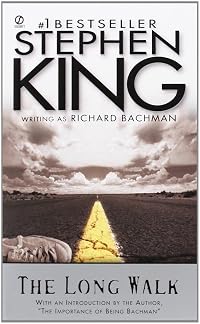
The Long Walk
by Stephen King, Richard Bachman (Author (pseudonym))
On This Page
Description
In this #1 national bestseller, master storyteller Stephen King, writing as Richard Bachman, tells the tale of the contestants of a grueling walking competition where there can only be one winner—the one that survives.Against the wishes of his mother, sixteen-year-old Ray Garraty is about to compete in the annual grueling match of stamina and wits known as the Long Walk. One hundred boys must keep a steady pace of four miles per hour without ever stopping...with the winner being awarded show more "The Prize"—anything he wants for the rest of his life. But, as part of this national tournament that sweeps through a dystopian America year after year, there are some harsh rules that Garraty and ninety-nine others must adhere to in order to beat out the rest. There is no finish line—the winner is the last man standing. Contestants cannot receive any outside aid whatsoever. Slow down under the speed limit and you're given a warning. Three warnings and you're out of the game—permanently... show less
Tags
Recommendations
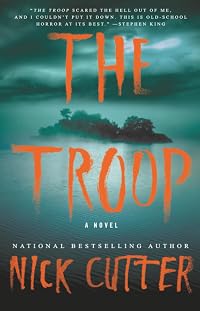
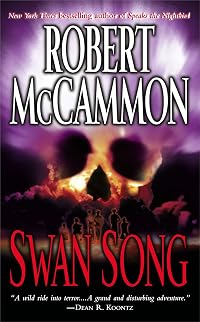
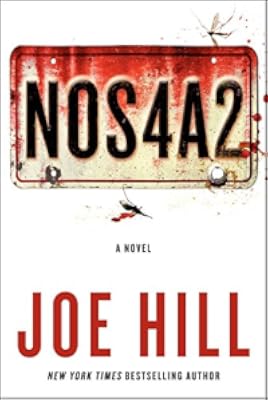
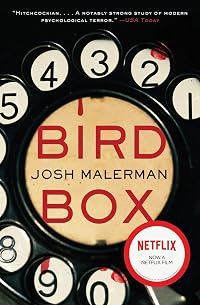
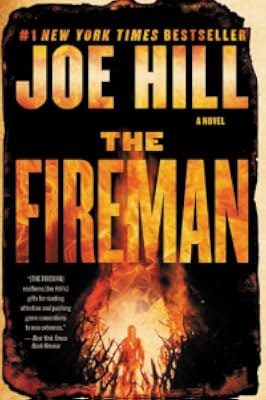
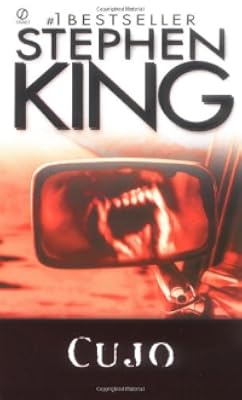

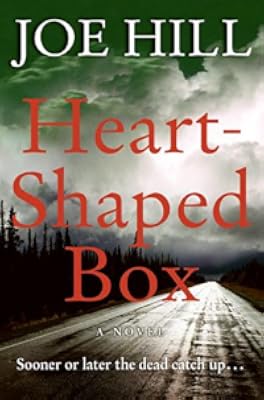
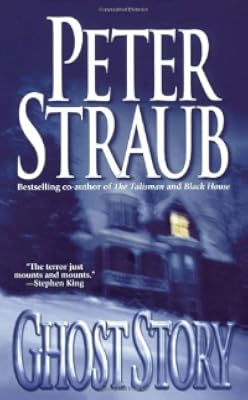
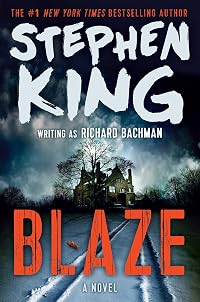
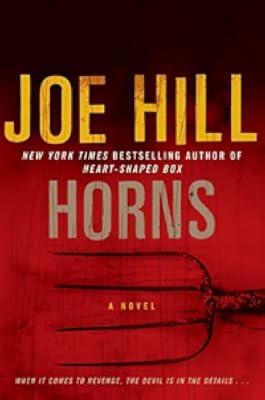
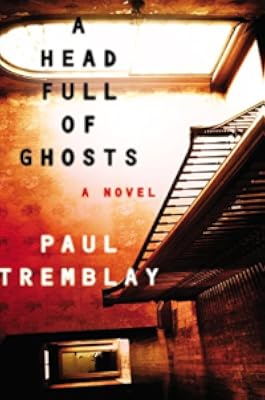
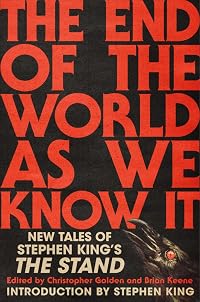
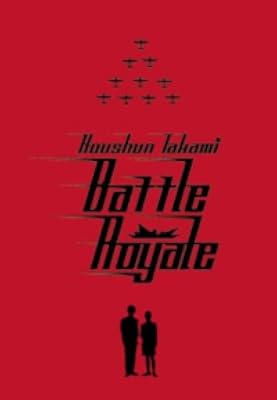
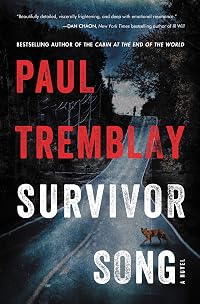
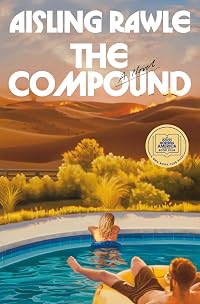
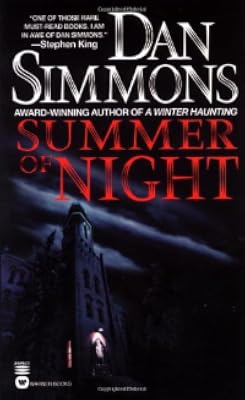
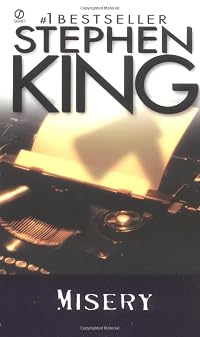

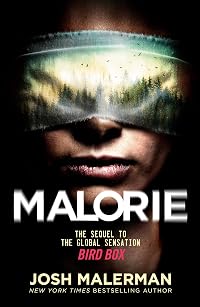
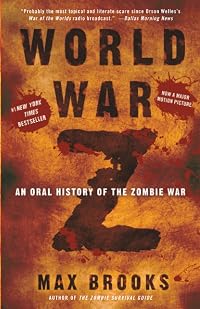
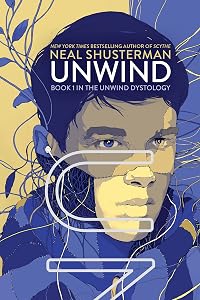

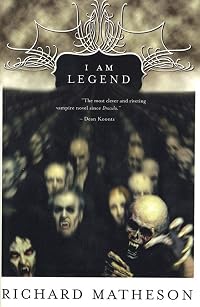
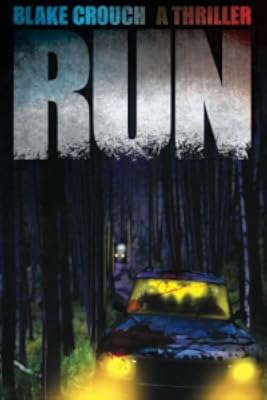
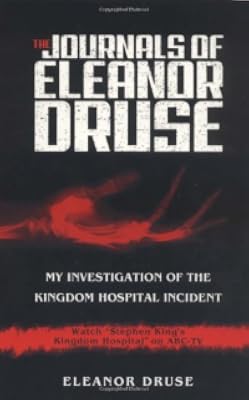
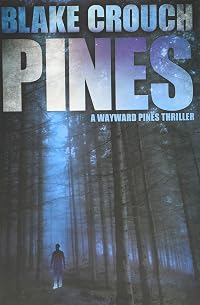
Member Recommendations
LadyHazy (not for young adult readers though, it's a lot more violent)
90
Member Reviews
This is the only King book that I've read (and I've read dozens) that I can say was a chore to finish. For this reader, the book should have been called, "The Long Slog" because that's what it was for me - even though it's a very short book by King standards.
The dystopian setting is bleak and stark. The plot revolves around a national tournament for teenage boys to see who can walk the furthest distance and be the last man standing out of a pool of 100 Long Walkers. As usual with a King novel, the characters are well-drawn, unique, and even quirky. He does this well! It's just that the novel is so depressing and tedious that it was hard for me to complete - just like 99 of the Long Walkers. But, like the boy who eventually stuck it out show more and was the last man standing, I was determined to finish the book. I think I'm about as spent as he was. show less
The dystopian setting is bleak and stark. The plot revolves around a national tournament for teenage boys to see who can walk the furthest distance and be the last man standing out of a pool of 100 Long Walkers. As usual with a King novel, the characters are well-drawn, unique, and even quirky. He does this well! It's just that the novel is so depressing and tedious that it was hard for me to complete - just like 99 of the Long Walkers. But, like the boy who eventually stuck it out show more and was the last man standing, I was determined to finish the book. I think I'm about as spent as he was. show less
The first time I read this novel, thirty-odd years ago, I literally have no memory of it. I don't remember it having any effect on me whatsoever.
Today, having finished it for the second time, I have no idea how that could have happened.
This is a bleak, visceral, gut-punch of a novel. It's King at his cleanest, his writing is tight, concise, and heartbreakingly real. He makes every warning terrifying, and every death is felt, as it should be.
For the bulk of this audiobook, I listened while walking. The real landscape fell away and I was on the road with Garrity and the others. There are three scenes in particular, none of which I'll spoil, that stand out. I'll just say that, the first one, that I heard as I started out this morning, had show more me actually slowing my own walk and whispering, "get up! Get UP!" I felt the fluttering of my heart in my throat.
The second and third scenes are both deaths toward the end of the novel, and both of them had me choked up and blinking away tears.
It's not often that reality falls away, and the reality of the book becomes my world. It's not often that I read a story and don't consider the machinations of that guy behind the curtain, pulling the levers.
But for a few hours, I was a teenaged boy, walking endless miles with 99 others.
This is one of King's best novels. show less
Today, having finished it for the second time, I have no idea how that could have happened.
This is a bleak, visceral, gut-punch of a novel. It's King at his cleanest, his writing is tight, concise, and heartbreakingly real. He makes every warning terrifying, and every death is felt, as it should be.
For the bulk of this audiobook, I listened while walking. The real landscape fell away and I was on the road with Garrity and the others. There are three scenes in particular, none of which I'll spoil, that stand out. I'll just say that, the first one, that I heard as I started out this morning, had show more me actually slowing my own walk and whispering, "get up! Get UP!" I felt the fluttering of my heart in my throat.
The second and third scenes are both deaths toward the end of the novel, and both of them had me choked up and blinking away tears.
It's not often that reality falls away, and the reality of the book becomes my world. It's not often that I read a story and don't consider the machinations of that guy behind the curtain, pulling the levers.
But for a few hours, I was a teenaged boy, walking endless miles with 99 others.
This is one of King's best novels. show less
I think my feet actually hurt when I finished this one. It’s dark, but like a train wreck, you can’t look away. A group of 100 teen boys must walk until there is only one left alive. Stephen King’s compulsively readable style can make almost anything thrilling. A slow walk towards death sounds tortuous even to read, but he makes it an unputdownable book.
“They walked through the rainy dark like gaunt ghosts, and Garraty didn't like to look at them. They were the walking dead.”
“They walked through the rainy dark like gaunt ghosts, and Garraty didn't like to look at them. They were the walking dead.”
"Go ahead and tell yourself it's a straight game. Any game looks straight if everyone is being cheated at once."
I think this is my third or fourth time with this book. And every time I somehow binge it. It isn't exactly short, but there seems to be no way to take it in without getting completely caught up, mesmerized, horrified, and consequently, so, so freaking exhausted. It's a pretty apt experience, considering what the book is about.
That's what I like about it so much, though. It makes me worry like no other book. It gives me a sickening feeling of being trapped. There're no villains. There're no tricks or schemes, and there's no escape. This dystopia is as weird as they get, but it feels scarily familiar to me anyways, scarily show more possible. There's no turning back, there's no giving up, there's no relief, and there's no way to win - you die, or you go on. It can stand for a million infinitely scarier things, diluted into one simple order: walk.
And that just makes it fascinating. Absolutely normal things are turned into disasters, either deadly or humiliating. I feel myself tensing up when someone drops a water bottle. Total dread when someone else gets stomach cramps. There're these grisly, dully fantastical deaths that hurt like hell to read and then fade into nothingness, while I cross my fingers against anyone getting a shoelace untied.
And as much as I'm not...really...a King fan, I will say that there's something perfect about his dialogue. It's strange. It's really wicked unique. Half of it is outdated sayings that seem so weird to me, the other half is the ability to make almost anything sound pitch-perfect and quirky. And though I've always hated hated hated Stephen King's characters, maybe it was just circumstance that made me want all these guys to be sent home safely. Easy to get attached from this distance when I knew that at any point they could, like, trip on a stick and get their brains blown out.
Anyhow. HOWEVER.
This also worked nicely as a reminder to myself, in a time where I'm getting that itch to y'know, just try a Stephen King book again, just give it another shot, because the ideas are neat and everyone else has read it - reminder to myself to just frickin' don't. Don't do it. This was so...grating.
Sure, yeah, it's from the 70's, but that doesn't mean I have to tolerate it. Not when every girl (even Garraty's M O T H E R) is described first and foremost with her breasts (and when she isn't, it's her legs, and thighs, and waist, THEN breasts, then face, then how she has hair like a whore even though this is Garraty's girlfriend who he loves so much, sureokfine), the one black character dies with a gleeful typing of the n-word (don't worry, it comes back later for NO REASON), 'queers' are perverts and incestuous and get their sexual awakening at 5 years old I guess and it's traumatizing (I die every day I remember stumbling into a diehard group of Garraty/McVries shippers actually recommending this as an LGBT book when the biggest rep is McVries joking about jerking off Garraty to make him angry, sureokfiNE) (I woulda been fine if we didn't have to deal with the five year old kidS HGGGHHH ENOUGH), so on, so forth, christ christ christ. It swung wildly from King's trademark, a trademark I DO like, of not shying away from the gross and the profane and the taboo, to sounding like it was written by a 13 year old boy who kept coming up with unneeded sex metaphors (also I swear to god he typed 'flapped obscenely' about fifteen goddamn times in this book) (WHO DESCRIBES A MEGAPHONE AS 'SEXLESS'???? IT'S A MEGAPHONE!!!).
Blah blah blah, politics for a different time, but it's just so tiring. It starts to feel dumb and dull and lazy. K, done.
So, yeah, this book is scary as hell. I feel like I need a nap after reading it. I was walking home today and my heels hurt and I was like, I would die so fast in the Walk, and maybe that's why it's so scary. It's like watching a car crash. It's a mess and it's awful, and I'm sorry that I like it so much. Somehow, it's never made me cry, though. That's a thought. show less
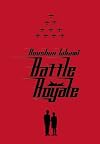
I have been getting back into reading Stephen King since picking up a few of his Different Seasons novellas in and wanted to try my hand at his Richard Bachman work - and this was the perfect novel to land on. I have a distinct appreciation for dystopian fiction that presents the all-too-on-the-nose take on government intervention a lá The Hunger Games or Battle Royale before it. The Long Walk takes 100 varied, ordinary, teen-aged boys and makes them walk from Northern Maine as far south as they can make it on a predetermined route - with the caveat that only 1 can win the ultimate prize. King weaves in his masterful thrills and character development to keep your eyes glued to every page despite its narrow, linear setting - there’s show more something beautiful about tracking your reading by miles walked versus pages read, as if you’re in the late-May heat with them. There’s also a distinct realness to the questions and conversations that all the boys have and the way they have them - philosophical, light-hearted, empathetic, morose; it makes you feel present on the road and wonder if it’s that far off from a chat you’d have with your best friends given you all knew you were on borrowed time. As far as King’s work goes, I think this is one of the best value reads - engaging depth to characters who will join you for the duration, without the eye-popping length that might deter some readers.
I’d probably place it somewhere in the 4.5⭐️ range! show less
I’d probably place it somewhere in the 4.5⭐️ range! show less
A reread/listen on audio. This is supposed to be the first book that King wrote. Carrie was his first published work, but he published this later under his Richard Bachman nom du plume. In an unspecified near future dystopian US, the Long Walk is a yearly nation-wide contest where 100 teenage boys are picked to start walking in Maine and keep walking until there is only one left. The catch is that you have to keep walking above 4 miles an hour or you'll start to get warnings. Three warnings and then no warning, they just metaphorically "punch your ticket". The winner gets whatever they can wish for. There's no horror in this, just a horrific story about a world that celebrates torturing and killing young men for sport. Its a happy read, show more okay no its not. But it does have a trippy little ending that is typical of King. "Liking" this, makes me sound like a psychopath, but it is an excellent read, IMO show less
I exist, therefore I am.
This took me a month to read, and while a big part of that is me struggling to find space to read as my job got busier, it's also about time I admit I really am not the biggest King fan. I wish I enjoyed his iconic works a lot more than I do, but I feel he spends too much time describing the scene and this makes his writing drag for me. There's a few of his books that I really do love, but his work is more a miss for me than a hit. I'm rating this one so highly because the movie was a masterpiece, and each similarity brought me back to that experience.
First, let's talk about King's biases that always seep into his writing.
Four pages in, the main character Ray Garraty is describing his mother and for some reason show more not only describes her as tall but 'too thin' (rude), but then immediately describes her breasts as non-existent 'token nubs'. I have no idea why he is talking about her breasts, Garraty or King. He also goes on to say 'her face was an invalid's face', whatever that means. There's also a description later of a woman's breasts being 'proud'- again, whatever that means. Descriptions of women in this book are mostly sexualized or cruel.
I also take issue with the fact that nearly every character, especially characters important to the storyline, are all white boys. This isn't a surprise given he penned this novel in the late 60s, but the characterizations in the movie are so much more believable and have a depth to them this book lacks. From the believable aspect, it doesn't make much sense to me for majority white boys to be going in for a 1 in 100 chance of a better life and glory (if you could call it glory), when to fail means to die. No, the reality is, especially in the 60s, it would have been children of immigrants and poor folk looking to get the Prize. On the depth side, Collie Parker specifically being indigenous in the movie makes so much sense for the character. Peter McVries being Black (and an orphan- in the novel he comes from a pretty standard loving nuclear family) also provides depth to his character. Otherwise, I just feel these characters really have no reason to be out here doing this nonsense. Ray being a white boy who doesn't really know why he signed up for the Long Walk is enough- we didn't need 90 more of them.
I ignored a majority of King's character descriptions, and replaced them with the movie versions instead. This made the experience so much more enjoyable, and I can't even imagine reading this before seeing the movie- not something I say often.
With that in mind, I do adore these boys. Ray is a great main character, someone you can relate to and picture yourself as. Baker is a character I thoroughly loved in the movie, and this wasn't much different, though we don't get as much time with him in the novel.His death is honestly the saddest of them all. Collie Parker is one of the best. Barkovitch is just as crazy, though the movie version hits differently- I guess the visuals really make him as intriguing as he's meant to be. But Peter McVries is my star. David Jonsson has quickly become one of my favorite actors from his role in Alien: Romulus to his role as Pete. I'm not sure my love for him would have been as deep as it is if Jonsson hadn't really made him what he is. Not to mention the changes from novel to movie, that I fully support. Unfortunately, in the book, Pete gets his scar from raping/attempting to rape his girlfriend, but plays victim about it. Not into that, at all.
I loved how the ending in the movie is so different yet somehow the same as the ending in the book. Those parallels are so interesting to imagine side by side, and I couldn't imagine the movie being any better if they'd stayed more faithful to the novel. In fact, my adoration for Pete and Ray together only serves to make their storyline that much more potent from one medium to the other.Destined to never be together.
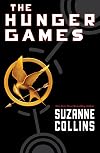
I often found myself being reminded of The Hunger Games by Suzanne Collins. One difference from the movie, is that the Walkers are 12-18 in age. This is the main similarity to THG, but the disparity of it, the savage nature of the game that makes the young Walkers wish for eachothers downfall, and the way this is all funded and egged on by the government have an air of Collins to them. I find myself wondering if she'd read this and was influenced to making her dystopian series, of which I am huge fan.
In all, the movie was better and because of how good it is, it makes this book better. Honestly, I probably would have ended up rating this in the 3 star range (the ending probably brings it to 3.5) but the movie elevates it to something King couldn't conjure in the 60s. Maybe not even now lol.
“All we are is mice in a trap.” show less
This took me a month to read, and while a big part of that is me struggling to find space to read as my job got busier, it's also about time I admit I really am not the biggest King fan. I wish I enjoyed his iconic works a lot more than I do, but I feel he spends too much time describing the scene and this makes his writing drag for me. There's a few of his books that I really do love, but his work is more a miss for me than a hit. I'm rating this one so highly because the movie was a masterpiece, and each similarity brought me back to that experience.
First, let's talk about King's biases that always seep into his writing.
Four pages in, the main character Ray Garraty is describing his mother and for some reason show more not only describes her as tall but 'too thin' (rude), but then immediately describes her breasts as non-existent 'token nubs'. I have no idea why he is talking about her breasts, Garraty or King. He also goes on to say 'her face was an invalid's face', whatever that means. There's also a description later of a woman's breasts being 'proud'- again, whatever that means. Descriptions of women in this book are mostly sexualized or cruel.
I also take issue with the fact that nearly every character, especially characters important to the storyline, are all white boys. This isn't a surprise given he penned this novel in the late 60s, but the characterizations in the movie are so much more believable and have a depth to them this book lacks. From the believable aspect, it doesn't make much sense to me for majority white boys to be going in for a 1 in 100 chance of a better life and glory (if you could call it glory), when to fail means to die. No, the reality is, especially in the 60s, it would have been children of immigrants and poor folk looking to get the Prize. On the depth side, Collie Parker specifically being indigenous in the movie makes so much sense for the character. Peter McVries being Black (and an orphan- in the novel he comes from a pretty standard loving nuclear family) also provides depth to his character. Otherwise, I just feel these characters really have no reason to be out here doing this nonsense. Ray being a white boy who doesn't really know why he signed up for the Long Walk is enough- we didn't need 90 more of them.
I ignored a majority of King's character descriptions, and replaced them with the movie versions instead. This made the experience so much more enjoyable, and I can't even imagine reading this before seeing the movie- not something I say often.
With that in mind, I do adore these boys. Ray is a great main character, someone you can relate to and picture yourself as. Baker is a character I thoroughly loved in the movie, and this wasn't much different, though we don't get as much time with him in the novel.
I loved how the ending in the movie is so different yet somehow the same as the ending in the book. Those parallels are so interesting to imagine side by side, and I couldn't imagine the movie being any better if they'd stayed more faithful to the novel. In fact, my adoration for Pete and Ray together only serves to make their storyline that much more potent from one medium to the other.
I often found myself being reminded of The Hunger Games by Suzanne Collins. One difference from the movie, is that the Walkers are 12-18 in age. This is the main similarity to THG, but the disparity of it, the savage nature of the game that makes the young Walkers wish for eachothers downfall, and the way this is all funded and egged on by the government have an air of Collins to them. I find myself wondering if she'd read this and was influenced to making her dystopian series, of which I am huge fan.
In all, the movie was better and because of how good it is, it makes this book better. Honestly, I probably would have ended up rating this in the 3 star range (the ending probably brings it to 3.5) but the movie elevates it to something King couldn't conjure in the 60s. Maybe not even now lol.
“All we are is mice in a trap.” show less
Members
- Recently Added By
Published Reviews
Wielki Marsz
Jaka jest największa nagroda, którą można sobie wymarzyć? Wielu odpowiedziałoby pieniądze, sława czy władza. Ale jest coż ważniejszego od tych rzeczy. Największą nagrodą jest zachowanie życia. Taką właśnie tematykę podjął Stephen King w książce zatytułowanej "Wielki Marsz". Autor znowu zaskoczył czytelników głębią swojego umysłu. Stworzył bowiem show more opowieść wciągającą, alegoryczną i tonącą w mrocznym klimacie.
Tym razem S. King mocą swojej wyobraźni przeniósł czytelnika na start wyścigu. Meta natomiast znajduje się tam, gdzie padnie ze zmęczenia przedostatni z zawodników. Raz w roku do Wielkiego Marszu stają młodzi chłopcy z całych Stanów Zjednoczonych. Ich zadaniem jest maszerować tak długo, aż zostanie tylko jeden. Jeden, bo pozostali zginą, jeśli spróbują wycofać się w trakcie wyścigu. Trasa marszu biegnie przez ogromne połacie kraju, a młodzi zawodnicy muszą wędrować niezależnie od warunków pogodowych czy pory dnia.
"Wielki Marsz" S. Kinga opowiada o brutalnej i bezwzglednej rywalizacji. Cel może osiągnąć tylko jedna osoba, a śmiałków jest wielu. Czy w grupie znajdą się ludzie gotowi pomóc słabszym zawodnikom? Czy chęć przetrwania okaże się silniejsza niż ludzkie uczucia?
Wędrując śladem zawodników wyścigu, czytelnik posmakuje napięcia, jakie zbudował S. King. Zagłębi się w mroczny świat, w którym obowiązuje tylko jedna zasada. Za wszelką cenę iść do przodu i nie zatrzymywać się nawet na moment. Tylko wtedy osiągnie się cel podróży i zdobędzie nagrodę.
"Wielki Marsz" to książka dla wszystkich miłośników literatury grozy. Ale z pewnością i inni czytelnicy znajdą interesujące wątki w opowieści S. Kinga. Niewątpliwie domeną tego autora jest to, że potrafi dotrzeć do wielu odbiorców. show less
Jaka jest największa nagroda, którą można sobie wymarzyć? Wielu odpowiedziałoby pieniądze, sława czy władza. Ale jest coż ważniejszego od tych rzeczy. Największą nagrodą jest zachowanie życia. Taką właśnie tematykę podjął Stephen King w książce zatytułowanej "Wielki Marsz". Autor znowu zaskoczył czytelników głębią swojego umysłu. Stworzył bowiem show more opowieść wciągającą, alegoryczną i tonącą w mrocznym klimacie.
Tym razem S. King mocą swojej wyobraźni przeniósł czytelnika na start wyścigu. Meta natomiast znajduje się tam, gdzie padnie ze zmęczenia przedostatni z zawodników. Raz w roku do Wielkiego Marszu stają młodzi chłopcy z całych Stanów Zjednoczonych. Ich zadaniem jest maszerować tak długo, aż zostanie tylko jeden. Jeden, bo pozostali zginą, jeśli spróbują wycofać się w trakcie wyścigu. Trasa marszu biegnie przez ogromne połacie kraju, a młodzi zawodnicy muszą wędrować niezależnie od warunków pogodowych czy pory dnia.
"Wielki Marsz" S. Kinga opowiada o brutalnej i bezwzglednej rywalizacji. Cel może osiągnąć tylko jedna osoba, a śmiałków jest wielu. Czy w grupie znajdą się ludzie gotowi pomóc słabszym zawodnikom? Czy chęć przetrwania okaże się silniejsza niż ludzkie uczucia?
Wędrując śladem zawodników wyścigu, czytelnik posmakuje napięcia, jakie zbudował S. King. Zagłębi się w mroczny świat, w którym obowiązuje tylko jedna zasada. Za wszelką cenę iść do przodu i nie zatrzymywać się nawet na moment. Tylko wtedy osiągnie się cel podróży i zdobędzie nagrodę.
"Wielki Marsz" to książka dla wszystkich miłośników literatury grozy. Ale z pewnością i inni czytelnicy znajdą interesujące wątki w opowieści S. Kinga. Niewątpliwie domeną tego autora jest to, że potrafi dotrzeć do wielu odbiorców. show less
added by Scottie33
Lists

Best Dystopias
280 works; 271 members

Best Science Fiction Novels
816 works; 426 members

Dystopian and Apocalyptic Literature
350 works; 74 members

Top 5 Books by Stephen King
27 works; 17 members
Stephen King Bibliography
77 works; 3 members

Summer Reads 2014
207 works; 69 members

Stories Featuring Games or Contests
28 works; 9 members

KayStJ's to-read list
1,616 works; 11 members

Blue Pyramid 1,276 Best Books of All Time
1,248 works; 32 members

1970s
657 works; 23 members

KING of Scare
48 works; 2 members

Eerie eTales
192 works; 3 members

Sinister AudioTales
65 works; 1 member

Books We Couldn't Put Down
443 works; 197 members

Books Read in 2025
4,091 works; 97 members
Stephen King books
81 works; 1 member
Talk Discussions
Past Discussions
April 2010's SK Flavor of the Month - The Bachman Books, Rage and The Long Walk in King's Dear Constant Readers (April 2010)
Author Information

966+ Works 867,771 Members
Stephen King was born in Portland, Maine, on September 21, 1947. After graduating with a Bachelor's degree in English from the University of Maine at Orono in 1970, he became a teacher. His spare time was spent writing short stories and novels. King's first novel would never have been published if not for his wife. She removed the first few show more chapters from the garbage after King had thrown them away in frustration. Three months later, he received a $2,500 advance from Doubleday Publishing for the book that went on to sell a modest 13,000 hardcover copies. That book, Carrie, was about a girl with telekinetic powers who is tormented by bullies at school. She uses her power, in turn, to torment and eventually destroy her mean-spirited classmates. When United Artists released the film version in 1976, it was a critical and commercial success. The paperback version of the book, released after the movie, went on to sell more than two-and-a-half million copies. Many of King's other horror novels have been adapted into movies, including The Shining, Firestarter, Pet Semetary, Cujo, Misery, The Stand, and The Tommyknockers. Under the pseudonym Richard Bachman, King has written the books The Running Man, The Regulators, Thinner, The Long Walk, Roadwork, Rage, and It. He is number 2 on the Hollywood Reporter's '25 Most Powerful Authors' 2016 list. King is one of the world's most successful writers, with more than 100 million copies of his works in print. Many of his books have been translated into foreign languages, and he writes new books at a rate of about one per year. In 2003, he received the National Book Foundation Medal for Distinguished Contribution to American Letters. In 2012 his title, The Wind Through the Keyhole made The New York Times Best Seller List. King's title's Mr. Mercedes and Revival made The New York Times Best Seller List in 2014. He won the Edgar Allan Poe Award in 2015 for Best Novel with Mr. Mercedes. King's title Finders Keepers made the New York Times bestseller list in 2015. Sleeping Beauties is his latest 2017 New York Times bestseller. (Bowker Author Biography) Stephen King is the author of more than thirty books, all of them worldwide bestsellers. Among his most recent are "Hearts in Atlantis", "The Girl Who Loved Tom Gordon", "Bag of Bones", & "The Green Mile". "On Writing" is his first book of nonfiction since "Danse Macabre", published in 1981. He served as a judge for Prize Stories: The Best of 1999, The O. Henry Awards. He lives in Bangor, Maine with his wife, novelist Tabitha King. King's book, The Bazaar of Bad Dreams: Stories, made the 2015 New York Times bestseller list. (Publisher Provided) show less
Richard Bachman is a pseudonym of author Stephen King. Bachman was born in New York. He spent several years serving in the U.S. Coast Guard and the merchant marine before settling down on a New Hampshire dairy farm. Bachman published four novels in paperback between 1977 and 1982. The hardcover novel "Thinner" was published in 1984. In 1994, show more Bachman's widow discovered a carton containing a manuscript of the novel "The Regulators," which was published posthumously in 1996. The last Bachman title, Blaze, was publshed in 2007. Bachman died in 1985. His identity remained a well-kept secret until a bookstore clerk confronted King with his suspicions that King was Bachman. The clerk, Steve Brown, could not believe that Bachman and King were not one and the same. Brown located publisher's records at the Library of Congress and discovered a document naming King as the author of one of Bachman's novels. Afterwards he sent a letter to King's publishers, with a copy of the found documents, and asked them what to do. Two weeks later Stephen King phoned Brown personally, and suggested he write an article about how he discovered the truth, allowing himself to be interviewed. This led to a press release heralding Bachman's "death" supposedly from "cancer of the pseudonym," and an article written by Brown in the Washington Post. (Bowker Author Biography) show less
Awards and Honors
Distinctions
Series
Belongs to Publisher Series
Postscripts (10)
Distorsions (73)
Work Relationships
Common Knowledge
- Canonical title
- The Long Walk
- Original title
- The Long Walk
- Original publication date
- 1979; 1979-07-03
- People/Characters
- The Major; Ray Garraty; Peter McVries; Arthur Baker; Hank Olson; Collie Parker (show all 12); Pearson; Abraham; Gary Barkovitch; Rank; Stebbins; Scramm
- Important places
- Maine, USA
- Related movies
- The Long Walk (2025 | IMDb)
- Epigraph*
- "Für mich war das ganze Universum leer, ohne Leben, ohne Sinn, ohne Willenskraft, ja, ohne Feindseligkeit; es war eine einzige, unermesslich große, todbringende Dampfmaschine, die in ihrer tödlichen Gleichgültigkeit vor s... (show all)ich herstampfte und mich Glied für Glied zermalmte. Ein ödes, düsteres, einsames Golgatha, eine Todesmühle! Warum waren die Lebenden, die dorthin verbannt waren, ohne Gefährten? Warum hatten sie ein Bewusstsein? Warum, wenn es keinen Teufel gibt - oder ist der Teufel etwa euer Gott?" - Thomas Carlyle
"Ich möchte jeden Amerikaner ermuntern, so oft wie möglich zu wandern. Es ist nicht nur gesund; es bringt auch Spaß." - John F. Kennedy (1962)
"Die Pumpe ist kaputt, weil die Vandalen den Schwengel mitgenommen haben." - Bob Dylan - Dedication
- This is for Jim Bishop and Burt Hatlen and Ted Holmes
- First words
- An old blue Ford pulled into the guarded parking lot that morning, looking like a small, tired dog after a hard run. One of the guards, an expressionless young man in a khaki uniform and a Sam Browne belt, asked to see the bl... (show all)ue plastic ID card. The boy in the back seat handed it to his mother. His mother handed it to the guard. The guard took it to a computer terminal that looked strange and out of place in the rural stillness. The computer terminal ate the card and flashed this on its screen:
GARRATY RAYMOND DAVID
RD 1 POWNAL MAINE
ANDROSCOGGIN COUNTY
ID NUMBER 49-801-89
OK-OK-OK - Quotations
- To me the Universe was all void of Life, or Purpose, of Volition, even of Hostility; it was one huge, dead, immeasurable Steam-engine, rolling on , in its dead indifference, to grind me limb from limb. O vast, gloomy, solita... (show all)ry Golgatha, and Mill of Death! Why was the Living banished thither companionless, conscious? Why, if there is no Devil; nay, unless the Devil is your God." - Thomas Carlyle
"I would encourage every American to walk as often as possible. It's more that healthy; it's fun" - John F. Kennedy (1962)
"The pump don't work 'Cause the vandals took the handle." - Bob Dylan - Last words
- (Click to show. Warning: May contain spoilers.)Und als die Hand sich wieder auf seine Schulter legte, fand er tatsächlich noch die Kraft zu rennen.
- Original language
- English
- Canonical DDC/MDS
- 813.54
- Canonical LCC
- PS3561.I483
*Some information comes from Common Knowledge in other languages. Click "Edit" for more information.
Classifications
Statistics
- Members
- 6,533
- Popularity
- 1,859
- Reviews
- 152
- Rating
- (3.94)
- Languages
- 18 — Bulgarian, Catalan, Czech, Danish, Dutch, English, Finnish, French, German, Greek, Hungarian, Italian, Japanese, Norwegian (Bokmål), Polish, Slovenian, Spanish, Swedish
- Media
- Paper, Audiobook, Ebook
- ISBNs
- 102
- UPCs
- 2
- ASINs
- 28
