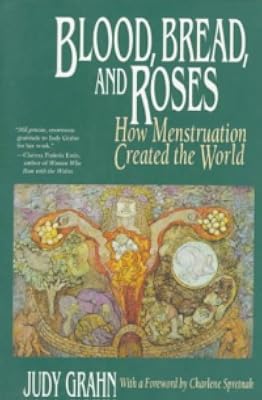
Blood, Bread, and Roses: How Menstruation Created the World
by Judy Grahn
On This Page
Description
Blood is everywhere in our society: on nightly T.V., in daily newspaper photos, in religious imagery. Yet menstrual blood is never mentioned and almost never seen, except privately by women. A girl's first period is usually kept secret, a source of embarrassment and irritation. Menstruation in our culture is invisible and irrelevant if properly hidden, shameful and unclean if not. It was not always this way. Long ago, in cultures around the world, a girl's menarchal passage was a time of show more celebration and initiation, and a time for ceremony, often including special clothing and foods and a period of seclusion. Far more than a biological event, menstruation was a recognized mark of female power, a source of ritual and of awe. The influence of early menstrual rites remains visible in our culture today. According to Judy Grahn, the ancient rites explain much of contemporary material culture - why women wear lipstick and eye makeup and adorn themselves with earrings and hair clasps, or why forks, bowls, chairs, rugs, and shoes originated, for instance. But Grahn also reveals the profound connections between ancient menstrual rites and the development of agriculture, mathematics, geometry, writing, calendars, horticulture, architecture, astronomy, cooking, money, and many other realms of knowledge. Blending archaeological data, ethnography, folklore, history, and myth, she constructs a new myth of origin for us all, demonstrating that menstruation is what made us human. Blood, Bread, and Roses reclaims woman's myths and stories, chronicling the ways in which women's actions and the teaching of myth have interacted over the millennia. Grahn argues that culture has been a weaving between the genders, a sharing of wisdom derived from menstruation. Her rich interpretations of ancient menstrual rites give us a new and hopeful story of culture's beginnings based on the integration of body, mind, and spirit found women's traditions. Blood, Bread, and Roses offers all of us a way back to understanding the true meaning of women's menstrual power. show lessTags
Recommendations




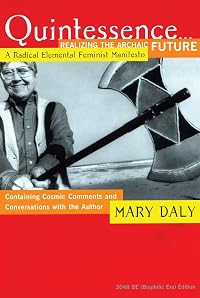
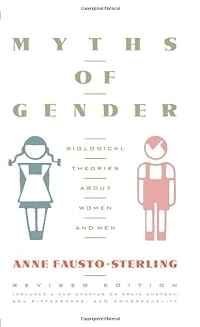
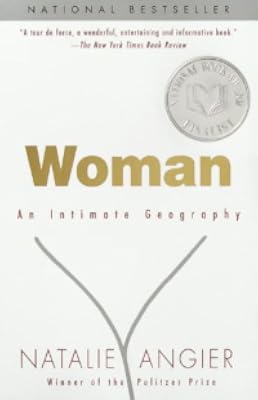
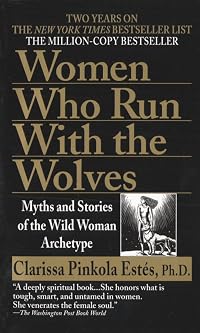












Member Recommendations
by anonymous user
Member Reviews
This book changed my entire worldview. Anyone who’s ever felt left out of history class by the prevalence of masculine pronouns has been waiting for Blood, Bread, and Roses. Grahn, celebrated feminist poet and writer, approaches anthropology from humanity’s very inception with the perspective that menstruation was the mother of invention. She argues that menstrual seclusion rituals, widespread among early societies, established human understanding of separation and synchronicity, and that they conveyed that understanding through metaform, behavior that communicates social mores and shared belief. Scholarly, but readable and stimulating, Grahn draws from prehistoric and modern cultural comparison, etymology, and poetic inference to show more detail the roots of religion, law, mythology, mathematics, science, clothing and eating. While readers may not agree with all her theories, the book is indispensable for anyone who has wondered about the other half of historical gender bias, and longed for more balanced alternate theories. show less
So far, I've gotten through chapter 1. I've read sections of the chapter more than once because I wanted to make sure I wasn't getting the wrong impression. The thing that stands out most (to me) from chapter one is the statement that some of the more extreme seclusion rites of menstruation were probably in large part created by women. I've got no problem with this premise at all. What I have a problem with is the fact that is presented as a GOOD thing. Making a woman lie in one spot for days on end or go without sleep or stay in forced isolation that in some cultures lasted months should not be any less disturbing just because women might have thought it up.
An honest effort will be made on my part to read the rest of the book. My main show more reservation is that the book will be in large part a justification of the shame and self-loathing many mothers have passed on to their daughters.
I gave up on reading the rest. It just does not hold my interest at this time. show less
An honest effort will be made on my part to read the rest of the book. My main show more reservation is that the book will be in large part a justification of the shame and self-loathing many mothers have passed on to their daughters.
I gave up on reading the rest. It just does not hold my interest at this time. show less
PDF 160
Ratings
Members
- Recently Added By
Author Information

30+ Works 1,492 Members
Judy Grahn is an internationally known poet, author, mythographer, and cultural theorist. Her work include A Simple Revolution: The Making of an Activist Poet, Descent to the Roses of a Family, Hanging on Our Own Bones, and Touching Creatures, Touching Spirit, and many others.
Awards and Honors
Awards
Classifications
- Genres
- Nonfiction, Sexuality and Gender Studies, General Nonfiction, Religion & Spirituality, LGBTQ+, History
- DDC/MDS
- 392.14 — Society, government, & culture Customs, etiquette & folklore Customs of life cycle and domestic life Birth customs: christening, circumcision Puberty
- LCC
- GN484.38 .G73 — Geography, Anthropology and Recreation Anthropology Anthropology Ethnology. Social and cultural anthropology Cultural traits, customs, and institutions
- BISAC
Statistics
- Members
- 139
- Popularity
- 235,958
- Reviews
- 2
- Rating
- (3.63)
- Languages
- English
- Media
- Paper, Ebook
- ISBNs
- 3
- UPCs
- 1