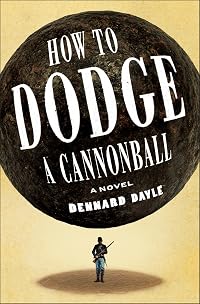
How to Dodge a Cannonball
by Dennard Dayle
On This Page
Description
"A cutting, revealing caricature of the American Civil War, told through the story of a white teenager who joins an all-Black regiment of soldiers, for fans of Colson Whitehead and James McBride. How to Dodge a Cannonball is a razor-sharp and bitterly hilarious Civil War satire about American racism. It tells the story of a friendless, fatherless, and guileless white teenager named Anders who volunteers for the Union army as a flag-twirler to escape his abusive mother. In desperate acts of show more self-preservation, he defects-twice-before joining a Black regiment at Gettysburg, claiming to be an octoroon. In his new and entirely incredulous regiment, Anders becomes entangled with questionable military men and an arms dealer working for both sides. But more importantly he forms an awkward bond with the other men in the regiment, finding a family he desperately needs and gaining an intimate understanding of the lives of Black people. After deploying to New York City to suppress the draft riots and to Nevada to suppress Native Americans, Anders begins to see the war through the eyes of his newfound brothers, comprehending it not so much as a fight for Black liberation but as a negotiation among white people over which kinds of oppression will be acceptable in the re-United States. Uproariously funny and revelatory, How to Dodge a Cannonball is an insightful take on which America is worth fighting for"-- show lessTags
Recommendations

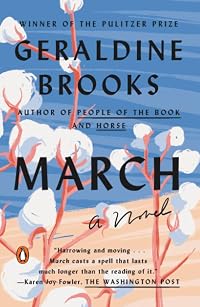
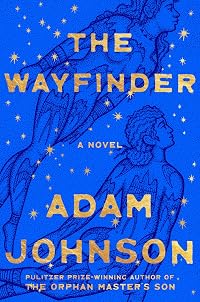
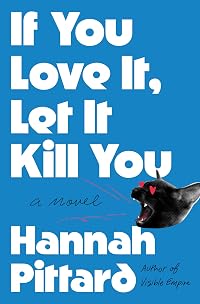
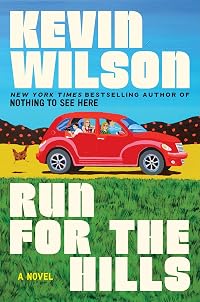

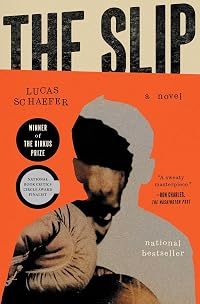
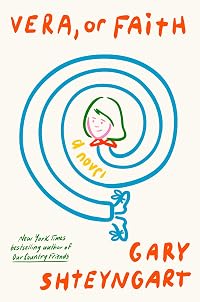
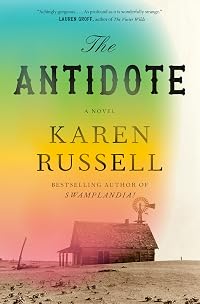
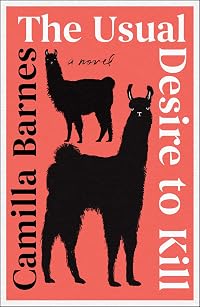
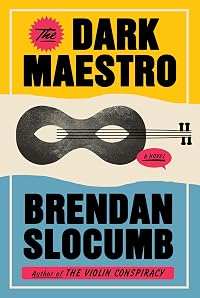
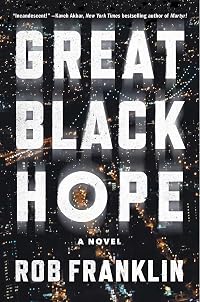
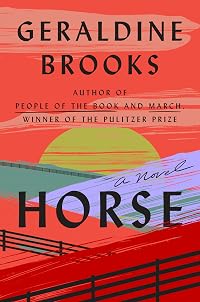
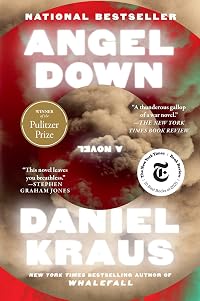

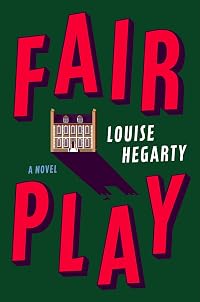
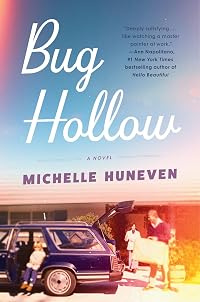

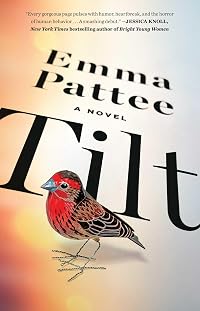
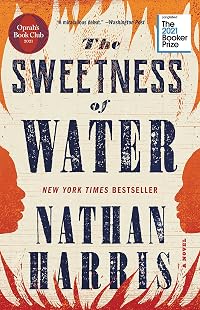

Member Recommendations
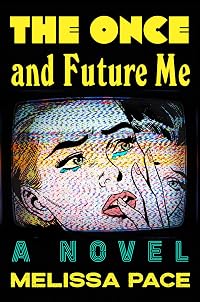
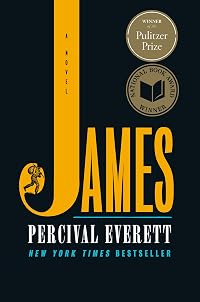
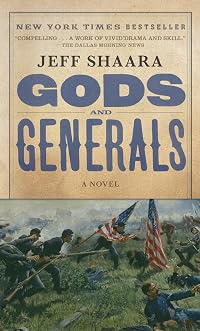
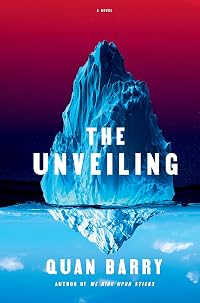
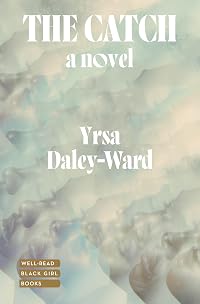
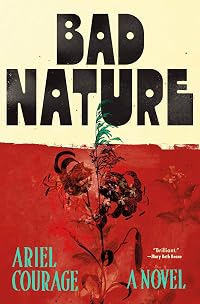
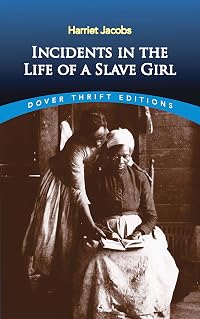
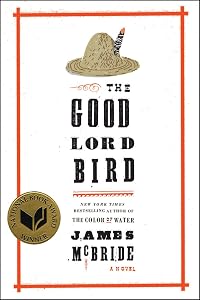
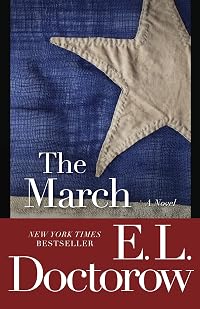
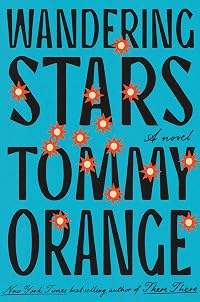
jscape2000 Two dark comedies about slavery and the civil war, featuring characters who invert transcend race and gender.
Member Reviews
Anders runs off to join the Union Army at fifteen, becoming a dedicated flag twirler, only to jump over to the other side under the impression that the food would be better. But being roped into Pickett's Charge at Gettysburg has him switching sides again, but this time, he ends up in a Black regiment, one that doesn't really believe his claim of being an octoroon, but doesn't care enough to kick him out. There he meets Gleason, his commanding officer, an aspiring playwright eager for the new America to form out of the ruins of the old; a Cuban revolutionary; a bugle player with a pretty big secret; and a dishonest arms dealer, among others. As the war grinds on, as his regiment is sent from the battlefield to New York to the wilds of show more Nevada, Anders continually falls into the most unlikely of adventures.
A comic novel about the horrors of the Civil War should not work, but somehow Dayle plays it wonderfully well. It helps that the author's knowledge of the time period allow him to riff on it in ways both fantastic and based on reality. And each sentence is genuinely witty, Anders's observations and asides are very funny, even as his compatriots consider him a bit touched. Although very different books, this novel bears a similarity to Percival Everett's The Trees. I was dubious going into this book, and it took me a few chapters to respond to what Dayle is doing here, but once I got into the groove, I had a hard time putting it down. It's unusual and very good. show less
A comic novel about the horrors of the Civil War should not work, but somehow Dayle plays it wonderfully well. It helps that the author's knowledge of the time period allow him to riff on it in ways both fantastic and based on reality. And each sentence is genuinely witty, Anders's observations and asides are very funny, even as his compatriots consider him a bit touched. Although very different books, this novel bears a similarity to Percival Everett's The Trees. I was dubious going into this book, and it took me a few chapters to respond to what Dayle is doing here, but once I got into the groove, I had a hard time putting it down. It's unusual and very good. show less
 This review was written for LibraryThing Early Reviewers.
Dennard Dayle’s How To Dodge A Cannonball is a satirical take on the American Civil War, with protagonist Anders, a white teenager who joins the Union Army as a flag bearer who eventually defects to the Confederacy, and then back to the Union in a Black regiment, passing himself off as an octoroon. Anders encounters a host of interesting characters and situations along the way, and the author finds ample opportunity to slyly dish insightful commentary on the absurdity of war and race relations in America, with a relevancy that resonates today.
This review was written for LibraryThing Early Reviewers.Oh man, this might be one of the most anticipated books of the year for me. First, there is a Jessi Jezewska Stevens blurb. Then Paul Beatty is mentioned in the acknowledgments. Then excellent and accurate comps to 'The Sellout' by Paul Beatty and 'The Good Lord Bird' by James McBride and 'The Underground Railroad' by Colson Whitehead and 'James' by Percival Everett and YES this glorious book can stand right alongside those greats on your bookshelf. If you are in the know, the four above books are Morning News Tournament of Books WINNERS and I would also say that a few more of their winners could be added to that list in comparison to this one: 'The Sisters Brothers' by Patrick deWitt primarily. So I think my early radar detection of show more this one being a possible Tournament book as soon as I saw it is even more accurate now.
ANYWAY, I love the humor that Dayle uses and it's the humor that we need right now in these times. We first see seven year old Anders trying to peek in the window to learn at a Black school, Pippi Longstocking style. Quick fast forward to him as a fifteen year old, being a flag twirler for both the Union and Confederates, as generations of his ancestors have been various flag twirlers for various causes (and why does "flag twirler" HERE make me think of a sign spinner at Little Caesars? Maybe the grandchildren of Anders are doing that now.) When General Lee orders his troops to run full speed ahead two miles into enemy Union territory, Anders defects again and lands in a Black regiment. Did I mention Anders is a white boy? The sentences also meet my expectations: hilarious, rich, lively, fresh, puzzly complicated, in the most brilliant way. With fun asides like screenplays of "Speculative dramaturgy", letters from generals. The humor here is superbly smart, twistily smart. Dare I say this is what I had wished Everett's 'James' to be when somehow I had found Everett's latest to be more watered down than expected? And I am a definite Everett fan. Anders is a treasure. So are the other characters. The ending is perfection. Good stuff here. Exceeding my expectations, which were amazingly high. It might be my favorite book of the year so far. I'm glad I ran into this book and very glad I already have Dayle's short story collection waiting for me on the shelf. (I actually grabbed his previous book as soon as I heard of this book.) I can see 'How to Dodge A Cannonball' showing up on awards lists soon, if not winning many, and not only winning the great Tournament of Books. show less
ANYWAY, I love the humor that Dayle uses and it's the humor that we need right now in these times. We first see seven year old Anders trying to peek in the window to learn at a Black school, Pippi Longstocking style. Quick fast forward to him as a fifteen year old, being a flag twirler for both the Union and Confederates, as generations of his ancestors have been various flag twirlers for various causes (and why does "flag twirler" HERE make me think of a sign spinner at Little Caesars? Maybe the grandchildren of Anders are doing that now.) When General Lee orders his troops to run full speed ahead two miles into enemy Union territory, Anders defects again and lands in a Black regiment. Did I mention Anders is a white boy? The sentences also meet my expectations: hilarious, rich, lively, fresh, puzzly complicated, in the most brilliant way. With fun asides like screenplays of "Speculative dramaturgy", letters from generals. The humor here is superbly smart, twistily smart. Dare I say this is what I had wished Everett's 'James' to be when somehow I had found Everett's latest to be more watered down than expected? And I am a definite Everett fan. Anders is a treasure. So are the other characters. The ending is perfection. Good stuff here. Exceeding my expectations, which were amazingly high. It might be my favorite book of the year so far. I'm glad I ran into this book and very glad I already have Dayle's short story collection waiting for me on the shelf. (I actually grabbed his previous book as soon as I heard of this book.) I can see 'How to Dodge A Cannonball' showing up on awards lists soon, if not winning many, and not only winning the great Tournament of Books. show less
This review was written for LibraryThing Early Reviewers.159 years after Appomattox, the U.S. has yet to heal from the Civil War. Today’s polarizing political climate reflects deep ideological gaps between North and South, Black and white, conservative and liberal. Every so often, a historical novel illustrates these differences through the narrow lenses of individual characters. The March by E.L. Doctorow was one of them, and How to Dodge a Cannonball is a welcome addition to the genre. Dayle’s fresh new voice and densely populated writing deserves to be read slowly to fully appreciate this political satire and wildly funny coming-of-age story.
This review was written for LibraryThing Early Reviewers.How to Dodge a Cannonball is a triumph of satire and history lesson that makes you laugh out loud as it explores the U.S. Civil War, race, identity, and the American myth.
Set during the Civil War, the book follows Anders, a white teenage idealist who bounces between Union and Confederate allegiances, not out of any conviction, but a well-honed survival instinct. His journey from flag-twirler to deserter to accidental infiltrator of an all-Black Union regiment is as absurd as it is poignant. When Anders joins the all-Black regiment, he claims to be an “octoroon” to blend in, and the skeptical but amused Black soldiers let him stay.
While reading, I was often reminded of Catch-22. The absurdity of the situations in Anders finds show more himself in are as interesting as anything Yossarian goes through. Anders is a brilliant character: naïve, slippery, and strangely endearing. His desperate improvisations and shifting loyalties reflect not cowardice, but a confusion about what America is and who it’s for. The novel’s genius lies in how it uses Anders' absurdity to expose the absurdity of the era itself.
Dayle doesn’t just lampoon the Civil War, he interrogates the narratives we that have been built around it, especially the racial dynamics that still echo today. How to Dodge a Cannonball is funny in ways that the Civil War shouldn't be, yet it is also deeply insightful. I am grateful to have read it and look forward to whatever Dayle writes next. show less
Set during the Civil War, the book follows Anders, a white teenage idealist who bounces between Union and Confederate allegiances, not out of any conviction, but a well-honed survival instinct. His journey from flag-twirler to deserter to accidental infiltrator of an all-Black Union regiment is as absurd as it is poignant. When Anders joins the all-Black regiment, he claims to be an “octoroon” to blend in, and the skeptical but amused Black soldiers let him stay.
While reading, I was often reminded of Catch-22. The absurdity of the situations in Anders finds show more himself in are as interesting as anything Yossarian goes through. Anders is a brilliant character: naïve, slippery, and strangely endearing. His desperate improvisations and shifting loyalties reflect not cowardice, but a confusion about what America is and who it’s for. The novel’s genius lies in how it uses Anders' absurdity to expose the absurdity of the era itself.
Dayle doesn’t just lampoon the Civil War, he interrogates the narratives we that have been built around it, especially the racial dynamics that still echo today. How to Dodge a Cannonball is funny in ways that the Civil War shouldn't be, yet it is also deeply insightful. I am grateful to have read it and look forward to whatever Dayle writes next. show less
This review was written for LibraryThing Early Reviewers."How to Dodge a Cannonball" is a timely satire that explores a variety of uncomfortable themes from race relations to the absurdity of the American Dream.
From its arresting first line, the book starts out with a bang and barely loses its step amid multiple quips and wry observations. Anders, our exasperating and endearing protagonist, is a fantastic stand-in for the naive optimism of American possibility that is relentlessly challenged over the course of the Civil War. Gleason, his Black foil, is also someone who believes in the possibility of equal race relations and an American Utopia, only to face disappointment after disappointment. And of course, there is Mole, Joaquin, and Thomas, who are all a bit more skeptical of the promise show more of America.
I would liken this book to "Catch-22" in the way it tackles anti-war themes with humor, with the chilling despair of "A Raisin in the Sun." There are obviously many parallels to today's current political situation, as well as some passages that I feel I still don't quite understand after just one reading, and deserve a second or third one down the line. I wouldn't be surprised if this book ends up on a shortlist for some well-deserved awards in the near future, or considering the ongoing social climate, ends up on some banned lists due to the very elements of American society that it mocks. show less
From its arresting first line, the book starts out with a bang and barely loses its step amid multiple quips and wry observations. Anders, our exasperating and endearing protagonist, is a fantastic stand-in for the naive optimism of American possibility that is relentlessly challenged over the course of the Civil War. Gleason, his Black foil, is also someone who believes in the possibility of equal race relations and an American Utopia, only to face disappointment after disappointment. And of course, there is Mole, Joaquin, and Thomas, who are all a bit more skeptical of the promise show more of America.
I would liken this book to "Catch-22" in the way it tackles anti-war themes with humor, with the chilling despair of "A Raisin in the Sun." There are obviously many parallels to today's current political situation, as well as some passages that I feel I still don't quite understand after just one reading, and deserve a second or third one down the line. I wouldn't be surprised if this book ends up on a shortlist for some well-deserved awards in the near future, or considering the ongoing social climate, ends up on some banned lists due to the very elements of American society that it mocks. show less
This review was written for LibraryThing Early Reviewers.Brilliantly written.
From the description (Anders joins the Union Army, is captured, fights for the confederacy until it's too dangerous, then joins a Black Union regiment—claiming to be an octoroon, i.e., 1/8 Black), I did not anticipate liking this book, let alone that I'd be praising it. And I only took a chance on it because I received it in a LibraryThing early reviewers giveaway. I'm really glad I did.
The irony and satire are packed so densely into the pages that I needed to slow down and read carefully to absorb it all, and I'm sure I missed much that I'll hopefully catch when I reread it.
I did feel that the last part of the book from chapter 30 on (roughly the final 70 pages) was a bit of a stretch, but there were still some show more marvelous lines in there.
The Civil War was not funny. Slavery was not funny. Racism was not/is not funny.
But Dennard Dayle, like all great comedians, gets at the Truth. Making us laugh helps us to recognize it. show less
From the description (Anders joins the Union Army, is captured, fights for the confederacy until it's too dangerous, then joins a Black Union regiment—claiming to be an octoroon, i.e., 1/8 Black), I did not anticipate liking this book, let alone that I'd be praising it. And I only took a chance on it because I received it in a LibraryThing early reviewers giveaway. I'm really glad I did.
The irony and satire are packed so densely into the pages that I needed to slow down and read carefully to absorb it all, and I'm sure I missed much that I'll hopefully catch when I reread it.
I did feel that the last part of the book from chapter 30 on (roughly the final 70 pages) was a bit of a stretch, but there were still some show more marvelous lines in there.
The Civil War was not funny. Slavery was not funny. Racism was not/is not funny.
But Dennard Dayle, like all great comedians, gets at the Truth. Making us laugh helps us to recognize it. show less
This review was written for LibraryThing Early Reviewers.Members
- Recently Added By
Author Information
2 Works 198 Members
Awards and Honors
Awards
Distinctions
Common Knowledge
- Canonical title
- How to Dodge a Cannonball
- Original publication date
- 2025-06-17
- People/Characters
- Anders; Petey/Patricia; Gleason
- Epigraph
- The Civil War? Right now? You must hate peace.
--Lisa M. Gotay
Good Luck.
-- Kadeish Russell - Dedication
- For my mother, Eugeny Higgins. Who, for posterity, I should note was nothing like the lunatic mentors that follow. With her, this would be the story of Anders getting wise, Loving, indispensable support for the equally insane... (show all) dreams.
- Original language
- English US
Classifications
Statistics
- Members
- 172
- Popularity
- 190,593
- Reviews
- 32
- Rating
- (3.08)
- Languages
- English
- Media
- Paper, Audiobook, Ebook
- ISBNs
- 5
- ASINs
- 2