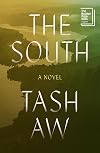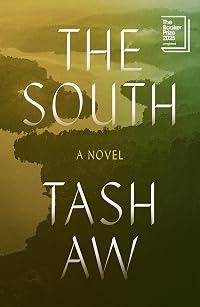
The South
by Tash Aw
On This Page
Description
A radiant, intimate novel of the longing that blooms between two boys over the course of one summer-about family, desire, and what we inherit. When his grandfather dies, Jay travels south with his family to the property they've inherited, a once flourishing farm that has fallen into disrepair. The trees are diseased, the fields parched from months of drought. Jay's father, Jack, sends him out to work the land, or whatever land is left. Over the course of these hot, dense days, Jay finds show more himself drawn to Chuan, the son of the farm's manager, different from him in every way except for one. Out in the fields, and on the streets into town, the charge between the boys intensifies. Inside the house, the other family members begin to confront their own secrets and regrets. Jack is a professor at a struggling local college whose failures might have begun when he married his student, Sui Ching. Sui Ching does her best to keep the family together, though she too wonders what her life could have been. And Fong, the manager, refuses to look at what is: at Chuan, at the land, at the global forces that threaten to render his whole life obsolete. At once sweeping and compressed, Tash Aw's The South is a family novel of change and desire-a story of what happens when public and private lives collide, told with uncommon grace and beauty. show lessTags
Recommendations






Member Reviews
Real Rating: 4.25* of five
The Publisher Says: A luminous and intimate novel about the weight of inheritance, the bonds of loyalty, and the awakening of love, set against the backdrop of a changing Malaysia.
The South unfolds during a visit by the Lim family to their rural clan estate after a long absence. Jay, in his mid-teens, and his two older sisters are less than thrilled to leave their city for the remote house in the south, but their parents, Sui Ching and Jack, are adamant.
Jay finds he's expected to share a room with Chuan, the son of the estate's overseer, a bit older than Jay but seemingly much more mature and capable in the world. The two soon form an intense bond, but with their very different backgrounds, and even more show more disparate expectations for the future, the course of their relationship is always an unspoken question.
Meanwhile, change presses in, including the destruction of the farm's beloved orchards, and the sale of the estate is mooted. The relationships between Chuan's father and Jack and Sui Ching go deep, but pressures both internal and external threaten to sever old bonds and upend an entire way of life. The South, at once sweeping and intimate, is a masterful portrait of a family navigating a period of great transformation.
I RECEIVED A DRC FROM THE PUBLISHER VIA NETGALLEY. THANK YOU.
My Review: Farms feed us. At the vast, unceasing exaction of labor, they feed us. Do they feed farmers? That is, do farmers get fulfillment and satisfaction from the labor they do? (Are there people being farmers in 2025?) And the cost of that labor, the relationships it bends to exigencies city-dwelling consumers don't worry their pretty heads about, how is it borne? Never equally...Nature seems to forbid anything like ease in farming, droughts, excesses of rain, it is literally always something on the socially elite Lim family's inherited land.
Author Tash Aw has done that thinking in this story. He observes and occasionally examines the workings of a family with a farm in Malaya (as it was at the beginning of the narrative) as they farm, live, love, doubt, together and apart. It's a book of calm, eerie stillness as the characters live lives they begin to question...is this necessary? am I necessary to it? am I doing good for the world?...and analyze how things are and aren't making them happy. Love is in the air between boys whose families have known each other most all their lives; loves slides out of mom Sui and dad Jack's grasp; love, true to its reputation, ruins everything with its exquisite torturous promises of pleasure, happiness, belonging that are so elusive to the Lim siblings. “We feel as though our entire world changes when we get older, every object, every person, has been rearranged into some strange new configuration, but in fact nothing at all has changed.” Nor will it ever. That realization stymies and disheartens many. I find it exhilarating in its challenge to redistribute attention, wisdom, knowledge within the unchanging reality of Life.
Maybe Jay Lim won't get Chuan, the boy he loves (In that moment, forever seems like a comforting notion. But at that age, what does either of them really know about time?), maybe Jack Lim will stop him as his culture demands despite his own complicated past, maybe Sui Lim won't be able to move past regrets for things undone. Maybe Malaysia's long tradition of relative harmony among its constituent groups is about to blow up into full-on Sinophobia. What will the Lims do then? We can't call it an orchard if it no longer bears fruits pretty much sums up the dilemmas in the whole book.
Family drama is evergreen because family is universal. Jay's older sisters are plumping for connection in the form of religious nuttery, the other in the embrace of rejection. (Parents believe this, so she rejects it; a stance adolescence damn near demands.) Jay's struggles with finding queerness in his world, knowing it's there and just out of his reach, is how I know the author understands me across generations and cultures: "This emptiness feels like hunger but Jay thinks that it is really a longing, though he doesn't know what he is longing for."
I was delighted to read this story of queer self-discovery against a backdrop of cultural and economic shifts that both enable and inhibit the journey. It is not a negative, but an observation, that hearing from so many points of view does not center queerness in the story quite the way I'd thought it would based on how it's marketed. It wasn't enough Jay to make the queer angle the only one in the telling, so I took three-quarters of a star back.
But how very beautiful and quietly profound and enfolding this read was! I recommend it to all including the "eww-ick" homophobes. show less
The Publisher Says: A luminous and intimate novel about the weight of inheritance, the bonds of loyalty, and the awakening of love, set against the backdrop of a changing Malaysia.
The South unfolds during a visit by the Lim family to their rural clan estate after a long absence. Jay, in his mid-teens, and his two older sisters are less than thrilled to leave their city for the remote house in the south, but their parents, Sui Ching and Jack, are adamant.
Jay finds he's expected to share a room with Chuan, the son of the estate's overseer, a bit older than Jay but seemingly much more mature and capable in the world. The two soon form an intense bond, but with their very different backgrounds, and even more show more disparate expectations for the future, the course of their relationship is always an unspoken question.
Meanwhile, change presses in, including the destruction of the farm's beloved orchards, and the sale of the estate is mooted. The relationships between Chuan's father and Jack and Sui Ching go deep, but pressures both internal and external threaten to sever old bonds and upend an entire way of life. The South, at once sweeping and intimate, is a masterful portrait of a family navigating a period of great transformation.
I RECEIVED A DRC FROM THE PUBLISHER VIA NETGALLEY. THANK YOU.
My Review: Farms feed us. At the vast, unceasing exaction of labor, they feed us. Do they feed farmers? That is, do farmers get fulfillment and satisfaction from the labor they do? (Are there people being farmers in 2025?) And the cost of that labor, the relationships it bends to exigencies city-dwelling consumers don't worry their pretty heads about, how is it borne? Never equally...Nature seems to forbid anything like ease in farming, droughts, excesses of rain, it is literally always something on the socially elite Lim family's inherited land.
Author Tash Aw has done that thinking in this story. He observes and occasionally examines the workings of a family with a farm in Malaya (as it was at the beginning of the narrative) as they farm, live, love, doubt, together and apart. It's a book of calm, eerie stillness as the characters live lives they begin to question...is this necessary? am I necessary to it? am I doing good for the world?...and analyze how things are and aren't making them happy. Love is in the air between boys whose families have known each other most all their lives; loves slides out of mom Sui and dad Jack's grasp; love, true to its reputation, ruins everything with its exquisite torturous promises of pleasure, happiness, belonging that are so elusive to the Lim siblings. “We feel as though our entire world changes when we get older, every object, every person, has been rearranged into some strange new configuration, but in fact nothing at all has changed.” Nor will it ever. That realization stymies and disheartens many. I find it exhilarating in its challenge to redistribute attention, wisdom, knowledge within the unchanging reality of Life.
Maybe Jay Lim won't get Chuan, the boy he loves (In that moment, forever seems like a comforting notion. But at that age, what does either of them really know about time?), maybe Jack Lim will stop him as his culture demands despite his own complicated past, maybe Sui Lim won't be able to move past regrets for things undone. Maybe Malaysia's long tradition of relative harmony among its constituent groups is about to blow up into full-on Sinophobia. What will the Lims do then? We can't call it an orchard if it no longer bears fruits pretty much sums up the dilemmas in the whole book.
Family drama is evergreen because family is universal. Jay's older sisters are plumping for connection in the form of religious nuttery, the other in the embrace of rejection. (Parents believe this, so she rejects it; a stance adolescence damn near demands.) Jay's struggles with finding queerness in his world, knowing it's there and just out of his reach, is how I know the author understands me across generations and cultures: "This emptiness feels like hunger but Jay thinks that it is really a longing, though he doesn't know what he is longing for."
I was delighted to read this story of queer self-discovery against a backdrop of cultural and economic shifts that both enable and inhibit the journey. It is not a negative, but an observation, that hearing from so many points of view does not center queerness in the story quite the way I'd thought it would based on how it's marketed. It wasn't enough Jay to make the queer angle the only one in the telling, so I took three-quarters of a star back.
But how very beautiful and quietly profound and enfolding this read was! I recommend it to all including the "eww-ick" homophobes. show less
Friends are a mirror that allow us to see who we are in relief, he realises. In their strengths we discern our weaknesses, and vice versa. His solitary existence has made him forget who he is and it is only now, with Sui, that he is able to recall himself. He is a tender person, or at least a person capable of tenderness.
The summer Jay and his family spend on a farm they own in the south of Malaysia is one of quiet but substantial change for each of them. Jay, an unhappy teenager nearing the end of high school, is sent out to work for Fong, the farm's manager. He's ill-suited to the work but as he finds things he can do, he begins to see that the farm is failing and there is less and less work. He falls into a friendship with Chuan, show more Fong's son, which is complicated by his own feelings and by the disparity in their lives and futures. As their relationship progresses, it changes Jay as he's exposed to lives with fewer opportunities, and asked to become more open about his own feelings. Meanwhile, his sisters are dealing with their own changes -- the oldest figuring out how to live the life she wants rather than the one her parents expect of her, the middle child learning how to separate herself from the expectations placed on her. And parents are also struggling, their rigid university lecturer father has lost his job at an age were he probably won't find another and their mother, who has spent her life taking care of her husband and dealing with having come from a lower social class than her husband. All of this taking place quietly in a Malaysia that seems to be falling apart.
This is the kind of introspective novel that pays far more attention to the inner lives of the characters and how they relate to each other than it does to plot. Aw is a skilled writer, and there is a great deal of enjoyment in reading the beautiful sentences. show less
The summer Jay and his family spend on a farm they own in the south of Malaysia is one of quiet but substantial change for each of them. Jay, an unhappy teenager nearing the end of high school, is sent out to work for Fong, the farm's manager. He's ill-suited to the work but as he finds things he can do, he begins to see that the farm is failing and there is less and less work. He falls into a friendship with Chuan, show more Fong's son, which is complicated by his own feelings and by the disparity in their lives and futures. As their relationship progresses, it changes Jay as he's exposed to lives with fewer opportunities, and asked to become more open about his own feelings. Meanwhile, his sisters are dealing with their own changes -- the oldest figuring out how to live the life she wants rather than the one her parents expect of her, the middle child learning how to separate herself from the expectations placed on her. And parents are also struggling, their rigid university lecturer father has lost his job at an age were he probably won't find another and their mother, who has spent her life taking care of her husband and dealing with having come from a lower social class than her husband. All of this taking place quietly in a Malaysia that seems to be falling apart.
This is the kind of introspective novel that pays far more attention to the inner lives of the characters and how they relate to each other than it does to plot. Aw is a skilled writer, and there is a great deal of enjoyment in reading the beautiful sentences. show less
My 7th from the Booker Prize longlist is the first of a planned quartet set in Malaysia, and the slowest of the books I've read so far. It's also been banned in Malaysia because of male homosexual themes.
It took me some time to find traction with this novel. First, I didn't realize it was nostalgic until I was well into it. I thought it was contemporary. And second because, well, there's not a lot of narrative tensions or drives. In the shortest summary, a family takes trip from their home in Kuala Lumpur (KL), Malaysia to their family farm in the "South", the south part of Malaysia. So city peeps in the country - or Chinese city peeps in rural Malaysia. The land is near a small town and somewhat near Singapore. The chapters alternate show more with 1st-person Jay, who is 16, gay, and coming of age, and 3rd-person family member perspectives. Jay is of Chinese descent, and his immediate family is his father, his much younger wife, and his two older sisters. The farm is run by a distant "cousin" of his father, and his son, Chuan. Based on the music, we're somewhere in the late 1990's. There is a mild amount of texting. A careful reader might pick up the exact date. Anyway, the farm is dying from drought related to El Nino currents, and also from lack of investment.
The news will tell you this is a gay novel. Jay and Chuan are both gay and that was enough for the Malaysian government to censor it. But the energy is really about tension between a teenager sheltered by the city, and the slightly older, under-educated Chuan whose maturity and intelligence oozes freedom. He has a careless lack of concern that mixes with a surprising sincere kindness. It's also about small town Malaysia - the shops, and finances, and struggles and atmosphere. The questionable outlooks and hopes. The destruction of land for development. The dying of the land. Karaoke, iced coffee and warm beer all make cameos. I was kind of indifferent to the gay aspect. It was just who Jay was. But the world of this small town was kind of terrific. I thoroughly enjoyed that. Also, because it was new to me, I liked that one of Jay's sisters has a Malay boyfriend, leading to some light commentary on what that might mean about who he is, from a Chinese perspective (in other words, they are uncomfortable that he is probably religious).
A book of interest and reward for anyone curious about Malaysia. Otherwise, it's a gentle soft novel, nostalgic, open, slow but short (forget the page count. There's a lot of white space). Recommended, if this appeals.
2025
https://www.librarything.com/topic/372264#8939807 show less
It took me some time to find traction with this novel. First, I didn't realize it was nostalgic until I was well into it. I thought it was contemporary. And second because, well, there's not a lot of narrative tensions or drives. In the shortest summary, a family takes trip from their home in Kuala Lumpur (KL), Malaysia to their family farm in the "South", the south part of Malaysia. So city peeps in the country - or Chinese city peeps in rural Malaysia. The land is near a small town and somewhat near Singapore. The chapters alternate show more with 1st-person Jay, who is 16, gay, and coming of age, and 3rd-person family member perspectives. Jay is of Chinese descent, and his immediate family is his father, his much younger wife, and his two older sisters. The farm is run by a distant "cousin" of his father, and his son, Chuan. Based on the music, we're somewhere in the late 1990's. There is a mild amount of texting. A careful reader might pick up the exact date. Anyway, the farm is dying from drought related to El Nino currents, and also from lack of investment.
The news will tell you this is a gay novel. Jay and Chuan are both gay and that was enough for the Malaysian government to censor it. But the energy is really about tension between a teenager sheltered by the city, and the slightly older, under-educated Chuan whose maturity and intelligence oozes freedom. He has a careless lack of concern that mixes with a surprising sincere kindness. It's also about small town Malaysia - the shops, and finances, and struggles and atmosphere. The questionable outlooks and hopes. The destruction of land for development. The dying of the land. Karaoke, iced coffee and warm beer all make cameos. I was kind of indifferent to the gay aspect. It was just who Jay was. But the world of this small town was kind of terrific. I thoroughly enjoyed that. Also, because it was new to me, I liked that one of Jay's sisters has a Malay boyfriend, leading to some light commentary on what that might mean about who he is, from a Chinese perspective (in other words, they are uncomfortable that he is probably religious).
A book of interest and reward for anyone curious about Malaysia. Otherwise, it's a gentle soft novel, nostalgic, open, slow but short (forget the page count. There's a lot of white space). Recommended, if this appeals.
2025
https://www.librarything.com/topic/372264#8939807 show less
— "What if it's a boy? Who comes here because he's yearning for another boy? Small birds, perhaps swifts, scatter across the sky. Jay realises he is holding his breath. Nice. Chuan says after a while. I like it."
The first in a quartet of novels, The South is a coming-of-age novel set in Malaysia during the late 90s. It is elegaic, melancholy and astute at pinning down the class and ethnic hierarchies in the country during that era, exploring the chasm between the rural countryside and the city. On the cusp of this temporal friction is the love story between Jay and Chuan, two boys who come from families more dysfunctional than they'd like to admit. The novel shifts through multiple narrative perspectives, inclusive of Jay's parents show more and Chuan's father; from them, we learn about the simmering dissatisfaction eating away at both families. The world that Aw paints is immersive and meticulous, but I can't help but feel a sense of detachment at the way these stories are told. Maybe it has to do with how love is secondary to many of the characters' material concerns, but the narrative resembles a clean ethnographic study devoid of all the messiness and vitality that normally accompanies a bildungsroman. But since The South is an introductory novel to a quartet, perhaps these stories will grow with time. I'm holding out hope; there are very few Singaporean queer stories, which makes Jay and Chuan's story feel very much like home. Despite being set in Malaysia, there is a closeness between both countries which makes a lot of the novel's cultural references feel instantly familiar and euphoric.
*Thank you to NetGalley for an ARC in exchange for an honest review. show less
The first in a quartet of novels, The South is a coming-of-age novel set in Malaysia during the late 90s. It is elegaic, melancholy and astute at pinning down the class and ethnic hierarchies in the country during that era, exploring the chasm between the rural countryside and the city. On the cusp of this temporal friction is the love story between Jay and Chuan, two boys who come from families more dysfunctional than they'd like to admit. The novel shifts through multiple narrative perspectives, inclusive of Jay's parents show more and Chuan's father; from them, we learn about the simmering dissatisfaction eating away at both families. The world that Aw paints is immersive and meticulous, but I can't help but feel a sense of detachment at the way these stories are told. Maybe it has to do with how love is secondary to many of the characters' material concerns, but the narrative resembles a clean ethnographic study devoid of all the messiness and vitality that normally accompanies a bildungsroman. But since The South is an introductory novel to a quartet, perhaps these stories will grow with time. I'm holding out hope; there are very few Singaporean queer stories, which makes Jay and Chuan's story feel very much like home. Despite being set in Malaysia, there is a closeness between both countries which makes a lot of the novel's cultural references feel instantly familiar and euphoric.
*Thank you to NetGalley for an ARC in exchange for an honest review. show less
Beautifully written! I particularly liked the alternating narration, which allowed various points of view to emerge
James Baldwin does it better. So does Ocean Vuong. Even Justin Torres. I had high hopes for this Booker Prize longlist, and have to admit being pretty disappointed.
Maleisië, eind 1997. De economie in Zuidoost Azië staat op instorten, de zon verschroeit het land en de Chinees-Maleisische familie Lim laat de airco’s en het comfort van Kuala Lumpur achter zich om een paar weken door te brengen op de familiegrond in ‘het zuiden’. Het is niet alleen de economie die in crisis verkeert, hetzelfde kan gezegd worden over het boerenbedrijf op de familiegrond én over het gezin Lim zelf. De drie kinderen, jongvolwassenen inmiddels, gaan hun eigen weg, het huwelijk van de ouders verkeert in crisis en gepraat wordt er nauwelijks. Hoe moet dit verder?
Schrijver Tash Aw, zelf ook uit een Chinees-Maleische familie afkomstig, laat in zijn nieuwste roman ‘Het Zuiden’ de jongste van het gezin, Jay, jaren show more later terugblikken op die weken in het zuiden. Dat gaat zoekend. Jay herinnert zich sommige gebeurtenissen nog heel helder, zoals zijn eerste seksuele ervaring met een andere jongen en zijn eerste dronkenschap. Andere herinneringen zijn vager, alsof hij ze uit het diepst van zijn geheugen moet opvissen en waarbij hij zich vooral sfeer en gevoel herinnert. Bijvoorbeeld de onzekerheid over zijn homoseksualiteit, de spanning van de eerste verliefdheid, de weerzin voor zijn vader, het avontuur van voor het eerst de hele nacht op stap met leeftijdsgenoten, de landarbeiders met hun gespierde lijven, de verdorde natuur.
Opmerkelijk aan het boek is het steeds verspringende perspectief. Soms is duidelijk de terugblikkende, oudere Jay aan het woord, maar andere delen worden verteld in tegenwoordige tijd en in personaal perspectief en beschrijven de gebeurtenissen vanuit (de jonge versie van) Jay, maar ook vanuit zijn moeder Sui, en de opzichter van het land, Fong. Andere personages blijven meer op afstand. Toch bouw je als lezer langzaam een steeds scherper beeld op van deze familie, hun onderlinge relaties en hun geschiedenis.
Wat je bij dit boek zeker niet moet verwachten is een keurig afgeronde familiegeschiedenis, waarin je chronologisch de generaties volgt. In een interview zegt Tash Aw dat dit ook niet zijn bedoeling was. Hij wil de geschiedenis beschrijven zoals die gebeurde, niet zoals je die achteraf vertelt. Want het coherente verhaal, dat maak je pas achteraf. Op het moment dat gebeurtenissen plaatsvinden, beleef je de werkelijkheid meer zintuiglijk, fragmentarisch: je weet nog niet wat belangrijk gaat zijn.
Wie een afgerond plot verwacht, komt misschien dus wat bedrogen uit. Dat komt overigens niet alleen door de fragmentarische opzet, maar ook doordat ‘Het Zuiden’ het eerste deel is van wat uiteindelijk een vierluik over de familie Lim moet worden. Het bevat dus behoorlijk wat open eindjes, en dat heeft iets onbevredigends, zeker omdat de vervolgdelen nog niet eens geschreven zijn. Maar voor wie kan genieten van sfeertekening, poëtische beschrijvingen van verstilde momenten en bespiegelingen over het voorbijgaan van de tijd valt er een hoop moois te beleven in ‘Het Zuiden’. show less
Schrijver Tash Aw, zelf ook uit een Chinees-Maleische familie afkomstig, laat in zijn nieuwste roman ‘Het Zuiden’ de jongste van het gezin, Jay, jaren show more later terugblikken op die weken in het zuiden. Dat gaat zoekend. Jay herinnert zich sommige gebeurtenissen nog heel helder, zoals zijn eerste seksuele ervaring met een andere jongen en zijn eerste dronkenschap. Andere herinneringen zijn vager, alsof hij ze uit het diepst van zijn geheugen moet opvissen en waarbij hij zich vooral sfeer en gevoel herinnert. Bijvoorbeeld de onzekerheid over zijn homoseksualiteit, de spanning van de eerste verliefdheid, de weerzin voor zijn vader, het avontuur van voor het eerst de hele nacht op stap met leeftijdsgenoten, de landarbeiders met hun gespierde lijven, de verdorde natuur.
Opmerkelijk aan het boek is het steeds verspringende perspectief. Soms is duidelijk de terugblikkende, oudere Jay aan het woord, maar andere delen worden verteld in tegenwoordige tijd en in personaal perspectief en beschrijven de gebeurtenissen vanuit (de jonge versie van) Jay, maar ook vanuit zijn moeder Sui, en de opzichter van het land, Fong. Andere personages blijven meer op afstand. Toch bouw je als lezer langzaam een steeds scherper beeld op van deze familie, hun onderlinge relaties en hun geschiedenis.
Wat je bij dit boek zeker niet moet verwachten is een keurig afgeronde familiegeschiedenis, waarin je chronologisch de generaties volgt. In een interview zegt Tash Aw dat dit ook niet zijn bedoeling was. Hij wil de geschiedenis beschrijven zoals die gebeurde, niet zoals je die achteraf vertelt. Want het coherente verhaal, dat maak je pas achteraf. Op het moment dat gebeurtenissen plaatsvinden, beleef je de werkelijkheid meer zintuiglijk, fragmentarisch: je weet nog niet wat belangrijk gaat zijn.
Wie een afgerond plot verwacht, komt misschien dus wat bedrogen uit. Dat komt overigens niet alleen door de fragmentarische opzet, maar ook doordat ‘Het Zuiden’ het eerste deel is van wat uiteindelijk een vierluik over de familie Lim moet worden. Het bevat dus behoorlijk wat open eindjes, en dat heeft iets onbevredigends, zeker omdat de vervolgdelen nog niet eens geschreven zijn. Maar voor wie kan genieten van sfeertekening, poëtische beschrijvingen van verstilde momenten en bespiegelingen over het voorbijgaan van de tijd valt er een hoop moois te beleven in ‘Het Zuiden’. show less
Jun 18, 2025Dutch
Members
- Recently Added By
Lists

Books Read in 2025
4,128 works; 98 members

2025 Booker Prize Longlist
13 works; 6 members

WBS - Book Club
71 works; 1 member

Take Four Books
130 works; 1 member
Author Information

11+ Works 2,120 Members
Some Editions
Awards and Honors
Awards
Distinctions
The Guardian Book of the Day (2025-02-25)
The Guardian Book of the Day (2025-02-13)
Common Knowledge
- Canonical title
- The South
- Original title
- The South
- Original publication date
- 2025-05-27
- Important places
- Malaysia
- Dedication
- For Francis
- Blurbers*
- Louis, Édouard
- Original language
- English
*Some information comes from Common Knowledge in other languages. Click "Edit" for more information.
Classifications
Statistics
- Members
- 196
- Popularity
- 167,492
- Reviews
- 8
- Rating
- (3.52)
- Languages
- Dutch, English
- Media
- Paper, Audiobook, Ebook
- ISBNs
- 12
- ASINs
- 4