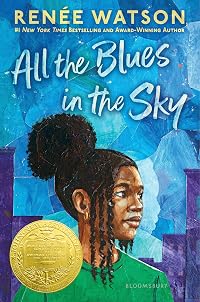
All the Blues in the Sky
by Renée Watson
On This Page
Description
When thirteen-year-old Sage's best friend dies, Sage struggles with grief and feels that she is at fault, but when she joins a grief group, she slowly learns to heal.Tags
Recommendations



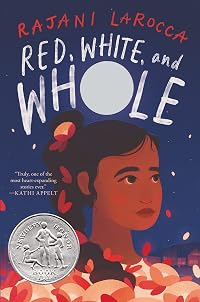
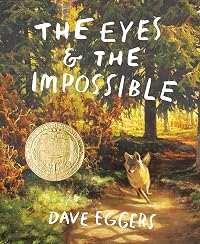
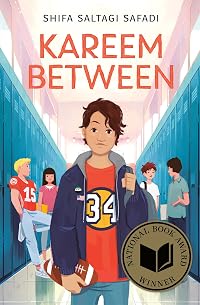
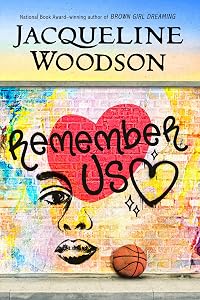


Member Reviews
Sage is grieving: on her thirteenth birthday, her best friend was hit by a car while walking to Sage's house, and died. Sage is part of a grief group at her school with four other kids who have lost people close to them, but she feels like the two who experienced sudden death understand her better than those who had time to say goodbyes. Sage's parents (separated, in apartments near each other in Harlem) and her Aunt Ini, who is more like a grandmother, are there for her; Sage also feels comforted in math class, where there are concrete answers, and in her Fly Girls class, where she and other girls learn about being pilots. Ultimately, Sage understands that the grief from Angel's death will always be with her, but that she can feel show more other things, too. Just as spring arrives (seasonally and metaphorically), Aunt Ini shares some bad news.
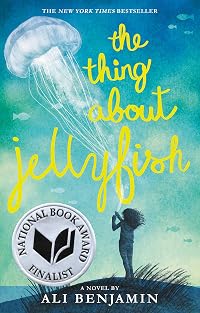
See also: Telephone of the Tree, The Thing About Jellyfish, Bridge to Terabithia
Quotes
"Questions are a part of grief," Ms. Carver said. "Some questions will never be answered, but some will. You can write your questions in a journal or ask someone you trust. It's important not to keep all those wonderings in your mind, it's important to let them out so you can make room for other thoughts to come in." (31)
Memories, sometimes a tornado that touches down
with no warning, overwhelming and devastating. (58)
I was afraid of either of us making new friends.
I was afraid of losing us, of losing her.
But I lost her anyway. (97)
For all the blues in the sky,
there are as many blues in the heart. (132)
And when I ask, How will I live without her?
I am not asking how as in if I can live without her.
I know I can.
I don't want to.
When I say, How will I live without her?
what I'm asking is how will grief show up this time? (174) show less
See also: Telephone of the Tree, The Thing About Jellyfish, Bridge to Terabithia
Quotes
"Questions are a part of grief," Ms. Carver said. "Some questions will never be answered, but some will. You can write your questions in a journal or ask someone you trust. It's important not to keep all those wonderings in your mind, it's important to let them out so you can make room for other thoughts to come in." (31)
Memories, sometimes a tornado that touches down
with no warning, overwhelming and devastating. (58)
I was afraid of either of us making new friends.
I was afraid of losing us, of losing her.
But I lost her anyway. (97)
For all the blues in the sky,
there are as many blues in the heart. (132)
And when I ask, How will I live without her?
I am not asking how as in if I can live without her.
I know I can.
I don't want to.
When I say, How will I live without her?
what I'm asking is how will grief show up this time? (174) show less
Sage’s thirteen birthday was supposed to be staying up late with her best friend with movies, snacks, and watching the sunrise together. Instead, it’s the day her best friend died. Without her, Sage is lost. In a counseling group with other girls who lost someone close to them, she learns loss is not always the same - nor is grief - and the healing process is unpredictable. As Sage grieves, her emotions are all over the place: sadness, loneliness, anger, anxiety, pain, love, guilt… as she experiences new things, Sage may help herself in her grief.
Yet another book I wish I had when I was younger. I was twelve when my Dad was killed in a traffic accident while working. I went through all the emotions Sage goes through in this and show more more. I do appreciate the fact it mentions grief never really goes away, and that it comes back sometimes unexpectedly - 20 years last August and I’ll still have days I wish my Dad was around to ask questions/talk to.
I never went to a counseling group like Sage does though. My Mom had asked about talking with a therapist, but at the time, therapy and therapist were still kind of taboo and I told her I didn’t want to go; she never pushed. I ended up coping a lot with music, but talking about it while I was younger would have probably helped with my anger.
Overall, this is a beautifully written novel in verse about a young teenager dealing with the sudden loss of her best friend. I believe this would be so helpful to those who have also lost someone close to them suddenly. show less
Yet another book I wish I had when I was younger. I was twelve when my Dad was killed in a traffic accident while working. I went through all the emotions Sage goes through in this and show more more. I do appreciate the fact it mentions grief never really goes away, and that it comes back sometimes unexpectedly - 20 years last August and I’ll still have days I wish my Dad was around to ask questions/talk to.
I never went to a counseling group like Sage does though. My Mom had asked about talking with a therapist, but at the time, therapy and therapist were still kind of taboo and I told her I didn’t want to go; she never pushed. I ended up coping a lot with music, but talking about it while I was younger would have probably helped with my anger.
Overall, this is a beautifully written novel in verse about a young teenager dealing with the sudden loss of her best friend. I believe this would be so helpful to those who have also lost someone close to them suddenly. show less
On Sage's 13th birthday, her best friend died in a hit and run while on her way to visit Sage. Now Sage is processing her grief and guilt in an afterschool grief counseling group. Author Watson sensitively depicts Sage's struggle as through the eyes of a young person. No tropes or "everything will be all right" platitudes but a reassuring acknowledgement that it's okay to feel whatever you're feeling at a given moment. The poetry is artful, just the right voice for Sage's story. An author's note describes how the story came to be written and the impact of loss in her own life.
Sage's best friend died on her birthday, on the way to her house to have a sleepover. Since then, she's been going to Grief Group after school and struggling with her feelings of guilt.
This novel in verse won the Newbery Award this year. I think it's an important, if terribly sad, topic that's important to have in any library's collection. But I did feel like perhaps something was missing in my reading experience. I wanted more - maybe in the story, maybe in the writing (novel in verse doesn't always work for me). It focuses narrowly on Sage's grief, with glimmers of hope, and then she gets more devastating news. The author's note explains that the novel came from her own experiences of back-to-back loss and grief, so it definitely show more comes from a very personal place in her own life. I just found it incredibly sad and figure it'll be one of those years I personally prefer one of the Honors over the actual award-winning book. show less
This novel in verse won the Newbery Award this year. I think it's an important, if terribly sad, topic that's important to have in any library's collection. But I did feel like perhaps something was missing in my reading experience. I wanted more - maybe in the story, maybe in the writing (novel in verse doesn't always work for me). It focuses narrowly on Sage's grief, with glimmers of hope, and then she gets more devastating news. The author's note explains that the novel came from her own experiences of back-to-back loss and grief, so it definitely show more comes from a very personal place in her own life. I just found it incredibly sad and figure it'll be one of those years I personally prefer one of the Honors over the actual award-winning book. show less
First sentence: I didn't know
best friends could die.
Premise/plot: After Sage's best friend, Angel, dies, Sage begins attending a grief counseling group with those her own age. She feels that some understand because the people they lost died suddenly, but she's angry that others in the group are included because the people they lost didn't die suddenly. Her logic is that losing someone through hospice isn't the same, couldn't ever be the same. Or losing a grandmother is one thing but losing a best friend another. She rolls her eyes when others share knowing that her pain is greater, better. That's her logic at any account. By the end of the novel--after Sage rages a bit--Sage will have an opportunity to rethink her logic when she learns show more that her great-aunt is dying.
My thoughts: All the Blues in the Sky was the Newbery this year. It is a verse novel. It was a quick read. It is an emotional read. It checks a lot of the boxes for award winners. It just does. But that doesn't always mean it's a great fit for kids. Not that there's anything objectionable or inappropriate. I just mean kid-appeal. The greater the number of tears shed the better the chances for adults to LOVE it and want to give it all the awards. I'm not sure kid logic works quite like that. THOUGH again if this one is read and loved by kids, that's great.
I personally didn't love Sage's logic. It felt slightly obnoxious. BUT it might be extremely authentic. I do wish that the book focused more on Sage's whole life--and not just her attendance of grief counseling. But again, it's never, never fair to review the book you want instead of the book that is.
Note: I'm not sure if this is a children's book or lower middle grade. But there is a boyfriend and kissing. Which I'm not sure many Newbery medals feature a romantic element. show less
best friends could die.
Premise/plot: After Sage's best friend, Angel, dies, Sage begins attending a grief counseling group with those her own age. She feels that some understand because the people they lost died suddenly, but she's angry that others in the group are included because the people they lost didn't die suddenly. Her logic is that losing someone through hospice isn't the same, couldn't ever be the same. Or losing a grandmother is one thing but losing a best friend another. She rolls her eyes when others share knowing that her pain is greater, better. That's her logic at any account. By the end of the novel--after Sage rages a bit--Sage will have an opportunity to rethink her logic when she learns show more that her great-aunt is dying.
My thoughts: All the Blues in the Sky was the Newbery this year. It is a verse novel. It was a quick read. It is an emotional read. It checks a lot of the boxes for award winners. It just does. But that doesn't always mean it's a great fit for kids. Not that there's anything objectionable or inappropriate. I just mean kid-appeal. The greater the number of tears shed the better the chances for adults to LOVE it and want to give it all the awards. I'm not sure kid logic works quite like that. THOUGH again if this one is read and loved by kids, that's great.
I personally didn't love Sage's logic. It felt slightly obnoxious. BUT it might be extremely authentic. I do wish that the book focused more on Sage's whole life--and not just her attendance of grief counseling. But again, it's never, never fair to review the book you want instead of the book that is.
Note: I'm not sure if this is a children's book or lower middle grade. But there is a boyfriend and kissing. Which I'm not sure many Newbery medals feature a romantic element. show less
Sage's best friend died on Sage's 13th birthday, and she can't help feeling that it was all her fault. If her friend hadn't been on the way to Sage's house when the drunk driver hit her...
This poetic exploration of grief stems from the author's own experience of several losses over a short period of time. As this year's Newbery winner, I have heard mixed reviews. My criteria for verse novels is, "Does it read like poetry, or is it just chopped-up prose?" In this case, the answer is, "Sometimes." There are transcendent moments, but also plenty more pedestrian ones. There are even a few pages in prose, which I approve of -- no need to force it into verse if it doesn't need to be. Apart from that, I think this book might be helpful to show more young readers who have a limited experience of grief, or who are trying to work through some of the same questions and issues as Sage. I'm not crazy about it, but I don't hate it, either. show less
This poetic exploration of grief stems from the author's own experience of several losses over a short period of time. As this year's Newbery winner, I have heard mixed reviews. My criteria for verse novels is, "Does it read like poetry, or is it just chopped-up prose?" In this case, the answer is, "Sometimes." There are transcendent moments, but also plenty more pedestrian ones. There are even a few pages in prose, which I approve of -- no need to force it into verse if it doesn't need to be. Apart from that, I think this book might be helpful to show more young readers who have a limited experience of grief, or who are trying to work through some of the same questions and issues as Sage. I'm not crazy about it, but I don't hate it, either. show less
A deep dive into Sage's grief after losing her best friend (who remains unnamedfor much of the book). The grief of her friend's death is heavy in Sage's life. She's in a grief group and slowly makes some new friends who have also experienced loss. She works through a range of emotions with a supportive aunt and others in her life. The audiobook is such a powerful production. The book is a quick read/listen (under 3 hours) and manages to deeply delve into the story, characters, and topic.
Members
- Recently Added By
Lists

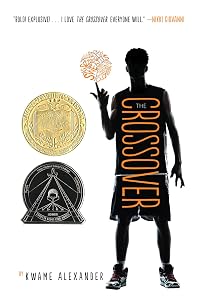
Newbery Medal Winners - By Year
105 works; 7 members

Youth: Abuse, Grief, & Loss
51 works; 1 member

Youth: Poetry
124 works; 1 member

Books Read in 2026
2,044 works; 68 members
Author Information

25+ Works 6,542 Members
Awards and Honors
Awards
Distinctions
Common Knowledge
- Canonical title
- All the Blues in the Sky
- Original title
- All the Blues in the Sky
- First words
- I didn't know
best friends could die. - Last words
- (Click to show. Warning: May contain spoilers.)I will tell them
it's okay to feel it all. - Original language
- English
Classifications
Statistics
- Members
- 126
- Popularity
- 259,562
- Reviews
- 10
- Rating
- (4.12)
- Languages
- English
- Media
- Paper, Ebook
- ISBNs
- 4