On This Page
Description
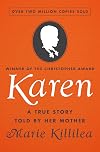
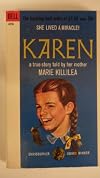
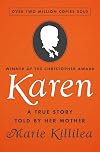
Winner of the Christopher Award: This bestseller tells the inspirational true story of a girl with cerebral palsy and the mother who wouldn't give up on her. In 1940, when Karen Killilea was born three months premature and developed cerebral palsy, doctors encouraged her parents to put her in an institution and forget about her. At the time, her condition was considered untreatable, and institutionalization was the only recourse. But in a revolutionary act of faith and love, the Killileas show more never gave up hope that Karen could lead a successful life. Written by Karen's mother, Marie, this memoir is a profound and heartwarming personal account of a young mother's efforts to refute the medical establishment's dispiriting advice, and her daughter's extraordinary triumph over seemingly insurmountable odds. Marie's activism spread awareness of the mistreatment of disabled people in America and led to the formation of multiple foundations, including United Cerebral Palsy. A larger-than-life story, Karen tells of a family's courage, patience, and struggle in the face of extreme difficulty. The New York Times wrote, "You'll want to read it most for Karen's own words: 'I can walk, I can talk. I can read. I can write. I can do anything.'" show lessTags
Recommendations
































Member Reviews
I read this book a long time ago, when I was a kid, and it made quite an impression on me. Younger people today likely had some disabled people in their schools, or workplaces. It's taken pretty much for granted today that disabled people are given accommodations to integrate with 'normal' society and many of them are able to lead productive lives.
However, the 1950's were several decades before the Americans with Disabilities Act and other laws which mandated accessibility for disabled people. Awareness and compassion for disabilities was different, back then people like Karen were more or less considered "broken" or "defective" by many people, and that was the average attitude. To even be a parent of a disabled child was no easy thing, show more and this book illustrates the struggle of living in the 1950's trying to raise, and do your best, for a child with cerebral palsy.
This is a very good biography, and is a very worthwhile read for the insight it offers into a different time and attitude, and the fight to overcome prejudices and misconceptions about disabled people. show less
However, the 1950's were several decades before the Americans with Disabilities Act and other laws which mandated accessibility for disabled people. Awareness and compassion for disabilities was different, back then people like Karen were more or less considered "broken" or "defective" by many people, and that was the average attitude. To even be a parent of a disabled child was no easy thing, show more and this book illustrates the struggle of living in the 1950's trying to raise, and do your best, for a child with cerebral palsy.
This is a very good biography, and is a very worthwhile read for the insight it offers into a different time and attitude, and the fight to overcome prejudices and misconceptions about disabled people. show less
Every time I read my copy, I'm blown away by Karen's story. She overcame so much to achieve a productive life after her parents were told to leave her in an institution and forget they ever had her. The family as a whole provided support and hope for thousands of other families struggling with CP and without the Killileas, development of CP devices and surgeries would have been held back for many decades. Even without all of that, you will fall in love with the entire family. I wish I knew where they all were now!
This is one of those classic books that deserves a 5 star review. For the inspiring story that it is, for the superb writing, the humor, grit, honesty and the history behind it as well. Marie Killilea tells the story of her daughter Karen, who was born with cerebral palsy in the early 1940's, a time when PT and OT services were virtually non-existent. The story includes anecdotes, conversations, struggles, and also a parallel story of how Mrs. Killilea helped found the National United Cerebral Palsy Foundation. Delightful and inspiring. This was my second reading of the book. I'm reading the sequel now for the first time!
This book about a family's groundbreaking efforts to win recognition of the humanity of people with cerebral palsy was enormously popular in its day (it was first published in the early 1950s). One reason is the character of the author's daughter, the Karen of the title, but the book is also well-written.
The 1940s, when the action mostly takes place, is another world. Everyone smokes--even the doctors offer the parents a cigarette as they sit down for consultation. The mom has more than one low-birth-weight baby, and another of her daughters suffers from both rheumatic fever and tuberculosis, but this was before connections to smoking had been made. She also easily assumes her role as wife and mother in the traditional sense. It was a show more time when mass mailings for the nascent CP organization had to be written with carbon copies and the local police could be called upon in a pinch to help deliver them to the post office when the parents fell sick. show less
The 1940s, when the action mostly takes place, is another world. Everyone smokes--even the doctors offer the parents a cigarette as they sit down for consultation. The mom has more than one low-birth-weight baby, and another of her daughters suffers from both rheumatic fever and tuberculosis, but this was before connections to smoking had been made. She also easily assumes her role as wife and mother in the traditional sense. It was a show more time when mass mailings for the nascent CP organization had to be written with carbon copies and the local police could be called upon in a pinch to help deliver them to the post office when the parents fell sick. show less
The story of a girl born in the 1940's with cerebral palsy. Written by her mother, the story opens with the parents' expectant joy in their new baby, slowly being replaced by uneasiness and anxiety as she never moves. Does not wave her arms, crawl, babble, etc. Soon they receive a diagnosis, and an idea of what it will mean: their daughter may never walk, talk, be able to care for herself. Karen's family did not tamely accept that verdict. Relentlessly they took her to doctors and specialists, searching for something that could be done. Their family worked into their daily life physical therapy routines for Karen, and at the same time taught her to be independent and self-reliant in spirit, even as her physical handicap made every show more little task a struggle. Her family's indomitable faith and determination are very inspiring. She made progress beyond what any of the doctors thought could be achieved, and her parents became active in organizing for and helping other families with CP children. More than just an inspiring story, this is a warm tale of family life, the writing flows easily and is full of life and humor. It's such a wonderful book to read.
from the DogEar Diary show less
from the DogEar Diary show less
This book had a major impact on me growing up. I read it many times over. This is the fascinating true story of Marie Killilea, mother of Karen Killilea, a child with cerebral palsy growing up in the 1950's. All the challanges and the joys experienced by this family are heartwarming and moving with every re-read.
I rediscovered this book that I enjoyed in Jr. High/ High School. It was so interesting to see how attitudes have changed since then. It is still an inspiration to see how a set of parents use their common sense to take care of their daughter and help form United Cerebral pla
Members
- Recently Added By
Lists

Cerebral palsy -- children's/young adult fiction
24 works; 5 members

Favorite Childhood Books
1,651 works; 519 members

Fiction with Women's Names in the Title
378 works; 15 members

Troublesome bodies
110 works; 7 members

Books I have Recommended
207 works; 1 member
Author Information
6+ Works 918 Members
Awards and Honors
Awards
Distinctions
Series

Work Relationships
Common Knowledge
- Original publication date
- 1952
- People/Characters
- Karen Killilea
- First words
- The first stag line in my daughter's life was composed of eleven men, varying in age from twenty-four to sixty.
Classifications
- Genres
- Biography & Memoir, Nonfiction
- DDC/MDS
- 616.836 — Applied science & technology Medicine & health Diseases, Allergies, Skin Conditions Nervous Disorders: Autism, Anorexia, OCD Other organic diseases of central nervous system Cerebral palsy
- LCC
- RJ496 .P3 .K5 — Medicine Pediatrics Pediatrics Diseases of children and adolescents
- BISAC
Statistics
- Members
- 481
- Popularity
- 63,280
- Reviews
- 12
- Rating
- (4.08)
- Languages
- English, German, Norwegian (Bokmål)
- Media
- Paper, Ebook
- ISBNs
- 11
- ASINs
- 21