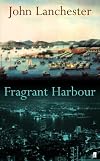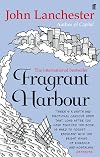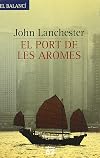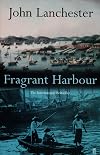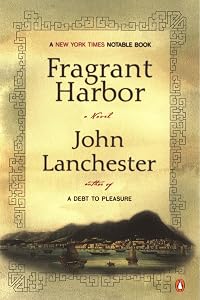
Fragrant Harbour
by John Lanchester
On This Page
Description
Fragrant Harbour is the story of four people whose intertwined lives span Asia's last seventy years. Tom Stewart leaves England just before it is hit by the Great Depression to seek his fortune, and finds it in running Hong Kong's best hotel. Sister Maria is a beautiful and uncompromising Chinese nun whom Stewart meets on the boat out from England; their friendship spans decades and changes both their lives. Dawn Stone is an English journalist who becomes the public face of money and power show more and big business. Matthew Ho is a young Chinese entrepreneur whose life has been shaped by painful choices made long before his birth, and who is now facing his own difficulties, and opportunities in the twenty-first century.The complacency of colonial life in the 1930s; the horrors of the Japanese occupation during the Second World War; the post-war boom and transformation of Hong Kong into a laboratory of capitalism at its most cut-throat; the growth of the Triads; the handover of the city to the Chinese - all are present in Fragrant Harbouran epic novel show lessTags
Recommendations




















Member Reviews
John Lanchester's Fragrant Harbor adopts more complexity and formality in comparison to his two previous novels, the painfully humorous and opinionated The Debt to Pleasure and the satirical Mr. Philips. Readers who are familiar with the history of the former British colony will discern Fragrant Harbor a novel set against the historical backdrop of Hong Kong in the twentieth century (1935-1997).
Tom Stewart, the younger son of an inn owner in England, was born with a visceral desire to travel and China had always caught his imagination. In 1935, at the age of 22, he bought a ticket on the Darjeeling in a six-week voyage to Hong Kong via Marseilles, the Mediteranean, Suez Canal and Bombay. As the ship rounded a wide corner onto the show more Thames, the England shore receded and never did Stewart expect his rash decision to leave the country would alter the course of his life forever.
The arrival to the ship of two Catholic missionaries, Sister Benedicta and Sister Maria, caused an upheaval. When Sister Benedicta and a businessman Marler fell out on each other in a heated debate over the Catholic Church spreading superstition and ignorance, Stewart became a pawn of a wager. The wager stipulated that Sister Maria, a native of Fujian Province, could teach a Stewart wholly ignorant of the Chinese language and raised him to a functional standard in a matter of weeks.
Little did Stewart and Sister Maria know that the wager turned into a cherished friendship and proved its veracity when the two parted to their separate ways. Sister Maria diligently pursued her mission works in Mainland China while Stewart helped Masterson run The Empire Hotel in Hong Kong. Stewart's enduring of the changes of political environments, the Japanese occupation in early 1940s, and Mao's foundation of the People's Republic in 1949 burgeoned in him a close tie to the city.
In spite of Stewart's bittersweet reminiscence of his 60 years of life in the colony, he had painted an authentic picture of Hong Kong, with dashing verisimilitude, through the weathered gale of political shifts, the rampant economic shoot-up, and the augmenting corruption and crime. The magnitude with which he captured the geographical details and the vivid vignettes of Hong Kongers' lives could only be accessible to natives. Stewart expressed his complaisant affection for Hong Kong:
"You get past a certain point in life and you've accumulated a history in a place and so that's where you're from. Most of my memories and all my friends are here." (223)
I am a native of Hong Kong who never had the opportunity to live through the times Stewart had experienced. Growing up during the mid 1970s into the 1980s, when the fate of Hong Kong was put on the global spotlights, China prepared to take over the sovereignty in its glorious return to the embrace of motherland. Stewart had evoked the amazing fact that after the Bruits had reigned over 150 years, the English language (though taught in school and widely spoken) minimally penetrated the city. The Bruits had left behind its inveterate landmarks and traditions but only marginally affected the lives of average Hong Kongers.
The first part of the book, what seems to be some outrageous digression about a British journalist Dawn Stone's arriving at the colony in 1995, is to my minimal interest of the novel. While she did not contribute to the story until the very end, Lanchester has deftly employed her character to testify the near-snobbish lifestyle of modern Hong Kong cliques (the obsession of money, the swanking of wealth and expensive clothes, and the contention for success at the expense of stepping down others).
Tom Stewart reminded me the beguiling everyday, anecdotal life of Hong Kongers. He was taken by surprise by the ways in which he found the city a surprise. The exotic elements were what he expected and aggravated his desire to loosen the shackles of England. Like any foreign newcomers, he felt the need to conform and to fit in was crushing. Correspondences with Sister Maria through numerous letters had helped him adjust to the hustle-bustle. Inculcation of the Chinese language and literature gave him a lift in expanding his hotel business.
If one thing with which Stewart had nailed the place to the root, it would be the language and its speakers. Stewart deemed Cantonese (my native language) as one of the best languages for swearing because it was completely in harmony with the Cantonese characters (the bluntness, directness, money-mindedness, clannishness, worldliness, materialism, and argumentativeness). It truly hit home!
I unreservedly recommend this book to readers who want to explore the history and lives of Hong Kong in the twentieth century. Stewart's description of the city mirrored that to my grandfather. John Lanchester might have inadvertently mistaken Deep Water Bay for Repulse Bay, Magazine Gap Road for Old Peak Road, he truly knows the city where he spends a substantial amount of his life. He has presented his readers an unbiased view of Hong Kong: abound with its outward resplendency and underlying ignominy. After all Fragrant Harbor is a work of fiction, thoroughly and thoughtfully written. show less
Tom Stewart, the younger son of an inn owner in England, was born with a visceral desire to travel and China had always caught his imagination. In 1935, at the age of 22, he bought a ticket on the Darjeeling in a six-week voyage to Hong Kong via Marseilles, the Mediteranean, Suez Canal and Bombay. As the ship rounded a wide corner onto the show more Thames, the England shore receded and never did Stewart expect his rash decision to leave the country would alter the course of his life forever.
The arrival to the ship of two Catholic missionaries, Sister Benedicta and Sister Maria, caused an upheaval. When Sister Benedicta and a businessman Marler fell out on each other in a heated debate over the Catholic Church spreading superstition and ignorance, Stewart became a pawn of a wager. The wager stipulated that Sister Maria, a native of Fujian Province, could teach a Stewart wholly ignorant of the Chinese language and raised him to a functional standard in a matter of weeks.
Little did Stewart and Sister Maria know that the wager turned into a cherished friendship and proved its veracity when the two parted to their separate ways. Sister Maria diligently pursued her mission works in Mainland China while Stewart helped Masterson run The Empire Hotel in Hong Kong. Stewart's enduring of the changes of political environments, the Japanese occupation in early 1940s, and Mao's foundation of the People's Republic in 1949 burgeoned in him a close tie to the city.
In spite of Stewart's bittersweet reminiscence of his 60 years of life in the colony, he had painted an authentic picture of Hong Kong, with dashing verisimilitude, through the weathered gale of political shifts, the rampant economic shoot-up, and the augmenting corruption and crime. The magnitude with which he captured the geographical details and the vivid vignettes of Hong Kongers' lives could only be accessible to natives. Stewart expressed his complaisant affection for Hong Kong:
"You get past a certain point in life and you've accumulated a history in a place and so that's where you're from. Most of my memories and all my friends are here." (223)
I am a native of Hong Kong who never had the opportunity to live through the times Stewart had experienced. Growing up during the mid 1970s into the 1980s, when the fate of Hong Kong was put on the global spotlights, China prepared to take over the sovereignty in its glorious return to the embrace of motherland. Stewart had evoked the amazing fact that after the Bruits had reigned over 150 years, the English language (though taught in school and widely spoken) minimally penetrated the city. The Bruits had left behind its inveterate landmarks and traditions but only marginally affected the lives of average Hong Kongers.
The first part of the book, what seems to be some outrageous digression about a British journalist Dawn Stone's arriving at the colony in 1995, is to my minimal interest of the novel. While she did not contribute to the story until the very end, Lanchester has deftly employed her character to testify the near-snobbish lifestyle of modern Hong Kong cliques (the obsession of money, the swanking of wealth and expensive clothes, and the contention for success at the expense of stepping down others).
Tom Stewart reminded me the beguiling everyday, anecdotal life of Hong Kongers. He was taken by surprise by the ways in which he found the city a surprise. The exotic elements were what he expected and aggravated his desire to loosen the shackles of England. Like any foreign newcomers, he felt the need to conform and to fit in was crushing. Correspondences with Sister Maria through numerous letters had helped him adjust to the hustle-bustle. Inculcation of the Chinese language and literature gave him a lift in expanding his hotel business.
If one thing with which Stewart had nailed the place to the root, it would be the language and its speakers. Stewart deemed Cantonese (my native language) as one of the best languages for swearing because it was completely in harmony with the Cantonese characters (the bluntness, directness, money-mindedness, clannishness, worldliness, materialism, and argumentativeness). It truly hit home!
I unreservedly recommend this book to readers who want to explore the history and lives of Hong Kong in the twentieth century. Stewart's description of the city mirrored that to my grandfather. John Lanchester might have inadvertently mistaken Deep Water Bay for Repulse Bay, Magazine Gap Road for Old Peak Road, he truly knows the city where he spends a substantial amount of his life. He has presented his readers an unbiased view of Hong Kong: abound with its outward resplendency and underlying ignominy. After all Fragrant Harbor is a work of fiction, thoroughly and thoughtfully written. show less
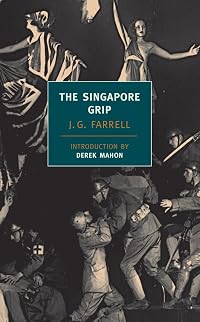
I enjoyed this book hugely - a sort of history of Hong Kong since the 1930s told through the interlinked stories of 4 very different protagonists, full of rich descriptions and colourful characters, who reflect the changing nature of the society there. Lanchester also has a feel for language (not just English, since there is quite a lot on the nature of Cantonese). Parts of it also reminded me of J.G. Farrell's epic "the Singapore Grip", but Lanchester is a more sympathetic and less caustic narrator. Having read all four of John Lanchester's novels in the last few months, this one is probably the best.
Set in Hong Kong in two time periods, the interestingly woven plot follows a British young man, Tom Stewart, who seeks (and finds) his fortune in the 1930s in Hong Kong, lives through the Japanese Occupation and the handover to the Chinese. His story is contrasted with a shorter story of a young newspaper woman, Dawn Stone, in the 1990s who rises to the pinnacle of power in Hong Kong, and touches on another seemingly peripheral story about an acquaintance, Matthew Ho, she meets on her flight over. Stewart’s story comprises the center and most meaty part of the book, including the best writing, and a vivid, detail-filled backdrop of Hong Kong at the end of British influence. The viewpoint, though, is modernistic and humane, with the show more Brit expatriates portrayed as being somewhat closed and blind, a cultural affect that also comes to serve them during internment at Stanley Beach during the war. Stewart’s never-spoken, yet obvious love for a Catholic sister from the Fujian province (known for their clannishness and criminal triads) he meets as young man on his first ship over, brings key elements into the story, and also opens him up beyond the usual expat experience, as she teaches him Cantonese. The complexity and carefully mapped plot might be seen as contrived, but Lanchester’s insight into the human condition, and his interesting, skilled prose overcome that sense. show less
You start a book and are immediately enveloped in the story. And then you finish it and say, "OK, what did I miss?" You go back to particular sections and try again. Nope. Is it me or the author being so obtuse? This is one of quite a few novels I've read about Hong Kong natives and expats suffering so much during the beginning of WWII and the aftermath of the defeat of the Kuomintang, and the lead character, a young Brit trying to make his fortune, is quite engaging, as are most of the secondary people he meets. But there's an unclear surprise that both makes the tale too long and which I still am not sure I figured out correctly. Damn.
I did not think this book was as captivating as either A Debt to Pleasure (one of my faves) or Mr. Phillips, and it was certainly different in both scope and setting, but something about it haunted me. It is a sweeping account of Hong Kong from the 1930s until today, told from the points of view of 4 characters who lived there and whose lives were intertwined almost by fate. What I found most fascinating were the snapshots of expatriate colonial life in such an exotic place, poised between the capitalist West and Communist East. Definitely different.
This is a very talented man. Or a good biographist. His characters felt very, very real, and I could not detect the fiction in his tales, which made them so brilliant. The setting is fantastic, and he handles both periods and locations excellently. A very, very good book about the people that populate Hong Kong.
John Lanchester is one of my favorite writers and this book is beautifully written in parts. It is also ambitious in structure: the greater part follows the career of Tom, an expat hotelier in Hong Kong from the 30s through the war and into the 1960s. This is framed by some present day action, mostly concerning the business interests of Tom's grandson. The long center section is interesting and Tom is a convincing character. I cannot say the same for the framing sections at the beginning and end of the novel, which were much less interesting and even opaque to me.
Lanchester's more recent novel, Capital, is much better and I would recommend highly. Lanchester writes on economics and I love his lucid and involving nonfiction pieces many show more of which appear in LRB. To the extent I understand credit default swaps, I owe entirely to his great book called IOU: Why Everyone Owes Everyone and No One Can Pay. show less
Lanchester's more recent novel, Capital, is much better and I would recommend highly. Lanchester writes on economics and I love his lucid and involving nonfiction pieces many show more of which appear in LRB. To the extent I understand credit default swaps, I owe entirely to his great book called IOU: Why Everyone Owes Everyone and No One Can Pay. show less
Members
- Recently Added By
Lists

Books Set on Islands
190 works; 24 members

Books Read in 2017
4,249 works; 130 members

Llibres que he llegit el 2022
32 works; 1 member

Books Read in 2003
261 works; 7 members

Global Reads: Books Set in East Asia
139 works; 12 members

Asia
178 works; 7 members
Author Information

13+ Works 6,485 Members
John Lanchester was the deputy editor of the London Review of Books and the restaurant critic for the London Observer. He is the author of a second novel, Mr. Phillips, and his work has appeared in The New Yorker. He lives in London. (Publisher Provided)
Awards and Honors
Awards
Common Knowledge
- Original publication date
- 2002
- People/Characters
- Tom Stewart; Sister Maria; Dawn Stone; Matthew Ho
- Important places
- Hong Kong
- Dedication
- In memory of my mother
- First words
- Longevity can be a form of spite.
- Last words
- (Click to show. Warning: May contain spoilers.)I did it because I am a refugee.
Classifications
Statistics
- Members
- 679
- Popularity
- 42,340
- Reviews
- 25
- Rating
- (3.71)
- Languages
- 8 — Catalan, Dutch, English, French, German, Italian, Portuguese, Spanish
- Media
- Paper, Audiobook, Ebook
- ISBNs
- 24
- ASINs
- 5