On This Page
Description
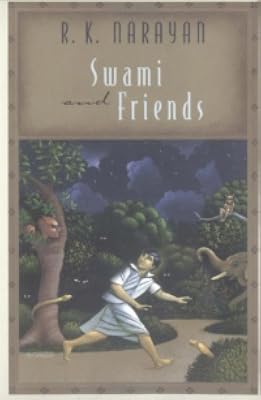
Ten-year-old Swaminathan is living in exciting times. The sleeping giant of India is beginning to stir to the dwelling reverberations which herald the great struggle for independence. But it's all rather confusing for the boy. For like his family and friends, Swami has been immutably moulded by his British rulers - and though he might happily demonstrate against them, he wouldn't dream of missing cricket practice.Tags
Recommendations











Member Reviews
There is such a gentle spirit to R.K. Narayan’s Swami and Friends, which sentimentally looks back at the years of childhood in a way that reminded me of Jean Shepherd’s In God We Trust: All Others Pay Cash, the basis for the film A Christmas Story. The hero of the story, young Swaminathan Srinivasan, copes with strict school teachers, his father, and friends who come and go, dreaming of becoming the next Maurice Tate and cricket stardom.
As with other books I’ve read from Narayan, it focuses more on the foibles of human nature as opposed to politics, though through a demonstration he does prefetch India’s move towards independence (“England is no bigger than our Madras Presidency and is inhabited by a handful of white rogues show more and is thousands of miles away. Yet we bow in homage before the Englishman! Why are we become, through no fault of our own, docile and timid?”). As the book was written in 1935, I loved these little bits.
Narayan’s writing is simple and direct, but he pokes at emotions in subtle ways in telling what is also a universal story. It’s not a masterpiece but it feels wholesome and enjoyable. I’m also sucker for endings which have a parting at a railway station, so that worked for me too. show less
As with other books I’ve read from Narayan, it focuses more on the foibles of human nature as opposed to politics, though through a demonstration he does prefetch India’s move towards independence (“England is no bigger than our Madras Presidency and is inhabited by a handful of white rogues show more and is thousands of miles away. Yet we bow in homage before the Englishman! Why are we become, through no fault of our own, docile and timid?”). As the book was written in 1935, I loved these little bits.
Narayan’s writing is simple and direct, but he pokes at emotions in subtle ways in telling what is also a universal story. It’s not a masterpiece but it feels wholesome and enjoyable. I’m also sucker for endings which have a parting at a railway station, so that worked for me too. show less
Malgudi Schooldays was actually published as `Swami & Friends' when R. K. Narayan first wrote the stories of his child character Swaminathan & his adventures. We all love to read most of the time if not, books about our own lives & about people just like us. That's why many school stories & novels are popular. R.K. Narayan, the creator of the character Swami was well aware of this fact & so penned the adventures of a boy in Malgudi.
There is however, a stark difference between the school boy Swami & other foreign & well-loved schoolboy characters. Swami is fully Indian & his story is set before India had won her Independence. However, certain childhood fears & preoccupations we notice are common in both the early 20th century Swami & show more even todays 21st century kids. E.g., the fear of examinations & rival boys etc. I doubt that the pre-Independence Swami however will ever go out of fashion. This is a character who lives on despite changes in technology...because this character is real & very genuine. All the characters in this book are completely real although technically speaking they are `made up'.
But lets get to the bottom of R.K. Narayan's `Malgudi Schooldays'.
Most of us who love reading already know that the south Indian town mentioned in this book is fictional & does not really exist just the way Narnia does not as well as Camelot. This town where Swami & his friends stay was created by Narayan for the purpose of literature & adventure.
It is here where we are introduced to a boy called Swami (Swaminathan) who is mischievous & has a mind of his own. He like most of the school going children today does his homework at the last minute & incurs the wrath of his teachers as well as his principal (principals) which gets him into a lot of trouble at the home front as well. Like all school going children, he belongs to a group of friends who he associates himself with just the way you associate yourself with the group of friends that you belong to. His two greatest associates are Mani & Rajam the latter who is from an affluent household. Mani on the other hand represents the ruffian of the group who has more brawn than brain but towards the end of the book, becomes diplomatic & quite wise in a way (he makes Swami think that Rajam will write to him to make Swami feel better). Rajam the police superintendent's son on the other hand, enters the plot as a very proud & headstrong character but who never lets his wealth go to his head where his friends are concerned. He is partly generous (he gave Swami a green toy engine from his cupboard) & also is a person to mend broken friendships (it was in his house that all the friends of Swami puts aside their issues & befriend each other once again).
In Swami's family we meet many formidable characters who are immortal not only because of R.K. Narayan but also because, we see such people in our own homes or families. The family of Swami consists of his over indulgent mother (who nags the husband), a strict father & a very forgetful & meek grandmother who gives into whatever Swami says blindly. Swami father runs the show in the family & is often the cause for Swami getting into a lot of trouble.
It is well enough to note that R. K. Narayan himself had a father who was equally strict with the members of his household & an indulgent mother.
The grandmother however, captured my interest the most. The reason for me being interested in the activities of the old grandmother is because of the way she is so important to the main character Swami without him realizing it (well, until his father makes him sleep alone in his office away from the grandmother). He sleeps with the grandmother, the grandmother tells him stories about the great warriors of India & she is the one who gives Swami a listening ear in the whole household. Note that R. K. Narayan also in the first formative years of his life was brought up by his grandmother (mother's mother) who had a great influence in his life. Swami's mother throughout the story keeps herself quite distant from the boy (but cries for him when he gets lost) while Swami's father has a military disposition in the bringing up of his son & never interferes with him. Till the end of the story we see that Swami holds a lot of ill feeling towards his father & his father's behaviour is not at all what one would call, compassionate. There is yet again a similarity between Narayan's own father & the father of Swami.
There is always a bit of a funny bone in Narayan which also shows itself in this work especially during the legendary Satyagraha against the Albert Mission School where Swami takes a substantial part in & breaks the glass of the principals ventilator. He is also told to throw his cap into a bonfire which is first thought to be of foreign make but which in the end turns out to be quite Indian. The whole purpose of Gandhi's Satyagraha is warped here in the story where violence takes place among the protestors & no one knows the difference between Khadi & foreign cloth.
Although we get morals like bravery, friendship, loyalty etc. from the narrative, it's the narrative itself that gives the reader pleasure beyond comparison. It acts like a mirror for youngsters to see their reflection & also gives us a glimpse of the corruption in the education system. Religious fanaticism is brought out through the unstable personage of the teacher Ebenezer but Narayan takes on this topic in his usual elementary manner without really hurting religious sentiment but showing us that religious fanaticism comes not from wisdom but, ignorance.
On the whole, I appreciated this work especially the additions of two stories from the actual `Malgudi Days' which are masterpieces in their own right. Swami is a character who can evoke in us the uncertainties of childhood & its highs & lows.
All in all, a really good read for the weekend.
Fiza Pathan show less
There is however, a stark difference between the school boy Swami & other foreign & well-loved schoolboy characters. Swami is fully Indian & his story is set before India had won her Independence. However, certain childhood fears & preoccupations we notice are common in both the early 20th century Swami & show more even todays 21st century kids. E.g., the fear of examinations & rival boys etc. I doubt that the pre-Independence Swami however will ever go out of fashion. This is a character who lives on despite changes in technology...because this character is real & very genuine. All the characters in this book are completely real although technically speaking they are `made up'.
But lets get to the bottom of R.K. Narayan's `Malgudi Schooldays'.
Most of us who love reading already know that the south Indian town mentioned in this book is fictional & does not really exist just the way Narnia does not as well as Camelot. This town where Swami & his friends stay was created by Narayan for the purpose of literature & adventure.
It is here where we are introduced to a boy called Swami (Swaminathan) who is mischievous & has a mind of his own. He like most of the school going children today does his homework at the last minute & incurs the wrath of his teachers as well as his principal (principals) which gets him into a lot of trouble at the home front as well. Like all school going children, he belongs to a group of friends who he associates himself with just the way you associate yourself with the group of friends that you belong to. His two greatest associates are Mani & Rajam the latter who is from an affluent household. Mani on the other hand represents the ruffian of the group who has more brawn than brain but towards the end of the book, becomes diplomatic & quite wise in a way (he makes Swami think that Rajam will write to him to make Swami feel better). Rajam the police superintendent's son on the other hand, enters the plot as a very proud & headstrong character but who never lets his wealth go to his head where his friends are concerned. He is partly generous (he gave Swami a green toy engine from his cupboard) & also is a person to mend broken friendships (it was in his house that all the friends of Swami puts aside their issues & befriend each other once again).
In Swami's family we meet many formidable characters who are immortal not only because of R.K. Narayan but also because, we see such people in our own homes or families. The family of Swami consists of his over indulgent mother (who nags the husband), a strict father & a very forgetful & meek grandmother who gives into whatever Swami says blindly. Swami father runs the show in the family & is often the cause for Swami getting into a lot of trouble.
It is well enough to note that R. K. Narayan himself had a father who was equally strict with the members of his household & an indulgent mother.
The grandmother however, captured my interest the most. The reason for me being interested in the activities of the old grandmother is because of the way she is so important to the main character Swami without him realizing it (well, until his father makes him sleep alone in his office away from the grandmother). He sleeps with the grandmother, the grandmother tells him stories about the great warriors of India & she is the one who gives Swami a listening ear in the whole household. Note that R. K. Narayan also in the first formative years of his life was brought up by his grandmother (mother's mother) who had a great influence in his life. Swami's mother throughout the story keeps herself quite distant from the boy (but cries for him when he gets lost) while Swami's father has a military disposition in the bringing up of his son & never interferes with him. Till the end of the story we see that Swami holds a lot of ill feeling towards his father & his father's behaviour is not at all what one would call, compassionate. There is yet again a similarity between Narayan's own father & the father of Swami.
There is always a bit of a funny bone in Narayan which also shows itself in this work especially during the legendary Satyagraha against the Albert Mission School where Swami takes a substantial part in & breaks the glass of the principals ventilator. He is also told to throw his cap into a bonfire which is first thought to be of foreign make but which in the end turns out to be quite Indian. The whole purpose of Gandhi's Satyagraha is warped here in the story where violence takes place among the protestors & no one knows the difference between Khadi & foreign cloth.
Although we get morals like bravery, friendship, loyalty etc. from the narrative, it's the narrative itself that gives the reader pleasure beyond comparison. It acts like a mirror for youngsters to see their reflection & also gives us a glimpse of the corruption in the education system. Religious fanaticism is brought out through the unstable personage of the teacher Ebenezer but Narayan takes on this topic in his usual elementary manner without really hurting religious sentiment but showing us that religious fanaticism comes not from wisdom but, ignorance.
On the whole, I appreciated this work especially the additions of two stories from the actual `Malgudi Days' which are masterpieces in their own right. Swami is a character who can evoke in us the uncertainties of childhood & its highs & lows.
All in all, a really good read for the weekend.
Fiza Pathan show less
Thoroughly enjoyed the book which took me back to my childhood. The humor and realness of the characters and the setting appealed to me.
A well narrated tale of fears and antics of childhood in a small South-Indian village.
This book is about Swaminathan and his friends adventure story of 3 main characters Swami, Mani and Rajam and there are stories that revolve around them, they had there fair share of fun ,they stand by each other, they did certain things that friendship stand for , they have fair share of tantrum before becoming friends, They have innocence in them , that are got manipulated , have typically Indian parents who want to control life of children and interfere in there affairs, Stories of they got thugged by Coachmen for his drinking habit and same done by his son, they learnt lesson hard way, got rusticated from school for involvement with there behaviour and indiscipline , but they have common love for Cricket and that became the reason show more for there broken friendship , Swami was placed in another school and his nature and anger issues harm him as he attacked his PT teacher for punishing him, and Ran away when returned, M.C.C lost there match and Rajam stopped talking to him because him they lost, but in the end Swami felt guilty and want to meet Rajam before he left Malgudi, and the last moment of novel is really good. show less
A beutifully story ..It takes you to your school days.
Story is journey of school boy's life with emotional high's & low's with friendship's, and little care but impacted by Nationalist movement of that times.
more @ http://toogood2read.blogspot.com/2007/07/swami-and-friends-by-rknarayan.html
more @ http://toogood2read.blogspot.com/2007/07/swami-and-friends-by-rknarayan.html
Members
- Recently Added By
Lists

BBC's 100 Novels That Shaped Our World
100 works; 22 members

Fiction with Men's Given Names in the Title
302 works; 11 members

Our Favorite Comfort Reads
334 works; 200 members

Widely acclaimed, one book per year
105 works; 3 members
Author Information

100+ Works 10,380 Members
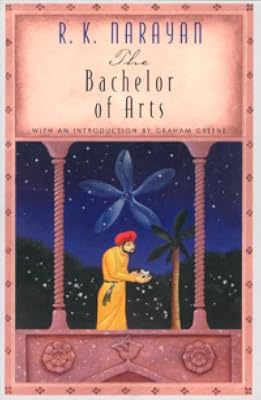
R. K. Narayan was born Rasipuram Krishnaswami Narayanaswami in Madras, India on October 10, 1906. He graduated from Maharaja College of Mysore with a B.A. degree in 1930. He attempted to teach for a bit but then switched to writing full time. His first book, Swami and Friends, was published in Britain in 1935. During his lifetime, he wrote more show more than 30 novels and hundreds of short stories. His other novels included The Bachelor of Arts, The Dark Room, The English Teacher, The Guide, The Financial Expert, The Man Eater of Malgudi, The Vendor of Sweets, and The World of Nagaraj. He was one of the first Indians to write in English and gain international recognition. He received numerous awards including the Padma Bhushan, India's highest prize. He died on May 13, 2001 at the age of 94. (Bowker Author Biography) show less
Awards and Honors
Notable Lists
Series

Work Relationships
Is contained in
Common Knowledge
- Original publication date
- 1935
Classifications
Statistics
- Members
- 542
- Popularity
- 54,731
- Reviews
- 8
- Rating
- (4.14)
- Languages
- 6 — Arabic, Catalan, English, French, Hindi, Italian
- Media
- Paper, Ebook
- ISBNs
- 20
- ASINs
- 5