On This Page
Description
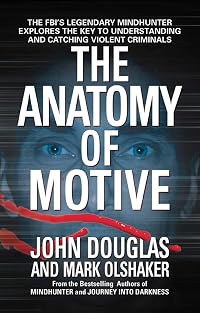
In this eagerly anticipated audio book from the internationally bestselling authors of Mindhunter, Journey into Darkness, and Obsession, legendary crime fighter John Douglas explores the root of all crime-motive. Every crime is a mystery story with a motive at its heart. Understand the motive and you can solve the mystery. The Anatomy of Motive offers a dramatic, insightful look at the development and evolution of the criminal mind. The famed former chief of the FBI's Investigative Support show more Unit, Douglas was the pioneer of modern behavioral profiling of serial criminals. Working again with acclaimed novelist, journalist, and filmmaker Mark Olshaker, and using cases from his own fabled career as examples, Douglas takes us further than ever before into the dark corners of the minds of arsonists, hijackers, bombers, poisoners, serial and spree killers, and mass murderers. show lessTags
Recommendations

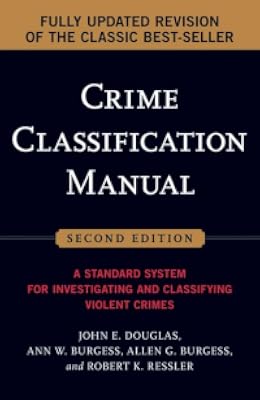
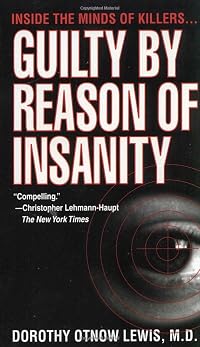

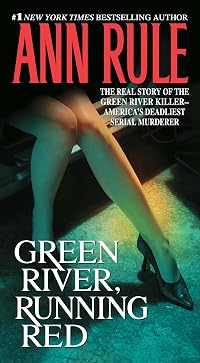
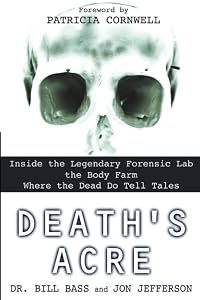
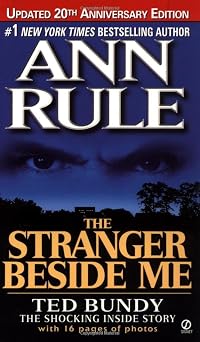
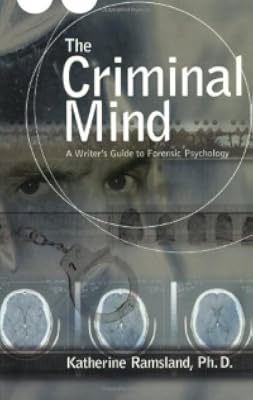
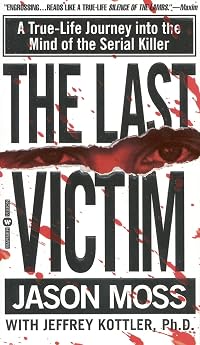
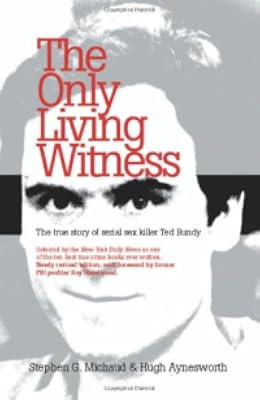



Member Reviews
From the first few pages, I was hooked. This stuff is just so fascinating to me. When you read this book, you are getting several decades worth of experience from one of the top FBI agents in the world of criminal profiling.
After reading this book, I must say that I will see something on the news and think about what was said in this book. The author does a good job of laying out what type of people are most likely to engage in things like rape, murder, arson, bomb making, etc. Through years and years of interviews with everyone from average convicts to famous serial killers, the author has found certain similarities in the types of people who commit some of these awful crimes. He freely admits that he can't be 100% accurate on every show more case, but most of the people who commit certain acts can be labeled and categorized based on what occurred in the commission of the crime with relative accuracy. The incident in Scotland when the book begins is a good example of this.
One example of something I picked up from the book that is worth noting:
Arson - When a place of residence goes up in flames and nobody is hurt, the first thing to look for are personal items that cannot be replaced, such as photographs. If those were removed before the fire, look to the home owners for a possible insurance motive.
There are plenty of other things that I picked up as well. Mainly, that there are certain commonalities among the people who commit crimes like arson, mass murder, bomb making, etc. Most people would probably agree that all types of crimes have similarities, but how many of us know what those are? How many people know what the difference between a person with 2 stab wounds and 20 stab wounds is? What about the difference between a body that is posed or covered up versus one that isn't? These questions and more are tackled by the author with great detail.
If I could say one thing in regards to this book it is that the author is not speaking from the point of view of a years worth of library research. He didn't read a bunch of case files and try and extrapolate the psycho-babble from the case notes. He actually talked to a lot of very bad people face to face. He played on their egos and personalities to get them to open up to him in ways that they normally wouldn't with him being an FBI agent. This book is the result of years and years worth of face to face conversations with some of the worst human beings to ever walk the planet. I don't know that anyone else could have written this book and managed to make it as believable as John Douglas.
If you are a fan of criminal psychology, read this book. Forget the who, what, and how. There's a bunch of "true crime" books out there that cover those issues. This book attempts to answer the "why". show less
After reading this book, I must say that I will see something on the news and think about what was said in this book. The author does a good job of laying out what type of people are most likely to engage in things like rape, murder, arson, bomb making, etc. Through years and years of interviews with everyone from average convicts to famous serial killers, the author has found certain similarities in the types of people who commit some of these awful crimes. He freely admits that he can't be 100% accurate on every show more case, but most of the people who commit certain acts can be labeled and categorized based on what occurred in the commission of the crime with relative accuracy. The incident in Scotland when the book begins is a good example of this.
One example of something I picked up from the book that is worth noting:
Arson - When a place of residence goes up in flames and nobody is hurt, the first thing to look for are personal items that cannot be replaced, such as photographs. If those were removed before the fire, look to the home owners for a possible insurance motive.
There are plenty of other things that I picked up as well. Mainly, that there are certain commonalities among the people who commit crimes like arson, mass murder, bomb making, etc. Most people would probably agree that all types of crimes have similarities, but how many of us know what those are? How many people know what the difference between a person with 2 stab wounds and 20 stab wounds is? What about the difference between a body that is posed or covered up versus one that isn't? These questions and more are tackled by the author with great detail.
If I could say one thing in regards to this book it is that the author is not speaking from the point of view of a years worth of library research. He didn't read a bunch of case files and try and extrapolate the psycho-babble from the case notes. He actually talked to a lot of very bad people face to face. He played on their egos and personalities to get them to open up to him in ways that they normally wouldn't with him being an FBI agent. This book is the result of years and years worth of face to face conversations with some of the worst human beings to ever walk the planet. I don't know that anyone else could have written this book and managed to make it as believable as John Douglas.
If you are a fan of criminal psychology, read this book. Forget the who, what, and how. There's a bunch of "true crime" books out there that cover those issues. This book attempts to answer the "why". show less
This is a riveting foray into the mind of one of the FBI's finest agents, John Douglas. Douglas, the man who the shows "Criminal Minds" and "Manhunter" were based on, refined the art of "profiling" which is at least partly responsible for the apprehension of a number of America's most dangerous criminals.
In this book, Douglas shares a little of the history of profiling before taking the reader directly into his world as he elaborates on the forensic steps involved in tracking down and/or explaining why men like Charles Whitman, Timothy McVeigh, Ted Kaczynski, and a few dozen other lesser-known criminals performed the heinous crimes that they did.
Douglas even gives his readers a few fictitious cases at the end of the book for them to show more test their knowledge of profiling technics. show less
In this book, Douglas shares a little of the history of profiling before taking the reader directly into his world as he elaborates on the forensic steps involved in tracking down and/or explaining why men like Charles Whitman, Timothy McVeigh, Ted Kaczynski, and a few dozen other lesser-known criminals performed the heinous crimes that they did.
Douglas even gives his readers a few fictitious cases at the end of the book for them to show more test their knowledge of profiling technics. show less
This book contained so many fascinating cases, this time arranged by method in order to explain why it correlates with motive and criminal profile. I knew a couple of the cases quite well before I picked up this book (Timothy McVeigh, Andrew Cunanan) and found quite a few minor details that were incorrect. However, I’m willing to give Douglas and Olshaker leeway since this was published in 1999. The authoritative book on Timothy McVeigh came out in 2001, and much of the material I have read about Cunanan is as recent as last year.
What confused me were the cases he asks the reader to “solve” at the end of the book. He provides the culprit and motive at the end of each so I’m not quite sure what the exercise is supposed to be.
What confused me were the cases he asks the reader to “solve” at the end of the book. He provides the culprit and motive at the end of each so I’m not quite sure what the exercise is supposed to be.
Douglas delves into the psychology of violent criminals to explore the motivations behind crimes like serial murder, arson, and mass shootings, which I never thought of as different crimes with different "why" reasons.
Douglas uses real-life cases and explains how his theories evolved over his years in the FBI. He ends the book with 4 cases for the reader to solve.
I remember a few of the cases that Douglas presents, such as the Oklahoma City Bomber.
Douglas uses real-life cases and explains how his theories evolved over his years in the FBI. He ends the book with 4 cases for the reader to solve.
I remember a few of the cases that Douglas presents, such as the Oklahoma City Bomber.
This book was recommended to me by someone who's family is in law enforcement, after she found out how much I love reading books about serial murderers and profiling. She indicated that this one was not the best from this author, since his first, Mindhunter: Inside the FBI's Elite Serial Crime Unit, was well received. Unfortunately, Mindhunter was not available on Kindle, so I bought this one to read on Kindle while waiting for Mindhunter DTB to arrive.
The beginning of the book was quite interesting, since it gave me some background about the author's education and past experience. He was the first to implement profiling into the US FBI unit. He examined crime scenes and created profiles of the criminals. He studied their work and kill show more patterns and habitats; predicted their next moves..then built strategies to capture and prosecute them.
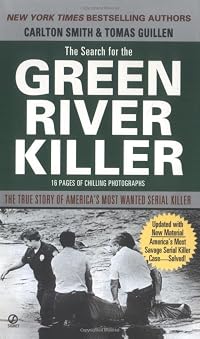
Several real and high profile criminal cases were used and explained in detailed in the book, including the Unabomber, the Tylenol Murders and the Green River Killer. They were fascinating to read in the beginning, with one case per chapter. I also learned about some very similar childhood and growing up experiences of those criminals.
However, by the middle of the books, I got tired of the same way the the author kept mentioning about his knowledge, his work and his team, quite repetitive and superficial...I also find the analyses of the motives, the psychological mind and the crimes not deep enough for my background. However, this is a great introductory book for newbies who want to learn about profiling and murdering motives. show less
The beginning of the book was quite interesting, since it gave me some background about the author's education and past experience. He was the first to implement profiling into the US FBI unit. He examined crime scenes and created profiles of the criminals. He studied their work and kill show more patterns and habitats; predicted their next moves..then built strategies to capture and prosecute them.
Several real and high profile criminal cases were used and explained in detailed in the book, including the Unabomber, the Tylenol Murders and the Green River Killer. They were fascinating to read in the beginning, with one case per chapter. I also learned about some very similar childhood and growing up experiences of those criminals.
However, by the middle of the books, I got tired of the same way the the author kept mentioning about his knowledge, his work and his team, quite repetitive and superficial...I also find the analyses of the motives, the psychological mind and the crimes not deep enough for my background. However, this is a great introductory book for newbies who want to learn about profiling and murdering motives. show less
The subject of this book is fascinating, but the book is marred by poor writing quality. It's worth reading if you're interested in the topic, but there are better choices out there for an introduction to the topic or for the reader who prefers not to be distracted by bad writing.
The best dissection of motive of sexual predators and killers to date. Douglas is the foremost authority on murder/rape.
Members
- Recently Added By
Author Information
12 Works 7,415 Members

32+ Works 8,514 Members
Novelist and journalist Mark Olshaker was born in Washington, D.C., on February 28, 1951. He graduated from George Washington University in 1972. Olshaker was a special correspondent for the St. Louis Dispatch in the 1970s. Although best known for his collaborations with former FBI profiler and world-renowned criminal psychologist John Douglas show more (beginning with Mindhunter), he also written Virus Hunter: Thirty Years of Battling Hot Viruses Around the World, and The Edge. As a filmmaker, he was the writer and director of Discovering Hamlet (1990), a behind-the-scenes documentary of Kenneth Branagh's first theatrical encounter with the character he would eventually bring to the big screen. (Bowker Author Biography) show less
Some Editions
Series

Work Relationships
Is contained in
Is replied to in
Common Knowledge
- Original publication date
- 1999
- First words
- Why did he do it?
- Last words
- (Click to show. Warning: May contain spoilers.)That's what the anatomy of motive is all about.
- Blurbers
- Cornwall, Patricia; Reichs, Kathy; Patterson, James; Samenow, Stanton
Classifications
- Genres
- General Nonfiction, Nonfiction, Politics and Government
- DDC/MDS
- 364.150973 — Society, government, & culture Social problems and social services Crime Criminal offenses Offenses against the person
- LCC
- HV7911 .D68 .A33 — Social sciences Social pathology. Social and public welfare. Criminology Social pathology. Social and public welfare. Criminal justice administration Police. Detectves. Constabulary
- BISAC
Statistics
- Members
- 856
- Popularity
- 31,793
- Reviews
- 8
- Rating
- (3.94)
- Languages
- English, German
- Media
- Paper, Audiobook, Ebook
- ISBNs
- 15
- ASINs
- 10