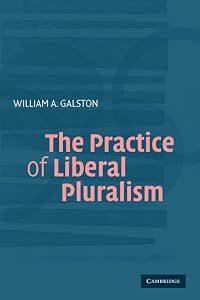
The Practice of Liberal Pluralism
by William A. Galston
On This Page
Description
The Practice of Liberal Pluralism defends a theory, liberal pluralism, which is based on three core concepts - value pluralism, political pluralism, and expressive liberty - and explores the implications of this theory for politics. Liberal pluralism helps clarify some of the complexities of real-world political action and points toward a distinctive conception of public philosophy and public policy. It leads to a vision of a good society in which political institutions are active in a show more delimited sphere and in which, within broad limits, families, civil associations, and faith communities may organize and conduct themselves in ways that are not congruent with principles that govern the public sphere. The final section of the book defends liberal pluralism against attacks that it is internally incoherent or that it denies, without justification, key theological premises. Written in a nontechnical style, this book should appeal to professionals in philosophy, political science, law, and policy making. show lessTags
Members
- Recently Added By
Author Information
16+ Works 267 Members
William A. Galston is a former policy advisor to President Bill Clinton and currently holds the Ezra K. Zilkha Chair in the Governance Studies Program at the Brookings Institution, where he serves as a senior fellow.
Classifications
- Genres
- Politics and Government, Nonfiction, Philosophy
- DDC/MDS
- 320.51 — Society, government, & culture Political science Types of Government Political ideologies Liberalism
- LCC
- JC574 .G372 — Political Science Political theory Political theory. The state. Theories of the state Purpose, functions, and relations of the state
- BISAC
Statistics
- Members
- 14
- Popularity
- 1,513,903
- Languages
- English
- Media
- Paper, Ebook
- ISBNs
- 5