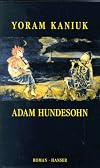
Adam Resurrected: A Novel
by Yoram Kaniuk
On This Page
Description
A former circus clown who was spared the gas chamber so that he might entertain thousands of other Jews as they marched to their deaths, Adam is now the ringleader at an asylum for Holocaust survivors, struggling to make sense of a world in which the line between sanity and madness has been blurred.Tags
Recommendations






















Member Reviews
For this, picture the most barren labyrinth imaginable, full of mirrors, dead ends, doors to other doors to other doors, endless staircases, and no exits or entrances. There are no people but there are whispers of voices, small catches in the stretches of hallways and in a random corner here and there, but the only solid walking entity is you, so you assure yourself.
The glass of the mirrors cracks and shatters, the wood of the doors splinters and breaks apart, as well as the metal rusting and breaking down, and finally, the entire structure, whatever it could be classed, house of mirrors, asylum, abandoned this or that,collapses in flames, and it keeps happening, time and again, built up and gone, the instinct screaming at you to be show more terrified, that what's happening isn't right, is being muffled, drowned and silenced by your growing complacency, and the only slightly disconcerting idea that maybe you belong here.
The five star rating I've given this book isn't, is definitely NOT, a mark of this work's perfection. Firstly, to me, the pursuit of perfection in anything, let alone in art, and especially in literature, is a waste of time, talent, and the reader's time if they're wading through such a work. Okay, that aside, this book is a definite masterwork because of it's splintered and schizophrenic style, and is similarly undercut by that style making it an arduous journey that wrings you completely and leaves you destroyed, not beautifully, but awakened just a bit.
I can see why the blurb on the back of the book compared it to Heller's Catch 22, the two books definitely share the non linearity and lack of cohesion, but whereas Heller could balance the slight levity to great effect in the great horror and darkness of world war, Kaniuk here opts for a different route and casts his characters in total darkness...with the backdrop being the south of Israel in the Negev Desert with a blazingly bright sun that almost leaves no capacity or room for shadows. Nice irony there.
As far as brass tacks all I can say is that Kaniuk is a master storyteller. His use of the nonsensically poetic, and some of the passages in that style, are maddening and beautiful, hearkening back to high modernism and even the best of Woolf and Joyce. Along with that, holding its hand, is the humanity on display. All of the characters though not all explored equally or given enough time in the text, are so passionately constructed in their mental, emotional, and psychological frailties that to call them heartbreaking would be, putting it almost criminally lightly, a disservice.
So, this is a hell of a book, something that stands head and shoulders with the very darkest, and very best, explorations of humanity's dark side along with the potential, no matter how small or even barely visible, potential to reach and connect with another human being, during, after, or before a horrific atrocity, and possibly make ourselves well again, or 'better' whatever the hell that term might mean. Never before have I seen the permanently shattering effect of the holocaust explored so jaggedly, or in such a darkly wonderful way, and I honestly doubt that I ever will again.
Read this book but with a warning: it won't be beach reading, and the answers to the questions given are anything but simple, or even rational and logical, but if you feel like you're ready to begin to understand catastrophe and human suffering, and maybe you want to broaden your empathetic and sympathetic horizons, then you must let this book take you where it may. show less
The glass of the mirrors cracks and shatters, the wood of the doors splinters and breaks apart, as well as the metal rusting and breaking down, and finally, the entire structure, whatever it could be classed, house of mirrors, asylum, abandoned this or that,collapses in flames, and it keeps happening, time and again, built up and gone, the instinct screaming at you to be show more terrified, that what's happening isn't right, is being muffled, drowned and silenced by your growing complacency, and the only slightly disconcerting idea that maybe you belong here.
The five star rating I've given this book isn't, is definitely NOT, a mark of this work's perfection. Firstly, to me, the pursuit of perfection in anything, let alone in art, and especially in literature, is a waste of time, talent, and the reader's time if they're wading through such a work. Okay, that aside, this book is a definite masterwork because of it's splintered and schizophrenic style, and is similarly undercut by that style making it an arduous journey that wrings you completely and leaves you destroyed, not beautifully, but awakened just a bit.
I can see why the blurb on the back of the book compared it to Heller's Catch 22, the two books definitely share the non linearity and lack of cohesion, but whereas Heller could balance the slight levity to great effect in the great horror and darkness of world war, Kaniuk here opts for a different route and casts his characters in total darkness...with the backdrop being the south of Israel in the Negev Desert with a blazingly bright sun that almost leaves no capacity or room for shadows. Nice irony there.
As far as brass tacks all I can say is that Kaniuk is a master storyteller. His use of the nonsensically poetic, and some of the passages in that style, are maddening and beautiful, hearkening back to high modernism and even the best of Woolf and Joyce. Along with that, holding its hand, is the humanity on display. All of the characters though not all explored equally or given enough time in the text, are so passionately constructed in their mental, emotional, and psychological frailties that to call them heartbreaking would be, putting it almost criminally lightly, a disservice.
So, this is a hell of a book, something that stands head and shoulders with the very darkest, and very best, explorations of humanity's dark side along with the potential, no matter how small or even barely visible, potential to reach and connect with another human being, during, after, or before a horrific atrocity, and possibly make ourselves well again, or 'better' whatever the hell that term might mean. Never before have I seen the permanently shattering effect of the holocaust explored so jaggedly, or in such a darkly wonderful way, and I honestly doubt that I ever will again.
Read this book but with a warning: it won't be beach reading, and the answers to the questions given are anything but simple, or even rational and logical, but if you feel like you're ready to begin to understand catastrophe and human suffering, and maybe you want to broaden your empathetic and sympathetic horizons, then you must let this book take you where it may. show less
I'm sorry - and I really tried - but I just couldn't finish this book. It took me ages to get to even the half-way point. I would put it down and come back to it ages later... It's not that it's written badly or the story is dull or the characters unbelievable. On the contrary - the characters are fine, the plot held my interest - mostly, and the skill is evident in the author's writing. But this book just didn't really grab me. I enjoyed parts of it, but others would just feel like a chore as I turned the pages.
I look forward to the film adaptation with Jeff Goldblum and Willem Defoe ( I can't imagine them BOTH picking a duff script!) - which I hear is getting soom good early reviews. It just may be that this story will appeal to me show more more on the big screen? Perhaps I will go back to this book one day.... Don't like to admit I picked a dud but this is near the bottom of my books of the year list... show less
I look forward to the film adaptation with Jeff Goldblum and Willem Defoe ( I can't imagine them BOTH picking a duff script!) - which I hear is getting soom good early reviews. It just may be that this story will appeal to me show more more on the big screen? Perhaps I will go back to this book one day.... Don't like to admit I picked a dud but this is near the bottom of my books of the year list... show less
This is what happens when the power of survival and depravity are juxtaposed to the depth of humanities cruelty toward humanity.
This one caused some weird dreams!
This one caused some weird dreams!
E’ un romanzo saturo di disumanità, di arroganza e di contraddizioni. Che sono certamente tre elementi con cui si potrebbe oggi definire Israele: la disumanità dell’Olocausto subito dagli ebrei ad opera del nazismo con le atrocità dei campi di sterminio; l’arroganza di dare vita ad una nazione sulla terra occupata da altri come riscatto morale per gli innegabili torti subiti, ma soprattutto per una sorta di rogito divino firmato dall’Onnipotente (tanto che ogni flebile critica è immediatamente tacciata come una persecuzione antisionista); la contraddizione di fare agli altri quello che è stato fatto a te, che è poi il motivo per il quale Israele ha gettato le sua fondamenta in Palestina, in barba ad ogni rispettoso piano show more regolatore di reciproco rispetto di convivenza.
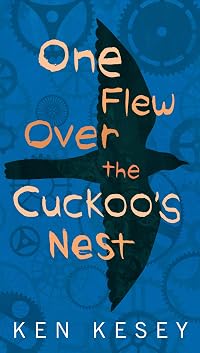
“Adamo risorto” di Yoram Kaniuk (la mia è l’edizione CDE su licenza Edizioni Theoria del 1995, tradotta da Elena Loewenthal) è una lettura permeata di pura follia, tanto che, lo ammetto, ho ripreso tra le mani questo romanzo più volte prima di riuscire ad arrivare all’ultima pagina e tirare un sospiro di sollievo. Non è un romanzo semplice, anzi l’ho trovato piuttosto complicato, talvolta addirittura ostico, a tratti incomprensibile in quella costante confusione tra la lucida critica sociale e il delirio di chi è o si finge matto. Tra la presenza fisica, reale, solida del circo di personaggi che si muovono sulla scena e quella invece immaginaria proiezione di un io devastato da un’esperienza inenarrabile, la cui mente partorisce una sorta di mondo alternativo dove tutti sono ciò che non sono veramente e recitano con una maschera. Il rischio che si corre è quello di ritrovarsi a vagare per i corridoi di casa con lo sguardo allucinato alla Jack Nicholson in “Qualcuno volò sul nido del cuculo”
Tanto va il merito all’autore di essere stato in grado di esprimere tutto questo con un linguaggio, quello della follia, difficile da far proprio nella scrittura, quanto è difficoltoso comprendere il perché Susan Sontag accosti Yoram Kaniuk a Garcia Márquez e Peter Handke, considerandolo uno dei tre migliori romanzieri che ha scoperto, in sintonia con “Le Monde” che scrive di Kaniuk come uno dei più grandi scrittori del nostro tempi, uno dei grandi maestri letterari israeliani. Al punto che, lo dico per diritto di cronaca, “Adamo risorto”, pubblicato in ebraico nel 1969 con il titolo “Adam ben Kelev” (Uomo figlio di un cane) è stato tradotto in numerose lingue e in molti lo hanno definito come una delle opere di narrativa sull'Olocausto più potenti mai scritte. Nel 2008 ne è stato tratto anche un film diretto da Paul Schrader con Jeff Goldblum e Willem Dafoe, accolto però tiepidamente dalla critica, forse quale conseguenza della difficoltà di tradurre in immagini libro, un sentimento ben espresso da Rotten Tomatoes che scrive: "una storia così inusuale avrebbe potuto dar vita a un avvincente dramma, ma Adam Resurrected soffre di una confusione narrativa e di una freddezza emotiva al suo interno" (fonte: www.rotten tomatoes.com/m/adam_resurrected).
Quanto detto sino ad ora ha un innegabile riscontro oggettivo nell’ambientazione del romanzo che vede come scenografia il deserto israeliano, un habitat asettico ed accecante dominato dagli elementi della natura e dove si trova un manicomio. O meglio: un Istituto di Riabilitazione e Terapia fondato grazie alla milionaria donazione di una benefattrice americana, facoltosa ebrea, simbolo del generoso ed interessato sionismo d'oltreoceano (morta, ma congelata in attesa di un accordo tra gli eredi), convinta da una suora in crisi mistica nella perenne attesa della venuta in terra del Salvatore, che era necessario istituire un rifugio per tutti i “nuovi” israeliani scampati all’Olocausto, ma ancora imprigionati nell’inferno del lager, nell’ipotesi che tra loro potesse celarsi il Dio salvifico fatto uomo. Il tutto forse per lasciar intravedere la metafora secondo cui essendo il popolo ebraico in larga parte stato ucciso nei campi di sterminio, le uniche persone rimaste sono quelle percorse da un fremito di pazzia che le ha sospinte in terra d’Oriente per costruire un nuovo Paese e che quel deserto che si apre alle loro spalle è il ritorno alle origini bibliche, alla Terra Promessa, alle proprie radici ebraiche.
Famoso ex clown di un grande e celebre circo, Adam Stein, a cui fu risparmiata la camera a gas per poter intrattenere come “pagliaccio” migliaia di altri ebrei mentre marciavano verso la morte, è ora il “capobanda” del manicomio, opera salvifica nel cuore del Negev, popolato esclusivamente da sopravvissuti all'Olocausto. Un personaggio che giostra tra la sua capacità di essere più brillante dei medici che lo hanno in cura e quella di essere matto ancor più di quanto lo sia qualsiasi altro paziente dell’Istituto, in una angosciante e lacerante lotta per dare un senso a un mondo sospeso, cristallizzato, tra sanità mentale e follia i cui confini sono stati irreversibilmente sfumati e resi così invisibili.
E non potrebbe essere diversamente visto che Stein nel campo di concentramento era costretto a recitare il suo ruolo di clown per intrattenere gli internati in fila per le camere a gas, guidandoli con un sorriso verso la morte. Obbligato a dare in questo modo, inerme, l’ultimo saluto alla moglie ed alla figlia. Ma soprattutto costretto ad impersonare nella prigionia il secondo cane da compagnia del comandante del campo Klein, di condividere con l’animale il quotidiano, camminando a quattro zampe, abbaiando e condividendo il cibo nella stessa ciotola. Un ruolo da cui Adam non riuscirà mai veramente a liberarsi, quasi quel cane si sia ormai impossessato di ogni fibra del suo essere, un purgatorio in terra che forse lo avvicina ad una improbabile redenzione.
Stein si identifica così fortemente con la sua identità di cane che non riesce ad accettare la sua nuova vita come membro della società israeliana. Una società nella quale egli è entrato in punta di piedi e solo dopo aver scoperto che l’altra figlia, data per scomparsa tra gli orrori dei lager, era invece viva in Israele, terra in cui giungerà solo per travestirsi un’ultima volta da pagliaccio e farla ridere sulla sua spoglia lapide. Adam non solo si prende gioco di Israele, metaforicamente interpretato dal gigantesco dottor Gross, e mantiene la sua vita passata da cane, per quanto orribile essa possa essere stata, ma intrattiene anche un rapporto amichevole con il comandante Klein dopo la guerra, un legame tra torturato e torturatore difficile da spiegare, ma non inconsueto.
Nel manicomio Adam è una sorta di leader, sempre in bilico tra l’accademico colto e distaccato ed il ruolo opposto di colui che, quasi con un pizzico di onnipotenza, può decidere se e quando vivere o morire. Circondato da una corte di personaggi, che francamente a volte è difficile capire quanto siano reali o frutto della proiezione di una mente imperscrutabile, al clown Stein l’autore pare quasi voler assegnare il ruolo di un Cristo moderno (uso la formula dubitativa in quanto non sono certo, quasi ormai affetto da una sorta di follia anch’io, della mia interpretazione letteraria) la cui resurrezione è affidata ad un miracolo nel deserto. Un miracolo dove cane chiama cane, una regressione dell’uomo ad animale che annusa, che abbaia e mugola ad un un suo simile, per poi scoprire che quel cane è un bambino (un altro paziente apparentemente incurabile comparso all’improvviso) rinchiuso in un cane immaginario e che solo grazie all’essere cane di Adam guarirà dalla follia che lo ha trasformato in bestia impaurita, riscoprendo in sé un essere umano e portando, al contempo, ad Adam Stein il dono della resurrezione, del ritorno alla vita. Non però ad una vita da gran finale, ma a quella alla quale ognuno di noi è semplicemente destinato.
Yoram Kaniuk, nato a Tel Aviv nel 1930, ha preso parte alla guerra d'indipendenza di Israele nel 1948 e quindi ha certamente facoltà di analizzare la società israeliana, senza temere di mostrarci che nell’aspetto disumano di tutti gli esseri umani, può essere rivelata la vera essenza dell’umanità che tende a perpetuarsi, quasi come se l’Olocausto fosse solo un evento, non l’ultimo probabilmente, dell’espressione all’esistenza umana. Un’esistenza dove uomo ed animale non riescono a differenziarsi, in barba ad ogni teoria evoluzionistica. Il ché indubbiamente apre una seria riflessione su ciò che il conflitto tra palestinesi ed israeliani ha messo in luce in questo ultimo mezzo secolo. show less
“Adamo risorto” di Yoram Kaniuk (la mia è l’edizione CDE su licenza Edizioni Theoria del 1995, tradotta da Elena Loewenthal) è una lettura permeata di pura follia, tanto che, lo ammetto, ho ripreso tra le mani questo romanzo più volte prima di riuscire ad arrivare all’ultima pagina e tirare un sospiro di sollievo. Non è un romanzo semplice, anzi l’ho trovato piuttosto complicato, talvolta addirittura ostico, a tratti incomprensibile in quella costante confusione tra la lucida critica sociale e il delirio di chi è o si finge matto. Tra la presenza fisica, reale, solida del circo di personaggi che si muovono sulla scena e quella invece immaginaria proiezione di un io devastato da un’esperienza inenarrabile, la cui mente partorisce una sorta di mondo alternativo dove tutti sono ciò che non sono veramente e recitano con una maschera. Il rischio che si corre è quello di ritrovarsi a vagare per i corridoi di casa con lo sguardo allucinato alla Jack Nicholson in “Qualcuno volò sul nido del cuculo”
Tanto va il merito all’autore di essere stato in grado di esprimere tutto questo con un linguaggio, quello della follia, difficile da far proprio nella scrittura, quanto è difficoltoso comprendere il perché Susan Sontag accosti Yoram Kaniuk a Garcia Márquez e Peter Handke, considerandolo uno dei tre migliori romanzieri che ha scoperto, in sintonia con “Le Monde” che scrive di Kaniuk come uno dei più grandi scrittori del nostro tempi, uno dei grandi maestri letterari israeliani. Al punto che, lo dico per diritto di cronaca, “Adamo risorto”, pubblicato in ebraico nel 1969 con il titolo “Adam ben Kelev” (Uomo figlio di un cane) è stato tradotto in numerose lingue e in molti lo hanno definito come una delle opere di narrativa sull'Olocausto più potenti mai scritte. Nel 2008 ne è stato tratto anche un film diretto da Paul Schrader con Jeff Goldblum e Willem Dafoe, accolto però tiepidamente dalla critica, forse quale conseguenza della difficoltà di tradurre in immagini libro, un sentimento ben espresso da Rotten Tomatoes che scrive: "una storia così inusuale avrebbe potuto dar vita a un avvincente dramma, ma Adam Resurrected soffre di una confusione narrativa e di una freddezza emotiva al suo interno" (fonte: www.rotten tomatoes.com/m/adam_resurrected).
Quanto detto sino ad ora ha un innegabile riscontro oggettivo nell’ambientazione del romanzo che vede come scenografia il deserto israeliano, un habitat asettico ed accecante dominato dagli elementi della natura e dove si trova un manicomio. O meglio: un Istituto di Riabilitazione e Terapia fondato grazie alla milionaria donazione di una benefattrice americana, facoltosa ebrea, simbolo del generoso ed interessato sionismo d'oltreoceano (morta, ma congelata in attesa di un accordo tra gli eredi), convinta da una suora in crisi mistica nella perenne attesa della venuta in terra del Salvatore, che era necessario istituire un rifugio per tutti i “nuovi” israeliani scampati all’Olocausto, ma ancora imprigionati nell’inferno del lager, nell’ipotesi che tra loro potesse celarsi il Dio salvifico fatto uomo. Il tutto forse per lasciar intravedere la metafora secondo cui essendo il popolo ebraico in larga parte stato ucciso nei campi di sterminio, le uniche persone rimaste sono quelle percorse da un fremito di pazzia che le ha sospinte in terra d’Oriente per costruire un nuovo Paese e che quel deserto che si apre alle loro spalle è il ritorno alle origini bibliche, alla Terra Promessa, alle proprie radici ebraiche.
Famoso ex clown di un grande e celebre circo, Adam Stein, a cui fu risparmiata la camera a gas per poter intrattenere come “pagliaccio” migliaia di altri ebrei mentre marciavano verso la morte, è ora il “capobanda” del manicomio, opera salvifica nel cuore del Negev, popolato esclusivamente da sopravvissuti all'Olocausto. Un personaggio che giostra tra la sua capacità di essere più brillante dei medici che lo hanno in cura e quella di essere matto ancor più di quanto lo sia qualsiasi altro paziente dell’Istituto, in una angosciante e lacerante lotta per dare un senso a un mondo sospeso, cristallizzato, tra sanità mentale e follia i cui confini sono stati irreversibilmente sfumati e resi così invisibili.
E non potrebbe essere diversamente visto che Stein nel campo di concentramento era costretto a recitare il suo ruolo di clown per intrattenere gli internati in fila per le camere a gas, guidandoli con un sorriso verso la morte. Obbligato a dare in questo modo, inerme, l’ultimo saluto alla moglie ed alla figlia. Ma soprattutto costretto ad impersonare nella prigionia il secondo cane da compagnia del comandante del campo Klein, di condividere con l’animale il quotidiano, camminando a quattro zampe, abbaiando e condividendo il cibo nella stessa ciotola. Un ruolo da cui Adam non riuscirà mai veramente a liberarsi, quasi quel cane si sia ormai impossessato di ogni fibra del suo essere, un purgatorio in terra che forse lo avvicina ad una improbabile redenzione.
Stein si identifica così fortemente con la sua identità di cane che non riesce ad accettare la sua nuova vita come membro della società israeliana. Una società nella quale egli è entrato in punta di piedi e solo dopo aver scoperto che l’altra figlia, data per scomparsa tra gli orrori dei lager, era invece viva in Israele, terra in cui giungerà solo per travestirsi un’ultima volta da pagliaccio e farla ridere sulla sua spoglia lapide. Adam non solo si prende gioco di Israele, metaforicamente interpretato dal gigantesco dottor Gross, e mantiene la sua vita passata da cane, per quanto orribile essa possa essere stata, ma intrattiene anche un rapporto amichevole con il comandante Klein dopo la guerra, un legame tra torturato e torturatore difficile da spiegare, ma non inconsueto.
Nel manicomio Adam è una sorta di leader, sempre in bilico tra l’accademico colto e distaccato ed il ruolo opposto di colui che, quasi con un pizzico di onnipotenza, può decidere se e quando vivere o morire. Circondato da una corte di personaggi, che francamente a volte è difficile capire quanto siano reali o frutto della proiezione di una mente imperscrutabile, al clown Stein l’autore pare quasi voler assegnare il ruolo di un Cristo moderno (uso la formula dubitativa in quanto non sono certo, quasi ormai affetto da una sorta di follia anch’io, della mia interpretazione letteraria) la cui resurrezione è affidata ad un miracolo nel deserto. Un miracolo dove cane chiama cane, una regressione dell’uomo ad animale che annusa, che abbaia e mugola ad un un suo simile, per poi scoprire che quel cane è un bambino (un altro paziente apparentemente incurabile comparso all’improvviso) rinchiuso in un cane immaginario e che solo grazie all’essere cane di Adam guarirà dalla follia che lo ha trasformato in bestia impaurita, riscoprendo in sé un essere umano e portando, al contempo, ad Adam Stein il dono della resurrezione, del ritorno alla vita. Non però ad una vita da gran finale, ma a quella alla quale ognuno di noi è semplicemente destinato.
Yoram Kaniuk, nato a Tel Aviv nel 1930, ha preso parte alla guerra d'indipendenza di Israele nel 1948 e quindi ha certamente facoltà di analizzare la società israeliana, senza temere di mostrarci che nell’aspetto disumano di tutti gli esseri umani, può essere rivelata la vera essenza dell’umanità che tende a perpetuarsi, quasi come se l’Olocausto fosse solo un evento, non l’ultimo probabilmente, dell’espressione all’esistenza umana. Un’esistenza dove uomo ed animale non riescono a differenziarsi, in barba ad ogni teoria evoluzionistica. Il ché indubbiamente apre una seria riflessione su ciò che il conflitto tra palestinesi ed israeliani ha messo in luce in questo ultimo mezzo secolo. show less
Oct 31, 2023 (Edited)Italian
Adam Stein había sido uno de los payasos más populares de Alemania durante los años 30. De origen judío, fue recluido en un campo de concentración, donde se libró de la muerte a cambio de tranquilizar y entretener a miles de prisioneros que eran dirigidos a las cámaras de gas. Ahora, Adán es el cabecilla de un hospital psiquiátrico para supervivientes del holocausto situado en el desierto del Néguev. El constante desafío de Adán a la autoridad del hospital y sus perturbadoras interpretaciones del pasado sacuden la institución y la despiertan de su letargo. Más lúcido que los médicos y más loco que cualquiera de los pacientes, Adán lucha incesantemente por comprender el sentido del mundo en el que la línea entre show more cordura y locura se ha borrado irreversiblemente. show less
Jan 5, 2023Spanish
Interessante temaer, men altfor fabulerende
Nov 3, 2009Norwegian
В центре истории судьба еврея Адама Штейна, бывшего клоуна, который, очутившись в концлагере, только потому не попал в газовую камеру, что по приказу нацистов развлекал перед смертью тысячи других евреев.
После войны Адам, помещенный в психиатрическую больницу для жертв холокоста, пытается выжить, противостоя окружающему его безумию…
В ролях: Джефф Голдблюм, Уиллем Дефо, Мориц Бляйбтрой, Василь Альбинет, show more Джения Додина, Вероника Феррес, Дерек Джекоби, Дрор Керен show less
После войны Адам, помещенный в психиатрическую больницу для жертв холокоста, пытается выжить, противостоя окружающему его безумию…
В ролях: Джефф Голдблюм, Уиллем Дефо, Мориц Бляйбтрой, Василь Альбинет, show more Джения Додина, Вероника Феррес, Дерек Джекоби, Дрор Керен show less
Nov 20, 2009Russian
Members
- Recently Added By
Lists

Tablet Magazine's List of 101 Great Jewish Books
103 works; 9 members
Author Information

69+ Works 720 Members
A native Israeli, Yoram Kaniuk was born on May 2, 1930. He served in the Haganah and later in the War of Independence. He was in the United States from 1950 to 1961, sharpened his artistic abilities, and developed a nostalgic vision of Tel Aviv and a deep attachment for Jerusalem. In May 2011, Kaniuk petitioned the Israeli Interior Ministry to show more change his religion status from "Jewish" to "no religion." This stemmed from his desire not to belong to a "Jewish Iran" or "what is today called the religion of Israel." In October 2011, a district court judge approved his petition, meaning that Kaniuk was then considered a Jew by nationality, but not by religion. Hundreds of other Israelis intend to do the same; a new verb, lehitkaniuk (to Kaniuk oneself) was coined to refer to this process. Kaniuk published 17 novels, a memoir, seven collections of short stories, two books of essays and five books for children and youth. His books have been published in 25 languages and he has won numerous literary prizes. He died on June 8, 2013. (Bowker Author Biography) show less
Series
Belongs to Publisher Series
dtv (11797)
Work Relationships
Has the adaptation
Common Knowledge
- Canonical title*
- Adam Hundesohn
- Original title
- Adam Resurrected
- Original publication date
- 1969
- People/Characters*
- Adam Stein
- Related movies
- Adam Resurrected (2008 | IMDb)
- Dedication*
- Für Miranda Kaniuk
- First words*
- Die Pensionswirtin klopft mit zarten Fingern an seine Zimmertür.
- Last words*
- (Click to show. Warning: May contain spoilers.)Möge alles, was war, nicht mehr geschehen, und alles, was geschieht, nie gewesen sein, und möge ein Hund zum anderen sprechen.
*Some information comes from Common Knowledge in other languages. Click "Edit" for more information.
Classifications
- Genres
- Fiction and Literature, General Fiction, Historical Fiction
- DDC/MDS
- 892.436 — Literature & rhetoric Literatures of other languages Afro-Asiatic literatures Jewish, Israeli, and Hebrew Hebrew fiction 1947–2000
- LCC
- PJ5054 .K326 .A6713 — Language and Literature Oriental languages and literatures Oriental philology and literature Hebrew Literature Individual authors and works
- BISAC
Statistics
- Members
- 132
- Popularity
- 247,636
- Reviews
- 7
- Rating
- (3.03)
- Languages
- 9 — Danish, Dutch, English, Finnish, German, Hebrew, Italian, Spanish, Swedish
- Media
- Paper, Audiobook, Ebook
- ISBNs
- 26