The Big House: A Century in the Life of an American Summer Home
by George Howe Colt
On This Page
Description
Faced with the sale of the century-old family summer house on Cape Cod where he had spent forty-two summers, George Howe Colt recounts returning for one last stay with his wife and children in this stunning memoir that was a National Book Award Finalist and a New York Times Notable Book of the Year. This poignant tribute to the eleven-bedroom jumble of gables, bays, and dormers that watched over weddings, divorces, deaths, anniversaries, birthdays, breakdowns, and love affairs for five show more generations interweaves Colt's final visit with memories of a lifetime of summers. Run-down yet romantic, The Big House stands not only as a cherished reminder of summer's ephemeral pleasures but also as a powerful symbol of a vanishing way of life. show lessTags
Recommendations





















Member Reviews
The Big House has been part of the Colt family history since it was built by the author's great grandfather, Ned Atkinson in the very early years of the 18th century. Build on Bluff overlooking Cape Cod, it is the epitome of a bygone era, during which time all the old Boston families were building summer homes as an escape from the city. And though large and rambling, one time staffed by a host of maids and boasting a separate cottage to house the chauffeur, like other summer homes of it's era it was built to showcase the Puritan spirit that infused Boston at that time - humble, almost shabby, and certainly not a showcase for the family's immense wealth. Over time, the Atkinson family, later the Colts, lost their money and their name show more ceased to hold the sway it once had, though it was still loved and recognized by those with similarly prestigious pedigrees. The house, like the family, began to fall into disprepair, but despite that the family returned here every summer to fill it with laughter and memories. And that is what this book is, the memories and history of not only the house and family, but the Cape itself, as the George Colt brings his own young family here to spend one last summer before it's sold.
I didn't go into this book expecting much. I mean, how interesting could a book about the history of a summer house be? But it was a loving tribute to a man's life, to his family, and to the place he loved more than any other. It is a nostalgic and bittersweet, and utterly captivating tale of a particular American experience. And though I didn't grow up on the Cape, or even anywhere near the ocean, it made me homesick for days past. It also filled me with a desire to find a way to give my family these kind of memories. We aren't vacationers, and we certainly don't return to the same place year after year, but this book makes me wish we were. I absolutely treasure every word this author wrote and I'm deeply thankful that he wrote down his memories of that last summer, shared his family story - warts and all. show less
I didn't go into this book expecting much. I mean, how interesting could a book about the history of a summer house be? But it was a loving tribute to a man's life, to his family, and to the place he loved more than any other. It is a nostalgic and bittersweet, and utterly captivating tale of a particular American experience. And though I didn't grow up on the Cape, or even anywhere near the ocean, it made me homesick for days past. It also filled me with a desire to find a way to give my family these kind of memories. We aren't vacationers, and we certainly don't return to the same place year after year, but this book makes me wish we were. I absolutely treasure every word this author wrote and I'm deeply thankful that he wrote down his memories of that last summer, shared his family story - warts and all. show less
This book came to my attention through it being on the list of National Book Finalists. I thought the premise of writing the history of a house sounded intriguing so I got it from the library. From the first page, Colt's prose resonated with me so I did the most reasonable thing - I returned the library book and ordered a copy of my own. I placed sticky notes on pages where I found beautifully written sentences, paragraphs, and profound ideas. My entire book has sticky notes coming out of it! The history and context of the New England coast provide a nice backdrop to the story of the Colt family and the Big House. I feel like I've been there.
What a thorough and valuable memoir with bits of history and genealogy thrown in. I could only dream of one day finding a book like this written about my house, and especially, of my ancestors. But, I don’t feel like the younger folks who have not yet experienced all they can from their lives with family and friends, creating memories with the passage of time, will be able to fully appreciate this memoir. The first thing I would do is Duck Duck Go maps and find out exactly where Wings Neck peninsula, overlooking Buzzards Bay, is in Cape Cod, Massachusetts, so you get the visual of where George Colt’s story takes place.
This is about the author’s memories of summer’s spent at this summer home, known in the family as “The Big show more House”, that has been in the author’s family for a 100 years. As well, he has put together a great historical account of his ancestor’s summer gatherings at The Big House from the very beginning by interviewing family members and elders who were still summering on Wings Necks, and by reading and researching through many books. At the end of this book, in Notes, he has recorded all the books used in writing up the historical parts of the book. It’s worth a browse.
The author's Big House, originally 6,000 square feet and later remodeled to 8,000 square feet, was built by his great grandfather, Ned Atkinson and designed by Ned's brother, William. Ned married into the Forbes family...Ellen Forbes. They had two sons and one daughter. Their only daughter, Mary Atkinson, married outside the fray of what was normal for Bostonians to a penniless, upstate New Yorker, the author's grandfather, Henry Colt. This is one branch of the Forbes family to whom the Trust Fund of descendants of Ellen Forbes Atkinson would peter out. With taxes and maintenance up to $25,000 a year by 1990’s, it had become unaffordable to keep and decisions between his father and siblings had to be made. Even though they did manage to keep the house in the family, it was no longer the gathering place for just whoever wanted to spend the summers there. It now belonged to someone. His parents eventually purchased a small one-acre cottage in Maine, where George and his siblings now meet for family functions. This would now become their "Big House".
---------------
MY LIFE AND MY "BIG HOUSE":
I could fully relate to his sentimental reminiscing, and you will too. I think we all have a “Big House”. I grew up on Cow Bayou when it was alive back in the 70’s and 80’s. But, unlike the author, we didn’t have money. My parents bought a rundown 2 bedroom camp on Cow Bayou that had been vacant for 30 years. They did a lot of work to it over many years to get it in good living condition. Me and my two sisters shared a large room over the bayou throughout all our growing years, up until we moved out of the house. We survived by putting the "don’t cross the line" tape down the middle of the room between each bed. Mom mostly stayed home and kept house and cooked beans and rice. Dad worked a miserable job in the warehouse at the plant. But, once when Mom did go to work for just a short time, we were in high school, and wouldn’t you know, we started sneaking boys over, and we’d open our windows and, running through the house dripping wet, jump through them into the bayou, then we started jumping from the roof of the house, then we would swim the quarter mile to the little bridge on the highway and jump from there...until….someone drove by and saw us jumping from the bridge and told mom. She quit her job.
Other memories of the bayou were of the good-looking doctor’s sons and their friends next door at their “true” camp on weekends, and all their loud fun. Us swimming and learning to ski, seeing the occasional gator down our cut (once I was even chased out of the bayou by a gator), splashing the water all around when we’d see a black snake (water, moccasin, or cotton-mouth...we never knew the difference) to scare it off, fishing for gar at midnight off our little dock, and camping nights on the little marshy island just across from us. We did crazy things. It really is amazing we survived at all.
Much like the author's Big House, our house was always an open house. The grill was always going on weekends with loads of sausage and chicken and beans cooking on the stove because someone would ALWAYS stop by in a boat or bring their families for a day of swimming on the bayou. My parents fed them and shared a cold one or two.
But, today, Cow Bayou is dead. You don’t see kids swimming. You don’t see boaters and skiers...people having fun anymore. The bayou looks dead, scary and creepy. My parents are 75 and 90 years old now. Their yard is not as kept. Their doors are closed. We girls are taking care of our parents as Mom goes through her lung cancer treatments, and as Dad needs his doctors for skin cancer treatments. He on oxygen and she needing treatments and will also soon be on oxygen. Life changes, and like the author, whether you want it to or not, you have to find a way to someday let go because you can’t go back. It changes because it never really was about “The Big House”, it was really about the people who made The Big House so great. So any place can be “The Big House”. It’s our little Cow Bayou house. It’s my great-grandparent’s poor little house in Vidor, Texas, where we gathered every Christmas Eve for many years until they could no longer hold it. Then, it was the little house on 6th street in Port Neches, at my grandparent’s home where we gathered for another many years. The Big House is where your family gathers and memories are made.
P. 189: They had a tradition of waving goodbye to guests and family members while standing on the porch waving a hanky or shirt or whatever until their visitors rode out of site. Down here in Southeast Texas, we walk them outside saying our goodbyes, then, feel it’s rude if we don’t walk them to their car...still saying our goodbyes. We don’t dare turn and walk back into the house until they are in their car driving and out of site. Meanwhile, we are still waving goodbye and they honk their way away. Too funny!
P. 304: George's father chose to keep the Trollope set because his mother LOVED them, but they were to remain in the house with the new owners, his father's nephew and wife. This started a discussion of the merits of Trollope, especially "Barchester Towers" and "The Warden", and its readability between the siblings. Hmmm...yesterday I just bought “The Eustace Diamonds” at a used bookstore for $1.00. I’m curious now what his grandmother loved so much about Trollope’s writing. I loved that their Big House was filled with books in every room. The family seemed to always be big on reading. His grandfather always read a bedtime story to the kids during the summer at Wings Neck, and this trickled down to creating readers of those kids...something to remember. show less
This is about the author’s memories of summer’s spent at this summer home, known in the family as “The Big show more House”, that has been in the author’s family for a 100 years. As well, he has put together a great historical account of his ancestor’s summer gatherings at The Big House from the very beginning by interviewing family members and elders who were still summering on Wings Necks, and by reading and researching through many books. At the end of this book, in Notes, he has recorded all the books used in writing up the historical parts of the book. It’s worth a browse.
The author's Big House, originally 6,000 square feet and later remodeled to 8,000 square feet, was built by his great grandfather, Ned Atkinson and designed by Ned's brother, William. Ned married into the Forbes family...Ellen Forbes. They had two sons and one daughter. Their only daughter, Mary Atkinson, married outside the fray of what was normal for Bostonians to a penniless, upstate New Yorker, the author's grandfather, Henry Colt. This is one branch of the Forbes family to whom the Trust Fund of descendants of Ellen Forbes Atkinson would peter out. With taxes and maintenance up to $25,000 a year by 1990’s, it had become unaffordable to keep and decisions between his father and siblings had to be made. Even though they did manage to keep the house in the family, it was no longer the gathering place for just whoever wanted to spend the summers there. It now belonged to someone. His parents eventually purchased a small one-acre cottage in Maine, where George and his siblings now meet for family functions. This would now become their "Big House".
---------------
MY LIFE AND MY "BIG HOUSE":
I could fully relate to his sentimental reminiscing, and you will too. I think we all have a “Big House”. I grew up on Cow Bayou when it was alive back in the 70’s and 80’s. But, unlike the author, we didn’t have money. My parents bought a rundown 2 bedroom camp on Cow Bayou that had been vacant for 30 years. They did a lot of work to it over many years to get it in good living condition. Me and my two sisters shared a large room over the bayou throughout all our growing years, up until we moved out of the house. We survived by putting the "don’t cross the line" tape down the middle of the room between each bed. Mom mostly stayed home and kept house and cooked beans and rice. Dad worked a miserable job in the warehouse at the plant. But, once when Mom did go to work for just a short time, we were in high school, and wouldn’t you know, we started sneaking boys over, and we’d open our windows and, running through the house dripping wet, jump through them into the bayou, then we started jumping from the roof of the house, then we would swim the quarter mile to the little bridge on the highway and jump from there...until….someone drove by and saw us jumping from the bridge and told mom. She quit her job.
Other memories of the bayou were of the good-looking doctor’s sons and their friends next door at their “true” camp on weekends, and all their loud fun. Us swimming and learning to ski, seeing the occasional gator down our cut (once I was even chased out of the bayou by a gator), splashing the water all around when we’d see a black snake (water, moccasin, or cotton-mouth...we never knew the difference) to scare it off, fishing for gar at midnight off our little dock, and camping nights on the little marshy island just across from us. We did crazy things. It really is amazing we survived at all.
Much like the author's Big House, our house was always an open house. The grill was always going on weekends with loads of sausage and chicken and beans cooking on the stove because someone would ALWAYS stop by in a boat or bring their families for a day of swimming on the bayou. My parents fed them and shared a cold one or two.
But, today, Cow Bayou is dead. You don’t see kids swimming. You don’t see boaters and skiers...people having fun anymore. The bayou looks dead, scary and creepy. My parents are 75 and 90 years old now. Their yard is not as kept. Their doors are closed. We girls are taking care of our parents as Mom goes through her lung cancer treatments, and as Dad needs his doctors for skin cancer treatments. He on oxygen and she needing treatments and will also soon be on oxygen. Life changes, and like the author, whether you want it to or not, you have to find a way to someday let go because you can’t go back. It changes because it never really was about “The Big House”, it was really about the people who made The Big House so great. So any place can be “The Big House”. It’s our little Cow Bayou house. It’s my great-grandparent’s poor little house in Vidor, Texas, where we gathered every Christmas Eve for many years until they could no longer hold it. Then, it was the little house on 6th street in Port Neches, at my grandparent’s home where we gathered for another many years. The Big House is where your family gathers and memories are made.
P. 189: They had a tradition of waving goodbye to guests and family members while standing on the porch waving a hanky or shirt or whatever until their visitors rode out of site. Down here in Southeast Texas, we walk them outside saying our goodbyes, then, feel it’s rude if we don’t walk them to their car...still saying our goodbyes. We don’t dare turn and walk back into the house until they are in their car driving and out of site. Meanwhile, we are still waving goodbye and they honk their way away. Too funny!
P. 304: George's father chose to keep the Trollope set because his mother LOVED them, but they were to remain in the house with the new owners, his father's nephew and wife. This started a discussion of the merits of Trollope, especially "Barchester Towers" and "The Warden", and its readability between the siblings. Hmmm...yesterday I just bought “The Eustace Diamonds” at a used bookstore for $1.00. I’m curious now what his grandmother loved so much about Trollope’s writing. I loved that their Big House was filled with books in every room. The family seemed to always be big on reading. His grandfather always read a bedtime story to the kids during the summer at Wings Neck, and this trickled down to creating readers of those kids...something to remember. show less
The book is 15 years old now but I recently heard about it from Erin Napier, of HGTV fame, when she tweeted that she was reading it. It was a National Book Award Finalist in 2003. Since I love all things historical, architectural, and generational it seemed right up my alley.
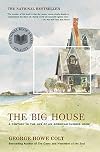
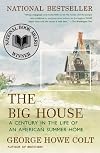
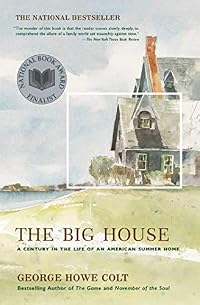
First of all, the cover of the book really grabbed me mainly because I'm a big fan of watercolor art. The soft and gentle colors and just the peek of the edge of the house suggest to me a gentle story of lives lived in a beach home. That is exactly what you get.
There is no major drama or suspenseful action going on here. But you do get pulled into the lives of generations of the same extended family that occupied this home for over a century during both the happiest show more and saddest times of their lives.
The book includes a lot of information you wouldn't think to find in a memoir. Personal memories, architectural history, travel stories, learnings of how the upper crust of Boston lived and thought, and text that makes you feel like you too are there living in this home for the summer.
What I wished the book had was family photos, a picture of the home, and even a map of the area where the home is. There is so much detail into the way the home looks and the area surrounding it that a map and photos would have been even better to impress upon my mind where the stories were happening and how they connected. But, the fact that these options aren't available doesn't really detract from the book. I just like putting faces to names and locations to places.
It made me wish I had a home like this in my family history. That place we all congregate too during the summer and just become one with each other and nature. A place to wash the city off and gaze upon the ocean and let it all go. To be free of expectations. To breathe the salty air. To eat the fresh seafood. One week at the beach isn't enough. I want a lifetime. Especially after reading this. show less
First of all, the cover of the book really grabbed me mainly because I'm a big fan of watercolor art. The soft and gentle colors and just the peek of the edge of the house suggest to me a gentle story of lives lived in a beach home. That is exactly what you get.
There is no major drama or suspenseful action going on here. But you do get pulled into the lives of generations of the same extended family that occupied this home for over a century during both the happiest show more and saddest times of their lives.
The book includes a lot of information you wouldn't think to find in a memoir. Personal memories, architectural history, travel stories, learnings of how the upper crust of Boston lived and thought, and text that makes you feel like you too are there living in this home for the summer.
What I wished the book had was family photos, a picture of the home, and even a map of the area where the home is. There is so much detail into the way the home looks and the area surrounding it that a map and photos would have been even better to impress upon my mind where the stories were happening and how they connected. But, the fact that these options aren't available doesn't really detract from the book. I just like putting faces to names and locations to places.
It made me wish I had a home like this in my family history. That place we all congregate too during the summer and just become one with each other and nature. A place to wash the city off and gaze upon the ocean and let it all go. To be free of expectations. To breathe the salty air. To eat the fresh seafood. One week at the beach isn't enough. I want a lifetime. Especially after reading this. show less
The “National Book Award Finalist” label on the cover first drew me to this book. Then I read the professional review services’ review (Kirkus, Publishers Weekly, etc.), and all were good, although I don’t recall any being starred reviews.
I must admit, I was put off at first by the “Brahman” references to the elites in the book, but the more I read, the more I realized that these people were several generations removed from true wealth. That said, they still all seemed to have second homes all over the place. Still, the story was really interesting, and Colt is obviously a gifted writer. If you enjoy nonfiction writers like Hampton Sides and Tracy Kidder, you’ll enjoy “The Big House.”
I must admit, I was put off at first by the “Brahman” references to the elites in the book, but the more I read, the more I realized that these people were several generations removed from true wealth. That said, they still all seemed to have second homes all over the place. Still, the story was really interesting, and Colt is obviously a gifted writer. If you enjoy nonfiction writers like Hampton Sides and Tracy Kidder, you’ll enjoy “The Big House.”
Having spent many summers in my in-laws run-down cottage in Northern Michigan, I grew to love it more than any place in the world. I enjoyed weeks of summer fun with my kids up there as they learned to swim and play tennis, we walked in the rain, picked and jammed raspberries and spent hours playing board games. We had lots of summers in Michigan but it was always the cottage that made me feel like I was home and had found my soul.
When I say it was run-down, I really mean it. It was neglected for years due to a stalemate between my mother and father-in-law. It languished during the winters, and each summer there would be a new problem with the structure. As we slept at night, mice would run through and take up residence in the show more fireplace wood, in the rafters or a corner that hadn't been noticed in awhile. The smell of the place was so distinct that I could smell the musty order in my clothes long after we returned to suburbia and the hectic pace of our everyday lives.
When storms would come rolling in off Lake Michigan, we would sit on the porch and watch as the trees would blow, the thunder would deafen us, and pools of water would gather at the end of the road. The sound of rain pounding on the roof was extraordinary because there was no ceiling of insulation to mute the sound. It was wonderful to lay in bed at night and listen to nature come down around us. And every couple of years a hoot owl would take up residence in a nearby 100 foot tree and call out in the dark of the night, "Who, Whoo, Who-Who."
I hope my children have fond memories of their summer life in the family cottage. Certainly their memories of when we were up there as an intact family have to be more pleasant than when we would leave for weeks while my ex-husband stayed at home by himself. My kids are 5th generation in the cottage that had been named Tynneycoed by their great grandparents. Their grandmother grew up in it, and always maintained she hated the place, which was something we couldn't fathom. My ex-husband had only spent sporadic time in the cottage while he grew up, so my kids were very fortunate to be able to spend so much time having care-free fun summers. It was the love and kindness of my in-laws that gave us that gift each summer -- a sacrifice that was not lost on us.
As the years have gone on, and the cottage was falling in around itself, my then-husband and I used to dream of fixing it up, enlarging it and creating a summer home where the whole family could come together to enjoy each other's company. He has four siblings, so the dreams were grandeous, but that was our dream, not necessarily the rest of the family's.
Of course the question of what to do with a cottage that has been in the family for 5 generations when it's time to pass it is a sticky issue. As George Howe Colt so eloquently writes, it's a very complex issue because there is so much emotion and family history involved. What one member of the family wants, some other family member doesn't. Where one person has a terrible memory of the place, someone else has wonderful memories.
So what to do with a family cottage when the current generation doesn't want it or can't afford to keep it? What to do when the family dynamics change, marriages end and children grow up?
The family cottage I spent 19 years raising my children in, has become off limits to me because I divorced my husband. As a result, my kids haven't been to their family cottage in two years, and might not ever be back. How sad for them. My friends in Michigan tell me the cottage looks sad and forlorn because we are not it. Where the lights in the cottage at night brought the cottage to life, now it sits dark and empty most of the summer.
When I read this book it was the summer of 2005; I was sitting on the screened-in porch of the cottage and I instinctively knew that I would never spend another summer there. In fact, I unexpectedly separated from my husband 6 days after returning to our home in suburban Chicago. I felt the same heaviness in my heart that Colt felt in his heart when he decided to sell his summer home. It truly is like mourning a family member, and you're left with the feeling that you will miss her immensely, but you're grateful for every moment you spent together. The memories of the LaMay family cottage will live on in my heart, even though I will never see it again. show less
When I say it was run-down, I really mean it. It was neglected for years due to a stalemate between my mother and father-in-law. It languished during the winters, and each summer there would be a new problem with the structure. As we slept at night, mice would run through and take up residence in the show more fireplace wood, in the rafters or a corner that hadn't been noticed in awhile. The smell of the place was so distinct that I could smell the musty order in my clothes long after we returned to suburbia and the hectic pace of our everyday lives.
When storms would come rolling in off Lake Michigan, we would sit on the porch and watch as the trees would blow, the thunder would deafen us, and pools of water would gather at the end of the road. The sound of rain pounding on the roof was extraordinary because there was no ceiling of insulation to mute the sound. It was wonderful to lay in bed at night and listen to nature come down around us. And every couple of years a hoot owl would take up residence in a nearby 100 foot tree and call out in the dark of the night, "Who, Whoo, Who-Who."
I hope my children have fond memories of their summer life in the family cottage. Certainly their memories of when we were up there as an intact family have to be more pleasant than when we would leave for weeks while my ex-husband stayed at home by himself. My kids are 5th generation in the cottage that had been named Tynneycoed by their great grandparents. Their grandmother grew up in it, and always maintained she hated the place, which was something we couldn't fathom. My ex-husband had only spent sporadic time in the cottage while he grew up, so my kids were very fortunate to be able to spend so much time having care-free fun summers. It was the love and kindness of my in-laws that gave us that gift each summer -- a sacrifice that was not lost on us.
As the years have gone on, and the cottage was falling in around itself, my then-husband and I used to dream of fixing it up, enlarging it and creating a summer home where the whole family could come together to enjoy each other's company. He has four siblings, so the dreams were grandeous, but that was our dream, not necessarily the rest of the family's.
Of course the question of what to do with a cottage that has been in the family for 5 generations when it's time to pass it is a sticky issue. As George Howe Colt so eloquently writes, it's a very complex issue because there is so much emotion and family history involved. What one member of the family wants, some other family member doesn't. Where one person has a terrible memory of the place, someone else has wonderful memories.
So what to do with a family cottage when the current generation doesn't want it or can't afford to keep it? What to do when the family dynamics change, marriages end and children grow up?
The family cottage I spent 19 years raising my children in, has become off limits to me because I divorced my husband. As a result, my kids haven't been to their family cottage in two years, and might not ever be back. How sad for them. My friends in Michigan tell me the cottage looks sad and forlorn because we are not it. Where the lights in the cottage at night brought the cottage to life, now it sits dark and empty most of the summer.
When I read this book it was the summer of 2005; I was sitting on the screened-in porch of the cottage and I instinctively knew that I would never spend another summer there. In fact, I unexpectedly separated from my husband 6 days after returning to our home in suburban Chicago. I felt the same heaviness in my heart that Colt felt in his heart when he decided to sell his summer home. It truly is like mourning a family member, and you're left with the feeling that you will miss her immensely, but you're grateful for every moment you spent together. The memories of the LaMay family cottage will live on in my heart, even though I will never see it again. show less
Although I loved Colt's descriptions of his very own reactions to the house and his family members, I had a hard time feeling as absorbed as perhaps I should have been with so much history. I was much more interested in the more recent happenings to the house. So much more time has passed since Colt wrote this book that it would be fun to see an update on his own children, now young adults, and their reactions to the Big House.
Members
- Recently Added By
Lists

Best Beach Reads
99 works; 61 members

Which house?
423 works; 16 members
Author Information

4+ Works 1,178 Members
George Howe Colt is a former staff writer at Life magazine whose articles have been published in The New York Times, Civilization, and Mother Jones, among other publications. He lives with his family in rural western Massachusetts
Awards and Honors
Common Knowledge
- Important places
- Cape Cod, Massachusetts, USA; Massachusetts, USA
- First words
- The doors that are always open have been closed and locked. The windows are shut tight. The shades are drawn. No water runs from the faucets. The toaster - which in the best of times works only if its handle is pinned under t... (show all)he weight of a second, even less functional toaster - in unplugged. The kitchen cupboards are empty except for a stack of napkines, a box of sugar cubes, and eight cans of bear. The porch furniture - six white plastic chairs, two green wooden tables - has been stacked in the dining room. The croquet set, the badminton equipment, the tennis net, and the flag are behind closet doors. The dinghy is turtled on sawhorses in the barn, the oars angled against the wall. The roasted-salt scent of August has given way to the stale smell of mothballs, ashes, mildew. -Prologue: Winter
Somewhere north of Wareham, the land began to flatten. Maple and birch gave way to scrub oak and pitch pine, and the air tickled with salt. In the backseat of our overstuffed and overheated Ford station wagon, my younger brot... (show all)her Ned and I stopped playing got-you-last and sat up, alert as bloodhounds. My older brother, Harry, looked up from his Hardy Boys book. We shouted as we spotted each familiar milestone: the first cranberry bog; the first seagull, floating incongruously over an inland ocean of green pine; the first glimpse of salt water, a brackish inlet rimmed with rickety-looking docks, which led, we knew, to a tidal creek, which flowed to the bay, which, at some distant point, emptied into the ocean. -Chapter 1, Arriving - Canonical DDC/MDS
- 974.4
- Canonical LCC
- F72.C3
Classifications
- Genres
- Biography & Memoir, Nonfiction, General Nonfiction, History
- DDC/MDS
- 974.4 — History & geography History of North America Northeastern United States (New England and Middle Atlantic states) Massachusetts
- LCC
- F72 .C3 — Local History of the United States, Canada and Latin America United States local history Massachusetts
- BISAC
Statistics
- Members
- 927
- Popularity
- 28,620
- Reviews
- 20
- Rating
- (3.91)
- Languages
- English, French
- Media
- Paper, Ebook
- ISBNs
- 5
- ASINs
- 7