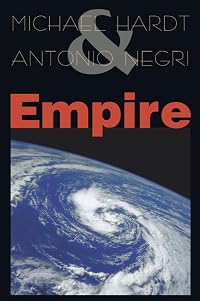
Empire
by Michael Hardt, Antonio Negri
On This Page
Description
"Imperialism as we knew it may be no more, but Empire is alive and well. It is, as Michael Hardt and Antonio Negri demonstrate in this bold work, the new political order of globalization. Their book shows how this emerging Empire is fundamentally different from the imperialism of European dominance and capitalist expansion in previous eras. Rather, Today's Empire draws on elements of U.S. constitutionalism, with its tradition of hybrid identities and expanding frontiers." "Empire identifies show more a radical shift in concepts that form the philosophical basis of modern politics, concepts such as sovereignty, nation, and people. Hardt and Negri link this philosophical transformation to cultural and economic changes in postmodern society - to new forms of racism, new conceptions of identity and difference, new networks of communication and control, and new paths of migration. They also show how the power of transnational corporations and the increasing predominance of postindustrial forms of labor and production help to define the new imperial global order." "More than analysis, Empire is also work of political philosophy, a new Communist Manifesto. Looking beyond the regimes of exploitation and control that characterize today's world order, it seeks an alternative political paradigm - the basis for a truly democratic global society."--Jacket. show lessTags
Recommendations

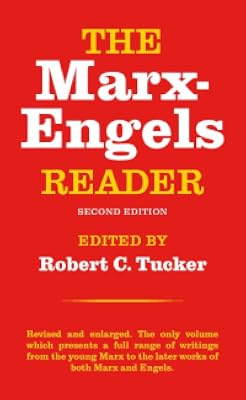
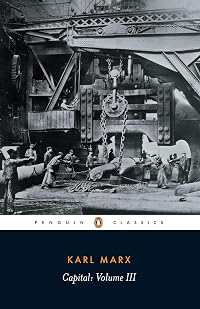
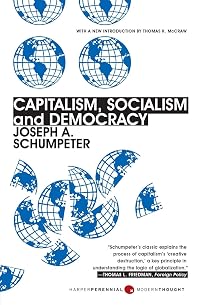

Member Recommendations
0_o Empire feels like a 400-page expansion of Mark Fisher's ideas
Member Reviews
On Hardt and Negri
EMPIRE and MULTITUDE, by Hardt and Negri, are frustrating and irritating books. But most critics miss their one great innovation. They have replaced capital and commodity as the key concepts of Marxism and postmarxism. Instead, what is most important for studying social change is the production and reproduction of society itself. The technical term they have invented to try to explain this is bioproduction.
But they do not know what to do with this one great innovation. Class analysis may be less useful now than it was for classical Marxism, but we could start by imitating Marx. How would we define classes by their relation to the means of production of society? An elementary beginning would be: the state; non-state show more persons who control the big institutions; workers who have enough resources so that they can start their own businesses, or join worker coops, if they do not like their bosses; lesser workers; and everyone else.
Something missing? Yes. Women as a class, mothers and other child rearers, but also women as the primary transmitters of the local system of morality. More than all the others, they create society. They are the least appreciated source of future social change.
(I have also posted this at my Academia.edu website. See my LT profile.) show less
EMPIRE and MULTITUDE, by Hardt and Negri, are frustrating and irritating books. But most critics miss their one great innovation. They have replaced capital and commodity as the key concepts of Marxism and postmarxism. Instead, what is most important for studying social change is the production and reproduction of society itself. The technical term they have invented to try to explain this is bioproduction.
But they do not know what to do with this one great innovation. Class analysis may be less useful now than it was for classical Marxism, but we could start by imitating Marx. How would we define classes by their relation to the means of production of society? An elementary beginning would be: the state; non-state show more persons who control the big institutions; workers who have enough resources so that they can start their own businesses, or join worker coops, if they do not like their bosses; lesser workers; and everyone else.
Something missing? Yes. Women as a class, mothers and other child rearers, but also women as the primary transmitters of the local system of morality. More than all the others, they create society. They are the least appreciated source of future social change.
(I have also posted this at my Academia.edu website. See my LT profile.) show less
It's great
Empire, Michael Hardt & Antonio Negri, and A Theory of Post-Colonial Literature, Alfredo J. Lopez. Canadian Literature, 178 (autumn 2003), pp. 134-37
If there is a work that can be called a 'Communist Manifesto' for our times, this is undoubtedly it.
The various Voice of the Turtle essays on Empire are available through this page:
http://voiceoftheturtle.org/show_article.php?aid=258
Malcolm Bull's review in the LRB is here:
http://www.lrb.co.uk/v23/n19/bull01_.html
http://voiceoftheturtle.org/show_article.php?aid=258
Malcolm Bull's review in the LRB is here:
http://www.lrb.co.uk/v23/n19/bull01_.html
Michael Hardtin ja Antonio Negrin teos Imperiumi on yksi viimevuosien eniten myytyjä akateemisia teoksia. Kirjoittajista Hardt on yhdysvaltalainen kirjallisuusteoreetikko ja Negri italialainen sosiologi. Voisi sanoa, että heidän yhdessä kirjoittamansa Imperiumi nosti heidät yhteiskuntafilosofien julkkiskategoriaan, jossa heille vertoja vetävät ehkä vain Noam Chomsky ja Slavoj Žižek.
Hardtin ja Negrin ajattelu pohjaa autonimimarxilaiseen teoriaperinteeseen. Imperiumi on laaja analyysi maailman tilasta ja globaalista kehityksestä. Se avaa keskustelua globaalin talouden "uudesta maailmanjärjestyksestä", uudesta hallinnanlogiikasta, joka on muodostumassa kansallisten rajojen ja valtioiden vallan heikentyessä ja joka pohjaa show more hajautettuun valtaan ja hajautettuihin valtakeskuksiin. Tämän uuden maailmanjärjestyksen Hardt ja Negri nimeävät Imperiumiksi. Sitä verrataan historialliseen edeltäjäänsä perinteiseen imperialismiin, mutta sillä erotuksella, että Imperiumia ei samassa mielessä johda kukaan eikä sillä ole selkeitä valtakeskuksia. Perinteinen kapitalistinen tuotanto on vallannut uusia elämänalueita, kun tuotanto tapahtuu yhä enemmän sosiaalisissa suhteissa materiaalisten sijaan ja pohjaa ihmisten ominaisuuksiin ja kykyihin. Tämä muuttunut todellisuus tarjoaa uudenlaisia väyliä ja leikkauspintoja uudenlaisille radikaaleille vastarinnoille, joita teos myös pyrkii paikantamaan ja analysoimaan.
Teos on aiheiltaan erittäin mielenkiintoinen, mutta pitkä ja raskas ja siten melko vaativa luettava. Tieteelliseksi tekstiksi kieli ei kuitenkaan ole kovin haastavaa. show less
Hardtin ja Negrin ajattelu pohjaa autonimimarxilaiseen teoriaperinteeseen. Imperiumi on laaja analyysi maailman tilasta ja globaalista kehityksestä. Se avaa keskustelua globaalin talouden "uudesta maailmanjärjestyksestä", uudesta hallinnanlogiikasta, joka on muodostumassa kansallisten rajojen ja valtioiden vallan heikentyessä ja joka pohjaa show more hajautettuun valtaan ja hajautettuihin valtakeskuksiin. Tämän uuden maailmanjärjestyksen Hardt ja Negri nimeävät Imperiumiksi. Sitä verrataan historialliseen edeltäjäänsä perinteiseen imperialismiin, mutta sillä erotuksella, että Imperiumia ei samassa mielessä johda kukaan eikä sillä ole selkeitä valtakeskuksia. Perinteinen kapitalistinen tuotanto on vallannut uusia elämänalueita, kun tuotanto tapahtuu yhä enemmän sosiaalisissa suhteissa materiaalisten sijaan ja pohjaa ihmisten ominaisuuksiin ja kykyihin. Tämä muuttunut todellisuus tarjoaa uudenlaisia väyliä ja leikkauspintoja uudenlaisille radikaaleille vastarinnoille, joita teos myös pyrkii paikantamaan ja analysoimaan.
Teos on aiheiltaan erittäin mielenkiintoinen, mutta pitkä ja raskas ja siten melko vaativa luettava. Tieteelliseksi tekstiksi kieli ei kuitenkaan ole kovin haastavaa. show less
Jan 31, 2014Finnish
Members
- Recently Added By
Author Information

26+ Works 2,853 Members

139+ Works 4,266 Members
Antonio Negri is former Professor of State Theory at the University of Padua.
Some Editions
Awards and Honors
Series
Belongs to Publisher Series
Common Knowledge
- Original title
- Empire
- Original publication date
- 2000
- Epigraph
- Qualsiasi arnese diventa un'arma se lo si maneggia bene.
ANI DIFRANCO
Gli uomini lottano e perdono la loro battaglia; ciò per cui avevano combattuto si realizza comunque, malgrado la loro sconfitta, ma poi s... (show all)i rivela altro da ciò che essi credevano, e allora altri uomini devono continuare a lottare per ciò che i primi chiamavano con un altro nome.
WILLIAM MORRIS - First words
- L'impero di sta materializzando proprio sotto i nostri occhi.
- Quotations
- C'è un'antica leggenda che potrebbe illuminare l vita futura della militanza comunista: la leggenda di san Francesco d'Assisi. Vediamo quale fu la sua impresa. Per denunciare la povertà della moltitudine, ne adotto la condi... (show all)zione comune e vi scoprì la potenza ontologica di una nuova società. Il militante comunista fa lo stesso nel momento in cui identifica nella condizione comune della moltitudine la sua enorme ricchezza. In opposizione al capitalismo nascente, Francesco rifiutava qualsiasi disciplina strumentale, e alla mortificazione della carne (nella povertà e nell'ordine istituito) ehi contrapponeva una vita gioiosa che comprendeva tutte le creature e tutta la natura: gli animali, sorella luna, fratello sole, gli uccelli dei campi, gli uomini sfruttati e i poveri, tutti insieme contro la volontà di potere e la corruzione. Nella postmoderni, ci troviamo ancora nella situazione di Francesco, a contrapporre la gioia di essere alla miseria del potere. Si tratta di una rivoluzione che sfuggirà al controllo, poiché il biopotere e il comunismo, la cooperazione e la rivoluzione restano insieme semplicemente nell'amore, e con innocenza. Queste sono la chiarezza e la gioia incontenibile di essere comunisti.
- Last words
- (Click to show. Warning: May contain spoilers.)Queste sono la chiarezza e la gioia incontenibile di essere comunisti.
- Original language
- Inglese
Classifications
- Genres
- Economics, Philosophy, Politics and Government, Nonfiction, General Nonfiction, History
- DDC/MDS
- 325.3209045 — Society, government, & culture Political science International migration and colonization English Imperialism
- LCC
- JC359 .H279 — Political Science Political theory Political theory. The state. Theories of the state Forms of the state
- BISAC
Statistics
- Members
- 1,520
- Popularity
- 15,172
- Reviews
- 9
- Rating
- (3.56)
- Languages
- 13 — Danish, Dutch, English, Finnish, French, German, Italian, Norwegian (Bokmål), Polish, Portuguese, Spanish, Swedish, Turkish
- Media
- Paper, Ebook
- ISBNs
- 28
- ASINs
- 4