On This Page
Description
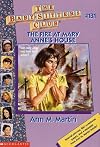
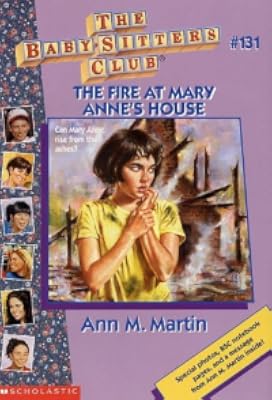
In one of the most dramatic BSC storylines to date, Mary Anne and her family survive a raging fire that completely destroys their beloved old farmhouse. Ann M. Martin is the creator of The Baby-sitters Club, which has more than 190 million books in print, making it one of the most popular series in the history of publishing. Her novels include A Corner of the Universe (a Newbery Honor Book), Belle Teal, Here Today, A Dog's Life, On Christmas Eve, and the Main Street and Family Tree series, show more as well as the much-loved collaborations P.S. Longer Letter Later and Snail Mail No More, with Paula Danziger. Ann lives in upstate New York. show lessTags
Recommendations


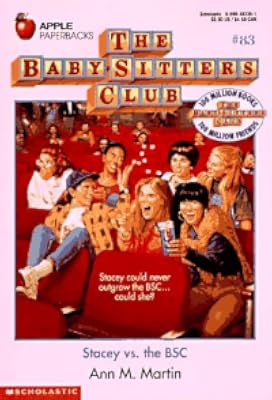
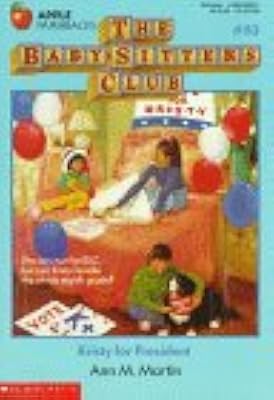
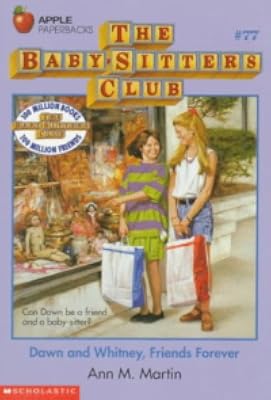
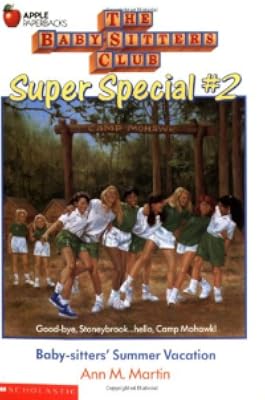
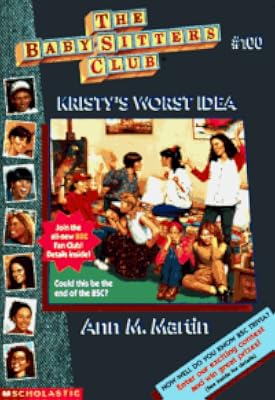

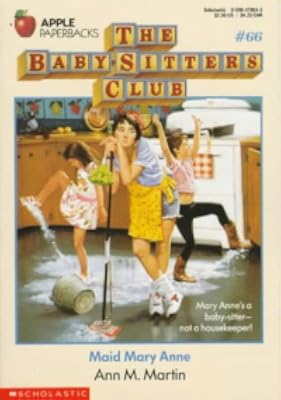
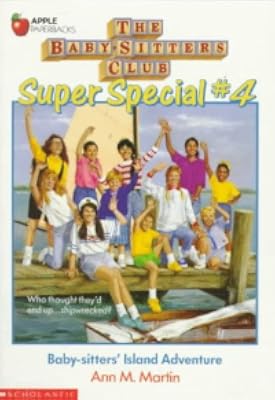
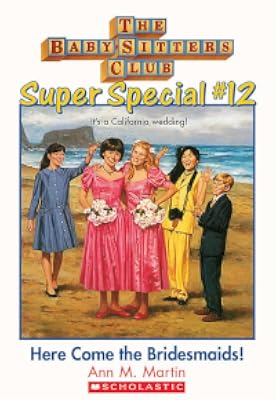







Member Reviews
(I now maintain a blog just for my kid-lit reviews. Find it at http://kidlit4adults.blogspot.com .)
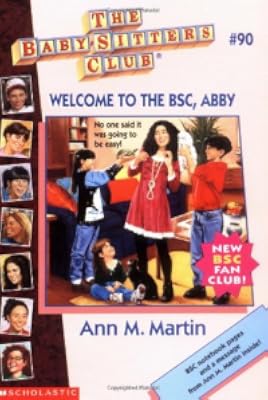
A friend has convinced me to try my hand this year for the first time at writing children's literature; but I don't actually know anything about children's literature, so am starting the process among other ways by first reading a stack of existing books that have been recommended to me. Today's selections are my first foray into the world of "The Baby-Sitters Club," which during the 1990s and '00s became one of the most successful kid-lit series of all time; between the original tales and the various spinoffs, there are now nearly 500 volumes set in Ann M. Martin's sleepy middle-class suburb of Stoneybrook, Connecticut, with collective show more sales of at least 250 million copies and a literal empire of supplemental merchandise, feature films and television episodes. (By the way, I've been quietly told by gossipy friends in the industry that dozens of these books were actually ghostwritten by other authors, with Martin simply slapping her name on them at the end for brand consistency, although I have no way of actually verifying that; for those who don't know, this is one of the types of employment I'm seeking within the YA industry, to be the ghost-author of such formula-driven, interchangeable chapter books, which is why I'm reading so many of them these days.)
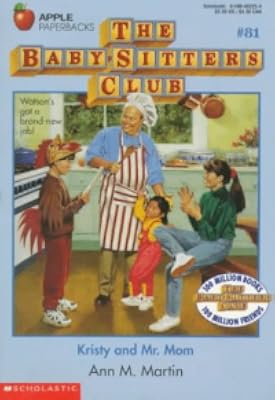
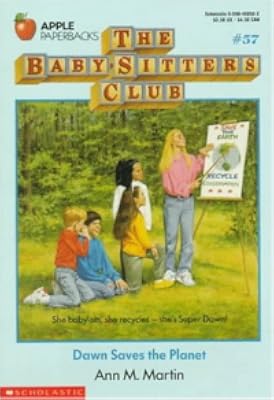
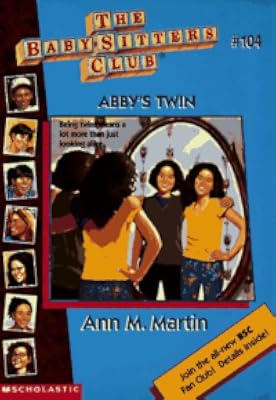
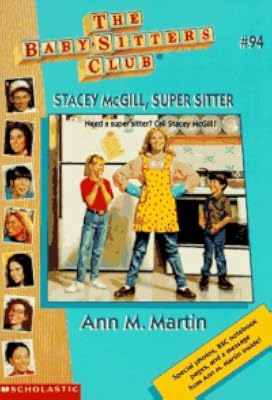
And as you can expect, the BSC books follow a familiar formula down to a T (or at least the three I read -- #81's Mallory Pike, #1 Fan, #115's Jessi's Big Break, and #131's The Fire at Mary Anne's House), staring with just a massive amount of exposition, not even cleverly handled but literally as if you were reading an encyclopedia entry; in fact, each and every title in the series starts first with an entire chapter of that book's particular hero reading aloud her own Wikipedia entry, then a second chapter of them reciting the entry concerning the club itself (essentially a group of junior-high female friends who gather around a central phone every late afternoon, so that parents can call that "hotline" and have the most appropriate babysitter sent to their house later that night), a total of eight thousand words devoted to nothing but reminding people of all the various things that have happened in the hundreds of books that came before it. Like many chapter-book series, the "crises" that befall club members are usually pretty gentle in nature, and the books mainly exist as a way to teach non-controversial moral lessons to its readers. Each book is roughly 30,000 words total, pretty normal for the 9-to-12 age group they're designed for; but surprisingly, the main characters themselves are mostly aged 12 to 14, just a little older than most of the books' readers, which confused me at first until I thought back to my own childhood, and how I used to love at this age reading books about kids a little older than me, in that I felt like I was sneakily getting away with something.
To her credit, Martin tries to inject as much diversity into this white-bread environment as she can, and also introduces plenty of modern hiccups to the stereotypical nuclear family (the club members' backgrounds are filled with ugly divorces, single parents working full-time jobs, sudden moves into entirely new economic classes, adopted Asian siblings and the like); but to her detriment, these are the exact types of books that edgier YA authors are railing against, sickly-sweet tales where all conflicts are resolved by the last page, and where all the kids ultimately end up dutifully obeying the pronouncements of the all-wise adult authority figures around them. I mean, you can't argue with success, but the BSC books are definitely the ones helping to write the "rules" for chapter books to begin with, which is why they barely ever break the well-known rules we now think of when thinking about this type of literature (you know -- make sentences short and punchy, introduce lots of peril but very little legitimate danger, be sure to repeat important information several times, concentrate on the way that girls this age interact with each other, set many of the scenes in a school environment, try to get the parents out of the way as much as possible, always have a happy ending, etc etc etc). They're neither outstanding nor terrible, which I'm sure is a big reason they've sold 250 million copies by now, and I can see myself easily being able to churn one of these out from beginning to end in just two or three weeks. show less
A friend has convinced me to try my hand this year for the first time at writing children's literature; but I don't actually know anything about children's literature, so am starting the process among other ways by first reading a stack of existing books that have been recommended to me. Today's selections are my first foray into the world of "The Baby-Sitters Club," which during the 1990s and '00s became one of the most successful kid-lit series of all time; between the original tales and the various spinoffs, there are now nearly 500 volumes set in Ann M. Martin's sleepy middle-class suburb of Stoneybrook, Connecticut, with collective show more sales of at least 250 million copies and a literal empire of supplemental merchandise, feature films and television episodes. (By the way, I've been quietly told by gossipy friends in the industry that dozens of these books were actually ghostwritten by other authors, with Martin simply slapping her name on them at the end for brand consistency, although I have no way of actually verifying that; for those who don't know, this is one of the types of employment I'm seeking within the YA industry, to be the ghost-author of such formula-driven, interchangeable chapter books, which is why I'm reading so many of them these days.)
And as you can expect, the BSC books follow a familiar formula down to a T (or at least the three I read -- #81's Mallory Pike, #1 Fan, #115's Jessi's Big Break, and #131's The Fire at Mary Anne's House), staring with just a massive amount of exposition, not even cleverly handled but literally as if you were reading an encyclopedia entry; in fact, each and every title in the series starts first with an entire chapter of that book's particular hero reading aloud her own Wikipedia entry, then a second chapter of them reciting the entry concerning the club itself (essentially a group of junior-high female friends who gather around a central phone every late afternoon, so that parents can call that "hotline" and have the most appropriate babysitter sent to their house later that night), a total of eight thousand words devoted to nothing but reminding people of all the various things that have happened in the hundreds of books that came before it. Like many chapter-book series, the "crises" that befall club members are usually pretty gentle in nature, and the books mainly exist as a way to teach non-controversial moral lessons to its readers. Each book is roughly 30,000 words total, pretty normal for the 9-to-12 age group they're designed for; but surprisingly, the main characters themselves are mostly aged 12 to 14, just a little older than most of the books' readers, which confused me at first until I thought back to my own childhood, and how I used to love at this age reading books about kids a little older than me, in that I felt like I was sneakily getting away with something.
To her credit, Martin tries to inject as much diversity into this white-bread environment as she can, and also introduces plenty of modern hiccups to the stereotypical nuclear family (the club members' backgrounds are filled with ugly divorces, single parents working full-time jobs, sudden moves into entirely new economic classes, adopted Asian siblings and the like); but to her detriment, these are the exact types of books that edgier YA authors are railing against, sickly-sweet tales where all conflicts are resolved by the last page, and where all the kids ultimately end up dutifully obeying the pronouncements of the all-wise adult authority figures around them. I mean, you can't argue with success, but the BSC books are definitely the ones helping to write the "rules" for chapter books to begin with, which is why they barely ever break the well-known rules we now think of when thinking about this type of literature (you know -- make sentences short and punchy, introduce lots of peril but very little legitimate danger, be sure to repeat important information several times, concentrate on the way that girls this age interact with each other, set many of the scenes in a school environment, try to get the parents out of the way as much as possible, always have a happy ending, etc etc etc). They're neither outstanding nor terrible, which I'm sure is a big reason they've sold 250 million copies by now, and I can see myself easily being able to churn one of these out from beginning to end in just two or three weeks. show less
Ratings
Members
- Recently Added By
Author Information

702+ Works 155,808 Members
Series

Common Knowledge
- Canonical title
- The Fire at Mary Anne's House
- Original title
- The Fire at Mary Anne's House
- Original publication date
- 1999
Classifications
- Genres
- Fiction and Literature, Children's Books
- DDC/MDS
- 813.54 — Literature & rhetoric American literature in English American fiction in English 1900-1999 1945-1999
- LCC
- PZ7 .M3567585 — Language and Literature Fiction and juvenile belles lettres Fiction and juvenile belles lettres Juvenile belles lettres
- BISAC
Statistics
- Members
- 116
- Popularity
- 279,868
- Reviews
- 1
- Rating
- (4.06)
- Languages
- English
- Media
- Paper, Audiobook, Ebook
- ISBNs
- 4
- ASINs
- 2