On This Page
Description
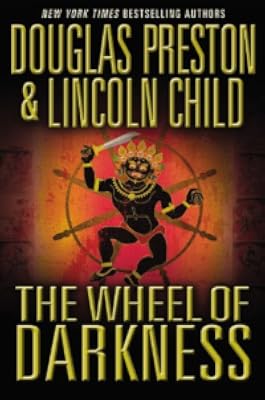
A luxury ocean liner on its maiden voyage across the North Atlantic, awash in wealth and decadence...An ancient Tibetan box, its contents unknown, sealed with a terrifying warning...
An FBI agent destined to confront what he fears most—himself...
.
Tags
Recommendations
























Member Reviews
Well thankfully we didn’t end up in the Museum of Natural History again. Now that the chase for Diogenes is over (at least in the physical world), Constance needs a break. P takes her to his favorite and almost unknown Tibetan monastery for some R&R. Well, sort of. If sleeping on the floor in only horsehair blankets, eating bark mulch and yogurt and meditating until your eyes no longer focus counts as R&R.
While there, they learn of the theft of an ultra-secret (so secret even most of the monks living there don’t know about it) spiritual artifact. How exactly something so secret could be stolen from an almost unknown monastery that is practically unreachable physically will of course be shown in due course. Of course they have to go show more and find it.
So, the duo trace the thing to an ocean liner and through his usual semi-magical use of contacts, persuasion and illicit information, P gets them on board with luxury accommodations. Constance would rather stay at the monastery, but she of course follows him and pledges to help.
The 1930s adventure serial flavor is still very much at work here. And it’s good. The thing about those was that they hinted about a lot of things, but didn’t give them up to you all at once. The point was to stretch things out. To make it last. To build suspense and anticipation in the audience. These two authors get that and have preserved it nicely through the series. There are things about Constance that are still maddeningly vague.
This one isn’t as world-stoppingly compelling as say, Cabinet of Curiosities, but it is a page-turner and has a nice blend of atmosphere and action. The very end is quite harrowing indeed. Interesting to see anti-terrorist measures be used against those whom it was intended to protect. It wasn’t done in an accusatory way, just pointing out how such a measure could be turned. show less
While there, they learn of the theft of an ultra-secret (so secret even most of the monks living there don’t know about it) spiritual artifact. How exactly something so secret could be stolen from an almost unknown monastery that is practically unreachable physically will of course be shown in due course. Of course they have to go show more and find it.
So, the duo trace the thing to an ocean liner and through his usual semi-magical use of contacts, persuasion and illicit information, P gets them on board with luxury accommodations. Constance would rather stay at the monastery, but she of course follows him and pledges to help.
The 1930s adventure serial flavor is still very much at work here. And it’s good. The thing about those was that they hinted about a lot of things, but didn’t give them up to you all at once. The point was to stretch things out. To make it last. To build suspense and anticipation in the audience. These two authors get that and have preserved it nicely through the series. There are things about Constance that are still maddeningly vague.
This one isn’t as world-stoppingly compelling as say, Cabinet of Curiosities, but it is a page-turner and has a nice blend of atmosphere and action. The very end is quite harrowing indeed. Interesting to see anti-terrorist measures be used against those whom it was intended to protect. It wasn’t done in an accusatory way, just pointing out how such a measure could be turned. show less
Six-word review: Bizarre departure for investigator Pendergast fans.
Extended review:
This was a reread for me, and now I remember why it took me so long to come around to reading the series from the beginning. This is noplace to start with Agent Pendergast. Almost any of the preceding seven books except perhaps The Book of the Dead, which is the third of a trilogy within the series, would make a better introduction.
First, the story takes place on an Atlantic crossing during the maiden voyage of an enormous luxury ocean liner. This common fictional device of isolating the crime-solving protagonist from outside resources while perpetrator and potential victims are all trapped together (on an airplane, on an island, in a haunted house, show more etc.) has the effect of separating Pendergast from all the interesting secondary characters that usually interact with him, so that we have no developing relationships to follow except the one with his ward, Constance.
Second, the book is really not a standalone. It relies heavily on contextual information supplied by its predecessors in the series, most notably Pendergast's and Constance's respective histories with the agent's brother Diogenes, who played a principal role in the trilogy. The number of allusions to the characters' recent personal experiences--and the inclusion of the voice of Diogenes himself--means that any reader who has not been following the series sequentially will miss the significance of or be confused by several key elements, and various other references will be meaningless.
Third, Pendergast himself spends a portion of this narrative behaving in a way that is deeply out of character for him. To appreciate how much, and to give that development its due weight, the reader must have some prior familiarity.
And fourth, there is a supernatural element to this story that, although explained in some fashion, takes it out of the realm of a world whose rules and conventions we know from our own experience. Once we leave the realistic setting behind, we can't be sure what kind of world we're in. There is no world-building of the sort that we expect in urban fantasies and magic realism. It's disorienting not to know what to accept as being what it appears to be and what to regard as hallucination or trickery that requires exposure.
Consequently I found this installment not only unsatisfying but in a number of ways annoying. For the sake of the longer arc that spans the plots of several of the novels, I'm glad I reread it, and I will certainly go on with the series, but with a little wariness now that I've come to doubt whether the authors--who have perhaps become a bit bored with their own creation--will play fair with the reader. show less
Extended review:
This was a reread for me, and now I remember why it took me so long to come around to reading the series from the beginning. This is noplace to start with Agent Pendergast. Almost any of the preceding seven books except perhaps The Book of the Dead, which is the third of a trilogy within the series, would make a better introduction.
First, the story takes place on an Atlantic crossing during the maiden voyage of an enormous luxury ocean liner. This common fictional device of isolating the crime-solving protagonist from outside resources while perpetrator and potential victims are all trapped together (on an airplane, on an island, in a haunted house, show more etc.) has the effect of separating Pendergast from all the interesting secondary characters that usually interact with him, so that we have no developing relationships to follow except the one with his ward, Constance.
Second, the book is really not a standalone. It relies heavily on contextual information supplied by its predecessors in the series, most notably Pendergast's and Constance's respective histories with the agent's brother Diogenes, who played a principal role in the trilogy. The number of allusions to the characters' recent personal experiences--and the inclusion of the voice of Diogenes himself--means that any reader who has not been following the series sequentially will miss the significance of or be confused by several key elements, and various other references will be meaningless.
Third, Pendergast himself spends a portion of this narrative behaving in a way that is deeply out of character for him. To appreciate how much, and to give that development its due weight, the reader must have some prior familiarity.
And fourth, there is a supernatural element to this story that, although explained in some fashion, takes it out of the realm of a world whose rules and conventions we know from our own experience. Once we leave the realistic setting behind, we can't be sure what kind of world we're in. There is no world-building of the sort that we expect in urban fantasies and magic realism. It's disorienting not to know what to accept as being what it appears to be and what to regard as hallucination or trickery that requires exposure.
Consequently I found this installment not only unsatisfying but in a number of ways annoying. For the sake of the longer arc that spans the plots of several of the novels, I'm glad I reread it, and I will certainly go on with the series, but with a little wariness now that I've come to doubt whether the authors--who have perhaps become a bit bored with their own creation--will play fair with the reader. show less
Preston & Child han tenido un gran acierto con este libro, después de escribir un libro tan bueno y tan brutal como cierre de la trilogía de Diógenes, me daba miedo esta entrega, era difícil que se superaran o al menos se igualaran con El libro de los muertos, la séptima entrega de esta serie.
Pues bueno, han dado un giro tan extraordinario que es imposible comparar este libro con el anterior, sin dejar de lado su estilo narrativo sigue la serie, le han dado continuidad a la historia de Pendergast y sobre todo le han dado un papel mucho más importante a Constance, pero este libro nada tiene que ver con el anterior, esta historia resulta mucho más ligera que la entrega anterior, pero no por eso menos interesante y atrapante.
En show more una combinación perfecta de la historia del Titanic, con un estilo detectivesco muy de Agatha Christie, nos envuelven en una historia, con sus ya muy singulares temas esotéricos, nos acercan mucho más a la personalidad de Pendergast, que hasta el momento siempre había estado rodeado de un misterio muy peculiar, conocemos al personaje casi desde la primera entrega, pero realmente no sabemos mucho de él o de su personalidad, esta es la primera vez que lo he sentido más cerca del ser humano que por supuesto es y sin dejar de ser ese agente del FBI, ahora se ha embarcado en una investigación privada junto con Constance, otro personaje que había aparecido siempre a la sombra, una mujer que me había parecido siempre extraña por la manera en que se escondía, bueno ha sido un buen giro tenerla en primera línea, siendo ya más una persona normal, siendo además el brazo fuerte de Pendergast.
El final como siempre ha sido fabuloso, nos dejan con esa miel en la boca para querer seguir con el siguiente, como siempre estos autores me dejan con un extraordinario sabor de boca, siempre que termino uno de sus libros quiero correr por el siguiente, sin duda van más allá de entretenidos, que sí, que son raros, que sí que son peliculeros, que sí, que tocan temas fuera de toda realidad, pero siempre lo hacen de manera prodigiosa y como siempre digo, por encima de todo está el entretenimiento.
A por el que sigue, sin duda cada libro me gusta más que el anterior. show less
Pues bueno, han dado un giro tan extraordinario que es imposible comparar este libro con el anterior, sin dejar de lado su estilo narrativo sigue la serie, le han dado continuidad a la historia de Pendergast y sobre todo le han dado un papel mucho más importante a Constance, pero este libro nada tiene que ver con el anterior, esta historia resulta mucho más ligera que la entrega anterior, pero no por eso menos interesante y atrapante.
En show more una combinación perfecta de la historia del Titanic, con un estilo detectivesco muy de Agatha Christie, nos envuelven en una historia, con sus ya muy singulares temas esotéricos, nos acercan mucho más a la personalidad de Pendergast, que hasta el momento siempre había estado rodeado de un misterio muy peculiar, conocemos al personaje casi desde la primera entrega, pero realmente no sabemos mucho de él o de su personalidad, esta es la primera vez que lo he sentido más cerca del ser humano que por supuesto es y sin dejar de ser ese agente del FBI, ahora se ha embarcado en una investigación privada junto con Constance, otro personaje que había aparecido siempre a la sombra, una mujer que me había parecido siempre extraña por la manera en que se escondía, bueno ha sido un buen giro tenerla en primera línea, siendo ya más una persona normal, siendo además el brazo fuerte de Pendergast.
El final como siempre ha sido fabuloso, nos dejan con esa miel en la boca para querer seguir con el siguiente, como siempre estos autores me dejan con un extraordinario sabor de boca, siempre que termino uno de sus libros quiero correr por el siguiente, sin duda van más allá de entretenidos, que sí, que son raros, que sí que son peliculeros, que sí, que tocan temas fuera de toda realidad, pero siempre lo hacen de manera prodigiosa y como siempre digo, por encima de todo está el entretenimiento.
A por el que sigue, sin duda cada libro me gusta más que el anterior. show less
The follow up to Dance of Death does not disappoint! There were some great suspenseful moments-the chapter where the nurse met her fate totally blew my mind. The mixture of fantasy and mystery is really different from other books I've read-unexpected in spots but the more I get used to it the more I like it! I really wasn't sure of the outcome until the very end, and it wrapped up in a pretty satisfying way. I was so glad to see that these guys are still writing great stuff, and continuing to surprise with beloved characters like Pendergast.
I love and hate these novels. I can't stop reading this series because I want to know what is happening with Constance and Pendergast. At the same time, Pendergast and Constance are too mysterious, too self-contained...too unknown. This story just reminds me why I don't like the idea of cruising across the open ocean. *shudders*
I usually don't read murder-mysteries and this was my first Preston & Child book. The elements from Tibetan Buddhism are what attracted me to this novel. I enjoyed most of this book and could overlook the misconceptions and little hiccups, but the last quarter (25%) or so gets awfully bizarre!
Nearing the end of a pilgrimage in a Buddhist monastery in the Tibetan mountains, Special FBI Agent Pendergast and his ward, Constance Greene, the two are approached by one of the overseers of the community who informs Pendergast of a recent theft of a powerful ancient artifact. The community is requesting Pendergast's assistance in retrieving it. No one knows what the artifact is; only that the box, which contained it is missing, and it possesses the power to cleanse the world.
After tracking the package through China, Rome and London; Pendergast discovers the thief brutally murdered, which leads Pendergast and Constance to chase the murderer onto a luxury cruise ship leaving London for NYC, which is where the majority of the novel is show more set. Generally, the worse that patrons experience on a cruise ship are respiratory and gastrointestinal disorders; however, in this story a malevolent force has the ability to strip a person of his morality leaving him with his more primitive libidinous nature. After a couple of passengers are discovered missing and one of the two presumed dead, can Pendergast and Constance find the artifact before any more die.
If you have not read any of the Special Agent Pendergast series, you are missing a treat. This contemporary Sherlock Holmes-like detective even has a Facebook following. This novel had me on the edge of my seat from start to finish. show less
After tracking the package through China, Rome and London; Pendergast discovers the thief brutally murdered, which leads Pendergast and Constance to chase the murderer onto a luxury cruise ship leaving London for NYC, which is where the majority of the novel is show more set. Generally, the worse that patrons experience on a cruise ship are respiratory and gastrointestinal disorders; however, in this story a malevolent force has the ability to strip a person of his morality leaving him with his more primitive libidinous nature. After a couple of passengers are discovered missing and one of the two presumed dead, can Pendergast and Constance find the artifact before any more die.
If you have not read any of the Special Agent Pendergast series, you are missing a treat. This contemporary Sherlock Holmes-like detective even has a Facebook following. This novel had me on the edge of my seat from start to finish. show less
Members
- Recently Added By
Lists

Books featuring monks and/or nuns
166 works; 33 members

Books Read in 2013
1,630 works; 51 members

Books Read in 2023
5,547 works; 145 members

Tibet & Tibetan Buddhism
96 works; 1 member
Author Information

114+ Works 85,916 Members
Douglas Jerome Preston was born on May 20, 1956 in Cambridge, Massachusetts. He received a B.A. in English literature from Pomona College in 1978. His career began at the American Museum of Natural History, where he worked as an editor and writer from 1978 to 1985. He also was a lecturer in English at Princeton University. He became a full-time show more writer of both fiction and nonfiction books in 1986. Many of his fiction works are co-written with Lincoln Child including Relic, Riptide, Thunderhead, The Wheel of Darkness, Cemetery Dance, and Gideon's Corpse. His nonfiction works include Dinosaurs in the Attic; Cities of Gold: A Journey Across the American Southwest in Pursuit of Coronado; Talking to the Ground; and The Royal Road. He has written for numerous magazines including The New Yorker; Natural History; Harper's; Smithsonian; National Geographic; and Travel and Leisure. He became a New York Times Best Selling author with his titles Two Graves and Crimson Shores which he co-wrote with Lincoln Child, and his titles White Fire, The Lost Island Blue Labyrinth and The Lost City of the Monkey God. (Bowker Author Biography) show less

91+ Works 78,367 Members
Lincoln Child was born in Westport, Connecticut in 1957. He received a degree in English from Carleton College in Northfield, Minnesota. After graduation, he obtained a position as an editorial assistant at St. Martin's Press and eventually became a full editor in 1984. He left St. Martin's Press in 1987 for a job at MetLife and began writing. show more Child has co-written numerous books with Douglas Preston including Relic, White Fire, Cold Vengeance, Riptide, Thunderhead, The Wheel of Darkness, Cemetery Dance, Gideon's Corpse, Blue Labyrinth, and Two Graves. In 2003, he published his first solo novel entitled Utopia. His other solo works include Death Match, Deep Storm, Terminal Freeze, The Third Gate, and The Forgotten Room. (Bowker Author Biography) show less
Awards and Honors
Distinctions
Series

Work Relationships
Common Knowledge
- Canonical title
- The Wheel of Darkness
- Original publication date
- 2007
- People/Characters
- Constance Greene; Aloysius Pendergast; Jordan Ambrose; Roger Mayles; Gordon LeSeur; Marya Kazulin (show all 14); Carol Mason; Patrick Kemper; Victor Hentoff; Scott Blackburn; Emily Dahlberg; Braddock Wiley; Betty Jondrow; Willa Berkshire
- Important places
- Gsalrig Chongg Monastery, Tibet (fictional); Tibet; Newfoundland, Canada; Britannia (ship); Canada; New York, New York, USA
- Dedication
- Lincoln Child dedicates this book to his daughter, Veronica.
Douglas Preston dedicates this book to Nat and Ravida, Emily, Andrew, and Sarah - First words
- The only things moving in the vastness of the Llolung Valley were two black specks, barely larger than the frost-split boulders that covered the valley floor, inching along a faint track.
- Last words
- (Click to show. Warning: May contain spoilers.)And then she smiled: a smile that seemed half secretive, and half shy.
Classifications
Statistics
- Members
- 3,458
- Popularity
- 4,825
- Reviews
- 80
- Rating
- (3.74)
- Languages
- 11 — Czech, Dutch, English, Finnish, French, German, Hungarian, Italian, Polish, Portuguese, Spanish
- Media
- Paper, Audiobook, Ebook
- ISBNs
- 48
- ASINs
- 29