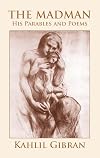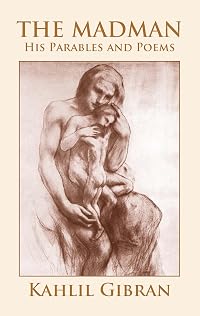
The Madman: His Parables and Poems
by Kahlil Gibran
On This Page
Description
The poetry of Kahlil Gibran (1883 - 1931), a Lebanese-American writer, is the third best-selling in the world, after Shakespeare and Laozi. Much of his work deals with Christianity and spiritual love, and is popularly read at important events such as marriages. His work is considered a source of wisdom..
Tags
Recommendations
























Member Reviews
Found my way here from the marginalian's piece about the love letters between him and Mary Haskell. I always find myself resisting things with a spiritual tone, but once I succumbed I was enchanted and moved.
The book itself is quite minuscule and contains short parables each replete with a deep philosophical message relevant to mortal vanities & nature . Some of the "stories" are literally just two lines , yet it took me while to grasp it's profundity ; my favorite being "The Lost Language" .
"özgürlüğü ve huzuru buldum meczupluğumda; yalnızlığın özgürlüğünü ve anlaşılmamış olmanın huzurunu. çünkü bizi anlayanlar içimizdeki bir şeye de egemen olurlar."
daha ilk sayfada bitirdi cibran.
daha ilk sayfada bitirdi cibran.
"When my Sorrow was born I nursed it with care, and watched over it with loving tenderness.
And my Sorrow grew like all living things, strong and beautiful and full of wondrous delights.
And we loved one another, my Sorrow and I, and we loved the world about us; for Sorrow had a kindly heart and mine was kindly with Sorrow.
And when we conversed, my Sorrow and I, our days were winged and our nights were girdled with dreams; for Sorrow had an eloquent tongue, and mine was eloquent with Sorrow.
And when we sang together, my Sorrow and I, our neighbours sat at their windows and listened; for our songs were deep as the sea and our melodies were full of strange memories.
And when we walked together, my Sorrow and I, people gazed at us with show more gentle eyes and whispered in words of exceeding sweetness. And there were those who looked with envy upon us, for Sorrow was a noble thing and I was proud with Sorrow.
But my Sorrow died, like all living things, and alone I am left to muse and ponder.
And now when I speak my words fall heavily upon my ears.
And when I sing my songs my neighbours come not to listen.
And when I walk the streets no one looks at me.
Only in my sleep I hear voices saying in pity, “See, there lies the man whose Sorrow is dead.” " show less
And my Sorrow grew like all living things, strong and beautiful and full of wondrous delights.
And we loved one another, my Sorrow and I, and we loved the world about us; for Sorrow had a kindly heart and mine was kindly with Sorrow.
And when we conversed, my Sorrow and I, our days were winged and our nights were girdled with dreams; for Sorrow had an eloquent tongue, and mine was eloquent with Sorrow.
And when we sang together, my Sorrow and I, our neighbours sat at their windows and listened; for our songs were deep as the sea and our melodies were full of strange memories.
And when we walked together, my Sorrow and I, people gazed at us with show more gentle eyes and whispered in words of exceeding sweetness. And there were those who looked with envy upon us, for Sorrow was a noble thing and I was proud with Sorrow.
But my Sorrow died, like all living things, and alone I am left to muse and ponder.
And now when I speak my words fall heavily upon my ears.
And when I sing my songs my neighbours come not to listen.
And when I walk the streets no one looks at me.
Only in my sleep I hear voices saying in pity, “See, there lies the man whose Sorrow is dead.” " show less
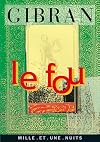
EL LOCO
Leer las historias que narra El Loco es como mantener una conversación con un amigo muy querido que nos invita a reflexionar y nos estimula con ideas nuevas e inspiradoras. Despojados de las mascaras que ocultan nuestros sentimientos y emociones, nos enfrentamos por primera vez a las grandezas y miserias de nuestra alma. Surge entonces en cada uno de nosotros un loco dispuesto a experimentar la libertad de vivir sin pretextos ni ocultaciones, y, sobre todo, sin la necesidad de que nos comprendan, porque cuando nos comprenden, encasillan y esclavizan algo de nosotros. Y es El Loco quien precisamente encarna ese despojamiento, quien pone al descubierto lo mas hondo y subjetivo de cada uno. Aparece para recordarnos que lo esencial show more habita cerca de nosotros y que podemos recorrer nuestro propio camino. Cada narración constituye un mensaje muy simple, directo y no exento de ironía, destinado a hacernos reflexionar y a descubrir nuevos horizontes
"Y encontré libertad y segurida en mi locura; la libertad de la soleda y la seguridad de estar a salvo de ser comprendido, pues quienes nos comprenden esclavizan algo en nosotros"
Khalil Gibran (1883–1931) autor, poeta y escritor Libanés. Es el tercer poeta mejor vendido de todos los tiempos, después de Shakespeare y Lao-Tzu. Sus mejores libros "El loco" y "El Profeta", han sido traducidos a más de 40 idiomas; este solía decir que traducir una obra, era trasladar la magia de las letras de un idioma, dejarlas libres, y capturarla de nuevo en las letras de otro idioma. show less
Leer las historias que narra El Loco es como mantener una conversación con un amigo muy querido que nos invita a reflexionar y nos estimula con ideas nuevas e inspiradoras. Despojados de las mascaras que ocultan nuestros sentimientos y emociones, nos enfrentamos por primera vez a las grandezas y miserias de nuestra alma. Surge entonces en cada uno de nosotros un loco dispuesto a experimentar la libertad de vivir sin pretextos ni ocultaciones, y, sobre todo, sin la necesidad de que nos comprendan, porque cuando nos comprenden, encasillan y esclavizan algo de nosotros. Y es El Loco quien precisamente encarna ese despojamiento, quien pone al descubierto lo mas hondo y subjetivo de cada uno. Aparece para recordarnos que lo esencial show more habita cerca de nosotros y que podemos recorrer nuestro propio camino. Cada narración constituye un mensaje muy simple, directo y no exento de ironía, destinado a hacernos reflexionar y a descubrir nuevos horizontes
"Y encontré libertad y segurida en mi locura; la libertad de la soleda y la seguridad de estar a salvo de ser comprendido, pues quienes nos comprenden esclavizan algo en nosotros"
Khalil Gibran (1883–1931) autor, poeta y escritor Libanés. Es el tercer poeta mejor vendido de todos los tiempos, después de Shakespeare y Lao-Tzu. Sus mejores libros "El loco" y "El Profeta", han sido traducidos a más de 40 idiomas; este solía decir que traducir una obra, era trasladar la magia de las letras de un idioma, dejarlas libres, y capturarla de nuevo en las letras de otro idioma. show less
Feb 8, 2018Spanish
Librería 1. Estante 6.
Jul 10, 2019Spanish
Ratings
Members
- Recently Added By
Lists

Books Read in 2020
4,379 works; 124 members
Author Information

747+ Works 29,466 Members
Khalil Gibran, also known as Kahlil Gibran, was born on January 6, 1883 in Northern Lebanon. As a result of his family's poverty, he received no formal education as a small child but had regular visits from the local priest who taught him about the Bible as well as the Syrian and Arabic languages. After his father was imprisoned for embezzlement show more and his family's property was confiscated by the authorities, his mother decided to emigrate to the United States in 1895. They settled in Boston's South End. He attended public school and art school, where he was introduced to the artist, photographer, and publisher Fred Holland Day. A publisher used some of Gibran's drawings for book covers in 1898. His family forced him to return to Lebanon to complete his education and learn the Arabic language. He enrolled in Madrasat-al-Hikmah, a Maronite-founded school, which offered a nationalistic curriculum partial to church writings, history and liturgy. He learned Arabic, French, and exceled in poetry. He returned to the United States in 1902. In 1904, he hosted his first art exhibit, which featured his allegorical and symbolic charcoal drawings. During this exhibition, he met Mary Elizabeth Haskell, who would go on to fund Gibran's artistic development for nearly his entire life. Not only was he an artist, but he also wrote poetry and other works including The Madman, The Prophet, and Sand and Foam. He died of cirrhosis of the liver and tuberculosis on April 10, 1931. (Bowker Author Biography) show less
Work Relationships
Is contained in
Has the adaptation
Common Knowledge
- Canonical title*
- Der Narr
- Original title
- The madman
- Original publication date
- 1946
- First words*
- Du fragst mich, wie ich zum Narren wurde?
- Last words*
- (Click to show. Warning: May contain spoilers.)O Gott der verlorenen Seelen, der du verloren bist unter allen Göttern, warum muss ich hier leben?
- Original language
- English
- Canonical DDC/MDS
- 818.9956923
*Some information comes from Common Knowledge in other languages. Click "Edit" for more information.
Classifications
- Genres
- Poetry, Fiction and Literature
- DDC/MDS
- 818.9956923 — Literature & rhetoric American literature in English American miscellaneous writings in English --- American literature in English outside the USA (English speaking authors) Asia Middle East Levent Lebanon Fiction
- LCC
- PS3513 .I25 .M3 — Language and Literature American literature American literature Individual authors 1900-1960
- BISAC
Statistics
- Members
- 594
- Popularity
- 49,458
- Reviews
- 6
- Rating
- (3.91)
- Languages
- 12 — Catalan, Dutch, English, Finnish, French, German, Italian, Norwegian (Bokmål), Farsi/Persian, Portuguese, Spanish, Turkish
- Media
- Paper, Audiobook, Ebook
- ISBNs
- 107
- UPCs
- 1
- ASINs
- 36