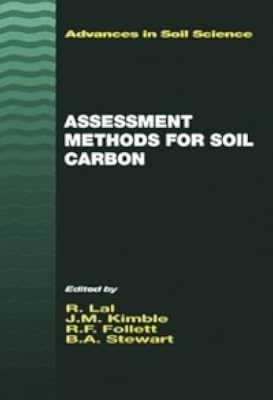
Assessment Methods for Soil Carbon
by Rattan Lal (Editor)
On This Page
Description
Since carbon sequestration in soils reduces the amount of carbon available to the atmosphere, the Kyoto Protocols have heightened interest in soil carbon pools and their effect on carbon fluxes. Assessment Methods for Soil Carbon addresses many of the questions related to the measurement, monitoring, and verification of organic and inorganic carbon in soils. The major topics covered are: carbon pools; soil sampling and preparation, analytical techniques for soil carbon; soil erosion and show more sedimentation; remote sensing, GIS and modeling; procedures for scaling carbon data from point and local measurements to regional and even national scales; and economic and policy issues. In Assessment Methods for Soil Carbon, leading researchers show that we now have the ability to measure, monitor, and verify changes to soil carbon. The book establishes the need for standardized methods that can be used by anyone, and helps us better understand the link between the pedosphere (soils) and the atmosphere. It also shows the importance of developing links between the economics of carbon sequestration and the amounts sequestered, and highlights the need for scientists and policy makers to interact to ensure that policies fit within the scope of present technologies. show lessMembers
- Recently Added By
Author Information
Series
Belongs to Publisher Series
Common Knowledge
- Canonical title
- Assessment Methods for Soil Carbon
Classifications
Statistics
- Members
- 1
- Popularity
- 8,832,677
- Languages
- English
- Media
- Paper
- ISBNs
- 1