On This Page
Description
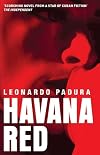
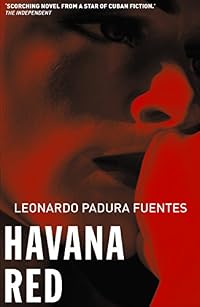
A young transvestite found strangled in a Havana park. The stifling death of a beloved Cuba.Tags
Recommendations

















Member Reviews
Red Havana- Crime Novel and The Start of a Quixotic Journey
Another fine installment in the Mario Conde series. Cuba,Summer, 1989... the body of a transvestite is found in the Havana Woods...
This is so much more than a crime novel. In the author's note at the beginning of the book, Padura states that "Mario Conde is a metaphor, not a policeman, and his life, quite simply unfolds in the possible space that is literature." vii
Although slightly dated in the attitudes toward LGBTQ people, it is in the end, a novel in which the character grows to understand and accept this community, eventually taking inspiration in their struggle for freedom of expression. It also expresses the need for self-acceptance in the instances when all your family show more and community misunderstand and even reject you.
In this book, as in his others, the crime story is merely the story on the surface, you could say the "McGuffin". The deeper story is that of overcoming obstacles and repression...which inspires Conde to begin writing again.
Suring the investigaton, Conde (aka "the Count")meets Marquess, who had been removed from his theatre company for his sexual identity and "subversive" productions never gives up writing.
"They wouldn't allow me to publish or direct, but no one could prevent me writing and thinking....those pages contained what was invincible." p. 225-226
Conde recalls his early attempts at writing in highschool. He sadly gave up his dream after the principal declared that the one and only edition of his highschool newspaper was "subversive".
It is an enjoyable read with a strong sense of time and place, as well as the motifs of regret and longing for the past, and disillusionment with the present, shown through his obsession with baseball, rock music (especially CCRB), Hemingway, Salinger, Sartre, and rum. And a strong dose of allusions to classic LITERATURE such as "Paradise Lost", "The Divine Comedy",Don Quixote, Oedipus Rex, Greek myths, and Electra Garrigo'. There are also many allusions to the Bible, especially The Transfiguration, as well as Catholic tradition.
The message here: writers need to be well- read!
Padura is an excellent writer, and the translation is well-done (except for an over usage of "reckon").
This passage is, for me, simply put, a "wow!"
"The worst thing was this sense of the void. As the alarm clock rang, it drilled into the Count's brain a quarter to seven, and his eyelids struggled against lethergy and the recent burden of beer, a quarter to seven, the void started to reclaim its space like an oil slick suddenly released and spreading over the sea of consciousness; but it was a colourless slick, because it was void and nothingness, the end which recommenced, day after day, with an unstinted cpapcity for self-renewal against which he lacked any defences or valid argument: a quarter to seven was all that was tangible in the depts of that void.
Recently he's started to imagine deathmight be somewhat similar: wakingto an absensce of atmosphere , onorous yet painless, stripped of expectioation and surprises because it was only this: a bottomless, empty void, a dark, padded cloud cushoning him definitively. " p. 15
Pretty heavy for a crime novel! Mario Conde is often asked by his coworkers and friends "Why did you become a policeman?" In this novel, he begins to realize the importance of being true to himself. The book closes with this passage (no spoilers):
"Was it possible to retrace steps and right wrondoings, mistakes, errors? Impossible, Conde, though you can still be invincible..." p. 233.
This is an inpirational message for all of us. show less
Another fine installment in the Mario Conde series. Cuba,Summer, 1989... the body of a transvestite is found in the Havana Woods...
This is so much more than a crime novel. In the author's note at the beginning of the book, Padura states that "Mario Conde is a metaphor, not a policeman, and his life, quite simply unfolds in the possible space that is literature." vii
Although slightly dated in the attitudes toward LGBTQ people, it is in the end, a novel in which the character grows to understand and accept this community, eventually taking inspiration in their struggle for freedom of expression. It also expresses the need for self-acceptance in the instances when all your family show more and community misunderstand and even reject you.
In this book, as in his others, the crime story is merely the story on the surface, you could say the "McGuffin". The deeper story is that of overcoming obstacles and repression...which inspires Conde to begin writing again.
Suring the investigaton, Conde (aka "the Count")meets Marquess, who had been removed from his theatre company for his sexual identity and "subversive" productions never gives up writing.
"They wouldn't allow me to publish or direct, but no one could prevent me writing and thinking....those pages contained what was invincible." p. 225-226
Conde recalls his early attempts at writing in highschool. He sadly gave up his dream after the principal declared that the one and only edition of his highschool newspaper was "subversive".
It is an enjoyable read with a strong sense of time and place, as well as the motifs of regret and longing for the past, and disillusionment with the present, shown through his obsession with baseball, rock music (especially CCRB), Hemingway, Salinger, Sartre, and rum. And a strong dose of allusions to classic LITERATURE such as "Paradise Lost", "The Divine Comedy",Don Quixote, Oedipus Rex, Greek myths, and Electra Garrigo'. There are also many allusions to the Bible, especially The Transfiguration, as well as Catholic tradition.
The message here: writers need to be well- read!
Padura is an excellent writer, and the translation is well-done (except for an over usage of "reckon").
This passage is, for me, simply put, a "wow!"
"The worst thing was this sense of the void. As the alarm clock rang, it drilled into the Count's brain a quarter to seven, and his eyelids struggled against lethergy and the recent burden of beer, a quarter to seven, the void started to reclaim its space like an oil slick suddenly released and spreading over the sea of consciousness; but it was a colourless slick, because it was void and nothingness, the end which recommenced, day after day, with an unstinted cpapcity for self-renewal against which he lacked any defences or valid argument: a quarter to seven was all that was tangible in the depts of that void.
Recently he's started to imagine deathmight be somewhat similar: wakingto an absensce of atmosphere , onorous yet painless, stripped of expectioation and surprises because it was only this: a bottomless, empty void, a dark, padded cloud cushoning him definitively. " p. 15
Pretty heavy for a crime novel! Mario Conde is often asked by his coworkers and friends "Why did you become a policeman?" In this novel, he begins to realize the importance of being true to himself. The book closes with this passage (no spoilers):
"Was it possible to retrace steps and right wrondoings, mistakes, errors? Impossible, Conde, though you can still be invincible..." p. 233.
This is an inpirational message for all of us. show less
A murder mystery set in Havana by a Cuban author, Havana Red was first published in Spanish under the name Mascaras (Masks). The story goes beyond crime fiction, delving into the murky world of homosexuals and their persecution by the Cuban government. Mario Conde, "The Count", is a lapsed writer and police detective investigating the murder of a transvestite. During the investigation we meet persecuted artists, corrupt police and government officials, and people living with coffee and food shortages and trying to make a living without being caught by the government. The lyrical and philosphical prose carries the story throughout. When Conde does pick up his typewriter again the ribbon is "half covered in rot and good intentions."
Not good or bad, but it definitely has the feel of a Latin American story (if I could say what that is, I would, but it's a general sense more than something I can define).
This is the story of detective Mario Conde, as he struggles in the Cuban heat, to discover the killer of a young male transvestite.
This is the story of detective Mario Conde, as he struggles in the Cuban heat, to discover the killer of a young male transvestite.
DNF. Did not finish.
When I read a book the music of the language is as important to me as the words themselves (sort of like me. In this book and in Hanvana Black, I found the translation painful thus never got to the story. I felt like I was deciphering every sentence to figure out its meaning, and it seemed to me very rocky, awkward and difficult to follow, so I gave up. It hurt to read.
Sorry, Leonardo Padura, I suspect the original is pretty darn good.
When I read a book the music of the language is as important to me as the words themselves (sort of like me. In this book and in Hanvana Black, I found the translation painful thus never got to the story. I felt like I was deciphering every sentence to figure out its meaning, and it seemed to me very rocky, awkward and difficult to follow, so I gave up. It hurt to read.
Sorry, Leonardo Padura, I suspect the original is pretty darn good.
En la tupida arboleda del Bosque de La Habana aparece un 6 de agosto, el día en que la Iglesia celebra la transfiguración de Jesús, el cuerpo de un travestí con el lazo de seda roja de la muerte aún al cuello. Para mayor zozobra del Conde, aquella mujer «sin los beneficios de la naturaleza», vestida de rojo, resulta ser Alexis Arayán, hijo de un respetado diplomático del régimen cubano. La investigación se inicia con la visita del Conde al impresionante personaje del Marqués, hombre de letras y de teatro, homosexual desterrado en su propia tierra en una casona desvencijada, especie de excéntrico santo y brujo a la vez, culto, inteligente, astuto y dotado de la más refinada ironía. Poco a poco, el Conde va adentrándose en show more el mundo hosco en el que le introduce ladinamente el Marqués, poblado de seres que parecen todos portadores de la verdad de Alexis Arayán... Pero ¿dónde, en semejante laberinto, encontrará el Conde su verdad? show less
Dec 18, 2022Spanish
Un travesti aparece estrangulado en el Bosque de La Habana y al teniente Mario Conde, que estaba suspendido, lo rescatan para que resuelva el caso. El policía se mete, con todas sus prevenciones, en el mundo de la homosexualidad, pero a lo largo de su investigación descubrirá también abusos de poder y corrupción. Y, sobre todo, cosas que se mueven en su interior. Entabla relación con un autor teatral ahora marginado pero antaño muy afamado, por supuesto también maricón (el personaje lo dice expresamente y además hace continuo alarde) que no solo le ayuda a resolver el caso sino que le hace plantearse si lo que a Conde le gusta es de verdad ser policía o escritor. Además, vemos a los amigos de Conde, incluso a su jefe y su show more compañero, cada uno con su historia detrás, que hacen que el protagonista se plantee muchas cosas. Yo creo que esto es lo que me gusta de esta novela, que, sin dejar de ser una investigación policial, lo importante pasa dentro del protagonista y está contado con el equilibrio justo entre lo explícito y lo apenas sugerido.
Otro dato en esta novela es la intertextualidad. Padura dice, en una nota previa, que ha utilizado textos de varios autores, a los que cita, sin "entrecomillarlos". Los editores, por su parte, nos señalan la gran mayoría de estos préstamos, casi todos de la literatura cubana, pero quizá se exceden en la longitud de las notas. Estas, las notas, a veces entorpecen la lectura y resultan innecesarias, más propias de un artículo académico que de una edición de una obra ajena. Pero, con todo, resultan útiles.
Y, en fin, la simbología general de la novela, que desde el travestismo pasa al teatro, desde la realidad a lo imaginado y desde las apariencias al trasfondo en un juego constante que a veces se hace algo evanescente para mis pobres entendederas pero que ponen esta novela un grado por encima de las simples novelas policíacas. De hecho, Mario Conde escribe un cuento, que se incluye, y sabemos que en las próximas entregas de la serie, acabará abandonando la policía y dedicándose a la escritura. show less
Otro dato en esta novela es la intertextualidad. Padura dice, en una nota previa, que ha utilizado textos de varios autores, a los que cita, sin "entrecomillarlos". Los editores, por su parte, nos señalan la gran mayoría de estos préstamos, casi todos de la literatura cubana, pero quizá se exceden en la longitud de las notas. Estas, las notas, a veces entorpecen la lectura y resultan innecesarias, más propias de un artículo académico que de una edición de una obra ajena. Pero, con todo, resultan útiles.
Y, en fin, la simbología general de la novela, que desde el travestismo pasa al teatro, desde la realidad a lo imaginado y desde las apariencias al trasfondo en un juego constante que a veces se hace algo evanescente para mis pobres entendederas pero que ponen esta novela un grado por encima de las simples novelas policíacas. De hecho, Mario Conde escribe un cuento, que se incluye, y sabemos que en las próximas entregas de la serie, acabará abandonando la policía y dedicándose a la escritura. show less
Jun 24, 2023Spanish
En la tupida arboleda del Bosque de La Habana aparece un 6 de agosto, día en que la Iglesia celebra la transfiguración de Jesús, el cuerpo de un travesti con el lazo de seda roja de la muerte aún al cuello. Para mayor zozobra del Conde, aquella mujer «sin los beneficios de la naturaleza», vestida de rojo, resulta ser Alexis Arayán, hijo de un respetado diplomático del régimen cubano. La investigación se inicia con la visita del Conde al impresionante personaje del Marqués, hombre de letras y de teatro, homosexual desterrado en su propia tierra en una casona desvencijada, especie de excéntrico santo y brujo a la vez, culto, inteligente, astuto y dotado de la más refinada ironía. Poco a poco, el Conde va adentrándose en el show more mundo hosco en el que le introduce ladinamente el Marqués, poblado de seres que parecen todos portadores de la verdad de Alexis Arayán… ¿Pero dónde, en semejante laberinto, encontrará el Conde su verdad? show less
Feb 21, 2016 (Edited)Spanish
Members
- Recently Added By
Author Information

54+ Works 3,627 Members
Awards and Honors
Awards
Series


Belongs to Publisher Series
Work Relationships
Common Knowledge
- Canonical title
- Havana Red
- Original title
- Máscaras
- Original publication date
- 1997 (original Spanish) (original Spanish); 2005 (English translation) (English translation)
- People/Characters*
- Mario Conde
- Important places*
- Havana, Cuba
- Original language*
- Spanish
- Disambiguation notice
- Original title: Máscaras
*Some information comes from Common Knowledge in other languages. Click "Edit" for more information.
Classifications
- Genres
- Fiction and Literature, Mystery
- DDC/MDS
- 863.64 — Literature & rhetoric Spanish Literature Spanish fiction 20th Century 1945-2000
- LCC
- PQ7390 .P32 .M3813 — Language and Literature French, Italian, Spanish and Portuguese literatures Spanish literature Provincial, local, colonial, etc. Spanish America
- BISAC
Statistics
- Members
- 361
- Popularity
- 86,593
- Reviews
- 9
- Rating
- (3.52)
- Languages
- 8 — Danish, Dutch, English, French, German, Italian, Portuguese, Spanish
- Media
- Paper, Audiobook, Ebook
- ISBNs
- 30
- ASINs
- 9