
On This Page
Description
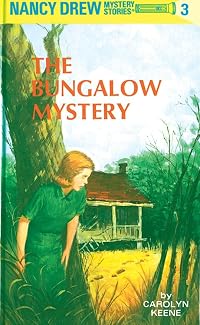
While trying to help a friend out of a difficulty, teenage detective Nancy Drew has a perilous experience in and around a deserted bungalow.Tags
Recommendations
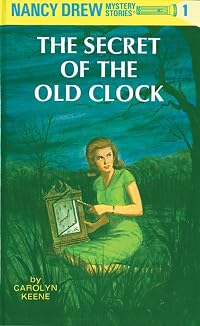
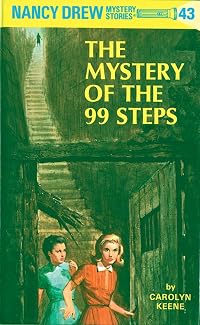
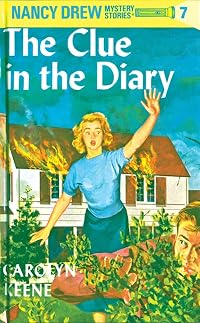
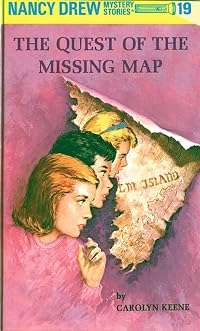
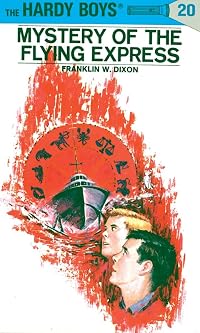
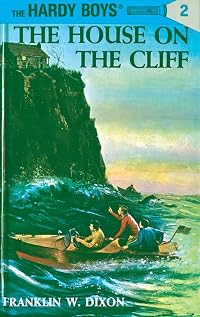

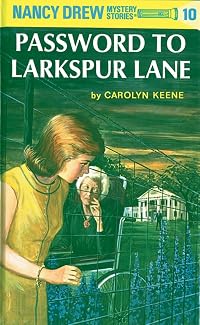
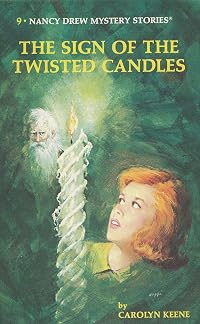
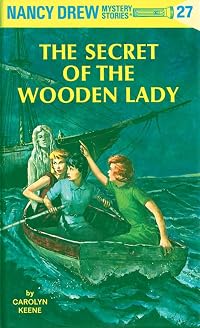

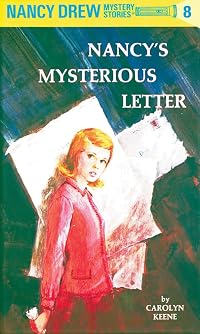
Member Reviews
4.25/5 I forgot how some books could start off with heart-pounding thrills. This one grabbed me from the 1st page, and I couldn't stop reading until it was finished. Gotta love Nancy, Miss-Jack-of-All-Trades: “She got out of the car, lifted the hood, and flashed her light inside. She had taken a course in automobile mechanics and knew the possible sources of trouble.“ Of course she did. #wonderwomannancy Can't wait for the next one!
A hallmark of detective fiction, Nancy Drew is a enduring and well known literary figure. From the original books, to remakes, spinoffs and television and movie adaptations, Nancy Drew is synonymous with amateur sleuth.
The Bungalow Mystery was published on April 28, 1930, comprises of twenty five chapters and was written by Mildred Wirt Benson under the pseudonym Carolyn Keene. The following review is for the 1930's edition of the text.
Nancy and her friend, Helen Corning are enjoying a boat ride on Moon Lake when they find an upcoming storm a lot closer than expected. Desperately keeping afloat when the boat capsizes, Nancy and Helen are relieved when help arrives in the form of Laura Pendleton.
Becoming fast friends with Laura, Nancy show more quickly learns that her new friend is worried about meeting her new guardian, Jacob Aborn. Upon meeting him herself, Nancy is suspicious of his intentions towards his ward and intends to keep any eye on the situation.
It's hard not to like Nancy. She's spunky, kind and enthusiastic. She might be scared, frightened or surprised - but she'd never let that stop her from solving a case - or saving a friend. I like how friendly she is too. Obviously, her friendship with Helen is great, but I like that she's always welcoming and kind to everyone she meets. (Well those that she likes anyway.) Her genuine warmth towards Laura was just nice. She recognised she was shy and lonely and sought to bring her out of her shell. I was glad to see Carson Drew make his appearance as well. I love his relationship with Nancy - they're both so proud of each other and it's cool.
As for the crime, it was a fun read. There wasn't really much to solve as such, but I enjoyed how it was all laid out and resolved. I liked how brazen Nancy is and her thoughts when she is breaking and entering. It's just hilarious that for every crime Nancy is attempting to solve, she's committing one. I love it. I was awed by her daring, but I find most relatable are her fears and worries and her thoughts when she is about to do something brave - or foolhardy. I was kind of outraged by Jacob Stumpy! knowing to follow her because he heard her car engine. I mean it made sense but damn. It sucked.
I loved the ending - high speed car chase! I'm amused by how many car chases there are in these books. Always a car chase and a bit of a shoot out, it's hilarious. Plus this time it was Carson Drew in the shoot out and it was badass. I love Nancy's blue roadster and the reverence given to her driving. I feel like these books really promote girl power and a can do attitude and I rate it. Of course, as a product of its time, these books aren't always inline with modern sensibilities - but I think this one holds up fairly well without too many mishaps.
A daring adventurous read with a blue roadster, a plucky detective and up to no good guardian. 3.5 stars, rounded to 4 stars. show less
The Bungalow Mystery was published on April 28, 1930, comprises of twenty five chapters and was written by Mildred Wirt Benson under the pseudonym Carolyn Keene. The following review is for the 1930's edition of the text.
Nancy and her friend, Helen Corning are enjoying a boat ride on Moon Lake when they find an upcoming storm a lot closer than expected. Desperately keeping afloat when the boat capsizes, Nancy and Helen are relieved when help arrives in the form of Laura Pendleton.
Becoming fast friends with Laura, Nancy show more quickly learns that her new friend is worried about meeting her new guardian, Jacob Aborn. Upon meeting him herself, Nancy is suspicious of his intentions towards his ward and intends to keep any eye on the situation.
It's hard not to like Nancy. She's spunky, kind and enthusiastic. She might be scared, frightened or surprised - but she'd never let that stop her from solving a case - or saving a friend. I like how friendly she is too. Obviously, her friendship with Helen is great, but I like that she's always welcoming and kind to everyone she meets. (Well those that she likes anyway.) Her genuine warmth towards Laura was just nice. She recognised she was shy and lonely and sought to bring her out of her shell. I was glad to see Carson Drew make his appearance as well. I love his relationship with Nancy - they're both so proud of each other and it's cool.
As for the crime, it was a fun read. There wasn't really much to solve as such, but I enjoyed how it was all laid out and resolved. I liked how brazen Nancy is and her thoughts when she is breaking and entering. It's just hilarious that for every crime Nancy is attempting to solve, she's committing one. I love it. I was awed by her daring, but I find most relatable are her fears and worries and her thoughts when she is about to do something brave - or foolhardy. I was kind of outraged by Jacob
I loved the ending -
A daring adventurous read with a blue roadster, a plucky detective and up to no good guardian. 3.5 stars, rounded to 4 stars. show less
In my quest to read (re-read) all of the Nancy Drew mysteries this year, I have just completed The Bungalow Mystery. I remember reading this one when I was a kid. Once again, it boggles my mind how dependent I've become on my cell phone. Every time Nancy goes off to investigate or sleuth as she calls it, I keep thinking - use your cell phone. Her car breaks down, today she'd be whipping out the cell phone and calling Triple A or using her GPS. Because Nancy doesn't have these modern day devices, it heightens the suspense. I have to chuckle at the language. I teach college English and Communications and wonder if any of my students have ever used "bade" or sleuth for that matter. Considering these are young adult novels, the language is show more above what most kids read today.
Once again "Carolyn Keene" uses a lot of description of food, clothes and is light on descriptions of other things. It is apparent that these books were meant to appeal to young ladies who were going to grow up to be housewives and cook beautiful meals for their husbands and they'd do it all in high heels shoes while wearing pearls.
The story is good and keeps me reading. I won't go into detail about the story line; I'll just say that once again Nancy stumbles upon someone needing help and comes to the rescue. This is the second book where Nancy rescues an orphan. show less
Once again "Carolyn Keene" uses a lot of description of food, clothes and is light on descriptions of other things. It is apparent that these books were meant to appeal to young ladies who were going to grow up to be housewives and cook beautiful meals for their husbands and they'd do it all in high heels shoes while wearing pearls.
The story is good and keeps me reading. I won't go into detail about the story line; I'll just say that once again Nancy stumbles upon someone needing help and comes to the rescue. This is the second book where Nancy rescues an orphan. show less
In between wardrobe changes Nancy gets involved with embezzlers, kidnappers, and an unhappy heiress, suffers a concussion, almost drowns, and gets her first taste of bondage. Spoiler Alert: she solves the case.
Overall review for both the 1930 original story and the 1960 revision.
The third book in the series was perhaps the most exciting so far, with Nancy almost continually in peril and getting herself out of one scrape after another. As usual, the mystery depends heavily on coincidence and inconsistencies that don’t stand up to much scrutiny, but it gives Nancy plenty of opportunity to show off (modestly, of course) her smarts, her skills, and her courage.
There is a significant difference in storytelling style and characterization between the versions.
The 1930 plot and characters are kept simple and few. We are more often inside Nancy’s head as she’s working out the clues and coming to conclusions. There is a buildup of suspense, show more violence both actual and implied, and Nancy is far more impulsive and emotional – she gets spooked, is at times frightened, but bravely recovers and thinks things through. The 1960 version introduces many more characters, romance elements, and a far more complicated plot, but we don’t get to solve the mystery inside Nancy’s head. We are on the outside and she just tells us her conclusions along with the other characters. This Nancy is also brave, but she is almost always deliberate, cool, and collected; justifying her actions as staying within the letter of the law and as morally just
Original 1930 text: ★★★★★
Revised 1960 text: ★★☆☆☆
Averages out to a probably over-generous ★★★★☆
Full review with a chapter-by-chapter comparison of original and revised versions at Booklikes. show less
The third book in the series was perhaps the most exciting so far, with Nancy almost continually in peril and getting herself out of one scrape after another. As usual, the mystery depends heavily on coincidence and inconsistencies that don’t stand up to much scrutiny, but it gives Nancy plenty of opportunity to show off (modestly, of course) her smarts, her skills, and her courage.
There is a significant difference in storytelling style and characterization between the versions.
The 1930 plot and characters are kept simple and few. We are more often inside Nancy’s head as she’s working out the clues and coming to conclusions. There is a buildup of suspense, show more violence both actual and implied, and Nancy is far more impulsive and emotional – she gets spooked, is at times frightened, but bravely recovers and thinks things through. The 1960 version introduces many more characters, romance elements, and a far more complicated plot, but we don’t get to solve the mystery inside Nancy’s head. We are on the outside and she just tells us her conclusions along with the other characters. This Nancy is also brave, but she is almost always deliberate, cool, and collected; justifying her actions as staying within the letter of the law and as morally just
Original 1930 text: ★★★★★
Revised 1960 text: ★★☆☆☆
Averages out to a probably over-generous ★★★★☆
Full review with a chapter-by-chapter comparison of original and revised versions at Booklikes. show less
Overall review for both the 1930 original story and the 1960 revision.
The third book in the series was perhaps the most exciting so far, with Nancy almost continually in peril and getting herself out of one scrape after another. As usual, the mystery depends heavily on coincidence and inconsistencies that don’t stand up to much scrutiny, but it gives Nancy plenty of opportunity to show off (modestly, of course) her smarts, her skills, and her courage.
There is a significant difference in storytelling style and characterization between the versions.
The 1930 plot and characters are kept simple and few. We are more often inside Nancy’s head as she’s working out the clues and coming to conclusions. There is a buildup of suspense, show more violence both actual and implied, and Nancy is far more impulsive and emotional – she gets spooked, is at times frightened, but bravely recovers and thinks things through. The 1960 version introduces many more characters, romance elements, and a far more complicated plot, but we don’t get to solve the mystery inside Nancy’s head. We are on the outside and she just tells us her conclusions along with the other characters. This Nancy is also brave, but she is almost always deliberate, cool, and collected; justifying her actions as staying within the letter of the law and as morally just
Original 1930 text: ★★★★★
Revised 1960 text: ★★☆☆☆
Averages out to a probably over-generous ★★★★☆
Full review with a chapter-by-chapter comparison of original and revised versions at Booklikes. show less
The third book in the series was perhaps the most exciting so far, with Nancy almost continually in peril and getting herself out of one scrape after another. As usual, the mystery depends heavily on coincidence and inconsistencies that don’t stand up to much scrutiny, but it gives Nancy plenty of opportunity to show off (modestly, of course) her smarts, her skills, and her courage.
There is a significant difference in storytelling style and characterization between the versions.
The 1930 plot and characters are kept simple and few. We are more often inside Nancy’s head as she’s working out the clues and coming to conclusions. There is a buildup of suspense, show more violence both actual and implied, and Nancy is far more impulsive and emotional – she gets spooked, is at times frightened, but bravely recovers and thinks things through. The 1960 version introduces many more characters, romance elements, and a far more complicated plot, but we don’t get to solve the mystery inside Nancy’s head. We are on the outside and she just tells us her conclusions along with the other characters. This Nancy is also brave, but she is almost always deliberate, cool, and collected; justifying her actions as staying within the letter of the law and as morally just
Original 1930 text: ★★★★★
Revised 1960 text: ★★☆☆☆
Averages out to a probably over-generous ★★★★☆
Full review with a chapter-by-chapter comparison of original and revised versions at Booklikes. show less
Một điều nữa mình khá thích ở series này, đó là yếu tố romance cực kì ít, nếu không muốn nói là chẳng có ý chứ. Ở tập này có sự xuất hiện của một cậu bạn trai, nhưng không hề đi sâu vào romance nhé! Giống như nhân vật chính của chúng ta đã nói:
“Romance and detective work won’t mix tonight!”
Tập 3 ở đoạn cuối cũng đầy tình tiết, làm mình đứng ngồi không yên suốt á. Mặc dù vẫn biết là cuối cùng thế nào Nancy Drew cũng sẽ an toàn và giải quyết mọi việc thôi, nhưng cách kể chuyện cứ làm mình lo cho nhân vật :)))
“Romance and detective work won’t mix tonight!”
Tập 3 ở đoạn cuối cũng đầy tình tiết, làm mình đứng ngồi không yên suốt á. Mặc dù vẫn biết là cuối cùng thế nào Nancy Drew cũng sẽ an toàn và giải quyết mọi việc thôi, nhưng cách kể chuyện cứ làm mình lo cho nhân vật :)))
Members
- Recently Added By
Lists

Childhood Favorites
427 works; 24 members

Favorite Childhood Books
1,646 works; 513 members

Crime and Mysteries to Read
746 works; 31 members

Top 10 Nancy Drew Books
24 works; 3 members

In or About the 1930s
198 works; 27 members

Five star books
1,755 works; 107 members

1930s
262 works; 5 members

Books Read in 2019
4,052 works; 110 members

The Stratemeyer Syndicate
605 works; 1 member

Which house?
423 works; 16 members

1970s
657 works; 23 members
Children's Literature 1900 - 1950 in order
413 works; 8 members

Nancy Drew List
35 works; 1 member
Author Information

927+ Works 201,697 Members
Carolyn Keene was the pseudonym that Mildred Wirt Benson and Walter Karig used to write Nancy Drew books. The idea of Nancy Drew came from Edward Stratemeyer in 1929. He also had other series, that included the Hardy Boys, but he died in 1930 before the Nancy Drew series became famous. His daughters, Harriet and Edna, inherited his company and show more maintained Nancy Drew having Mildred Wirt Benson, the original Carolyn Keene, as the principal ghostwriter. During the Depression, they asked Benson to take a pay cut and she refused, which is when Karig wrote the books. Karig's Nancy Drew books were Nancy's Mysterious Letter, The Sign of the Twisted Candles, and Password to Larkspur Lane. He was fired from writing more books because of his refusal to honor the request that he keep his work as Carolyn Keene a secret. He allowed the Library of Congress to learn of his authorship and his name appeared on their catalog cards. Afterwards, they rehired Benson and she wrote until her last Nancy Drew book (#30) was written in 1953, Clue of the Velvet Mask. Harriet and Edna Stratemeyer also contributed to the Nancy Drew series. Edna wrote plot outlines for several of the early books and Harriet, who claimed to be the sole author, had actually outlined and edited nearly all the volumes written by Benson. The Stratemeyer Syndicate had begun to make its writers sign contracts that prohibited them from claiming any credit for their works, but Benson never denied her writing books for the series. After Harriet's death in 1982, Simon and Schuster became the owners of the Stratemeyer Syndicate properties and in 1994, publicly recognized Benson for her work at a Nancy Drew conference at her alma mater, the University of Iowa. Now, Nancy Drew has several ghostwriters and artists that have contributed to her more recent incarnations. (Bowker Author Biography) show less
Some Editions
Awards and Honors
Notable Lists
Series

Belongs to Publisher Series
B. Wahlströms ungdomsböcker (0745-46)
B. Wahlströms flickböcker (745-46)
Work Relationships
Is contained in
Nancy Drew: The Secret of the Old Clock / The Hidden Staircase / The Bungalow Mystery / The Mystery at Lilac Inn / The Secret of Shadow Ranch / The Secret of Red Gate Farm by Carolyn Keene
Nancy Drew: The Secret of the Old Clock / The Hidden Staircase / The Bungalow Mystery by Carolyn Keene
Nancy Drew: The Secret of the Old Clock / The Bungalow Mystery / The Mystery of the 99 Steps by Carolyn Keene
Nancy Drew: The Secret of the Old Clock / The Hidden Staircase / The Bungalow Mystery / The Mystery at Lilac Inn / The Secret of Shadow Ranch by Carolyn Keene
Nancy Drew: The Secret of the Old Clock / The Hidden Staircase / The Bungalow Mystery / The Ghost of Blackwood Hall / The Mystery of the 99 Steps / The Thirteenth Pearl by Carolyn Keene
Nancy Drew: The Secret of the Old Clock / The Hidden Staircase / The Bungalow Mystery / The Mystery at Lilac Inn by Carolyn Keene
Is an abridged version of
Common Knowledge
- Canonical title
- The Bungalow Mystery
- Original publication date
- 1930-04-28; 1960-12-01 (revised edition) (revised edition)
- People/Characters
- Nancy Drew; Helen Corning; Hannah Gruen; Carson Drew; Laura Pendleton; Stumpy Dowd (show all 11); Alma Dowd; Jacob Aborn; Marian Aborn; Jim Donnell; Cathy Donnell
- Important places
- River Heights, USA (3); Twin Lakes; Melrose Lake
- First words
- [1959 & 1988edition] “Look at those black storm clouds!” Nancy Drew pointed out to her friend, Helen Corning, who was seated beside her in the bow of the small red motorboat.
- Last words
- (Click to show. Warning: May contain spoilers.)Seeing tears in Laura's eyes, Nancy added quickly with a grin, "Even if we had to be shipwrecked to get an introduction!"
- Original language
- English
Classifications
Statistics
- Members
- 5,114
- Popularity
- 2,691
- Reviews
- 29
- Rating
- (3.75)
- Languages
- English, Finnish, French, Swedish
- Media
- Paper, Audiobook, Ebook
- ISBNs
- 33
- UPCs
- 1
- ASINs
- 57