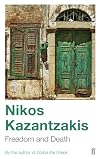
Freedom or Death
by Níkos Kazantzákis
On This Page
Description
Freedom and Death is Kazantzakis's modern Iliad. The context is Crete in the late nineteenth century, the epic struggle between Greeks and Turks, between Christianity and Islam. A new uprising takes place to rival those of 1854, 1866 and 1878, and the island is thrown into confusion yet again. In the village of Megalokastro a Cretan resistance fighter, Captain Michales, is matched by the Turkish bey, his blood-brother. The life of the local community continues shakily, but is disrupted by show more explosions of violence. show lessTags
Recommendations












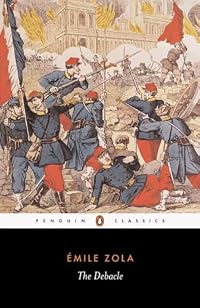


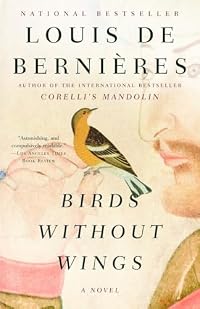
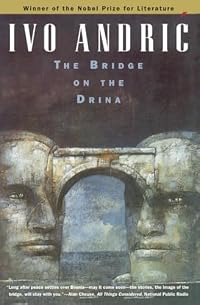
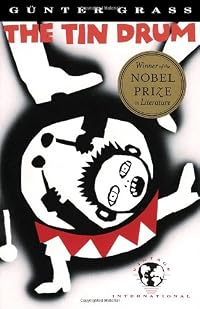











Member Reviews
Turgid and filled with deeply unappealing characters. There were brief moments of quite compelling drama largely focused around the detailed depiction of violence and explosive hatred between the various male characters, who nonetheless remained of almost no interest (to me at least) whatsoever. Big on misogyny cruelty and self loathing, not really offering much else.
The nineteenth-century rebellion of Cretan Christians against their Turkish oppressors causes two blood brothers to become enemies
Great book from a great writer about the Greek-Turk conflict.
The story of the 1889 revolt by the suppressed people of Crete against their Turkish oppressors, told by a Cretan who lauded their bravery and celebrated the fierceness with which they lived their life: to the full, with directness and passion. The Cretans proclaimed ‘Freedom or Death!’, and indeed go proudly to their death in the face of overwhelming odds. It’s a very masculine novel, and one that’s great to read while travelling in Crete.
Quotes:
On Crete, and the differences between the cities (all of which are beautiful):
“…she herself was from Rethymno and proud of it. Kanea for weapons, Rethymno for books, Megalokastro for mugs. Scarcely were the Kastrians done with their work in the evening when they were all lolling in show more the taverns and swilling away, chewing dried fish and gobbets off the spit, and reeking of wine, ouzo and meat – How unlike the Rethymniots with their slow, dignified gait, deep bows and lordly ceremony!”
And this one:
“We are not leaving. Here we shall die as a sacrifice for Crete. Let her speak. We who are dying are doing better than they who will live. For Crete doesn’t need householders, she needs madmen like us. Such madmen make Crete immortal.”
On fighting:
“’Freedom or death! O poor Cretans! ‘Freedom and death’ – that’s what I should have written on my banner. That’s the true banner of every fighter: Freedom and death! Freedom and death!’”
On God:
“And sorrow over her three tormented, Turk-oppressed towns with their Venetian walls and their Turkified churches: Kanea, Rethymno and Megalokastro.
God too, higher than an eagle, must have the same view – if He had not forgotten Crete, generations and generations ago, and delivered her, soul and all, into the hands of the Turks.
No, without the soul. For the Cretans resisted, boiled with rage and refused to place their seal under God’s seal. It was injustice! They raised their heads to Heaven and shouted ‘Injustice!’ and bestirred themselves like good Christians to put right this intolerable divine injustice. God too is a fighter, they reflected. He must be waging war somewhere else, on some other star, against other Turks. We will call him till He hears us.”
On insomnia:
“Heavy night, full of sultry spring air. Shortly before midnight the crisp breeze from the north had dropped, and now a warm, damp wind too its place …. [and] fell upon the women like a man and upon the men like a woman, allowing them no sleep. Malignant April came to Crete like a thief in the night.”
On life, and stoicism:
“We live haphazardly, we die haphazardly, rudderless, with sails bellying. A wind blows. Where it blows, there we go. Water rushes into our ship, we work at the pumps day and night. But the water keeps rising and the pumps are rusty. The wretched things won’t work any more, and we go to the bottom. That’s human life, and you can yell as loud as you like. What’s our duty? To serve the pumps day and night, not to fold our arms, not to complain, not to moan.”
On old age:
“It’s really a shame that youth in human beings doesn’t last a thousand years! Is God perhaps afraid that we’ll take His throne away from Him? Is that why he craftily dismantles us, piece by piece? He pulls out our teeth, screws our knees up stiff, wears out our kidneys, dims our eyes and dribbles slime and spittle out of our noses and mouths … Death doesn’t worry me – by my soul, it doesn’t worry me. There’s something to be said for getting it over once and for all. But I can’t do with this way of turning gradually into a caricature…”
On passion, yeah:
“He folded her in his arms. He felt her firm bosom, and his senses reeled. The world could come to grief, if only this thrilling body might never leave his arms. The woman closed her eyes, raised herself gently on her toes and reached his mouth. His knees gave way.”
On the prime of life:
“A few years back I was a clown and understood nothing. How was I to understand what women and wine and war meant? A few years more and I shall have shot my bolt. How will I still enjoy the world with no teeth or digestion?”
On religion:
“But the pasha stretched out his hand. ‘The Koran says whatever its reader has in mind,’ he said with a yawn. ‘You want a slaughter? you open the Koran and find a justification. If Selim Aga opens it, he’ll find another word – peace – and that too comes from God. Both are from God, so be quiet!’”
On transience:
“’How often,’ he said, brushing the darkly luminous foliage with this withered arms, ‘this plane tree has sheltered doughty captains in its shade. Whoever saw them thought they must be immortal. And yet they too died. Who would have believed it? They have turned into the soil of Crete, and we tread on it.’”
On women:
“’What’s a Turk, a Christian, or a Jew, Maria?’ she asked her old nurse. ‘There are only two kinds of men – old or young, white beards or black beards. I like the black ones.’
…
Ermine laughed, and felt eager for him. She half closed her long-lashed eyes and smiled contentedly. I’ll do as I want, she thought. If I want, I’ll fetch him into my bed. If I want, I’ll leave him in the street, to wander about like a dog. Am I not a woman? I’ll do as I want.”
And:
“Nuri Bey had completely vanished from her mind and body, as if he had never lived, as if he had not been as superb as a lion, as if he had never embraced her. Her flesh was like the sea. A ship would glide over it and scratch if for a moment. Then it would draw together again, untouched as a maiden.”
And:
“It was here that he had seen the first girl he had loved, in a golden evening cloud, holding a yellow rose and sprigs of jasmine in her hand. The world had smelled of musk. It was a summer evening, and the unmarried girls in red, green, and blue dresses walked up and down, with firm breasts and quick steps. Their hair hung down, ribbons fluttered behind them, and they made secret signs. They were like corvettes flying all their flags and setting out to sea to conquer the world. Pale and shy, the lads trotted behind them. They pretended to tease and make fun of the girls, but their hearts were trembling.”
On worrying:
“For the moment you are ensnared by small things, which feast on the souls of men. The soul is a lioness, worries are her lice. But you will shake them off!”
On the younger generation:
“’Those were men,’ Captain Michales snarled, frowning. ‘Those were giants, not worms like us! So were their womenfolk. Yes, even wilder. Ah, time, time! Mankind’s going downhill, going to the devil!’” show less
Quotes:
On Crete, and the differences between the cities (all of which are beautiful):
“…she herself was from Rethymno and proud of it. Kanea for weapons, Rethymno for books, Megalokastro for mugs. Scarcely were the Kastrians done with their work in the evening when they were all lolling in show more the taverns and swilling away, chewing dried fish and gobbets off the spit, and reeking of wine, ouzo and meat – How unlike the Rethymniots with their slow, dignified gait, deep bows and lordly ceremony!”
And this one:
“We are not leaving. Here we shall die as a sacrifice for Crete. Let her speak. We who are dying are doing better than they who will live. For Crete doesn’t need householders, she needs madmen like us. Such madmen make Crete immortal.”
On fighting:
“’Freedom or death! O poor Cretans! ‘Freedom and death’ – that’s what I should have written on my banner. That’s the true banner of every fighter: Freedom and death! Freedom and death!’”
On God:
“And sorrow over her three tormented, Turk-oppressed towns with their Venetian walls and their Turkified churches: Kanea, Rethymno and Megalokastro.
God too, higher than an eagle, must have the same view – if He had not forgotten Crete, generations and generations ago, and delivered her, soul and all, into the hands of the Turks.
No, without the soul. For the Cretans resisted, boiled with rage and refused to place their seal under God’s seal. It was injustice! They raised their heads to Heaven and shouted ‘Injustice!’ and bestirred themselves like good Christians to put right this intolerable divine injustice. God too is a fighter, they reflected. He must be waging war somewhere else, on some other star, against other Turks. We will call him till He hears us.”
On insomnia:
“Heavy night, full of sultry spring air. Shortly before midnight the crisp breeze from the north had dropped, and now a warm, damp wind too its place …. [and] fell upon the women like a man and upon the men like a woman, allowing them no sleep. Malignant April came to Crete like a thief in the night.”
On life, and stoicism:
“We live haphazardly, we die haphazardly, rudderless, with sails bellying. A wind blows. Where it blows, there we go. Water rushes into our ship, we work at the pumps day and night. But the water keeps rising and the pumps are rusty. The wretched things won’t work any more, and we go to the bottom. That’s human life, and you can yell as loud as you like. What’s our duty? To serve the pumps day and night, not to fold our arms, not to complain, not to moan.”
On old age:
“It’s really a shame that youth in human beings doesn’t last a thousand years! Is God perhaps afraid that we’ll take His throne away from Him? Is that why he craftily dismantles us, piece by piece? He pulls out our teeth, screws our knees up stiff, wears out our kidneys, dims our eyes and dribbles slime and spittle out of our noses and mouths … Death doesn’t worry me – by my soul, it doesn’t worry me. There’s something to be said for getting it over once and for all. But I can’t do with this way of turning gradually into a caricature…”
On passion, yeah:
“He folded her in his arms. He felt her firm bosom, and his senses reeled. The world could come to grief, if only this thrilling body might never leave his arms. The woman closed her eyes, raised herself gently on her toes and reached his mouth. His knees gave way.”
On the prime of life:
“A few years back I was a clown and understood nothing. How was I to understand what women and wine and war meant? A few years more and I shall have shot my bolt. How will I still enjoy the world with no teeth or digestion?”
On religion:
“But the pasha stretched out his hand. ‘The Koran says whatever its reader has in mind,’ he said with a yawn. ‘You want a slaughter? you open the Koran and find a justification. If Selim Aga opens it, he’ll find another word – peace – and that too comes from God. Both are from God, so be quiet!’”
On transience:
“’How often,’ he said, brushing the darkly luminous foliage with this withered arms, ‘this plane tree has sheltered doughty captains in its shade. Whoever saw them thought they must be immortal. And yet they too died. Who would have believed it? They have turned into the soil of Crete, and we tread on it.’”
On women:
“’What’s a Turk, a Christian, or a Jew, Maria?’ she asked her old nurse. ‘There are only two kinds of men – old or young, white beards or black beards. I like the black ones.’
…
Ermine laughed, and felt eager for him. She half closed her long-lashed eyes and smiled contentedly. I’ll do as I want, she thought. If I want, I’ll fetch him into my bed. If I want, I’ll leave him in the street, to wander about like a dog. Am I not a woman? I’ll do as I want.”
And:
“Nuri Bey had completely vanished from her mind and body, as if he had never lived, as if he had not been as superb as a lion, as if he had never embraced her. Her flesh was like the sea. A ship would glide over it and scratch if for a moment. Then it would draw together again, untouched as a maiden.”
And:
“It was here that he had seen the first girl he had loved, in a golden evening cloud, holding a yellow rose and sprigs of jasmine in her hand. The world had smelled of musk. It was a summer evening, and the unmarried girls in red, green, and blue dresses walked up and down, with firm breasts and quick steps. Their hair hung down, ribbons fluttered behind them, and they made secret signs. They were like corvettes flying all their flags and setting out to sea to conquer the world. Pale and shy, the lads trotted behind them. They pretended to tease and make fun of the girls, but their hearts were trembling.”
On worrying:
“For the moment you are ensnared by small things, which feast on the souls of men. The soul is a lioness, worries are her lice. But you will shake them off!”
On the younger generation:
“’Those were men,’ Captain Michales snarled, frowning. ‘Those were giants, not worms like us! So were their womenfolk. Yes, even wilder. Ah, time, time! Mankind’s going downhill, going to the devil!’” show less
Δώρο από γιαγιά Ριρή, 1998
Während Griechenland im ersten Drittel des 19. Jahrhunderts seine Unabhängigkeit erlangte, verblieb Kreta Teil des osmanischen Reichs. Die Kreter haben diesen Umstand nie akzeptiert und revoltierten mehrmals gegen die türkischen Besatzer. Einen dieser Aufstände behandelt der griechische Nationalliterat Nikos Kazantzakis in seinem Roman "Freiheit oder Tod".
Kazantzakis Roman ist voll von nationalem Pathos. Seine antiquierte Sprache, die martialische Grundeinstellung und Opfebereitschaft seiner Hauptprotagonisten muten seltsam anachronistisch an, doch gelingt es dem Autor gerade deshalb, die Stimmung im Kreta des 19. Jahrhunderts glaubhaft einzufangen. Kazantzakis hat ein Stück Geschichte auf literarische eindrucksvolle Weise show more verarbeitet. Lesenswert ist sein Werk abseits der spannenden Rahmenhandlung auch aufgrund der Schilderungen des kretischen Landlebens, der (auf beiden Seiten) patriarchalischen Gesellschaft sowie der fragilen Koexistenz von Türken und Griechen im kretischen Mikrokosmos. show less
Kazantzakis Roman ist voll von nationalem Pathos. Seine antiquierte Sprache, die martialische Grundeinstellung und Opfebereitschaft seiner Hauptprotagonisten muten seltsam anachronistisch an, doch gelingt es dem Autor gerade deshalb, die Stimmung im Kreta des 19. Jahrhunderts glaubhaft einzufangen. Kazantzakis hat ein Stück Geschichte auf literarische eindrucksvolle Weise show more verarbeitet. Lesenswert ist sein Werk abseits der spannenden Rahmenhandlung auch aufgrund der Schilderungen des kretischen Landlebens, der (auf beiden Seiten) patriarchalischen Gesellschaft sowie der fragilen Koexistenz von Türken und Griechen im kretischen Mikrokosmos. show less
Dec 28, 2020German
Members
- Recently Added By
Lists

Tammen Keltainen kirjasto
81 works; 1 member

Schwob Nederland
207 works; 2 members

Greece - a reading list
82 works; 4 members

sotiris' favourites circa january 2023
43 works; 2 members
Author Information

132+ Works 12,297 Members
This distinguished novelist, poet, and translator was born in Crete and educated in Athens, Germany, Italy, and Paris, where he studied philosophy. He found time to write some 30 novels, plays, and books on philosophy, to serve his government, and to travel widely. He ran the Greek ministry of welfare from 1919 to 1921 and was minister of state show more briefly in 1945. A political activist, he spent his last years in France and died in Germany. Kazantzakis's character Zorba has been called "one of the great characters of modern fiction," in a novel that "reflects Greek exhilaration at its best" (TLS). A film version of 1965, starring Anthony Quinn, made Kazantzakis widely known in the West. Intensely religious, he imbued his novels with the passion of his own restless spirit, "torn between the active and the contemplative, between the sensual and the aesthetic, between nihilism and commitment" (Columbia Encyclopedia). Judas, the hero of The Last Temptation of Christ (1951) is asked by Christ to betray him so that he can fulfill his mission through the crucifixion. For this book Kazantzakis was excommunicated from the Greek Orthodox Church. The Fratricides, Kazantzakis's last novel, portrays yet another religious hero, a priest caught between Communists and Royalists in the Greek Civil War. (Bowker Author Biography) show less
Awards and Honors
Series
Belongs to Publisher Series
rororo (1861)
Common Knowledge
- Canonical title
- Freedom or Death
- Original title
- Ο καπετάν Μιχάλης
- Alternate titles
- Captain Michalis; Ελευθερία ή Θάνατος
- Original publication date
- 1953 (Greek) (Greek); 1950: Written; 1953: Published
- People/Characters
- Captain Michales; Nuri Bey; Eminé; Captain Polyxigis; Manusakas; Captain Séfakas (show all 7); Kostaros
- Important places
- Crete; Meghalo Kastro; Heraklion, Crete, Greece
- Important events
- Greco-Turkish War; Crete rebellion (1889); Greek War of Independence
- First words*
- Le capétan Michel grinça des dents, comme cela lui arrivait chaque fois qu'un accès de colère l'empoignait.
- Last words*
- (Click to show. Warning: May contain spoilers.)Le capétan Michel tomba à la renverse et sa cervelle se répandit sur les pierres.
- Original language
- Greek
*Some information comes from Common Knowledge in other languages. Click "Edit" for more information.
Classifications
- Genres
- General Fiction, Fiction and Literature, Historical Fiction
- DDC/MDS
- 889.332 — Literature & rhetoric Classical & modern Greek literatures Modern Greek literature Fiction 20th century 1941-1944
- LCC
- PZ3 .F — Language and Literature Fiction and juvenile belles lettres Fiction and juvenile belles lettres Fiction in English
- BISAC
Statistics
- Members
- 549
- Popularity
- 53,756
- Reviews
- 9
- Rating
- (3.95)
- Languages
- 14 — Dutch, English, Finnish, French, German, Greek, Norwegian (Bokmål), Norwegian, Farsi/Persian, Portuguese, Romanian, Russian, Serbian, Spanish
- Media
- Paper
- ISBNs
- 33
- ASINs
- 9