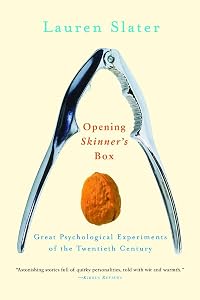
Opening Skinner's Box: Great Psychological Experiments of the Twentieth Century
by Lauren Slater
On This Page
Description
Beginning with B. F. Skinner and the legend of a child raised in a box, Lauren Slater takes us from a deep empathy with Stanley Milgram's obedience subjects to a funny and disturbing re-creation of an experiment questioning the validity of psychiatric diagnosis. Previously described only in academic journals and textbooks, these often daring experiments have never before been narrated as stories, chock-full of plot, wit, personality, and theme.Tags
Recommendations















Member Reviews
Here’s a little experiment to try out on yourself. Go to a part of the bookshop you never visit and choose a book on a subject you’d never usually consider. Last week I tried it out by accident and I stumbled on this little gem. Actually, I wandered into the psychology rows, looking for a book, Musicophilia by Dr. Oliver Sachs. I’d heard his podcast and the book sounded interesting. Having located it, it struck me as rather dry. I changed my mind, chastised myself for wandering in where I didn’t belong and then I stumbled on Lauren Slater. Her book, that is.
This is a little book describing ten advances in research psychology, but from a very human angle. She talks about the experimenters and their subjects (animal and human) and show more herself. The experiments were often controversial, using methods on the ethical frontier, and the conclusions disputed. Slater herself is often present in the narrative, evaluating her own reactions, drawing examples bravely and even recklessly from her own life, and experimenting with herself as guinea pig. She meets many of the protagonists and is blunt (and sometimes indiscreet) in her judgement and reporting on them. She is balanced and open-minded about the experiments, setting out the pros and cons and letting the reader decide.
I found the whole a delightful and easy read for an utter novice in the field and I’ll be roaming unfamiliar aisles in my bookshop in search of more surprises. show less
This is a little book describing ten advances in research psychology, but from a very human angle. She talks about the experimenters and their subjects (animal and human) and show more herself. The experiments were often controversial, using methods on the ethical frontier, and the conclusions disputed. Slater herself is often present in the narrative, evaluating her own reactions, drawing examples bravely and even recklessly from her own life, and experimenting with herself as guinea pig. She meets many of the protagonists and is blunt (and sometimes indiscreet) in her judgement and reporting on them. She is balanced and open-minded about the experiments, setting out the pros and cons and letting the reader decide.
I found the whole a delightful and easy read for an utter novice in the field and I’ll be roaming unfamiliar aisles in my bookshop in search of more surprises. show less
Pure poetry. Laura uses the structure of foundational experiments in social psychology to raise deep questions about medicine, free will, obedience, and the ethics of experiments that involve conscious beings.
I've reconsidered long held ideas because of this book. I cannot recommend it highly enough for people who are unfamiliar with how brains work but don't want to wade through the dry details.
If Mary Roach wrote about psychology, but actually had something to say, she might write this book.
I've reconsidered long held ideas because of this book. I cannot recommend it highly enough for people who are unfamiliar with how brains work but don't want to wade through the dry details.
If Mary Roach wrote about psychology, but actually had something to say, she might write this book.
I must have a different definition of "great."
As the title says, book is about psychological experimentation -- and some of the experiments, such as B. F. Skinner's, are genuinely great. But some... aren't. They don't lead anywhere. Except, it seems to me, in Lauren Slater's mind.
That's my real problem with this book. There seems to be a disconnect between Slater and the science. She often doesn't want it to be true, and so she makes it come out as if the science didn't work. And then she keeps on piling on text that isn't about the experimentation.
I know that some experiments are cruel. I know that some produce surprising things. But the way to get around that isn't to criticize the experiment. It's to either find another (testable) show more explanation for the results, or to find a way to disconfirm them.
Psychology and psychiatry have made great strides in the last century -- and they still have a long way to go. But, for the most part, these are not the experiments that made the strides (e.g. where is the discussion of the causes of psychosis, and the treatments that do and don't work to deal with it?), and the discussion does not tell us where we have failed. Slater has studied psychology -- but, as a person with training in the hard sciences, this book felt like pure touchy-feely-ness. show less
As the title says, book is about psychological experimentation -- and some of the experiments, such as B. F. Skinner's, are genuinely great. But some... aren't. They don't lead anywhere. Except, it seems to me, in Lauren Slater's mind.
That's my real problem with this book. There seems to be a disconnect between Slater and the science. She often doesn't want it to be true, and so she makes it come out as if the science didn't work. And then she keeps on piling on text that isn't about the experimentation.
I know that some experiments are cruel. I know that some produce surprising things. But the way to get around that isn't to criticize the experiment. It's to either find another (testable) show more explanation for the results, or to find a way to disconfirm them.
Psychology and psychiatry have made great strides in the last century -- and they still have a long way to go. But, for the most part, these are not the experiments that made the strides (e.g. where is the discussion of the causes of psychosis, and the treatments that do and don't work to deal with it?), and the discussion does not tell us where we have failed. Slater has studied psychology -- but, as a person with training in the hard sciences, this book felt like pure touchy-feely-ness. show less
Beautifully written book combining journalistic curiosity, psychological intelligence and a novelist's lyricism in telling the deeper stories behind some of the twentieth century's most incredible psychological experiments. From delving further into well-known studies, such as Milgram's obedience testing, to exploring lesser known but equally profound experiments, Slater opens our eyes to the ethics, the narratives, and the insights into humanity provided by these discoveries, and the amazing minds that drove them forward.
Many years ago, I wanted to be an educational psychologist. For various reasons, I didn't (and I'm now happy that I did what I did and became what I am), but it's experiments like this that drew me to the subject.
This describes great psychological experiments of the 20th century, told in a chatty, narrative style. Lots of fascinating food for thought, but the literary pretensions and irrelevant imaginings are an irritating distraction.
This describes great psychological experiments of the 20th century, told in a chatty, narrative style. Lots of fascinating food for thought, but the literary pretensions and irrelevant imaginings are an irritating distraction.
My uncle lent me this book to give me a brief bit of background in the field of psychology and I didn't expect to enjoy the prose quite so much. Slater's choice of structure is excellent, interweaving the narrative of the scientists with their story and her explanations of concepts are lucid. The only instances, mostly in the first couple essays, that were overwrought and her over amplification of herself in these pieces weakens them as it is not a consistent thread.
This was a quick read and I enjoyed it, but I wouldn't use it as my first reference source for information about any of the experiments described. The author has made some effort to interview the experimenters, subjects, or family members of participants in a set of well-known psychological experiments. Each chapter is a very subjective story of the experiment, and the impact it has had on our understanding of the human mind, and of the effect the experiment had on the author. While the author's emotional reaction to her research did make it easy to identify with the 'characters' in the story, this reads like a third hand memoir. I was also bothered by how people's religious beliefs were almost always identified, even when it had no show more bearing on the subject of the experiment.
So - an entertaining read, OK for getting an overview, might be good to hook someone looking at the subject for the first time, but I'd advise readers to also look at other sources. show less
So - an entertaining read, OK for getting an overview, might be good to hook someone looking at the subject for the first time, but I'd advise readers to also look at other sources. show less
Members
- Recently Added By
Published Reviews
Lauren Slater reproduce también en su libro el experimento que llevó a cabo David Rosenhan, mediante el que demostró que la psiquiatría tenía serios problemas para diferenciar a un loco de un cuerdo. A principios de los 70, este psicólogo y unos compañeros se presentaron en diferentes psiquiátricos pidiendo ayuda pues, según explicaron, oían una voz que decía zas. El resto de su show more comportamiento era completamente normal y no simularon desequilibrio ninguno. A pesar de que no existía ninguna enfermedad con tal síntoma, todos ellos fueron ingresados y permanecieron al menos un mes en los hospitales. Ninguno salió, según los médicos, curado. Para su estudio, Lauren Slater se presentó en varios hospitales anunciando los mismos síntomas que los miembros del equipo de Rosenhan. Oía una voz que le decía zas. En todos los casos le diagnosticaron depresión con características psicóticas y le recetaron fuertes medicamentos, aunque no la ingresaron. Casi cuarenta años después, los resultados no son muy diferentes. Como tampoco cambiarían los resultados de los experimentos que Darley y Latané llevaron a cabo en 1964, cuando estudiaron la conducta de los testigos y demostraron que es más fácil, aunque haya mayor riesgo, auxiliar a otro ser humano si hay un único testigo que si hay varios.
Crear recuerdos en las personas, demostrar la importancia de la proximidad en las relaciones afectivas, experimentar con distintas adicciones, limpiar la mala imagen de las antiguamente llamadas lobotomías… son otros de los pasos que la doctora Slater da en este libro, en el que aplaude el gran avance de la psicología gracias a muchos de estos experimentos mencionados, y en el que se pregunta si realmente la psicología es, hoy por hoy, una verdadera ciencia. “Kandel cree que, en el curso de este nuevo siglo, encontraremos los sustratos neuronales de todo. No estoy muy segura de querer una psicología tan certera que sepa decirme qué acción potencial conduce a tal neurotransmisor, que a su vez conduce a la sonrisa que ahora se ve en mi rostro. Porque entonces ¿qué hacemos con las preguntas? Según Bertrand Russell, las preguntas que nos formulamos hacen que sigamos siendo humanos.”
Lauren Slater, doctora en psicología, nos invita en este libro a reflexionar sobre la naturaleza humana. Lo logra describiendo, comentando e indagando sobre experimentos clásicos de la psicología. Como la autora dice, estos experimentos «merecen ser contados y disfrutados como relatos, no sólo recogidos en un informe de investigación».
Cada uno de los 10 capítulos que componen el libro se abre con un excelente resumen, que aconsejo al lector que lea si duda en comprar o no este libro. Y en cada uno se nos presenta uno o varios experimentos realizados por un personaje cumbre de la psicología experimental y social.
Hagamos un resumen apresurado de los protagonistas que aparecen, sus trabajos y la pregunta básica que intentan contestar: B. F. Skinner con sus estudios sobre la importancia de la recompensa y el refuerzo positivo explora si puede moldearse la conducta; S. Milgram con su «máquina de electrocutar» indaga sobre la obediencia a la autoridad y J. Darley y B. Latané con sus «falsos epilépticos», qué hacemos cuando en momentos de emergencia carecemos de una guía con autoridad. (Ambos estudios apuntan a la pregunta: ¿cómo fue posible el holocausto judío?); David Rosenhan se propuso determinar hasta qué punto los psiquiatras eran capaces de distinguir a un loco de un cuerdo haciéndose pasar, junto con otros compinches, por loco para que los encerraran; Leon Festinger y su teoría de la disonancia cognoscitiva infiltrándose en sectas y comprobando como los humanos somos capaces de reajustar nuestras creencias para justificar nuestras conductas; Harry Harlow y sus experimentos con monos que nos hablan de la importancia del contacto entre los humanos; Alexander, Coambs y Hadaway y su «paraíso de las ratas» para derrumbar el mito de la adicción a las drogas; los experimentos de E. Loftus sobre cuánto de ficción y cuánto de verdaderos hechos permanece en nuestra memoria; E. Kandell y la pastilla de la memoria que tal vez revolucione nuestras vidas; y un último capítulo dedicado a la psicocirugía con Moniz como principal protagonistas.
Lauren Slater tiene en su forma de narrar una tendencia a la ambientación poética que me resulta cargante en ciertos momentos. Aunque reconozco que es de un estilo personal fuera de lo común en la divulgación científica. Y en todo caso, es algo secundario respecto a lo importante que es el excelente contenido de este libro; al que hay que añadir su sincera implicación que ha ido mucho más allá de la clásica investigación bibliográfica. Slater se ha molestado en entrevistar a los protagonistas o personas cercanas a ellas o a sus estudios; e incluso, a veces, ha intentado repetir por su cuenta ciertos experimentos. Y eso hace la obra más deliciosa todavía si cabe.
Si usted quiere aprender qué es y que ha logrado desvelar de los humanos la psicología social en los últimos 50 años lea este libro. Y si lo lee, estoy seguro que le encantara otra recomendación al respecto: Irracionalidad: el enemigo interior de Stuart Sutherland (Alianza Editorial). Ambos libros son impresionantes.
Imagine que es una paloma y aprende a jugar al ping-pong, o que es un cerdo y le enseñan a pasar el aspirador. Imagine, mejor, que es usted mismo y, sólo porque alguien investido de autoridad se lo ordena, acciona una palanca y descarga 300 voltios sobre otra persona. Imagine que acude una noche a urgencias fingiendo que oye voces y que acaba ingresado como psicótico depresivo. O que está en un grupo donde un epiléptico en plena crisis pide ayuda y, pensando que lo hará otro, usted no se la presta? ni los demás tampoco. O que alguien asegura haberle visto cometer un crimen espantoso y de pronto usted, que nunca lo cometió, lo recuerda? show less
Crear recuerdos en las personas, demostrar la importancia de la proximidad en las relaciones afectivas, experimentar con distintas adicciones, limpiar la mala imagen de las antiguamente llamadas lobotomías… son otros de los pasos que la doctora Slater da en este libro, en el que aplaude el gran avance de la psicología gracias a muchos de estos experimentos mencionados, y en el que se pregunta si realmente la psicología es, hoy por hoy, una verdadera ciencia. “Kandel cree que, en el curso de este nuevo siglo, encontraremos los sustratos neuronales de todo. No estoy muy segura de querer una psicología tan certera que sepa decirme qué acción potencial conduce a tal neurotransmisor, que a su vez conduce a la sonrisa que ahora se ve en mi rostro. Porque entonces ¿qué hacemos con las preguntas? Según Bertrand Russell, las preguntas que nos formulamos hacen que sigamos siendo humanos.”
Lauren Slater, doctora en psicología, nos invita en este libro a reflexionar sobre la naturaleza humana. Lo logra describiendo, comentando e indagando sobre experimentos clásicos de la psicología. Como la autora dice, estos experimentos «merecen ser contados y disfrutados como relatos, no sólo recogidos en un informe de investigación».
Cada uno de los 10 capítulos que componen el libro se abre con un excelente resumen, que aconsejo al lector que lea si duda en comprar o no este libro. Y en cada uno se nos presenta uno o varios experimentos realizados por un personaje cumbre de la psicología experimental y social.
Hagamos un resumen apresurado de los protagonistas que aparecen, sus trabajos y la pregunta básica que intentan contestar: B. F. Skinner con sus estudios sobre la importancia de la recompensa y el refuerzo positivo explora si puede moldearse la conducta; S. Milgram con su «máquina de electrocutar» indaga sobre la obediencia a la autoridad y J. Darley y B. Latané con sus «falsos epilépticos», qué hacemos cuando en momentos de emergencia carecemos de una guía con autoridad. (Ambos estudios apuntan a la pregunta: ¿cómo fue posible el holocausto judío?); David Rosenhan se propuso determinar hasta qué punto los psiquiatras eran capaces de distinguir a un loco de un cuerdo haciéndose pasar, junto con otros compinches, por loco para que los encerraran; Leon Festinger y su teoría de la disonancia cognoscitiva infiltrándose en sectas y comprobando como los humanos somos capaces de reajustar nuestras creencias para justificar nuestras conductas; Harry Harlow y sus experimentos con monos que nos hablan de la importancia del contacto entre los humanos; Alexander, Coambs y Hadaway y su «paraíso de las ratas» para derrumbar el mito de la adicción a las drogas; los experimentos de E. Loftus sobre cuánto de ficción y cuánto de verdaderos hechos permanece en nuestra memoria; E. Kandell y la pastilla de la memoria que tal vez revolucione nuestras vidas; y un último capítulo dedicado a la psicocirugía con Moniz como principal protagonistas.
Lauren Slater tiene en su forma de narrar una tendencia a la ambientación poética que me resulta cargante en ciertos momentos. Aunque reconozco que es de un estilo personal fuera de lo común en la divulgación científica. Y en todo caso, es algo secundario respecto a lo importante que es el excelente contenido de este libro; al que hay que añadir su sincera implicación que ha ido mucho más allá de la clásica investigación bibliográfica. Slater se ha molestado en entrevistar a los protagonistas o personas cercanas a ellas o a sus estudios; e incluso, a veces, ha intentado repetir por su cuenta ciertos experimentos. Y eso hace la obra más deliciosa todavía si cabe.
Si usted quiere aprender qué es y que ha logrado desvelar de los humanos la psicología social en los últimos 50 años lea este libro. Y si lo lee, estoy seguro que le encantara otra recomendación al respecto: Irracionalidad: el enemigo interior de Stuart Sutherland (Alianza Editorial). Ambos libros son impresionantes.
Imagine que es una paloma y aprende a jugar al ping-pong, o que es un cerdo y le enseñan a pasar el aspirador. Imagine, mejor, que es usted mismo y, sólo porque alguien investido de autoridad se lo ordena, acciona una palanca y descarga 300 voltios sobre otra persona. Imagine que acude una noche a urgencias fingiendo que oye voces y que acaba ingresado como psicótico depresivo. O que está en un grupo donde un epiléptico en plena crisis pide ayuda y, pensando que lo hará otro, usted no se la presta? ni los demás tampoco. O que alguien asegura haberle visto cometer un crimen espantoso y de pronto usted, que nunca lo cometió, lo recuerda? show less
added by aliexpo
Author Information

12+ Works 1,979 Members
Lauren Slater is a psychologist and the author of nine books, including Welcome to My Country, Prozac Diary, and Opening Skinner's Box, a finalist for the Los Angeles Times Book Prize. She has received numerous awards, including fellowships from the National Endowment for the Arts and the Knight Science Journalism program at MIT, and her work has show more often been reprinted in The Best American Essays. She lives in Fitchburg, Massachusetts. show less
Some Editions
Awards and Honors
Common Knowledge
- Original title
- Opening Skinner's box
- Original publication date
- 2004
- People/Characters
- Bruce Alexander; Robert Coames; Patricia Hardaway; Harry Harlow; Eric Kandel; Elizabeth Loftus (show all 11); Stanley Milgram; David Rosenhan; Audrey Santo; Linda Santo; B. F. Skinner
- Dedication
- IN MEMORY OF PSYCHOLOGIST AND PROFESSOR SIGMUND KOCH
MENTOR, FRIEND - First words
- Introduction
I did my first psychological experiment when I was fourteen years old. - Quotations*
- La vida no consiste en datos, medias y modas. La vida es historias absorvidas, reconfiguradas, reescritas. Integramos mejor lo que se nos cuenta en forma relato?
¿La ciencia misma no es una forma de metáfora? - Last words
- (Click to show. Warning: May contain spoilers.)We live our lives, each one a divine hypothesis.
- Blurbers
- Singer, Peter; Press, Joy; Strand, Erik; Wargo, Eric; Lopate, Phillip; Horgan, John (show all 11); Luhrmann, T. M.; Kramer, Peter D.; Le Fanu, James; Manjoo, Farhad; Haggas, Carol
*Some information comes from Common Knowledge in other languages. Click "Edit" for more information.
Classifications
Statistics
- Members
- 641
- Popularity
- 45,112
- Reviews
- 17
- Rating
- (3.87)
- Languages
- 6 — Czech, Dutch, English, German, Portuguese (Portugal), Spanish
- Media
- Paper, Audiobook, Ebook
- ISBNs
- 17
- ASINs
- 4