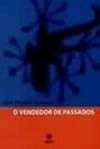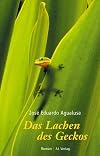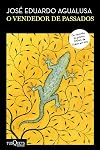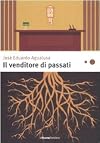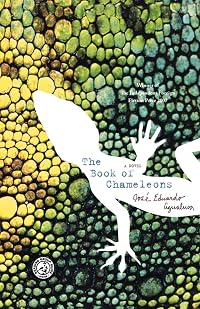
The Book of Chameleons
by Jose Eduardo Agualusa
On This Page
Description
Félix Ventura trades in an unusual commodity; he is a dealer in memories, clandestinely selling new pasts to people whose futures are secure and who lack only a good lineage to complete their lives. In this completely original murder mystery, where people are not who they seem and the briefest of connections leads to the forging of entirely new histories, a bookish albino, a beautiful woman, a mysterious foreigner, and a witty talking lizard come together to discover the truth of their show more lives. Set in Angola, Agualusa's tale darts from tormented past to dream-filled present with a lightness that belies the savage history of a country in which many have something to forget -- and to hide. A brilliant American debut by one of the most lauded writers in the Portuguese-speaking world, this is a beautifully written and always surprising tale of race, truth, and the transformative power of creativity. show lessTags
Recommendations














Member Reviews
This unusual book is narrated by a gecko who lives on the walls and ceilings of the home of Felix, an albino. Felix is in the business of providing new identities and backgrounds for people who have something to hide, or who otherwise wish to escape their past. The plot revolves around Jose, one of his customers, and Estella, a beautiful young woman with whom Felix begins a relationship, but who has had a troubled past. In the afterword, the author states that many of the gecko's memories are based on the life of Jorge Luis Borges. He describes the book as being about memory and its traps, and about the construction of our identities. I loved this thought, expressed by the gecko:
"Memory is a landscape watched from the window of a moving show more train...things happen before our very eyes, we know them to be real, but they're so far away we can't touch them. Some are so far, so very far away, and the train moving so fast, that we can't be sure any longer that they really did happen. Maybe we merely dreamed them?" show less
"Memory is a landscape watched from the window of a moving show more train...things happen before our very eyes, we know them to be real, but they're so far away we can't touch them. Some are so far, so very far away, and the train moving so fast, that we can't be sure any longer that they really did happen. Maybe we merely dreamed them?" show less
O topo do muro está coberto por cacos de vidro, em cores variadas, presos com cimento. Daqui de onde eu vejo lembram-me dentes. Este feroz artifício não impede que, vez por outra, meninos saltem o muro e roubem abacates, nêsperas e papaias. Colocam uma tábua sobre o muro e depois alçam o corpo. Parece-me uma tarefa demasiadamente arriscada para tão escasso proveito. Talvez não o façam para provar as frutas. Creio que o fazer para provar o risco. (p. 10).
Ninguém sabe ao certo quantas minas foram enterradas no chão de Angola. Entre dez e vinte milhões. Provavelmente haverá mais minas do que angolanos (p. 10-11).
São os muros que fazem os ladrões. (p.11)
A vida neste país, que é a vida em estado de embriaguez. (p. 11).
No show more quarto, antes de se deitar, veste o pijama com tal formalidade que eu fico sempre à espera de o ver atar ao pescoço uma gravata escura. (p. 15).
O homem falava docemente, com uma soma de pronúncias diversas, uma subtil aspereza eslava, temperada pelo suave mel do português do Brasil (p.16).
Feliz como quem segue o vôo de uma fuga de Bach (p. 17).
A castidade é uma agonia inútil (p 35).
Angela Lúcia está para as mulheres como a humanidade está para os símios (p. 43).
“Conversaram até cair a noite.
- Até descer a noite, corrigiu. Em Nova Iorque a noite baixa, não cai; aqui, sim, mergulha do céu” (p. 45).
Nem sei se sou fotógrafa. Eu coleciono luz (p. 55).
Luzões, clarões, exíguos lumes, presos entre um caixilho de plástico, com os quais vai alimentando a alma nos dias de sombra. (p. 55).
Podem argumentar que todos estamos em constante mutação. Sim, também eu não sou o mesmo de ontem. A única coisa que não muda em mim é o meu passado: a memória do meu passado humano. O passado costuma ser estável, está lá, sempre lá, belo ou terrível, e lá ficará para sempre (p. 59).
Ao chegarmos a velhos apenas nos resta a certeza de que em breve seremos mais velhos ainda (p. 59).
Havia em todas as fotografias algo de crepuscular. Era o fim ou era quase o fim, não se sabia de quê (p. 61)
A gargalhada larga e a leve insolência dos naturais do país (p. 65).
A coragem não é contagiosa, o medo, sim (p. 74).
Era um sujeito quizilento, um indignado profissional, que construíra toda a sua carreira no exterior, vendendo aos leitores europeus o horror nacional. A miséria faz imenso sucesso nos países ricos (p. 74).
Sou mentiroso por vocação Minto com a alegria. A literatura é a maneira que um verdadeiro mentiroso tem de se fazer aceitar socialmente. (...) a verdade é uma superstição (p. 75).
As declarações de amor, mesmo as mais ridículas, comovem as mulheres (p. 76).
Cada um vê o que quer no fugaz desenho de uma nuvem (p. 80).
Sou um homem sem cor -, disse-me: - e, como você sabe, a natureza tem horror ao vazio (p. 85).
Já reparou que tudo o que é inanimado descolora ao sol – mas o que é vivo ganha cor? (p. 86).
Antigamente, todos os contos para criança terminavam com a mesma frase, e foram felizes para sempre, isto depois do Príncipe casar com a Princesa e de terem muitos filhos. Na vida, é claro, nenhum enredo remata assim. As Princesas casam com os guarda-costas, casam com os trapezistas, a vida continua, e os dois não são infelizes até que se separam. Anos mais tarde, como todos nós, morrem. Só somos felizes, verdadeiramente felizes, quando é para sempre, mas só as crianças habitam esse tempo no qual todas as coisas duram para sempre (p. 96).
Na grande literatura são raros os amores felizes (p. 101)
A realidade é dolorosa e imperfeita (...) é essa a sua natureza e por isso a distinguimos dos sonhos. (...) entre a vida e os livros, eu filho, escolhe sobretudo os livros (p. 102).
A felicidade é quase sempre uma irresponsabilidade. Somos felizes durante os breves instantes em que fechamos os olhos.
Eu sempre que oiço falar de algo realmente impossível, acredito logo (p. 126).
Tudo nela é luz
- Achei um exagero. Onde há luz, há sombras (p. 128).
Chorei, aliás, lágrimas mais autênticas pela morte de alguns personagens literários do que pelo desaparecimento de muitos amigos e parentes (p. 131).
A verdade é improvável (p. 132).
A mentira está por toda a parte. A própria natureza mente (idem)
Abomino a mentira porque é uma inexactidão (idem, em citação a Ricardo Reis).
Nada parece verdadeiro que não possa parecer falso (idem, em citação a Montaigne)
A nossa memória alimenta-se, em larga medida, daquilo que os outros recordam de nós. Tendemos a recordar como sendo nossas as recordações alheias – inclusive as fictícias (p. 139).
Existem pessoas que revelam desde muito cedo um enorme talento para a desventura (p. 145).
Há pessoas com jeito de rio, que vão da nascente à foz sem quase nunca abandonarem o leito (idem).
A memória é uma paisagem contemplada de um comboio em movimento (p. 153)
Algumas estão já tão longe e o comboio avança tão veloz, que não temos a certeza de que realmente aconteceram. Talvez tenhamos sonhado (idem). show less
Ninguém sabe ao certo quantas minas foram enterradas no chão de Angola. Entre dez e vinte milhões. Provavelmente haverá mais minas do que angolanos (p. 10-11).
São os muros que fazem os ladrões. (p.11)
A vida neste país, que é a vida em estado de embriaguez. (p. 11).
No show more quarto, antes de se deitar, veste o pijama com tal formalidade que eu fico sempre à espera de o ver atar ao pescoço uma gravata escura. (p. 15).
O homem falava docemente, com uma soma de pronúncias diversas, uma subtil aspereza eslava, temperada pelo suave mel do português do Brasil (p.16).
Feliz como quem segue o vôo de uma fuga de Bach (p. 17).
A castidade é uma agonia inútil (p 35).
Angela Lúcia está para as mulheres como a humanidade está para os símios (p. 43).
“Conversaram até cair a noite.
- Até descer a noite, corrigiu. Em Nova Iorque a noite baixa, não cai; aqui, sim, mergulha do céu” (p. 45).
Nem sei se sou fotógrafa. Eu coleciono luz (p. 55).
Luzões, clarões, exíguos lumes, presos entre um caixilho de plástico, com os quais vai alimentando a alma nos dias de sombra. (p. 55).
Podem argumentar que todos estamos em constante mutação. Sim, também eu não sou o mesmo de ontem. A única coisa que não muda em mim é o meu passado: a memória do meu passado humano. O passado costuma ser estável, está lá, sempre lá, belo ou terrível, e lá ficará para sempre (p. 59).
Ao chegarmos a velhos apenas nos resta a certeza de que em breve seremos mais velhos ainda (p. 59).
Havia em todas as fotografias algo de crepuscular. Era o fim ou era quase o fim, não se sabia de quê (p. 61)
A gargalhada larga e a leve insolência dos naturais do país (p. 65).
A coragem não é contagiosa, o medo, sim (p. 74).
Era um sujeito quizilento, um indignado profissional, que construíra toda a sua carreira no exterior, vendendo aos leitores europeus o horror nacional. A miséria faz imenso sucesso nos países ricos (p. 74).
Sou mentiroso por vocação Minto com a alegria. A literatura é a maneira que um verdadeiro mentiroso tem de se fazer aceitar socialmente. (...) a verdade é uma superstição (p. 75).
As declarações de amor, mesmo as mais ridículas, comovem as mulheres (p. 76).
Cada um vê o que quer no fugaz desenho de uma nuvem (p. 80).
Sou um homem sem cor -, disse-me: - e, como você sabe, a natureza tem horror ao vazio (p. 85).
Já reparou que tudo o que é inanimado descolora ao sol – mas o que é vivo ganha cor? (p. 86).
Antigamente, todos os contos para criança terminavam com a mesma frase, e foram felizes para sempre, isto depois do Príncipe casar com a Princesa e de terem muitos filhos. Na vida, é claro, nenhum enredo remata assim. As Princesas casam com os guarda-costas, casam com os trapezistas, a vida continua, e os dois não são infelizes até que se separam. Anos mais tarde, como todos nós, morrem. Só somos felizes, verdadeiramente felizes, quando é para sempre, mas só as crianças habitam esse tempo no qual todas as coisas duram para sempre (p. 96).
Na grande literatura são raros os amores felizes (p. 101)
A realidade é dolorosa e imperfeita (...) é essa a sua natureza e por isso a distinguimos dos sonhos. (...) entre a vida e os livros, eu filho, escolhe sobretudo os livros (p. 102).
A felicidade é quase sempre uma irresponsabilidade. Somos felizes durante os breves instantes em que fechamos os olhos.
Eu sempre que oiço falar de algo realmente impossível, acredito logo (p. 126).
Tudo nela é luz
- Achei um exagero. Onde há luz, há sombras (p. 128).
Chorei, aliás, lágrimas mais autênticas pela morte de alguns personagens literários do que pelo desaparecimento de muitos amigos e parentes (p. 131).
A verdade é improvável (p. 132).
A mentira está por toda a parte. A própria natureza mente (idem)
Abomino a mentira porque é uma inexactidão (idem, em citação a Ricardo Reis).
Nada parece verdadeiro que não possa parecer falso (idem, em citação a Montaigne)
A nossa memória alimenta-se, em larga medida, daquilo que os outros recordam de nós. Tendemos a recordar como sendo nossas as recordações alheias – inclusive as fictícias (p. 139).
Existem pessoas que revelam desde muito cedo um enorme talento para a desventura (p. 145).
Há pessoas com jeito de rio, que vão da nascente à foz sem quase nunca abandonarem o leito (idem).
A memória é uma paisagem contemplada de um comboio em movimento (p. 153)
Algumas estão já tão longe e o comboio avança tão veloz, que não temos a certeza de que realmente aconteceram. Talvez tenhamos sonhado (idem). show less
As the title of the book suggests, this book is about shifting identities. Felix Ventura has an interesting job – conjuring a new past for people who have a history that does not fit with their aspirations.
Agualusa has a deceptively simple style, and his book is filled with reality testing images and tangled histories. We learn much about the characters from a gecko living in the crevices of Ventura’s apartment. But even this shape-shifting narrator seems to have identity issues and has ‘other’ lives as a human – maybe even being an alter ego of Ventura.
I enjoyed the elegance of the writing and the twists and bends in and out of reality. It reads as thoughts and ideas rather than a plotted novel, and is necessarily odd. show more Despite the simplicity and brevity of the content, it demands a reread to review.
Recommended. show less
Agualusa has a deceptively simple style, and his book is filled with reality testing images and tangled histories. We learn much about the characters from a gecko living in the crevices of Ventura’s apartment. But even this shape-shifting narrator seems to have identity issues and has ‘other’ lives as a human – maybe even being an alter ego of Ventura.
I enjoyed the elegance of the writing and the twists and bends in and out of reality. It reads as thoughts and ideas rather than a plotted novel, and is necessarily odd. show more Despite the simplicity and brevity of the content, it demands a reread to review.
Recommended. show less
“I know now-I think I probably already knew then- that all lives are exceptional.”
Whatever you are reading I bet that it is nothing like this!This book is really little more than a novella as almost half of the pages are blank title pages with only probably 90 pages of actual storyline but don't let this fool you it still has depth and meaning.
The narrator of this book is a gecko who lives on the walls of Felix Ventura's house in Luanda, Angola. Felix Ventura is an albino,a negative if you like, a collector of snippets on other peoples lives and an inventor of pasts, in that he creates new and more exciting pasts and lineage if you are dissatisfied with your own. Into Felix's life comes two strangers, both photographers, one a show more strange,mysterious foreigner who adopts the identity of one of Felix's invented personas, Jose Buchmann, and a beautiful woman Angela Lucia whose own past is, in her own words, unremarkable. Suddenly Felix's life is turned upside down as reality and fantasy become intermingled.
Colour and light, not surprisingly given that the narrator is a gecko and two of the cetral characters are photographers, are central themes. Jose Buchmann is a war photographer and as such looking for the darkness in human spirit whereas Angela Lucia is interested in light and rainbows. But as light and colour changes so do memories,where minor events in our lives take a far greater precedence than they should whereas major events are almost forgotten. We as humans are constantly reinventing ourselves.
Initially I tried to follow literally the storyline, trying to join the dots, but after a while I realised that "evolution" was the storyline and just went with the flow which made the story more enjoyable.
It is fascinating to read a book from an African author that is so bright and breezy in its outlook rather than doom and despondancy. Yes, there are political undertones with own Angola's own savage struggle for its own identity but there is throughout a sense of comedy and irony which overrides this.
Perhaps the brevity of the book means that its characters lack a little depth but had me guessing as to its ending right to the very end.Then the last 20 or so pages wraps things up nicely. This is one of the most original books that I have read in quite a while and I would certainly recommend it. show less
Whatever you are reading I bet that it is nothing like this!This book is really little more than a novella as almost half of the pages are blank title pages with only probably 90 pages of actual storyline but don't let this fool you it still has depth and meaning.
The narrator of this book is a gecko who lives on the walls of Felix Ventura's house in Luanda, Angola. Felix Ventura is an albino,a negative if you like, a collector of snippets on other peoples lives and an inventor of pasts, in that he creates new and more exciting pasts and lineage if you are dissatisfied with your own. Into Felix's life comes two strangers, both photographers, one a show more strange,mysterious foreigner who adopts the identity of one of Felix's invented personas, Jose Buchmann, and a beautiful woman Angela Lucia whose own past is, in her own words, unremarkable. Suddenly Felix's life is turned upside down as reality and fantasy become intermingled.
Colour and light, not surprisingly given that the narrator is a gecko and two of the cetral characters are photographers, are central themes. Jose Buchmann is a war photographer and as such looking for the darkness in human spirit whereas Angela Lucia is interested in light and rainbows. But as light and colour changes so do memories,where minor events in our lives take a far greater precedence than they should whereas major events are almost forgotten. We as humans are constantly reinventing ourselves.
Initially I tried to follow literally the storyline, trying to join the dots, but after a while I realised that "evolution" was the storyline and just went with the flow which made the story more enjoyable.
It is fascinating to read a book from an African author that is so bright and breezy in its outlook rather than doom and despondancy. Yes, there are political undertones with own Angola's own savage struggle for its own identity but there is throughout a sense of comedy and irony which overrides this.
Perhaps the brevity of the book means that its characters lack a little depth but had me guessing as to its ending right to the very end.Then the last 20 or so pages wraps things up nicely. This is one of the most original books that I have read in quite a while and I would certainly recommend it. show less
This is the story of Félix Ventura who sells memories and backgrounds to people who need a solid lineage to become fully realized in life, narrated by the gecko who makes its home in the shady cracks in the walls of Félix's house. Set in Luanda, Angola, right at the end of the civil war, the story is an interesting mix of politics and Borgesque fantasy, along with seriously original characters. It is a fairly thin book, consisting of a series of short vignettes, but its sum total is an engaging discourse on the nature of truth and lies and how a modified identity and memory could change the course of one's life. The narrator, Eulálio the gecko, is a sardonic observer of Félix's life, but his dreams are wistful views into his show more alternate, pre-gecko existence, which makes for one of the most interesting narrators I've read in a long while. Don't come looking for a chameleon to play a huge part - it's metaphorical - and the original title, O Vendedor de Passados, means "The Seller of Pasts" rather than having to do with anything lacertilian. Also, if you know your Jorge Luis Borges, you'll notice that the gecko and he has quite a lot in common... show less
The narrator of this book is a gecko, who lives in the house of an old man who makes a living selling fake upper-crust family backgrounds to self-made Angolan men and women. One of his clients is so taken with his new life that he sets off in search of the "mother" who never gave birth to him. Meanwhile, the gecko remembers his previous life as a human, and the old man reminisces about a childhood that may or may not have been his.
But - as the book asks - how valid is objective truth? Isn't something we believe we remember more significant than an event we have forgotten? Can't fiction and myth be more meaningful than reality? Shouldn't everyone be allowed to have their own truth, instead of being caged by mere facts?
Of course, real show more events have consequences of their own, and towards the end of the book, we are brought up short by an abrupt reminder that you can't always escape from your history, no matter how much you want to. But overall, the book celebrates people who create themselves - your past is vitally important to the person you are, so take control of it!
This is a wonderfully readable book, witty, perceptive, beautifully written, and full of significances that you spot the second time around. I had planned to quote the passage on the different sorts of light - but the last reviewer beat me to it. So I'll quote this, instead: "The foreigner ate with a glowing appetite, as though he weren't tasting the firm flesh of the snapper but its whole life, the years and years slipping between the sudden explosions of a shoal, the whirling of the waters, the thick strands of light that on sunny evenings fall straight down into the blue abyss." show less
But - as the book asks - how valid is objective truth? Isn't something we believe we remember more significant than an event we have forgotten? Can't fiction and myth be more meaningful than reality? Shouldn't everyone be allowed to have their own truth, instead of being caged by mere facts?
Of course, real show more events have consequences of their own, and towards the end of the book, we are brought up short by an abrupt reminder that you can't always escape from your history, no matter how much you want to. But overall, the book celebrates people who create themselves - your past is vitally important to the person you are, so take control of it!
This is a wonderfully readable book, witty, perceptive, beautifully written, and full of significances that you spot the second time around. I had planned to quote the passage on the different sorts of light - but the last reviewer beat me to it. So I'll quote this, instead: "The foreigner ate with a glowing appetite, as though he weren't tasting the firm flesh of the snapper but its whole life, the years and years slipping between the sudden explosions of a shoal, the whirling of the waters, the thick strands of light that on sunny evenings fall straight down into the blue abyss." show less
Despite or maybe because of the poorly translated title, The Book of Chameleons took me by surprise in the absolute best of ways. Entitled O Vendedor de Passados in Portuguese, a more accurate translation might be something like "Merchant of the Past." In fact there are no literal chameleons in the book, although there are some characters whose identities shift and mutate. That includes the narrator who is a gecko except for when appearing from time to time as a man in the simultaneous dreams he has with his friend, the albino vendor of the original work's title. The other major characters include a pair of photographers, one who captures war and the other who captures light. These characters come together in ways unexpected, even unto show more themselves.
The edition I read contains an interview with the author that I read after finishing the story. I find it very revealing:
First, when asked about what influenced Agualusa as he wrote this book, he replies that "The book is a tribute to Borges. It's a game that I hope Borges would have appreciated. At the same time, it's also a settling up of accounts. I love Borges as a writer, but think that as a man there was always something about him that was closed and obtuse, reactionary even, and he not infrequently expressed opinions that were misogynistic or racist. His relations with women were very complicated; it is believed that he died a virgin. Now in my book Borges is reincarnated in Luanda [Angola] in the body of a gecko. The gecko's memories correspond to fragments of Borges's real life story. Somehow I wanted to give Borges a second chance; in my book he makes the most of his opportunities."
I have not been successful in reading Borges, although I'm willing to give him a try again one day. I don't believe that my failure to know much about Borges hindered my experience of the book, but I think fans of Borges will probably find it does enhance their enjoyment.
Agualusa is also asked the setting of the tale. He explains: "The action takes place at a particularly interesting moment in Angola's history. The country is at peace, at the end of 25 years of civil war, and breathing relatively freely, though it's still too early to talk about democracy; the last elections were held in 1992. In spite of corruption, nepotism, and poor management, the generosity of the soil means the economy is growing. Every other month they announce the discovery of new oil reserves. Before long Angola will overtake Nigeria as the main supplier of black gold south of the Sahara. The same people who built up the Marxist system following independence are now with great enthusiasm defending the market economy. Huge fortunes are quickly made. It is possible to become rich honestly, too. Angolans originally from rural areas - politicians and military men, people with new money - are fighting to be accepted by the arrogant, Portuguese-speaking urban aristocracy. They often have real need of a new past as they seek their place in the future, and in the context of Angola there are plenty of people who can pay - and are prepared to pay - to get one."
That accounting validates the feeling I had as I read that this is a decidedly African work. I made the mistake of initially trying to describe the book to a friend as "magic realism" but that was before I had begun to really grasp what I was reading and that, in fact, it transcends several genres. The Book of Chameleons has lots to say about the nature of memory and identity, and Agualusa's writing is light, effortless, and dreamy. It's ethereal and philosophical, and I loved it. I've never read anything quite like it. The only thing that comes to mind, and I'm not even sure why because it is such a different work is Rikki Durcornet's Entering Fire, which I read a long, long time ago, but I seem to recall it left me with similar feeling that I had entered literary waters that I had never before swum. I am quite impressed. show less
The edition I read contains an interview with the author that I read after finishing the story. I find it very revealing:
First, when asked about what influenced Agualusa as he wrote this book, he replies that "The book is a tribute to Borges. It's a game that I hope Borges would have appreciated. At the same time, it's also a settling up of accounts. I love Borges as a writer, but think that as a man there was always something about him that was closed and obtuse, reactionary even, and he not infrequently expressed opinions that were misogynistic or racist. His relations with women were very complicated; it is believed that he died a virgin. Now in my book Borges is reincarnated in Luanda [Angola] in the body of a gecko. The gecko's memories correspond to fragments of Borges's real life story. Somehow I wanted to give Borges a second chance; in my book he makes the most of his opportunities."
I have not been successful in reading Borges, although I'm willing to give him a try again one day. I don't believe that my failure to know much about Borges hindered my experience of the book, but I think fans of Borges will probably find it does enhance their enjoyment.
Agualusa is also asked the setting of the tale. He explains: "The action takes place at a particularly interesting moment in Angola's history. The country is at peace, at the end of 25 years of civil war, and breathing relatively freely, though it's still too early to talk about democracy; the last elections were held in 1992. In spite of corruption, nepotism, and poor management, the generosity of the soil means the economy is growing. Every other month they announce the discovery of new oil reserves. Before long Angola will overtake Nigeria as the main supplier of black gold south of the Sahara. The same people who built up the Marxist system following independence are now with great enthusiasm defending the market economy. Huge fortunes are quickly made. It is possible to become rich honestly, too. Angolans originally from rural areas - politicians and military men, people with new money - are fighting to be accepted by the arrogant, Portuguese-speaking urban aristocracy. They often have real need of a new past as they seek their place in the future, and in the context of Angola there are plenty of people who can pay - and are prepared to pay - to get one."
That accounting validates the feeling I had as I read that this is a decidedly African work. I made the mistake of initially trying to describe the book to a friend as "magic realism" but that was before I had begun to really grasp what I was reading and that, in fact, it transcends several genres. The Book of Chameleons has lots to say about the nature of memory and identity, and Agualusa's writing is light, effortless, and dreamy. It's ethereal and philosophical, and I loved it. I've never read anything quite like it. The only thing that comes to mind, and I'm not even sure why because it is such a different work is Rikki Durcornet's Entering Fire, which I read a long, long time ago, but I seem to recall it left me with similar feeling that I had entered literary waters that I had never before swum. I am quite impressed. show less
Members
- Recently Added By
Lists

Best African Books
126 works; 46 members

Books Read in 2014
2,344 works; 86 members
Best African and African diaspora books
111 works; 4 members

Speculative Fiction from around the World
610 works; 18 members

Books recommended by Calgary Public Library staff
1,588 works; 4 members
Author Information

54+ Works 2,211 Members
José Eduardo Agualusa was born on December 13, 1960 in Huambo, Angola. He studied agronomy and silviculture in Lison, Portugal. He has worked as a journalist for the Portuguese magazine LER, the Brazilian newspaper O Globo, and the Angolan portal Rede Angola. He is also the host of a radio program A Horas das Cigarras on the RDP Africa channel. show more He is an award-winning writer whose work has been translated into multiple languages. Those translated to English include Creole, winner of the Portuguese Grand Prize for Literature; The Book of Chameleons, which won the Independent Foreign Fiction Prize; My father's wives, and Rainy Season. He has written four plays W generation, O monologo, Chovem amores na Rua do Matador (written with Mia Couto), and A Caixa Preta (written with Mia Couto). His work also includes novellas, short stories, and poetry. His recent novels include A educacao sentimental dos passaros, A Vida no Ceu, and A Rainha Ginga, and a book of short stories O Livro dos Camaleoes. (Bowker Author Biography) show less
Some Editions
Awards and Honors
Series
Belongs to Publisher Series
Common Knowledge
- Canonical title
- The Book of Chameleons
- Original title
- Vendedor de passados; O livro dos camaleões
- Original publication date
- 2004; 2015; 2006 (English translation) (English translation)
- People/Characters
- Felix Ventura; Jose Buchmann
- Important places
- Angola
- Epigraph
- If I were to be born again, I'd like to be something completely different. I'd quite like to be Norwegian. Or Persian, perhaps. Not Uruguayan, though — that'd feel too much like just moving down the street.
... (show all); —Jorge Luis Borges - First words
- I was born in this house, and grew up here.
- Quotations
- So what do you think, Felix - is it more important to bear witness to beauty, or to denounce horror?
There is truth — even if there isn’t realism — in everything a man dreams. - Last words
- (Click to show. Warning: May contain spoilers.)Yes, I've made a dream.
— Lisbon, February 13, 2004 - Original language
- Portuguese
Classifications
- Genres
- Fiction and Literature, General Fiction
- DDC/MDS
- 869.342 — Literature & rhetoric Spanish Literature Literatures of Portuguese and Galician languages Portuguese fiction 20th Century 1945-1999
- LCC
- PQ9929 .A39 .V4613 — Language and Literature French, Italian, Spanish and Portuguese literatures Portuguese literature Provincial, local, colonial, etc.
- BISAC
Statistics
- Members
- 567
- Popularity
- 52,423
- Reviews
- 36
- Rating
- (3.93)
- Languages
- 11 — Catalan, Czech, Dutch, English, Estonian, Finnish, French, German, Italian, Portuguese (Portugal), Spanish
- Media
- Paper, Ebook
- ISBNs
- 31
- ASINs
- 14