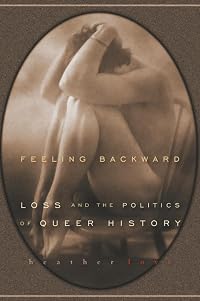
Feeling Backward: Loss and the Politics of Queer History
by Heather Love
On This Page
Description
Feeling Backward weighs the costs of the contemporary move to the mainstream in lesbian and gay culture. While the widening tolerance for same-sex marriage and for gay-themed media brings clear benefits, gay assimilation entails other losses--losses that have been hard to identify or mourn, since many aspects of historical gay culture are so closely associated with the pain and shame of the closet. Feeling Backward makes an effort to value aspects of historical gay experience that now show more threaten to disappear, branded as embarrassing evidence of the bad old days before Stonewall. It looks at early-twentieth-century queer novels often dismissed as "too depressing" and asks how we might value and reclaim the dark feelings that they represent. Heather Love argues that instead of moving on, we need to look backward and consider how this history continues to affect us in the present.Through elegant readings of Walter Pater, Willa Cather, Radclyffe Hall, and Sylvia Townsend Warner, and through stimulating engagement with a range of critical sources, Feeling Backward argues for a form of politics attentive to social exclusion and its effects. show lessTags
Recommendations

























Member Reviews
A really interesting engagement with questions about what it might mean to embrace negative feelings (especially shame) when thinking about queer history, and how to hold that shame with the seemingly-compulsive need to paint a progressive queer history--and how it might be useful to consider given the room it leaves for the "tragic" figures of early queer history (esp. sad queens and butches.)
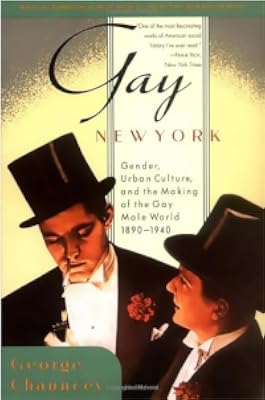
I should say that this book barely brushes up against actual queer historiography as a field (she mentions Gay New York in a footnote, to talk about Foucault and not even the historiographical work itself, but otherwise doesn't actually speak about any works of historiography) so if that's what you're looking for, this is probably not for you. show more She's engaging really more with queer theory and queer literary readings than she is with historiography itself, but what she has to say about thinking about a queer past is nonetheless really valuable, I think, and could really aid those of us who are interested in history itself as a practice. Her focus on texts might benefit the reader who has a greater familiarity more than it did me, but honestly it made me more excited to read The Well of Loneliness.
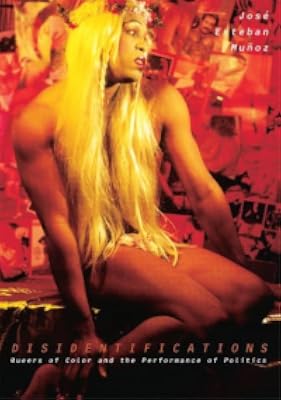
I would also have liked to see her use Jose Esteban Muñoz's Disidentifications a little more, as I think it serves one possibility of how to grapple with what she's working with, but I guess I get to write that paper later, then. (For the record, she cites it as an important text she's drawing from in her readings, and she uses disidentification as a methodology when talking about the texts/authors themselves, but not when considering how critics approach the texts, which I found weird? But again, I am a pendant and officially the Worst because of grad school, so this is a complaint like two people care about.) show less
I should say that this book barely brushes up against actual queer historiography as a field (she mentions Gay New York in a footnote, to talk about Foucault and not even the historiographical work itself, but otherwise doesn't actually speak about any works of historiography) so if that's what you're looking for, this is probably not for you. show more She's engaging really more with queer theory and queer literary readings than she is with historiography itself, but what she has to say about thinking about a queer past is nonetheless really valuable, I think, and could really aid those of us who are interested in history itself as a practice. Her focus on texts might benefit the reader who has a greater familiarity more than it did me, but honestly it made me more excited to read The Well of Loneliness.
I would also have liked to see her use Jose Esteban Muñoz's Disidentifications a little more, as I think it serves one possibility of how to grapple with what she's working with, but I guess I get to write that paper later, then. (For the record, she cites it as an important text she's drawing from in her readings, and she uses disidentification as a methodology when talking about the texts/authors themselves, but not when considering how critics approach the texts, which I found weird? But again, I am a pendant and officially the Worst because of grad school, so this is a complaint like two people care about.) show less
Ratings
Members
- Recently Added By
Author Information

5+ Works 162 Members
Heather Love is professor of English at the University of Pennsylvania. She is the author of Feeling Backward: Loss and the Politics of Queer History.
Awards and Honors
Awards
Common Knowledge
- Original publication date
- 2007
Classifications
- Genres
- Nonfiction, Sexuality and Gender Studies, LGBTQ+, Literature Studies and Criticism, General Nonfiction, History
- DDC/MDS
- 306.76 — Society, government, & culture Social sciences, sociology & anthropology Social Behavior - Dating, Marriage, Divorce Sexual relations Sexual orientation, transgender identity, intersexuality
- LCC
- HQ76.25 .L68 — Social sciences The family. Marriage, Women and Sexuality The Family. Marriage. Women Sexual life
- BISAC
Statistics
- Members
- 130
- Popularity
- 251,160
- Reviews
- 1
- Rating
- (3.67)
- Languages
- English
- Media
- Paper, Ebook
- ISBNs
- 4
- ASINs
- 2