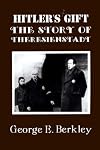
Hitler's Gift: Story of Theresienstadt
by George E. Berkley
On This Page
Description
Adolf Hitler had a way with deception to the point of fooling even representatives of the Red Cross. He corralled the Jewish intelligentsia from all over Europe and gathered them in Theresienstadt where he had them write and perform plays, compose music and offer it in extraordinary concerts, and even paint and exhibit their art in their own galleries -- in front of bedazzled inspectors who never checked the railway carriages parked behind the camp.Tags
Recommendations
















Member Recommendations
Member Reviews
This was an amazingly detailed, well-researched history of the Theresienstadt ghetto, illustrated with a few photographs at the end. It covers all aspects of ghetto life, provides quotes from survivors, and gives biographical information on the main figures in the ghetto, and all of this in a logical, readable way suitable for the intelligent layman. I was impressed.
Het boek heeft een sterk ontmythologiserend karakter. Leefden velen in de veronderstelling dat het in Tsjecho-Slowakije gevestigde kamp geen vernietigingsdoel had, de werkelijkheid is anders. Van de 140.000 gevangenen stierven er 30.000 aan honger en ziekte en werden er ruim 80.000 uiteindelijke toch naar vernietigingskampen zoals Auschwitz gedeporteerd. Van de 15.000 kinderen bleven er uiteindelijk slechts 1000 in leven.
Berkley beschrijft op indringende wijze het leven in het kamp/stad dat vrijwel uitsluitend bevolkt was met Joods-Europese wetenschappers, kunstenaars en musici. Ondanks controles door het Rode Kruis en andere hulporganisaties slaagden de Duitsers erin om ook hier hun beulswerk te verrichten.
Een adembenemende studie.
Berkley beschrijft op indringende wijze het leven in het kamp/stad dat vrijwel uitsluitend bevolkt was met Joods-Europese wetenschappers, kunstenaars en musici. Ondanks controles door het Rode Kruis en andere hulporganisaties slaagden de Duitsers erin om ook hier hun beulswerk te verrichten.
Een adembenemende studie.
Nov 4, 2007Dutch
Ratings
Members
- Recently Added By
Author Information
14 Works 100 Members
Common Knowledge
- Canonical title
- Hitler's Gift: Story of Theresienstadt
- Original title
- Hitler's Gift: Story of Theresienstadt
- Original publication date
- 1993
- Important places
- Theresienstadt concentration camp, Terezín, Czech Republic
- First words
- The first reports appeared in the German press in early summer of 1942. (Prelude)
March 15, the Ides of March, proved as fateful to Czechoslovakia in 1939 as it had been to Julius Caesar 2,000 years earlier. - Last words
- (Click to show. Warning: May contain spoilers.)This is my hope and it is my optimistic prayer that my hope is heard by all the peoples of the world.
Classifications
Statistics
- Members
- 26
- Popularity
- 1,043,836
- Reviews
- 2
- Rating
- (4.25)
- Languages
- Dutch, English
- Media
- Paper
- ISBNs
- 3