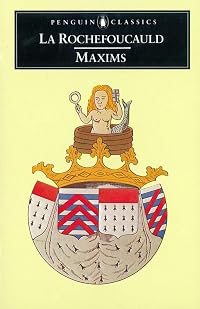
Maxims
by François de La Rochefoucauld
On This Page
Description
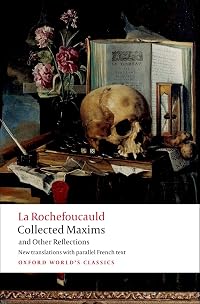
We all have strength enough to endure the misfortunes of others. This famed work by a noted French author of the Renaissance era, seventeenth-century nobleman Franc ?ois de La Rochefoucauld, offers hundreds of brief, brutally honest observations of humankind and its self-serving nature. The perfect read for any realist-or anyone with the desire to evaluate their moral standing-this edition includes three supplements with additional maxims and essays. This ebook has been professionally show more proofread to ensure accuracy and readability on all devices. show lessTags
Recommendations

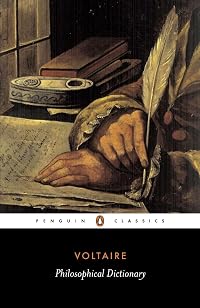
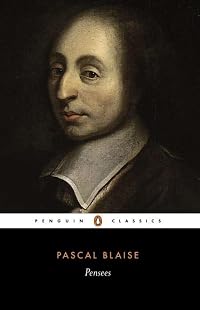
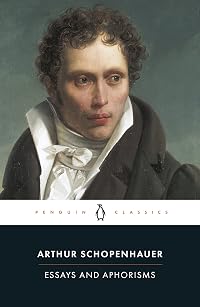
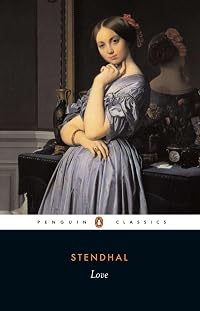
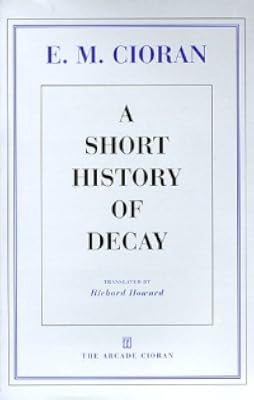
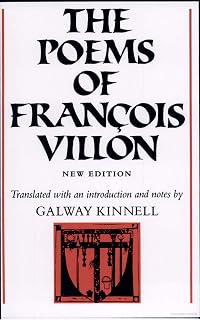
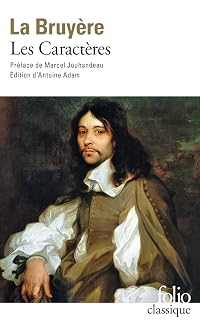
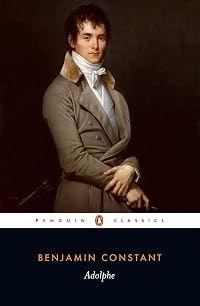


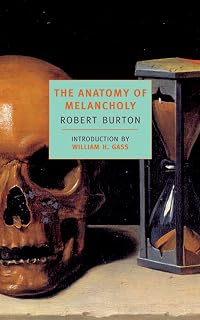
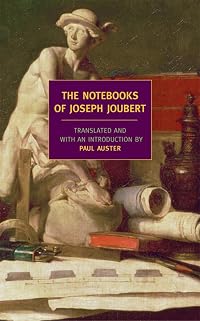
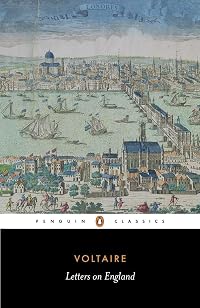
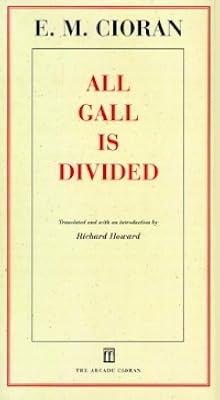


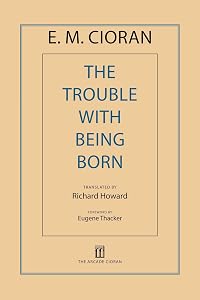

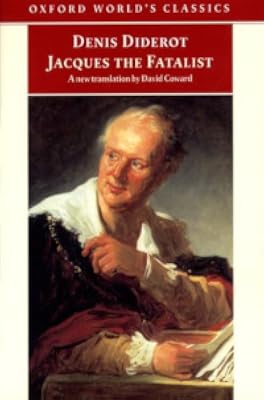
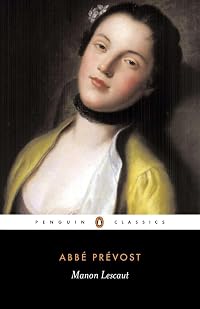
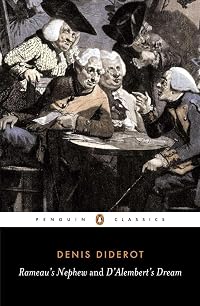



Member Recommendations

Member Reviews
A pessimistic and cynical collection of maxims, mostly about human interactions. Like most collections of maxims, it is quick to read and – also like most collections of maxims – it can sometimes be repetitive or state the obvious. It is an enjoyable collection, but I did not think La Rochefoucauld went especially deep. His maxims were more often personal observations jerry-rigged into abstraction than any sort of rigorous philosophy.
I will be adding this book of more than 500 maxims to my daily reflections, along with The Daily Stoic and James Allen's As A Man Thinketh. I had to read each maxim at least twice, as there is nothing in this book that should be overlooked. Unlike a novel, where the virtue or vice considered as part of an overarching theme builds over time, each maxim in this book is straight to the point, causing one to pause and reflect on each occasion. There are too many favourite maxims to list, but this one resonates deeply: "239. To whatever we may ascribe our misfortunes, they are generally the results of selfishness and of vanity". La Rochefoucauld uses wit and humour to address life lessons that mirror life itself. What I mean by this is that show more if one were to read this book sans humour, one would want to end it all - the reality would be too much. Likewise, sans seriousness, this would not be remotely funny. But by moving between old and young, male and female (inherently sexist in a seventeenth-century way), humorous and foreboding, witty and caustic, and so on, the maxims paint a picture of wisdom that can only come from one who has had the mask of self-deception torn from his face. If fools learn by their mistakes, then this is one book where the wise might learn from the mistakes of fools. But don't get too cocky: "214. A man (sic) who is never foolish is not as wise as he thinks". show less
A discussion of human conduct seen through the light of maxims or short reflections of the human experience. These can be bitter and pessimistic, yet thoughtful reading and regard for their deeper meaning yields benefits to the modern reader.
[From the preface to Letters from Madame La Marquise de Sévigné, edited and translated by Violet Hammersley, Secker & Warburg, 1955; reprinted in A Traveller in Romance, ed. John Whitehead, Clarkson N. Potter, 1984, p. 108:]
But it was not often that Madame de Sévigné went to Court: she depended then for the latest news on an intimate friend. This was the Duc de La Rochefoucauld, the author of the imperishable maxims. He was a highly cultivated man, extremely intelligent, with a wide knowledge of the world. This knowledge had left him with few illusions. Sentimentalists have reproached him because, as a result of a lifetime’s experience, he came to the conclusion that self-interest is the mainspring of men’s behaviour. There is show more truth in that, but it is not the whole truth. The extraordinary, and heartening, thing about men is that though, in fact, self-interest is the mainspring of their conduct, they are capable on occasion of self-sacrifice, disinterestedness and magnanimity. The picture Madame de Sévigné draws of La Rochefoucauld is that of a good, high-minded and generous man; and she never tires of remarking on his good nature, sweetness, amiability, and on his wish to please and to be of service. show less
But it was not often that Madame de Sévigné went to Court: she depended then for the latest news on an intimate friend. This was the Duc de La Rochefoucauld, the author of the imperishable maxims. He was a highly cultivated man, extremely intelligent, with a wide knowledge of the world. This knowledge had left him with few illusions. Sentimentalists have reproached him because, as a result of a lifetime’s experience, he came to the conclusion that self-interest is the mainspring of men’s behaviour. There is show more truth in that, but it is not the whole truth. The extraordinary, and heartening, thing about men is that though, in fact, self-interest is the mainspring of their conduct, they are capable on occasion of self-sacrifice, disinterestedness and magnanimity. The picture Madame de Sévigné draws of La Rochefoucauld is that of a good, high-minded and generous man; and she never tires of remarking on his good nature, sweetness, amiability, and on his wish to please and to be of service. show less
These Garnier editions with their bright yellow spines and red lettering were always very reassuring and attractive. What a wise man old LR was.
Video review: https://youtu.be/swwOPP-xHcs
Members
- Recently Added By
Lists

Philip Ward's Lifetime Reading Plan
592 works; 22 members

Harold Bloom - The Western Canon: B. The Aristocratic Age
231 works; 13 members

The Road to Freedom (Will Durant's 100 Best Books for an Education)
100 works; 8 members
Author Information

100+ Works 1,992 Members
Francois duc de La Rochefoucauld was born in Paris in 1613. Descended from a distinguished and titled Poitou family, he inherited the title of Duke when his father died in 1653. After serving in the army, where he participated in the battles of the Fronde, La Rochefoucauld took a prominent part in court life and politics during the reigns of the show more French kings Louis XIII and Louis XIV. In his memoirs, which were first published in 1662, he recounted his life as a young man in the army and the French court, from his numerous fights and amorous liaisons to his participation in an attempt to assassinate a Cardinal. In later years, strongly influenced by Jansenism, La Rochefoucauld began to think about the meaning of Christian life. He wrote his thoughts out in the form of maxims, a uniquely French form of epigrams. Brief, clever statements, usually with a moral focus, his maxims illustrate his perception of human behavior in often paradoxical and surprising ways. Because statements such as "Our virtues are most often vices disguised" or "We promise according to our hopes and perform according to our fears" are as relevant now as when they were written some 300 years ago, La Rochefoucauld's Maxims are still popular today. Francois duc de La Rochefoucauld died in 1680. (Bowker Author Biography) show less
Some Editions
Awards and Honors
Series
Belongs to Publisher Series
Work Relationships
Is contained in
Common Knowledge
- Canonical title
- Maxims
- Original title
- Maximes
- Original publication date
- 1665
- People/Characters
- Francois de La Rochefoucauld; Madeleine de Souvré, marquise de Sablé
- Original language*
- Francese
*Some information comes from Common Knowledge in other languages. Click "Edit" for more information.
Classifications
Statistics
- Members
- 1,273
- Popularity
- 19,120
- Reviews
- 13
- Rating
- (3.77)
- Languages
- 17 — Catalan, Czech, Danish, Dutch, English, Esperanto, Finnish, French, German, Hungarian, Italian, Japanese, Latvian, Norwegian (Bokmål), Portuguese, Spanish, Swedish
- Media
- Paper, Audiobook, Ebook
- ISBNs
- 92
- UPCs
- 1
- ASINs
- 52