On This Page
Description
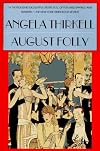
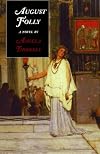
In August Folly, the village of Worsted is staging Hippolytus. Inevitably, the most absurd romances bloom. Boorish young Richard Tebbins, just down from Oxford, falls in love with Mrs. Dean, mother of nine, whose oldest son loves Richard's sister, who in turn loves another. And round and round it goes. Amidst a series of comic catastrophes, everyone manages to redeem themselves. Witty, snobbish, sweet, and evocative, Mrs. Thirkell's Barsetshire novels provide a bemused scrutiny of British show more manners in the most delightfully entertaining doses. show lessTags
Recommendations























Member Recommendations

Member Reviews
Light entertainment in a 1930s English village, as overbearing Mrs Palmer organises a Greek play, ably assisted by two sets of young people who have come home for the holidays. In a charming world of yesteryear, a world of servants, incipient love affairs and misunderstandings, the story itself is frothy and implausible.
BUT the humour throughout is so cleverly observed and frequently so LOL funny, that it just adds another dimension. I loved the Tebbens- highly academic but strapped for cash - and the depressing culinary attempts of the wife:
"I am sorry there are no potatoes, but Mrs Phipps didn't put them on in time, and knowing that you wanted to come with me and meet Richard at the station, I didn't like to wait for them to be show more finished. We could have them in if you like and just eat the outside part that is cooked, and have the rest properly boiled and use them up ith the salad tonight."
And the mortification of their critical student son at being picked up in an aging governess cart pulled by truculent donkey Modestine - another of his mother's money saving ideas.
Entertaining read. show less
BUT the humour throughout is so cleverly observed and frequently so LOL funny, that it just adds another dimension. I loved the Tebbens- highly academic but strapped for cash - and the depressing culinary attempts of the wife:
"I am sorry there are no potatoes, but Mrs Phipps didn't put them on in time, and knowing that you wanted to come with me and meet Richard at the station, I didn't like to wait for them to be show more finished. We could have them in if you like and just eat the outside part that is cooked, and have the rest properly boiled and use them up ith the salad tonight."
And the mortification of their critical student son at being picked up in an aging governess cart pulled by truculent donkey Modestine - another of his mother's money saving ideas.
Entertaining read. show less
I just adore Angela Thirkell's books. Ms. Thirkell is like a 1930s Jane Austen, and her books are set in Barsetshire, the fictional county created by Anthony Trollope in the 1850s. These books are fun, fun, and I listen to them in any order I can, as the characters are only loosely related and the passage of time in Barsetshire is not confounded by reading out of order.
August Folly centers around two families -- the Tebben family, who live at Lamb's Piece in the village of Worsted, and the large Dean family, who take the Dower House for the summer to be near their relations the Palmers, who, atop the social order of the village, live in the Manor House. The Deans' arrival coincides with the homecoming of the Tebben children -- Richard, show more who has slouched his way to an unremarkable third at Oxford, and Margaret, returned from being an au pair in Grenoble. The enjoyable summer stretched out before the village is commandeered by Mrs. Palmer, who marshals the entire village into a performance of Euripides' Hippolytus in the barn she had converted into an open-air stage.
This is romance and social satire at its best, with a large cast of characters, hilarious interactions and little plot. Richard Tebben develops a swooning infatuation with Mrs. Dean, a woman twice his age and the mother of nine children. His sister Margaret and Lawrence Dean fall in love with each other, though Lawrence gets in his own way with his clumsy advances. Helen Dean is very attached to her brother, and first takes her jealousy out on Richard, then resolves to be nice to him, which pains the Oxford tutor Charles Fanshawe, a middle-aged friend of the Dean family who is in love with Helen. Other wonderful characters include the Tebbens' snippy housekeeper and dreadful cook; more Dean children Robin, Susan, Betty, and Jessica; the annoying curate Mr. Moxon (written to match Jane Austen's Mr. Elton or Mr. Collins); and the Tebben family donkey Modestine and sherry-drinking cat Gunnar. Richard is mortally embarrassed by Modestine until he realizes he can offer young Jessica Dean rides on Modestine (to try to impress Mrs. Dean), and in a fateful encounter, uses Modestine to save Jessica from a bull (and also impress Mrs. Dean). Throw in some rum omelettes, Greek tragedy rehearsals, youthful hijinks, heart murmurs, and crossword puzzles, and you have a light, fun, thoroughly enjoyable read. show less
August Folly centers around two families -- the Tebben family, who live at Lamb's Piece in the village of Worsted, and the large Dean family, who take the Dower House for the summer to be near their relations the Palmers, who, atop the social order of the village, live in the Manor House. The Deans' arrival coincides with the homecoming of the Tebben children -- Richard, show more who has slouched his way to an unremarkable third at Oxford, and Margaret, returned from being an au pair in Grenoble. The enjoyable summer stretched out before the village is commandeered by Mrs. Palmer, who marshals the entire village into a performance of Euripides' Hippolytus in the barn she had converted into an open-air stage.
This is romance and social satire at its best, with a large cast of characters, hilarious interactions and little plot. Richard Tebben develops a swooning infatuation with Mrs. Dean, a woman twice his age and the mother of nine children. His sister Margaret and Lawrence Dean fall in love with each other, though Lawrence gets in his own way with his clumsy advances. Helen Dean is very attached to her brother, and first takes her jealousy out on Richard, then resolves to be nice to him, which pains the Oxford tutor Charles Fanshawe, a middle-aged friend of the Dean family who is in love with Helen. Other wonderful characters include the Tebbens' snippy housekeeper and dreadful cook; more Dean children Robin, Susan, Betty, and Jessica; the annoying curate Mr. Moxon (written to match Jane Austen's Mr. Elton or Mr. Collins); and the Tebben family donkey Modestine and sherry-drinking cat Gunnar. Richard is mortally embarrassed by Modestine until he realizes he can offer young Jessica Dean rides on Modestine (to try to impress Mrs. Dean), and in a fateful encounter, uses Modestine to save Jessica from a bull (and also impress Mrs. Dean). Throw in some rum omelettes, Greek tragedy rehearsals, youthful hijinks, heart murmurs, and crossword puzzles, and you have a light, fun, thoroughly enjoyable read. show less
Two ways in which Thirkell is particularly brilliant: class consciousness and lack of snobbery.
There's none of that rubbish about money not being important that makes Richard Curtis' films so annoying and clueless. There is a keen mind well aware of the subtleties of wealth and position, and how much hard work is necessary to managing without money.
But Thirkell doesn't rate some kinds of work as better than others. A pretty broad range of professions and jobs are represented, with an equally broad range of talents and interests, and anyone can find true love, if they don't determinedly avoid it. Characters are bad at conversation, or scholarship, or sports, or gardening, but it doesn't matter, there is always some other appealing show more quality to offset. It's very kind and refreshingly egalitarian.
Two simultaneous engagements and the suggestion of more without a separate chapter: bonus points for the extra technical difficulty. Not to mention the bizarre and unprecedented scenes between the cat, Gunnar, and the donkey, Mondestine. This is an author becoming confident and maybe even just a tiny bit crazed with success.
Probably not crazed at all. Probably only just relieved that this was going to work, and would enable the family's bills to be paid without the inconvenience of a husband, but whatever.
Library copy show less
There's none of that rubbish about money not being important that makes Richard Curtis' films so annoying and clueless. There is a keen mind well aware of the subtleties of wealth and position, and how much hard work is necessary to managing without money.
But Thirkell doesn't rate some kinds of work as better than others. A pretty broad range of professions and jobs are represented, with an equally broad range of talents and interests, and anyone can find true love, if they don't determinedly avoid it. Characters are bad at conversation, or scholarship, or sports, or gardening, but it doesn't matter, there is always some other appealing show more quality to offset. It's very kind and refreshingly egalitarian.
Two simultaneous engagements and the suggestion of more without a separate chapter: bonus points for the extra technical difficulty. Not to mention the bizarre and unprecedented scenes between the cat, Gunnar, and the donkey, Mondestine. This is an author becoming confident and maybe even just a tiny bit crazed with success.
Probably not crazed at all. Probably only just relieved that this was going to work, and would enable the family's bills to be paid without the inconvenience of a husband, but whatever.
Library copy show less
Angela Thirkell’s fourth Barestshire book, August Folly, is about a summer of dinners, donkey rides, rehearsals, train journeys, cricket, secret worries, siblings and romance.
When Richard Tebbin comes down from Oxford, he’s moody and awkward and rather self-absorbed - gloomy about his exam results and his future prospects, embarrassed by his parents, frustrated by his mother’s economies and impractical domestic arrangements, and annoyed about being roped into Mrs Palmer’s play. And then he meets the Deans, who are staying with the Palmers, and is promptly besotted with Mrs Dean, whose eldest children are older than him.
This is not a situation I’d consider delightful or charming. And yet I was captivated. Thirkell astutely show more portrays family dynamics, with their various tensions, and many of the characters have complexities or contradictions. There are several scenes where characters show unexpected depth, strength or growth.
Not all the surprises were pleasant. There are some odd, unnecessary but fortunately very brief, references to prejudiced attitudes, and also teenagers who think pricking a donkey with a pin is an acceptable way of making him go. Ugh. And sometimes Thirkell doesn’t seem to have a very positive view of women going to university… But I appreciated the family dynamics so much, so I’m very glad I didn’t skip this one.
August Folly takes place in the same part of the country as last Thirkell I read, Before Lunch, but is set some years earlier. Some characters from Before Lunch make brief appearances here (and vice versa). It was also interesting to read the two books in comparative quick succession because they both look at with cross-generational romances from very different perspectives and with different outcomes.
“Let’s pace up and down the terrace like people in books,” said Helen, slipping her arm through Mr Fanshawe’s.
“How is everything?” asked Mr Fanshawe.
“Rotten.”
“Inside or out?”
“In.”
“Then what about turning yourself inside out and getting some expert advice?”
“May I, Charles? I’m simply loathing myself.”
“Well?”
(The rest of this scene - the reason for Helen’s unhappiness, and the way Mr Fanshawe listens - is one of the ones that surprised me.) show less
When Richard Tebbin comes down from Oxford, he’s moody and awkward and rather self-absorbed - gloomy about his exam results and his future prospects, embarrassed by his parents, frustrated by his mother’s economies and impractical domestic arrangements, and annoyed about being roped into Mrs Palmer’s play. And then he meets the Deans, who are staying with the Palmers, and is promptly besotted with Mrs Dean, whose eldest children are older than him.
This is not a situation I’d consider delightful or charming. And yet I was captivated. Thirkell astutely show more portrays family dynamics, with their various tensions, and many of the characters have complexities or contradictions. There are several scenes where characters show unexpected depth, strength or growth.
Not all the surprises were pleasant. There are some odd, unnecessary but fortunately very brief, references to prejudiced attitudes, and also teenagers who think pricking a donkey with a pin is an acceptable way of making him go. Ugh. And sometimes Thirkell doesn’t seem to have a very positive view of women going to university… But I appreciated the family dynamics so much, so I’m very glad I didn’t skip this one.
August Folly takes place in the same part of the country as last Thirkell I read, Before Lunch, but is set some years earlier. Some characters from Before Lunch make brief appearances here (and vice versa). It was also interesting to read the two books in comparative quick succession because they both look at with cross-generational romances from very different perspectives and with different outcomes.
“Let’s pace up and down the terrace like people in books,” said Helen, slipping her arm through Mr Fanshawe’s.
“How is everything?” asked Mr Fanshawe.
“Rotten.”
“Inside or out?”
“In.”
“Then what about turning yourself inside out and getting some expert advice?”
“May I, Charles? I’m simply loathing myself.”
“Well?”
(The rest of this scene - the reason for Helen’s unhappiness, and the way Mr Fanshawe listens - is one of the ones that surprised me.) show less
August Folly is the fourth book in Angela Thirkell’s Barsetshire series of novels. It is light, bright breezy fun – and although I couldn’t possibly read more than one at a time, these novels are perfect fare for occasional, lazy, tired weekend reading. In short, as enjoyable as these Thirkell books can be – I do really need to be in the right frame of mind for them, which is why they have been sitting unread for some time. As it was, last weekend I was just in exactly the right frame of mind and I gobbled this book up in two days.
Set in the Barsetshire village of Worsted, we could only ever be in England amongst a certain class of person, with offspring down from Oxford, butlers and summer productions of Hippolytus. Richard show more Tebben is a young man just down from Oxford, knowing he did terribly he awaits his degree results. While other, wealthier young men enjoy themselves on the continent, Richard must endure the parental home for the summer, and all the irritants that go with it. His mother a former economics scholar, writes text books, his father a civil servant part of the week, devotes the remainder of his time in ancient Norwegian and Icelandic studies. Richard’s mother’s devotion is of that particularly excruciating kind which inflames Richard’s irritation even further. His parents living at Lambs Piece – paid for by his mother’s books, are not well off, they have no car, they prefer to economise with a donkey (Modestine) and cart, utter mortification to Richard. The Tebben’s one servant an atrocious cook, whose tendency to deliver tasteless meals goes unnoticed by the deliciously vague Winifred Tebben.
Mrs Palmer – a rather managing type of woman, is known for organising an annual play – and an impressive number of people just calmly accept they will play their part. This year the play is Euripides’s Hippolytus, and Richard is to train the chorus. The wonderfully glamourous Dean family – related to Mrs Palmer by marriage, are to be spending the summer at The Dower house in Worsted, and several of them will be taking part in the play. The Palmers are comfortably off, childless and pillars of the community, Mrs Palmer can’t help but be proud of her husband’s sister and her family, they are very well off indeed. Mrs Dean is a very young looking beauty and the mother of an awe-inspiring nine children – although only six of them are in Worsted with their parents. Richard’s sister Margaret, also home for the summer arrives; a girl often over-looked by her parents who has spent a year in Grenoble as a governess. The Dean offspring arrive next, including one daughter who tears around the countryside in a racing car, another who wishes nothing more than to be a great scholar and can be a little priggish, and a rather eligible son, the stage is set indeed, for farce, romance and gentle comedy. Margaret it appears met this eligible son Laurence Dean while abroad, and Laurence’s sister Helen is not sure quite what she thinks of this burgeoning friendship. Richard’s head however is turned by Mrs Dean the moment he sees her – and the smitten young man begins to go to great lengths to help and impress the gentle goddess.
“Sparrow was now lighting candles on the table, and Richard was able to see his neighbour for the first time. If she had a grown-up son, she must be at least as old as his mother, Richard guessed, but no one would think it. With a backwash of irritation he compared his mother’s untidy, shorn hair, her shabby trailing clothes, her maddening enthusiasms, with the still composure of this Mrs Dean, who wore her shining dark hair in a knot, was dressed in something shimmeringly white, and hated Greek plays. That Mrs Dean had always had money did not occur to him. There was something about her stillness that gave her a disquieting charm, which even Richard, very self-absorbed, and not at all sensitive except about himself, could not help feeling.”
As rehearsals for the play get underway, Laurence’s pursuit of Margaret does not – needless to say – go smoothly; he does in fact make rather a mess of it. Meanwhile Helen, who is confused and unhappy by the change in her relationship with her favourite brother, confides her feelings to middle aged family friend Charles Fanshawe. Charles, another academic, former tutor to Richard and Margaret’s mother, slowly begins to acknowledge his feelings for Helen, so very much younger than himself, who, he has noticed is spending quite a lot of time with Richard. Richard has to face up to realities, and put aside his childish infatuation, smarting slightly at the lesson he has learnt in the process.
“Richard went round to the stable-yard with the words ‘nearly fifty’ sounding unpleasantly in his ears. He had never thought of his divinity having any particular age, but now he came to think of it, if Laurence, as he happened to know, was twenty-seven or nearly twenty-eight, Mrs Dean could hardly be much less than fifty, unless she had married unusually young. Fifty was rather a drab word. Of course age meant nothing with such a woman as Mrs Dean, but one oughtn’t to have to think of it.”
In August Folly we have several relationships which develop between people of very unequal ages and siblings have to contend with the reality of the changes that naturally occur when romance rears its ugly head. Thirkell paints a vivid picture, of a certain kind of English life between the wars, families have clearly defined positions in society – all of our central characters here are of the upper-middle classes, but it’s their financial positions which set them apart. I also enjoyed spotting the literary references, with Thirkell’s allusions to Jane Austen characters and Robert Louis Stevenson. The one thing I could really have done without, if I am being honest, were the couple of (thankfully) short sections of whimsy – that recount conversations between Modestine (often called Neddy) the donkey and Gunnar the Tebben family cat – all very cute I’m sure – but for me irritating and totally unnecessary. August Folly is a joyous enough read when one is in the right frame of mind, there is a delicious lightness of touch, but Thirkell conceals some sharp commentary behind what could so easily be called froth. show less
Set in the Barsetshire village of Worsted, we could only ever be in England amongst a certain class of person, with offspring down from Oxford, butlers and summer productions of Hippolytus. Richard show more Tebben is a young man just down from Oxford, knowing he did terribly he awaits his degree results. While other, wealthier young men enjoy themselves on the continent, Richard must endure the parental home for the summer, and all the irritants that go with it. His mother a former economics scholar, writes text books, his father a civil servant part of the week, devotes the remainder of his time in ancient Norwegian and Icelandic studies. Richard’s mother’s devotion is of that particularly excruciating kind which inflames Richard’s irritation even further. His parents living at Lambs Piece – paid for by his mother’s books, are not well off, they have no car, they prefer to economise with a donkey (Modestine) and cart, utter mortification to Richard. The Tebben’s one servant an atrocious cook, whose tendency to deliver tasteless meals goes unnoticed by the deliciously vague Winifred Tebben.
Mrs Palmer – a rather managing type of woman, is known for organising an annual play – and an impressive number of people just calmly accept they will play their part. This year the play is Euripides’s Hippolytus, and Richard is to train the chorus. The wonderfully glamourous Dean family – related to Mrs Palmer by marriage, are to be spending the summer at The Dower house in Worsted, and several of them will be taking part in the play. The Palmers are comfortably off, childless and pillars of the community, Mrs Palmer can’t help but be proud of her husband’s sister and her family, they are very well off indeed. Mrs Dean is a very young looking beauty and the mother of an awe-inspiring nine children – although only six of them are in Worsted with their parents. Richard’s sister Margaret, also home for the summer arrives; a girl often over-looked by her parents who has spent a year in Grenoble as a governess. The Dean offspring arrive next, including one daughter who tears around the countryside in a racing car, another who wishes nothing more than to be a great scholar and can be a little priggish, and a rather eligible son, the stage is set indeed, for farce, romance and gentle comedy. Margaret it appears met this eligible son Laurence Dean while abroad, and Laurence’s sister Helen is not sure quite what she thinks of this burgeoning friendship. Richard’s head however is turned by Mrs Dean the moment he sees her – and the smitten young man begins to go to great lengths to help and impress the gentle goddess.
“Sparrow was now lighting candles on the table, and Richard was able to see his neighbour for the first time. If she had a grown-up son, she must be at least as old as his mother, Richard guessed, but no one would think it. With a backwash of irritation he compared his mother’s untidy, shorn hair, her shabby trailing clothes, her maddening enthusiasms, with the still composure of this Mrs Dean, who wore her shining dark hair in a knot, was dressed in something shimmeringly white, and hated Greek plays. That Mrs Dean had always had money did not occur to him. There was something about her stillness that gave her a disquieting charm, which even Richard, very self-absorbed, and not at all sensitive except about himself, could not help feeling.”
As rehearsals for the play get underway, Laurence’s pursuit of Margaret does not – needless to say – go smoothly; he does in fact make rather a mess of it. Meanwhile Helen, who is confused and unhappy by the change in her relationship with her favourite brother, confides her feelings to middle aged family friend Charles Fanshawe. Charles, another academic, former tutor to Richard and Margaret’s mother, slowly begins to acknowledge his feelings for Helen, so very much younger than himself, who, he has noticed is spending quite a lot of time with Richard. Richard has to face up to realities, and put aside his childish infatuation, smarting slightly at the lesson he has learnt in the process.
“Richard went round to the stable-yard with the words ‘nearly fifty’ sounding unpleasantly in his ears. He had never thought of his divinity having any particular age, but now he came to think of it, if Laurence, as he happened to know, was twenty-seven or nearly twenty-eight, Mrs Dean could hardly be much less than fifty, unless she had married unusually young. Fifty was rather a drab word. Of course age meant nothing with such a woman as Mrs Dean, but one oughtn’t to have to think of it.”
In August Folly we have several relationships which develop between people of very unequal ages and siblings have to contend with the reality of the changes that naturally occur when romance rears its ugly head. Thirkell paints a vivid picture, of a certain kind of English life between the wars, families have clearly defined positions in society – all of our central characters here are of the upper-middle classes, but it’s their financial positions which set them apart. I also enjoyed spotting the literary references, with Thirkell’s allusions to Jane Austen characters and Robert Louis Stevenson. The one thing I could really have done without, if I am being honest, were the couple of (thankfully) short sections of whimsy – that recount conversations between Modestine (often called Neddy) the donkey and Gunnar the Tebben family cat – all very cute I’m sure – but for me irritating and totally unnecessary. August Folly is a joyous enough read when one is in the right frame of mind, there is a delicious lightness of touch, but Thirkell conceals some sharp commentary behind what could so easily be called froth. show less
Great fun: nothing too demanding, but a pleasant summer holiday with amusing middle-class people falling in love, engaging in amateur dramatics, and dealing with the complications of bad cooking, unreliable transport, and animals with minds of their own. Modestine/Neddy the donkey steals the show, as one might expect, but he would have been much better off without the two whimsical scenes where he is made to talk to the cat. Talking animals are almost always a mistake in books intended for readers over the age of five.
That said, what Thirkell really does very well is to write about children in a way that makes them interesting and amusing to adult readers without being cute or twee. Of course, when you've read two or three of her books, show more you realise that this is a bit of a trick: the same basic characters tend to reappear each time with different names and in slightly different contexts, but that's a permissible shortcut in this sort of light fiction. show less
That said, what Thirkell really does very well is to write about children in a way that makes them interesting and amusing to adult readers without being cute or twee. Of course, when you've read two or three of her books, show more you realise that this is a bit of a trick: the same basic characters tend to reappear each time with different names and in slightly different contexts, but that's a permissible shortcut in this sort of light fiction. show less
Angela Thirkell's Barsetshire novels are set in an early 20th-century reimagining of Anthony Trollope's Barsetshire, populated with the gentry, their servants, and various rural folk. August Folly is the fourth book in the series introducing new characters while making casual references to people from earlier books to give a sense of community. The book representative of the series with its romantic storyline unfolding in the midst of traditions common to rural life, in this case, a play being staged during the summer holiday. The play brings out the worst in village gossip and politics, but also provides a gathering place for young people that naturally leads to summer love. Richard Tebben has just returned home after finishing his show more studies at Oxford and is unsure of his next steps in life. He inexplicably falls for Rachel Dean, the mother of several children around Richard's age. Richard's sister Margaret is thrust into close contact with Rachel's son Laurence, due to their respective roles in the play. Laurence's sister Helen has caught Mr Fanshaw's eye, but when she begins spending time with Richard he doubts his own prospects. Everything is set up nicely for a series of misunderstandings, but there is never any doubt that things will work out in the end.
Angela Thirkell writes a brilliant comedy of manners, and I have come to depend on her books as light, fun reads. show less
Angela Thirkell writes a brilliant comedy of manners, and I have come to depend on her books as light, fun reads. show less
Members
- Recently Added By
Lists

Favourite Virago Modern Classics
183 works; 38 members

Fêtes worse than death? — Village festivals in fiction
37 works; 7 members

Virago Modern Classics
1 work; 1 member

Books Read in 2024
4,623 works; 126 members
Author Information

47+ Works 8,487 Members
Series

Belongs to Publisher Series
Perennial Library (P525)
Virago Modern Classics (597)
Work Relationships
Is contained in
Common Knowledge
- Canonical title
- August Folly
- Original publication date
- 1936
- People/Characters
- Richard Tebbin; Mrs Tebbin; Susan Dean; Betty Dean; Margaret Tebbin; Laurence Dean (show all 9); Charles Fanshawe; Helen Dean; Modestine
- Important places
- Worsted village, Barsetshire
- First words
- The little village of Worsted, some sixty miles west of London, is still, owing to the very defective railway system which hardly attempts to serve it, to a great extent unspoilt.
- Last words
- (Click to show. Warning: May contain spoilers.)'Oh, Richard!' said Susan and hit him violently on the leg, and they sat in the sunshine in great contentment.
- Original language
- English
Classifications
Statistics
- Members
- 417
- Popularity
- 73,815
- Reviews
- 26
- Rating
- (3.87)
- Languages
- English
- Media
- Paper, Audiobook, Ebook
- ISBNs
- 16
- ASINs
- 12