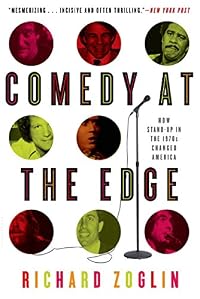
Comedy at the Edge: How Stand-up in the 1970s Changed America
by Richard Zoglin
On This Page
Description
In the rock-and-roll 1970s, a new breed of comic, inspired by the fearless Lenny Bruce, made telling jokes an art form. Innovative comedians like George Carlin, Richard Pryor, and Robert Klein, and, later, Steve Martin, Albert Brooks, Robin Williams, and Andy Kaufman, tore through the country and became as big as rock stars in an era when Saturday Night Live was the apotheosis of cool and the Improv, Catch a Rising Star, and the Comedy Store were the hottest clubs around. In Comedy at the show more Edge, Richard Zoglin gives a backstage view of the time, when a group of brilliant, iconoclastic comedians ruled the world--and quite possibly changed it, too. Based on extensive interviews with club owners, agents, producers--and with unprecedented and unlimited access to the players themselves--Comedy at the Edge is a no-holdsbarred, behind-the-scenes look at one of the most influential and tumultuous decades in American popular culture.--From source other than Library of Congress. show lessTags
Recommendations


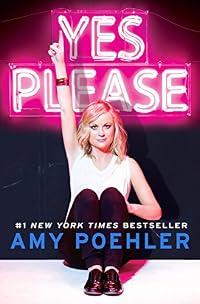
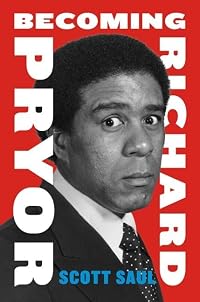
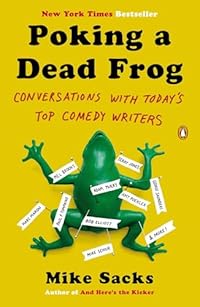
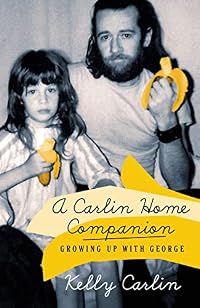
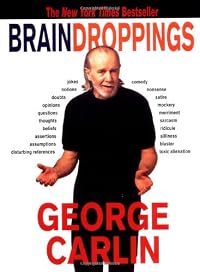

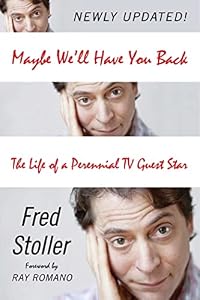
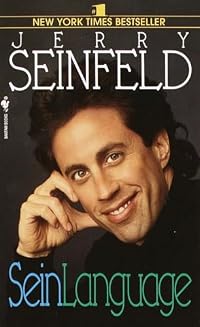
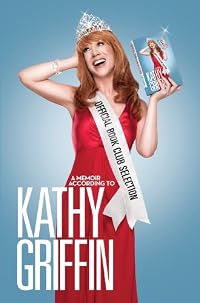


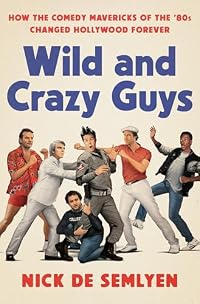



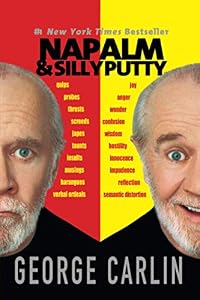
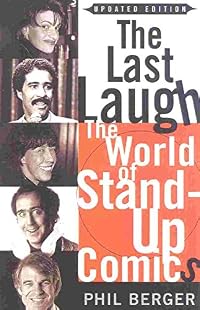
Member Recommendations

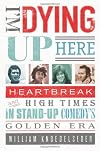
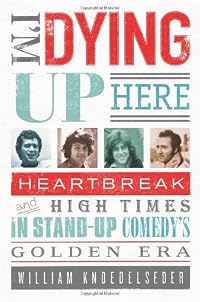
I'm Dying Up Here: Heartbreak and High Times in Stand-up Comedy's Golden Era by William Knoedelseder
gtown This is a semi-recommendation, since these books cover a lot of the same ground. Merged together would have been perfect. If you've read one and didn't want the info to end, definitely read the second.
"Dying" has more details on Lewis, Dreesen and Lubetkin, while "Edge", among other things, has more stories of the New York scene before the LA migration.
Member Reviews
Comedy at the Edge by Richard Zoglin is a fantastic comprehensive and concise history of stand-up comedy during the late 1960 through the 1970s, from the death of Lenny Bruce to the ascendance of stand-up into the mainstream of American popular culture. It's well researched and compellingly presented.
I've always had a soft spot for stand-up comics. I love watching them on TV and seeing them in person. The conversational aspect of this style of performance lends an intimacy that you don't get from any other form of popular entertainment. Stand-up comedy is a type of theatre—it's really the only form of theatre that has attained truly mass appeal in our culture.
Despite my love of stand-up, I had never considered the history of it or show more thought too deeply about the differences between modern stand-up and the older styles that defined comedy in the middle of the 20th century. Consequently, Comedy at the Edge is revelatory.
Beginning the late 1960s, in the aftermath of Lenny Bruce, stand-up comedy underwent an evolution that broke with past humorous traditions and established new styles of comedy that still dominate stand-up today. Moreover, Mr. Zoglin argues that this evolution was not merely a product of the rebellious culture of the '60s and '70s, but one of its most powerful driving forces.
The evidence he presents in Comedy at the Edge is enough to convince me. Comedy has always been an essential tool for people to critique and analyze ourselves and our culture. Comedy can speak truth to power in a unique way that's easy for everyone to hear. In tumultuous times, comedians help us understand what's going on and warn us when we start down the wrong path.
What made the comedy revolution of the '60s and '70s so unique is that it brought stand-up to a level of mass popularity that it had never seen before and that continues to this day. It saw an explosion of creativity and inventiveness that has yet to be equaled. The comedians who came to prominence in this era—George Carlin, Richard Pryor, Richard Lewis, Albert Brooks, Steve Martin, Robin Williams, Andy Kaufman, et al—forged the blueprints that stand-up comics still follow. They elevated stand-up comedy from mere entertainment to a fully expressive and nuanced art form.
I admit that I'm biased—I grew up on the comedians Mr. Zoglin profiles in this book. They will always rank as my favorites. I'm an easy sell for anyone who wants to call them geniuses.
The book is structured with each chapter profiling one comedian (or sometimes two) who best exemplifies a specific aspect of the stand-up comedy culture of this time period. It's packed with quotations, interviews, analysis, and commentary from many comedians, club owners, and critics who were there and lived it all first-hand. Mr. Zoglin ably captures the vitality and excitement of it.
There are times, though, when the conciseness of the book feels a little too concise. Twelve chapters (plus a short prologue), examining just over a dozen comedians, packed into a meager 225 pages doesn't leave room for much depth. The broad strokes are vivid enough to paint a compelling picture, and all the important thesis statements are made and supported—but I'm also frequently aware of how much is getting left out.
Perhaps, though, that may be one of Comedy at the Edge's greatest accomplishments—it leaves me eager to learn more. There are plenty of biographies that have been written about the comedians in this book, and I want to go read all of them now. show less
I've always had a soft spot for stand-up comics. I love watching them on TV and seeing them in person. The conversational aspect of this style of performance lends an intimacy that you don't get from any other form of popular entertainment. Stand-up comedy is a type of theatre—it's really the only form of theatre that has attained truly mass appeal in our culture.
Despite my love of stand-up, I had never considered the history of it or show more thought too deeply about the differences between modern stand-up and the older styles that defined comedy in the middle of the 20th century. Consequently, Comedy at the Edge is revelatory.
Beginning the late 1960s, in the aftermath of Lenny Bruce, stand-up comedy underwent an evolution that broke with past humorous traditions and established new styles of comedy that still dominate stand-up today. Moreover, Mr. Zoglin argues that this evolution was not merely a product of the rebellious culture of the '60s and '70s, but one of its most powerful driving forces.
The evidence he presents in Comedy at the Edge is enough to convince me. Comedy has always been an essential tool for people to critique and analyze ourselves and our culture. Comedy can speak truth to power in a unique way that's easy for everyone to hear. In tumultuous times, comedians help us understand what's going on and warn us when we start down the wrong path.
What made the comedy revolution of the '60s and '70s so unique is that it brought stand-up to a level of mass popularity that it had never seen before and that continues to this day. It saw an explosion of creativity and inventiveness that has yet to be equaled. The comedians who came to prominence in this era—George Carlin, Richard Pryor, Richard Lewis, Albert Brooks, Steve Martin, Robin Williams, Andy Kaufman, et al—forged the blueprints that stand-up comics still follow. They elevated stand-up comedy from mere entertainment to a fully expressive and nuanced art form.
I admit that I'm biased—I grew up on the comedians Mr. Zoglin profiles in this book. They will always rank as my favorites. I'm an easy sell for anyone who wants to call them geniuses.
The book is structured with each chapter profiling one comedian (or sometimes two) who best exemplifies a specific aspect of the stand-up comedy culture of this time period. It's packed with quotations, interviews, analysis, and commentary from many comedians, club owners, and critics who were there and lived it all first-hand. Mr. Zoglin ably captures the vitality and excitement of it.
There are times, though, when the conciseness of the book feels a little too concise. Twelve chapters (plus a short prologue), examining just over a dozen comedians, packed into a meager 225 pages doesn't leave room for much depth. The broad strokes are vivid enough to paint a compelling picture, and all the important thesis statements are made and supported—but I'm also frequently aware of how much is getting left out.
Perhaps, though, that may be one of Comedy at the Edge's greatest accomplishments—it leaves me eager to learn more. There are plenty of biographies that have been written about the comedians in this book, and I want to go read all of them now. show less
A fairly good overview of American stand-up comedy starting with Lenny Bruce and ending with the comedy club boom of the 1980s. A good starting point if you're curious about the history of stand-up and its key players like George Carlin, Richard Prior, etc.
Also, as many other reviewers mention, the subtitle is kind of misleading in that it doesn't really go into how it changed America.
Also, as many other reviewers mention, the subtitle is kind of misleading in that it doesn't really go into how it changed America.
My husband was a stand-up comic during the 80's heyday, and he thought this book would be a good addition to what he likes to call my "comedy education."
The book traces the major shifts in stand-up from the sixties through Seinfeld by detailing the lives of the important players involved. Though I grew up listening to Carlin records and trying to follow Steve Martin's instructions how to fold soup, I had little awareness of how the changes in comedy reflected the upheavals in the political and social landscape of the times. Zoglin's book provides an interesting overview of the interrelationship between what was happening on stage and the greater world beyond it.
All of the major names in 70's comedy make an appearance here. As clichés show more would suggest, the life of a comic off-stage is not all fun and games, and the chapter on Richord Pryor's drug abuse and violence was particularly hard to read. But the author does a good job of highlighting the very fierce battles Pryor and other comics fought to bring stand-up out of the safe, predictable niceties of the mid-century and into a form that had such social and political relevance that at least one comic found himself shadowed by Nixon's FBI.
Though Zoglin liberally quotes the trademark bits of his subjects, the book bears much more of the tone of the reporter who wrote it than the comics he’s writing about. Since stand-up is a live art form, it makes sense it doesn't really translate onto the page; one can only imagine how funny Albert Brooks’ bad mime impression must have been to those fortunate enough to actually see it. Those looking for laughs will therefore likely find the tone a little dry. But anyone interested in a broad social history of stand-up comedy should find plenty of interest here. show less
The book traces the major shifts in stand-up from the sixties through Seinfeld by detailing the lives of the important players involved. Though I grew up listening to Carlin records and trying to follow Steve Martin's instructions how to fold soup, I had little awareness of how the changes in comedy reflected the upheavals in the political and social landscape of the times. Zoglin's book provides an interesting overview of the interrelationship between what was happening on stage and the greater world beyond it.
All of the major names in 70's comedy make an appearance here. As clichés show more would suggest, the life of a comic off-stage is not all fun and games, and the chapter on Richord Pryor's drug abuse and violence was particularly hard to read. But the author does a good job of highlighting the very fierce battles Pryor and other comics fought to bring stand-up out of the safe, predictable niceties of the mid-century and into a form that had such social and political relevance that at least one comic found himself shadowed by Nixon's FBI.
Though Zoglin liberally quotes the trademark bits of his subjects, the book bears much more of the tone of the reporter who wrote it than the comics he’s writing about. Since stand-up is a live art form, it makes sense it doesn't really translate onto the page; one can only imagine how funny Albert Brooks’ bad mime impression must have been to those fortunate enough to actually see it. Those looking for laughs will therefore likely find the tone a little dry. But anyone interested in a broad social history of stand-up comedy should find plenty of interest here. show less
Loved it! A fascinating look at how certain comics made an indelible impression to those who grew up in the 1970s (and 1980s).
Ratings
Members
- Recently Added By
Lists

1970s Narratives
40 works; 6 members
Author Information

3+ Works 361 Members
Richard Zoglin is a Time magazine contributor and the author of Hope: Entertainer of the Century and Comedy at the Edge: How Stand-Up in the 1970s Changed America. A native of Kansas City, Missouri, Zoglin currently lives in New York City.
Common Knowledge
- Alternate titles
- Comedy at the Edge
- People/Characters
- George Carlin; Robert Klein; Steve Martin; Richard Pryor; Albert Brooks; Andy Kaufman (show all 8); Robin Williams; Jerry Seinfeld
- Dedication
- For my father,
who was very
funny, and
for Charla - First words
- In the mid-1970s, when I was a freelance writer living in Greenwich Village, the Improvisation was, pound for pound, the best entertainment value in New York.
- Last words
- (Click to show. Warning: May contain spoilers.)And if you get a laugh, you're golden.
- Publisher's editor
- Dickerman, Colin; Trautwein, Nick
- Blurbers
- Biskind, Peter; Grodin, Charles; Schickel, Richard
Classifications
- Genres
- Nonfiction, General Nonfiction, History, Biography & Memoir
- DDC/MDS
- 792.7 — Arts & recreation Recreation, sports, and performing arts Theater: Plays, Ballet, Opera Variety shows and theatrical dancing; burlesque, cabaret, vaudeville, music hall, nightclubs
- LCC
- PN1969 .C65 .Z64 — Language and Literature Literature (General) Literature (General) Drama Special types
- BISAC
Statistics
- Members
- 127
- Popularity
- 256,206
- Reviews
- 4
- Rating
- (3.50)
- Languages
- English
- Media
- Paper, Ebook
- ISBNs
- 4
- ASINs
- 2