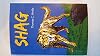
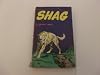
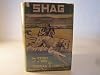
Shag
by Thomas C. Hinkle
On This Page
Tags
Recommendations


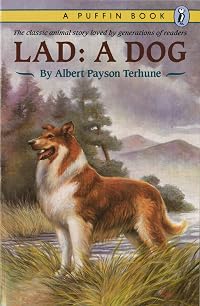


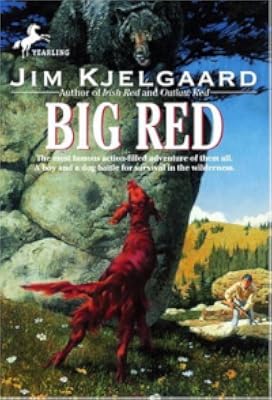


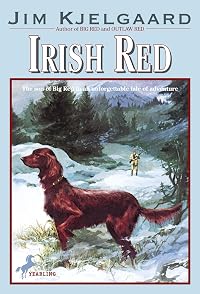


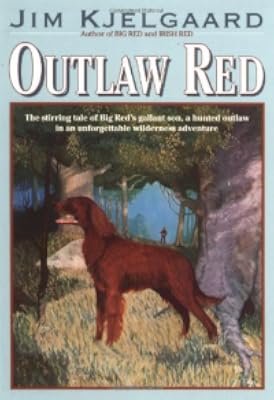


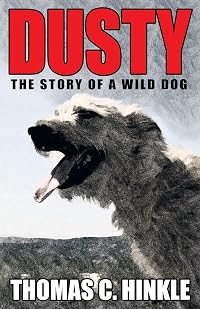





Member Recommendations

by bookel
Member Reviews
Thomas C. Hinkle was born in 1876 and specialized in writing stories about horses and dogs. Shaq was published in 1931. I get the feeling from the wilderness that was still existing back in the day.
The main human character, Tom Glen, is breeding Scottish Staghounds. I had to look it up:
The Scottish staghound is a fairly new mixed dog breed after cross-breeding the Scottish deerhound and the Staghound. The parent breeds are pure breeds and are great hunting dogs. Pretty much like the Irish staghounds, the Scottish staghound dog is large in size and can take its appearance after the Scottish deerhound or the Staghound.
Apparently the ideal is a solid color of some type, known as 'self-colored, where one is blue-grey, one is cream and two show more are sandy brown. O book our canine hero Shag is overly shaggy, hence the name, and ill-colored and is mottled colored of white and yellow. Shag also grows larger than other dogs as well. I like the emphasis on the heart of a dog in this book, unlike most of Albert Payson Terhune's books where the hero seems to also need to when as a champion in dog shows which is tied to make the dog better than others.
The story revolves around the dogs being used to hunt wolves that kill livestock. Knowing more about wolves nowadays, and my sympathy's with wolves, I rate the book lower strictly because this topic is less desirable for me, but I really like the way Hinkle writes, so I am hopeful his other books will be on topics more exciting to me.
Shag is branded a coward because of the way he knocks wolfs down but lets other dogs take the brunt of rushing in to attack. Some of those other dogs get killed at times. Unlike similar books where other dogs getting killed like so much fodder, in this book the owners of the other dogs get upset and sorrowful. I don't like it in other books when dogs get killed but don't seem to matter as the story is focused on the main dog.
While other hunters/ranches get upset at Shag, one can see beyond cowardice:
"My guess is that Shag’s waiting – something in him tells him to wait – and whatever it is that tells him – it’s that which makes him understand how he must fight that wolf, if the time ever comes when he has a chance."
Unfortunately Tom because of misperceptions, keeps driving Shag away in spite of the dogs great loyalty:
A week passed, then Shag came back. He rushed in one morning early, his coat wet with dew, his eyes wide, and shining with hope. Again he was in his own blessed home with Tom Glen, and always to Shag, home was anywhere this man might be. There was no road too long, no way too rough, no night too dark for Shag to find him if only permitted.
The story is well told. The road for Shag away from Tom is long but you can guess there is a final showdown and happy reunion in the end. The type of adventure in the wilderness is reminiscent of Jim Kalgaard, but writing is different, I think more straightforward. Looks like Hinkle had written 13 dog books, and I look forward to reading them all. show less
The main human character, Tom Glen, is breeding Scottish Staghounds. I had to look it up:
The Scottish staghound is a fairly new mixed dog breed after cross-breeding the Scottish deerhound and the Staghound. The parent breeds are pure breeds and are great hunting dogs. Pretty much like the Irish staghounds, the Scottish staghound dog is large in size and can take its appearance after the Scottish deerhound or the Staghound.
Apparently the ideal is a solid color of some type, known as 'self-colored, where one is blue-grey, one is cream and two show more are sandy brown. O book our canine hero Shag is overly shaggy, hence the name, and ill-colored and is mottled colored of white and yellow. Shag also grows larger than other dogs as well. I like the emphasis on the heart of a dog in this book, unlike most of Albert Payson Terhune's books where the hero seems to also need to when as a champion in dog shows which is tied to make the dog better than others.
The story revolves around the dogs being used to hunt wolves that kill livestock. Knowing more about wolves nowadays, and my sympathy's with wolves, I rate the book lower strictly because this topic is less desirable for me, but I really like the way Hinkle writes, so I am hopeful his other books will be on topics more exciting to me.
Shag is branded a coward because of the way he knocks wolfs down but lets other dogs take the brunt of rushing in to attack. Some of those other dogs get killed at times. Unlike similar books where other dogs getting killed like so much fodder, in this book the owners of the other dogs get upset and sorrowful. I don't like it in other books when dogs get killed but don't seem to matter as the story is focused on the main dog.
While other hunters/ranches get upset at Shag, one can see beyond cowardice:
"My guess is that Shag’s waiting – something in him tells him to wait – and whatever it is that tells him – it’s that which makes him understand how he must fight that wolf, if the time ever comes when he has a chance."
Unfortunately Tom because of misperceptions, keeps driving Shag away in spite of the dogs great loyalty:
A week passed, then Shag came back. He rushed in one morning early, his coat wet with dew, his eyes wide, and shining with hope. Again he was in his own blessed home with Tom Glen, and always to Shag, home was anywhere this man might be. There was no road too long, no way too rough, no night too dark for Shag to find him if only permitted.
The story is well told. The road for Shag away from Tom is long but you can guess there is a final showdown and happy reunion in the end. The type of adventure in the wilderness is reminiscent of Jim Kalgaard, but writing is different, I think more straightforward. Looks like Hinkle had written 13 dog books, and I look forward to reading them all. show less
Thomas C. Hinkle was born in 1876 and specialized in writing stories about horses and dogs. Shaq was published in 1931. I get the feeling from the wilderness that was still existing back in the day.
The main human character, Tom Glen, is breeding Scottish Staghounds. I had to look it up:
The Scottish staghound is a fairly new mixed dog breed after cross-breeding the Scottish deerhound and the Staghound. The parent breeds are pure breeds and are great hunting dogs. Pretty much like the Irish staghounds, the Scottish staghound dog is large in size and can take its appearance after the Scottish deerhound or the Staghound.
Apparently the ideal is a solid color of some type, known as 'self-colored, where one is blue-grey, one is cream and two show more are sandy brown. O book our canine hero Shag is overly shaggy, hence the name, and ill-colored and is mottled colored of white and yellow. Shag also grows larger than other dogs as well. I like the emphasis on the heart of a dog in this book, unlike most of Albert Payson Terhune's books where the hero seems to also need to when as a champion in dog shows which is tied to make the dog better than others.
The story revolves around the dogs being used to hunt wolves that kill livestock. Knowing more about wolves nowadays, and my sympathy's with wolves, I rate the book lower strictly because this topic is less desirable for me, but I really like the way Hinkle writes, so I am hopeful his other books will be on topics more exciting to me.
Shag is branded a coward because of the way he knocks wolfs down but lets other dogs take the brunt of rushing in to attack. Some of those other dogs get killed at times. Unlike similar books where other dogs getting killed like so much fodder, in this book the owners of the other dogs get upset and sorrowful. I don't like it in other books when dogs get killed but don't seem to matter as the story is focused on the main dog.
While other hunters/ranches get upset at Shag, one can see beyond cowardice:
"My guess is that Shag’s waiting – something in him tells him to wait – and whatever it is that tells him – it’s that which makes him understand how he must fight that wolf, if the time ever comes when he has a chance."
Unfortunately Tom because of misperceptions, keeps driving Shag away in spite of the dogs great loyalty:
A week passed, then Shag came back. He rushed in one morning early, his coat wet with dew, his eyes wide, and shining with hope. Again he was in his own blessed home with Tom Glen, and always to Shag, home was anywhere this man might be. There was no road too long, no way too rough, no night too dark for Shag to find him if only permitted.
The story is well told. The road for Shag away from Tom is long but you can guess there is a final showdown and happy reunion in the end. The type of adventure in the wilderness is reminiscent of Jim Kalgaard, but writing is different, I think more straightforward. Looks like Hinkle had written 13 dog books, and I look forward to reading them all. show less
The main human character, Tom Glen, is breeding Scottish Staghounds. I had to look it up:
The Scottish staghound is a fairly new mixed dog breed after cross-breeding the Scottish deerhound and the Staghound. The parent breeds are pure breeds and are great hunting dogs. Pretty much like the Irish staghounds, the Scottish staghound dog is large in size and can take its appearance after the Scottish deerhound or the Staghound.
Apparently the ideal is a solid color of some type, known as 'self-colored, where one is blue-grey, one is cream and two show more are sandy brown. O book our canine hero Shag is overly shaggy, hence the name, and ill-colored and is mottled colored of white and yellow. Shag also grows larger than other dogs as well. I like the emphasis on the heart of a dog in this book, unlike most of Albert Payson Terhune's books where the hero seems to also need to when as a champion in dog shows which is tied to make the dog better than others.
The story revolves around the dogs being used to hunt wolves that kill livestock. Knowing more about wolves nowadays, and my sympathy's with wolves, I rate the book lower strictly because this topic is less desirable for me, but I really like the way Hinkle writes, so I am hopeful his other books will be on topics more exciting to me.
Shag is branded a coward because of the way he knocks wolfs down but lets other dogs take the brunt of rushing in to attack. Some of those other dogs get killed at times. Unlike similar books where other dogs getting killed like so much fodder, in this book the owners of the other dogs get upset and sorrowful. I don't like it in other books when dogs get killed but don't seem to matter as the story is focused on the main dog.
While other hunters/ranches get upset at Shag, one can see beyond cowardice:
"My guess is that Shag’s waiting – something in him tells him to wait – and whatever it is that tells him – it’s that which makes him understand how he must fight that wolf, if the time ever comes when he has a chance."
Unfortunately Tom because of misperceptions, keeps driving Shag away in spite of the dogs great loyalty:
A week passed, then Shag came back. He rushed in one morning early, his coat wet with dew, his eyes wide, and shining with hope. Again he was in his own blessed home with Tom Glen, and always to Shag, home was anywhere this man might be. There was no road too long, no way too rough, no night too dark for Shag to find him if only permitted.
The story is well told. The road for Shag away from Tom is long but you can guess there is a final showdown and happy reunion in the end. The type of adventure in the wilderness is reminiscent of Jim Kalgaard, but writing is different, I think more straightforward. Looks like Hinkle had written 13 dog books, and I look forward to reading them all. show less
Shag is a throwback, a well bred Scottish staghound that does not show his pedigree. His owner, unaware of Shag's inner potential, gives him away time after time, trying with good intentions to find a permanent home for an imperfect hound. Eventually the oft-rejected and unwanted dog makes his way into the wild, to survive, but ever missing the man he adores. Good dog story by an author who excels in the genre.
I collected Dog Stories as a kid, but I somehow missed this one. Author Hinkle's name never turned up in the bookshops of New Plymouth. This story of "Shag" appeared as I collected books of the series "Kings Treasuries of Literature." I enjoyed it and read it quite quickly for me these days. That was because it moved inexorably through the horrible years of Shag's life. I picture him now, after the book has ended, as a much loved best friend - something a dog should always be.
Ratings
Members
- Recently Added By
Lists

Dogs -- children's/young adult fiction
1,317 works; 9 members

Most unfortunate titles
44 works; 3 members
Author Information

63 Works 512 Members
Series
Belongs to Publisher Series
Scholastic T (93)
Common Knowledge
- Original publication date
- 1931
Classifications
- Genres
- Fiction and Literature, Kids
Statistics
- Members
- 38
- Popularity
- 766,129
- Reviews
- 4
- Rating
- (3.67)
- Languages
- English
- Media
- Paper
- ISBNs
- 2
- ASINs
- 6